
Florida, the Sunshine State, beckons millions of travelers each year with its pristine beaches, vibrant cities, and world-class attractions. From the magical theme parks of Orlando to the lively streets of Miami and the historic charm of St. Augustine, it offers an unparalleled array of travel experiences. Whether you’re planning a luxurious resort stay, a family adventure, or a quiet escape, Florida promises an unforgettable journey. However, for many, the allure of the tropical climate comes with a hidden caveat: persistent allergies. While many parts of the world experience distinct allergy seasons, Florida’s unique environment means that allergy sufferers can face challenges almost year-round. Understanding the peak allergy months and the triggers associated with them is crucial for both visitors and residents to fully enjoy all that this diverse state has to offer without the constant discomfort of sneezes, sniffles, and itchy eyes. This guide aims to shed light on Florida’s allergy landscape, helping you navigate your travels and lifestyle choices for a more comfortable experience.
Understanding Florida’s Unique Allergy Landscape
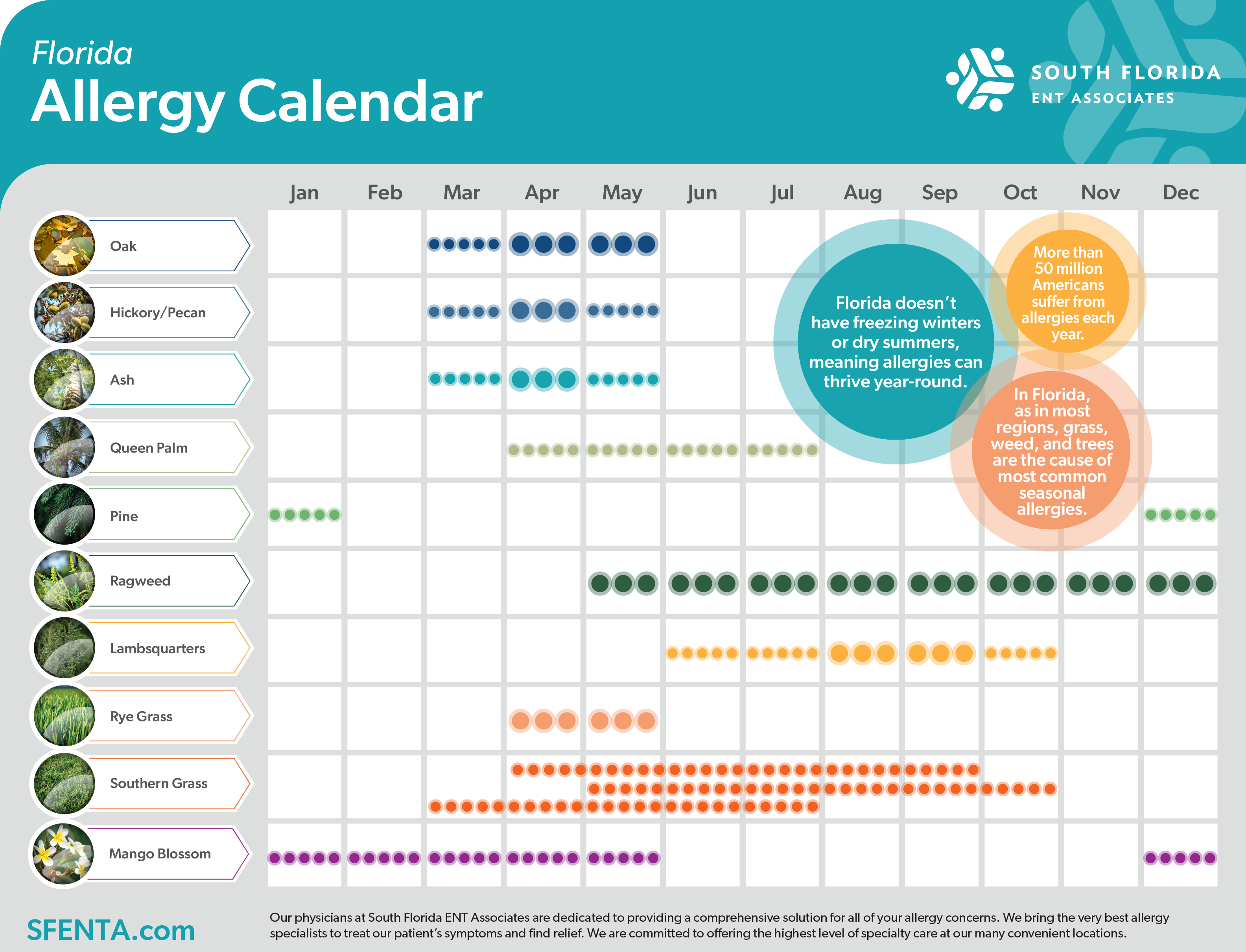
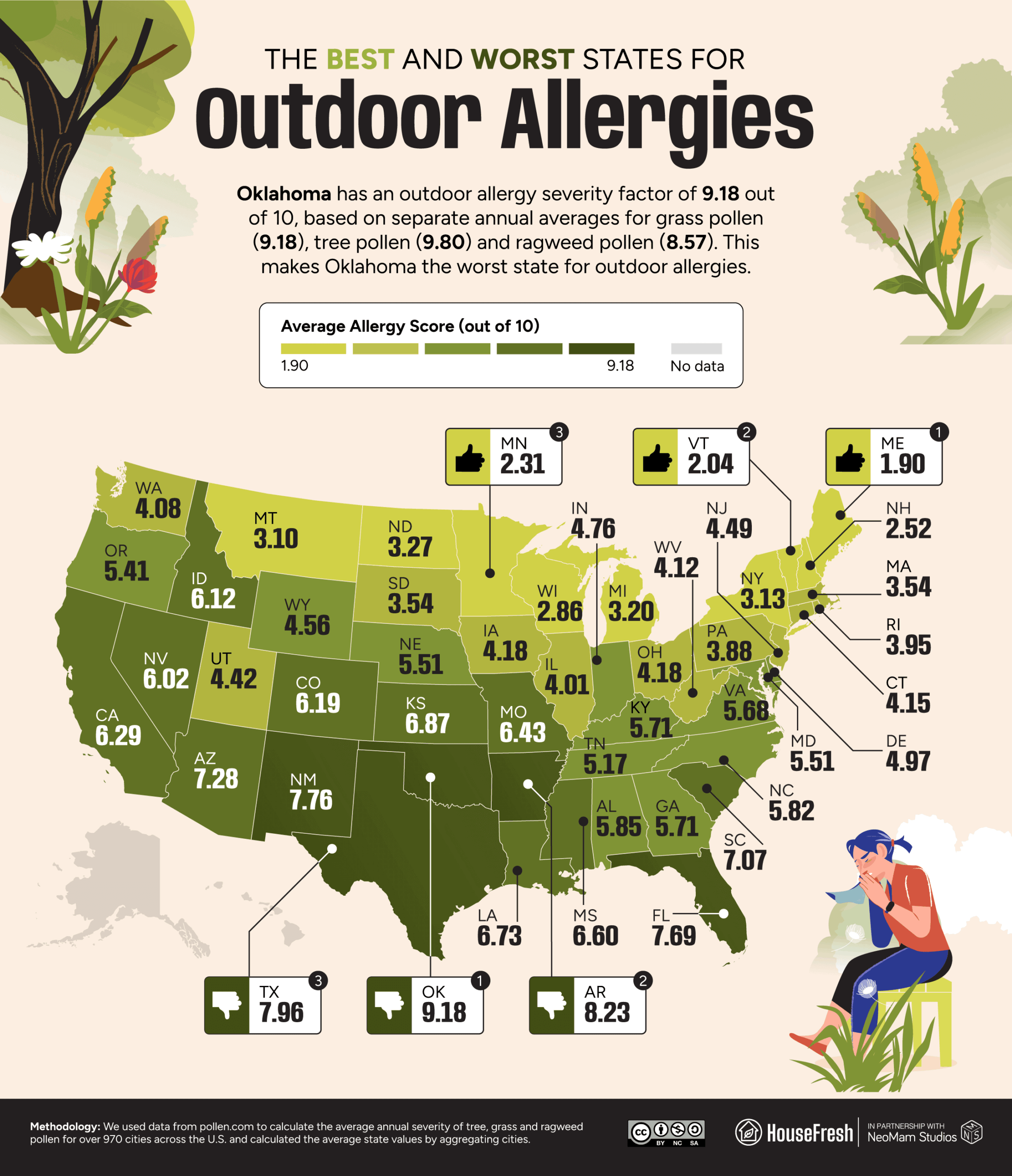
Florida’s subtropical climate, abundant rainfall, and diverse ecosystems create a complex environment for allergy sufferers. Unlike temperate regions where winter often brings a reprieve from pollen, Florida’s mild winters mean that many plants continue to bloom, and allergens can be active throughout the year. This perpetual growing season, combined with high humidity, fosters an environment where multiple types of allergens thrive.
A Year-Round Battle: Why Florida is Different
The lack of a harsh winter freeze is the primary reason why Florida’s allergy season feels like a year-round battle. Many trees and grasses that would typically go dormant in colder climates continue to produce pollen for extended periods, or even continuously, in Florida. This means that as one plant’s pollen season ends, another’s often begins, creating an overlapping cycle of allergens. Furthermore, the state’s significant rainfall and consistently high humidity, particularly in central and south Florida, create ideal conditions for mold spores to proliferate, adding another layer of challenge for allergy sufferers. From the Everglades National Park‘s lush wetlands to the urban green spaces of Jacksonville and the coastal ecosystems along the Gulf Coast and Atlantic Coast, the flora varies, contributing to regional differences in dominant allergens, yet the underlying principle of continuous allergen presence remains.
Key Allergy Triggers: Pollen, Mold, and More
The primary culprits behind Florida allergies can generally be categorized into three main groups: tree pollen, grass pollen, and weed pollen, with mold spores playing a significant, often overlooked, role.
- Tree Pollen: A major offender, especially from late fall through early spring. Common trees contributing to pollen counts include Oak, Pine, Cypress, Melaleuca, Maple, Elm, and Bayberry. These can cause severe symptoms for sensitive individuals, making outdoor activities in destinations like the Florida Keys or nature parks challenging during their peak.
- Grass Pollen: Active primarily from late spring through summer, and often extending into fall. Florida’s pervasive lawn grasses like Bermuda grass, Bahia grass, and Johnson grass are notorious for producing abundant pollen that can travel long distances. This can affect travelers enjoying outdoor amenities at resorts or families picnicking in local parks.
- Weed Pollen: While less dominant than trees and grasses, weeds like Ragweed become a significant issue from late summer into fall. Other weeds such as Amaranth, Carelessweed, and Pigweed also contribute to the pollen load during these months.
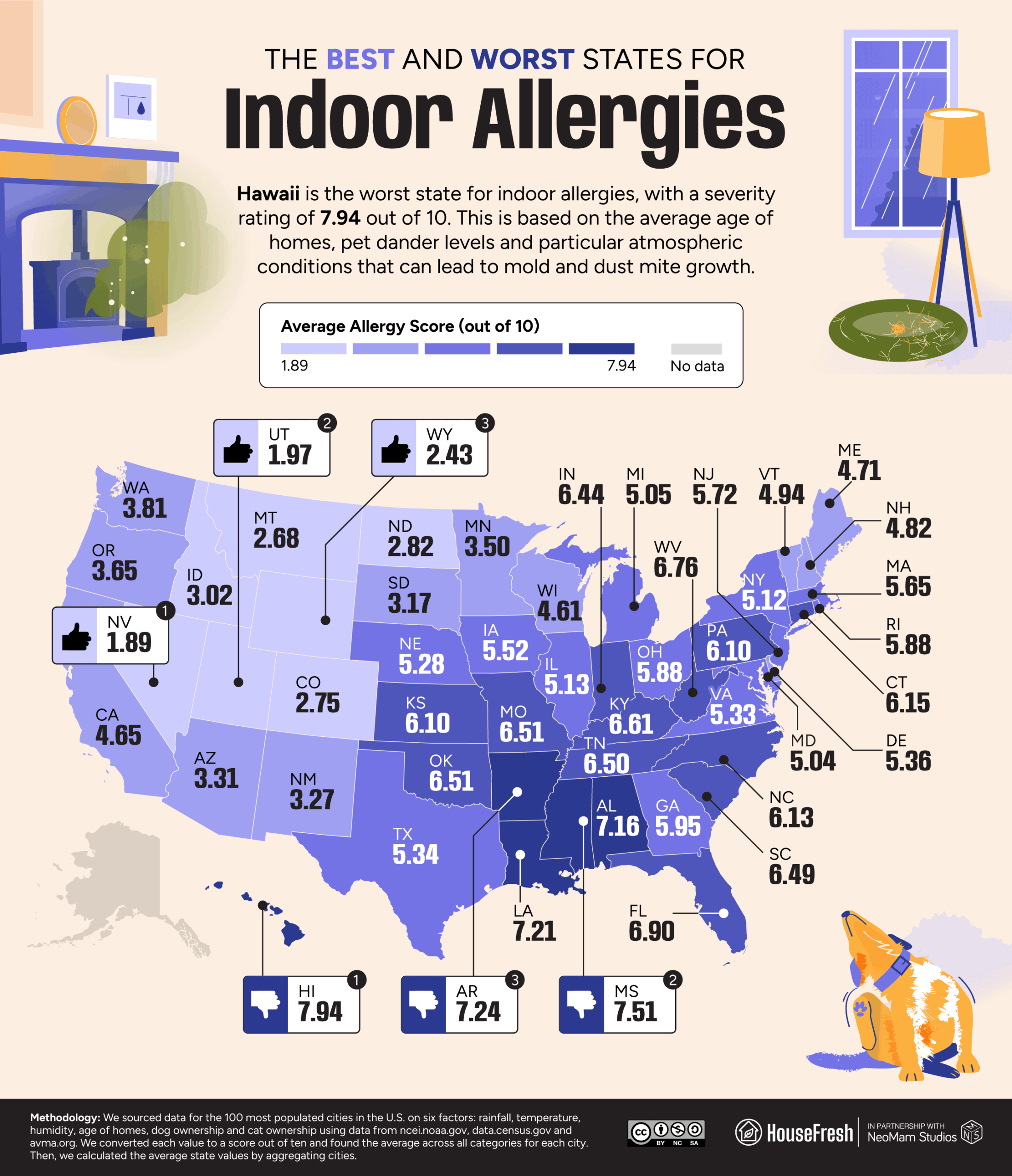
- Mold Spores: Due to Florida’s high humidity and frequent rainfall, mold is a year-round allergen. It thrives indoors and outdoors, particularly in damp environments, making it a constant concern. Mold spores are especially problematic during the hot, wet summer months and can be found in damp areas of accommodation, natural landscapes, and even within older buildings in historic districts.
The Peak Allergy Seasons: When to Brace Yourself
Understanding the rhythm of Florida’s allergy seasons is key to mitigating symptoms. While there’s rarely a “safe” month, certain periods present heightened challenges due to specific dominant allergens.
Winter Woes (Late Fall to Early Spring): Tree Pollen Dominance
Contrary to what many might expect, winter in Florida (roughly November through March) is far from an allergy-free haven. Instead, it marks the peak season for tree pollen. As the weather cools slightly, many native trees begin their pollination cycle.
- November – December: Pine pollen can become noticeable, especially in central and northern Florida. While often more irritating than allergenic, its sheer volume can cause discomfort. Cypress and Juniper trees also begin their contribution.
- January – March: This period is arguably the worst stretch for tree allergies. Oak trees, ubiquitous throughout the state, release enormous amounts of pollen, often visible as a yellow dusting on cars and outdoor surfaces. Other significant contributors include Maple, Elm, Ash, and Bayberry. For travelers enjoying outdoor attractions like the Kennedy Space Center Visitor Complex or visiting coastal towns, it’s essential to be aware of high pollen counts, which can significantly impact a planned itinerary. During this time, many resorts in Tampa and Sarasota will see their grounds covered in pollen, even if windows are kept closed, indicating the pervasive nature of the airborne allergens.
Spring’s Sneaky Assault (Late Spring to Early Summer): Grass Pollen Surges
As tree pollen begins to subside in late spring (April and May), a new wave of allergens emerges: grass pollen.
- April – June: This period is dominated by various types of grasses. Bermuda grass, Bahia grass, and Johnson grass are prevalent throughout Florida, from residential lawns to golf courses and natural fields. Their pollen is highly allergenic and can cause intense symptoms. Anyone planning outdoor activities like golfing, visiting state parks, or simply enjoying the outdoor amenities of their chosen accommodation, such as a sprawling resort in Naples, should be particularly vigilant. This is a crucial time for allergy sufferers enjoying destinations like Walt Disney World Resort or Universal Studios Florida, as extensive landscaping means grass pollen is never far away.
Summer’s Persistent Problem (Mid-Summer): Fungi and Weed Pollen
Florida’s summers (July and August) are characterized by intense heat, high humidity, and frequent afternoon thunderstorms. While tree and grass pollen may be less dominant, summer introduces other significant allergy triggers.
- July – August: This is prime time for mold spores to thrive both outdoors and indoors. The consistent moisture from rain and humidity creates ideal breeding grounds for fungi in decaying vegetation, soil, and damp indoor spaces. For those staying in older hotels or accommodations with less efficient air conditioning, indoor mold can be a significant issue. Additionally, towards the end of summer, weed pollen begins to pick up, particularly from plants like Ragweed in southern Florida, setting the stage for the fall season. Travelers exploring wetlands or coastal areas should be especially wary of mold.
Fall’s Final Fury (Late Summer to Fall): Ragweed and Outdoor Molds
The transition from late summer to fall (September to October) brings a resurgence of pollen, making it another challenging period for allergy sufferers.
- September – October: This is undoubtedly the peak season for Ragweed pollen throughout much of the United States, and Florida is no exception, particularly in northern and central regions. Ragweed is a highly allergenic plant, and its pollen can travel hundreds of miles, causing severe symptoms for many. Compounding this, outdoor mold counts remain very high due to continued humidity and decaying plant matter. This double whammy of ragweed and mold makes fall one of the truly worst times for allergies in Florida. A trip to a pumpkin patch or an outdoor festival in Gainesville or Tallahassee during these months might be beautiful, but it could also trigger significant allergic reactions.
Navigating Florida Allergies as a Traveler or Resident
Dealing with allergies in Florida requires a proactive approach, whether you’re planning a short trip or considering a long-term stay. Integrating allergy management into your travel planning and daily lifestyle can significantly enhance your experience.
Pre-Trip Planning and On-Site Strategies
For travelers, preparation is paramount.
- Check Pollen Forecasts: Before and during your trip, regularly check local pollen and mold forecasts for your specific destination (e.g., Miami Beach, Fort Lauderdale). Websites and apps dedicated to allergy information can provide daily updates.
- Medication Management: Pack an adequate supply of your preferred allergy medications, including antihistamines, nasal sprays, and eye drops. Consult your doctor about starting medication a few days before your trip, especially if you know you’ll be traveling during a peak season for your specific triggers.
- Accommodation Choices: When booking hotels, suites, or villas, consider options that emphasize good air quality. Look for properties with central air conditioning, non-smoking policies, and potentially even HEPA air filters in rooms. High-end resorts like the Ritz-Carlton, Sarasota or a Hyatt Regency property often have excellent air filtration systems. Inquire about hypoallergenic rooms if available. When reviewing accommodations, pay attention to comments about cleanliness and air quality. For long-term stays, consider apartments with modern HVAC systems.
- Timing Outdoor Activities: Plan outdoor excursions for times of day when pollen counts are typically lower, such as early morning or late evening. Avoid going out during peak pollen times, usually mid-morning to late afternoon, especially on windy days.
- Keep Windows Closed: In your accommodation and rental car, keep windows closed, and rely on air conditioning to filter out pollen.
- Shower and Change Clothes: After spending time outdoors, especially during peak seasons, shower and change into clean clothes to remove any lingering pollen from your skin and hair.
Exploring Florida’s Attractions Responsibly
Florida’s landmarks, attractions, and diverse destinations offer incredible experiences. With careful planning, allergy sufferers can still enjoy them.
- Theme Parks and Gardens: While attractions like Busch Gardens Tampa Bay or the various botanical gardens around the state are stunning, they can also be high pollen zones. Consider wearing a mask, taking your allergy medication beforehand, and taking frequent breaks indoors.
- Beach and Water Activities: The good news is that coastal breezes can sometimes offer a reprieve from heavy inland pollen, particularly near the Atlantic Ocean or Gulf of Mexico. Water activities often expose you to fewer airborne allergens. However, be mindful of mold near damp beach vegetation or in older beachside accommodations.
- Indoor Alternatives: On days with extremely high pollen counts, focus on indoor attractions. Florida boasts incredible museums, aquariums, shopping centers like Sawgrass Mills, and entertainment complexes that offer a perfect respite from outdoor allergens. Explore local culture through art galleries, enjoy diverse food experiences at indoor markets, or catch a show.
Lifestyle Adjustments for Allergy Sufferers
For those living in Florida, integrating allergy management into daily life is crucial.
- Home Environment Control: Invest in a good quality HEPA air purifier for your home, especially in bedrooms. Regularly clean and replace HVAC filters with allergy-friendly options. Keep humidity levels down with dehumidifiers, especially in bathrooms and basements, to curb mold growth.
- Yard Work and Gardening: If you have outdoor responsibilities, wear a mask, gloves, and protective eyewear. Consider hiring professional help for lawn mowing during peak grass pollen season.
- Diet and Hydration: While not a cure, a healthy diet rich in anti-inflammatory foods and adequate hydration can support your immune system and potentially reduce the severity of allergy symptoms.
- Local Healthcare: If considering a long-term stay or residency, identify local allergists or ENT specialists in cities like Fort Myers or Melbourne who can offer personalized treatment plans, including allergy shots, which can provide long-term relief.
In conclusion, while Florida truly is a paradise, its continuous growing seasons mean allergy sufferers face a unique set of challenges. The peak months vary depending on the specific allergen, with tree pollen dominating winter, grass pollen peaking in spring, and a combination of weed pollen and mold spores being problematic from summer through fall. By understanding these patterns, making informed choices about travel timing and accommodation, and implementing proactive lifestyle adjustments, you can significantly reduce the impact of allergies and fully immerse yourself in the beauty and excitement of the Sunshine State. Don’t let allergies deter you from experiencing the incredible tourism, diverse landmarks, and luxurious lifestyle options that Florida proudly offers.
LifeOutOfTheBox is a participant in the Amazon Services LLC Associates Program, an affiliate advertising program designed to provide a means for sites to earn advertising fees by advertising and linking to Amazon.com. Amazon, the Amazon logo, AmazonSupply, and the AmazonSupply logo are trademarks of Amazon.com, Inc. or its affiliates. As an Amazon Associate we earn affiliate commissions from qualifying purchases.