
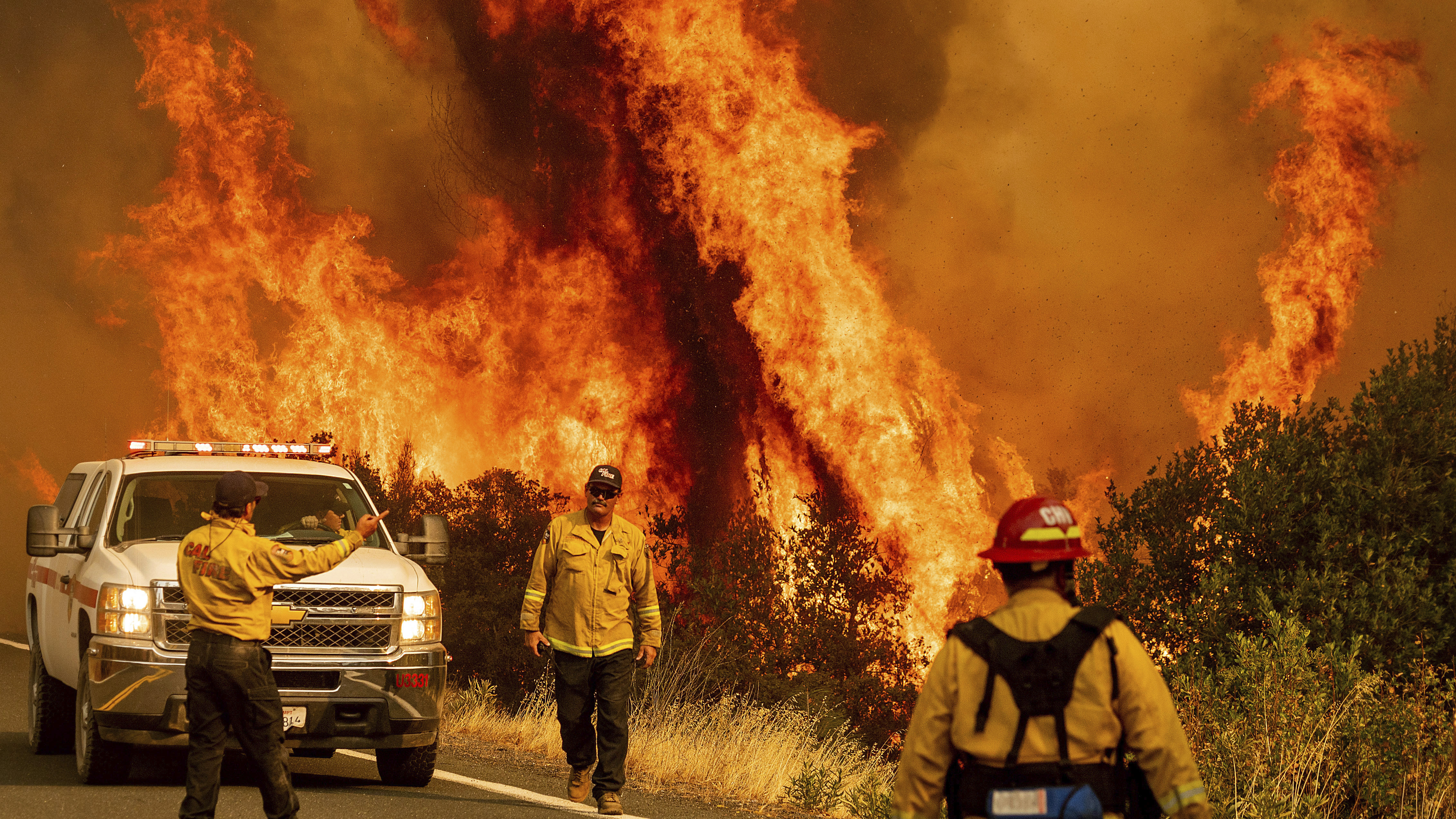
For many prospective travelers, the thought of exploring Northern California is synonymous with breathtaking natural beauty, vibrant cities, and world-class experiences. However, concerns about wildfires, particularly during certain seasons, can understandably lead to questions and apprehension. The query “Where are the Northern California fires?” is a natural one for anyone planning a trip, seeking reassurance, or simply wanting to understand the current situation. It’s crucial to understand that Northern California is an incredibly vast and diverse region, encompassing everything from dramatic coastlines and ancient redwood forests to bustling metropolitan areas and serene mountain ranges. While fires can impact specific localities, they rarely affect the entire region, leaving countless destinations open, safe, and ready to welcome visitors.

This article aims to provide a comprehensive guide for travelers, addressing concerns about wildfires while showcasing the enduring appeal and vast array of opportunities that Northern California continues to offer. We’ll delve into the geographical realities, equip you with the knowledge to make informed travel decisions, and highlight the many iconic and hidden gems that remain accessible and delightful, even during challenging seasons. Our goal is to empower you to plan an unforgettable journey, whether you’re seeking a luxurious retreat, an adventurous outdoor escape, or a deep dive into local culture and cuisine, ensuring your experience aligns perfectly with the positive travel, tourism, and lifestyle ethos of Life Out of the Box.
Understanding the Landscape: Northern California’s Vastness and Varied Appeal
When considering travel to Northern California, it’s vital to put the region’s scale into perspective. This expansive area covers the upper two-thirds of the state of California, a state larger than many countries. This geographical enormity means that localized incidents, such as wildfires, do not typically blanket the entire region.
Beyond the Headlines: The Geographical Scale
Northern California stretches from the Pacific Ocean in the west to the Sierra Nevada mountains in the east, and from the Central Coast up to the Oregon border. This vastness includes a wide range of climates and topographies: coastal fog belts, fertile valleys like the Central Valley, rugged mountain ranges, and dense forests. While certain inland, forested, or drier areas are more susceptible to wildfires, major metropolitan centers and coastal regions often remain untouched and unaffected. For example, while a fire might impact a specific national forest, the vibrant city life of San Francisco or the coastal charm of Monterey could be hundreds of miles away, experiencing clear skies and normal operations. Understanding this geographical separation is the first step in assessing travel viability. It reinforces that a general alert about “fires in Northern California” doesn’t necessarily mean your planned trip to Lake Tahoe or Napa Valley is compromised.
Iconic Destinations Often Unaffected
Many of Northern California’s most celebrated attractions are typically far removed from fire-prone zones or have specific microclimates that offer protection. For instance, the fog-kissed San Francisco Bay Area, home to global icons like the Golden Gate Bridge and Alcatraz Island, benefits from its coastal proximity, which significantly reduces fire risk. Similarly, the popular coastal towns south of San Francisco, such as Santa Cruz and the Monterey Peninsula, remain popular choices for beach holidays and marine wildlife viewing, often enjoying temperate conditions even when inland areas face hotter, drier weather. Even within the diverse landscapes, certain segments of Wine Country in Napa and Sonoma are less vulnerable than others, and specific vineyard resorts continue to welcome guests with world-class hospitality and stunning views. The key is to pinpoint your desired destination and then utilize reliable resources to check its specific status, rather than making broad assumptions about the entire region.
Planning Your Trip: Staying Informed and Making Smart Choices
Successfully navigating travel to Northern California, especially during seasons when wildfires might be a concern, hinges on proactive planning and informed decision-making. The goal is not to avoid the region entirely, but to approach your trip with awareness and flexibility.
Essential Resources for Real-Time Updates
The most critical aspect of planning is access to accurate, up-to-the-minute information. Rely on official sources rather than anecdotal reports or outdated news. In California, the primary authority for wildfire information is CAL FIRE (the California Department of Forestry and Fire Protection). Their website provides incident maps, detailed reports on active fires, and containment levels. The National Interagency Fire Center (NIFC) also offers national overviews. For air quality, which can be affected by smoke even far from a fire, consult resources like AirNow.gov or the California Air Resources Board (CARB) website. These platforms offer detailed Air Quality Index (AQI) readings, allowing you to check conditions in your specific destination or along your travel route. Additionally, check local county emergency services websites or reputable local news outlets for hyper-local updates, road closures, and evacuation orders. Many national and state parks, such as Yosemite National Park or Redwood National and State Parks, maintain their own alert pages, which are essential reading if your itinerary includes these natural treasures.
Flexibility and Travel Insurance: Your Best Allies
Even with the best planning, unforeseen circumstances can arise. Embracing flexibility in your travel plans is paramount. Consider booking accommodations and activities with generous cancellation policies. Many hotels, from luxury resorts in Napa Valley to boutique stays in Carmel-by-the-Sea, understand the dynamic nature of travel and offer options that allow for changes. This flexibility extends to your itinerary; having alternative routes or backup destinations within Northern California can be incredibly useful. For example, if hiking in the Sierra Nevada is your primary goal but a fire affects that specific area, having a plan B to explore the coastal trails of Mendocino or the urban parks of San Francisco can salvage your trip.
Furthermore, purchasing comprehensive travel insurance is a wise investment, especially when traveling during seasons known for potential wildfires. Policies can vary, so read the fine print carefully to understand what is covered, including trip cancellations or interruptions due to natural disasters. Some policies may cover non-refundable expenses like flights, hotels, or pre-paid tours if your destination becomes inaccessible or unsafe. Always review the policy’s terms regarding “known events” – if a fire is already active and widely publicized before you purchase the insurance, it might not be covered. Taking these precautions ensures peace of mind, allowing you to focus on the joy of your journey rather than the anxieties of the unexpected.
Discovering Safe and Spectacular Northern California Experiences
While being mindful of fire conditions is important, it should not overshadow the myriad of safe, spectacular, and accessible experiences that Northern California proudly offers. The region is a tapestry of diverse landscapes and cultures, providing something for every traveler.
Coastal Escapes and Urban Adventures

For those looking to steer clear of potential inland fire zones, Northern California’s coastal regions and major urban hubs present fantastic options.
San Francisco stands as the quintessential urban adventure, renowned for its iconic landmarks like the Golden Gate Bridge, the historic Alcatraz Island, and the lively atmosphere of Fisherman’s Wharf and Pier 39. The city boasts world-class hotels, from luxury high-rises with panoramic Bay Area views to charming boutique hotels in neighborhoods like Nob Hill or Union Square. Beyond the famous sites, explore diverse culinary scenes, unique neighborhoods like Chinatown and the Castro, and numerous museums and galleries.
South of San Francisco, the Monterey Peninsula offers a charming coastal escape. The city of Monterey is famous for its Cannery Row and the acclaimed Monterey Bay Aquarium, a marine life conservation showcase. Nearby, Carmel-by-the-Sea enchants visitors with its fairytale cottages, art galleries, and pristine white-sand beaches. This region provides a slower pace, perfect for scenic drives along Highway 1 and indulging in fresh seafood.
East of San Francisco, Oakland offers a vibrant, diverse experience with its thriving arts scene, delicious restaurants, and beautiful Lake Merritt. Further inland but typically unaffected by major fires, Sacramento, the state capital, provides a rich historical experience with Old Sacramento State Historic Park and the impressive California State Capitol Museum. These urban centers and coastal towns offer a different facet of Northern California, often with clearer skies and consistent accessibility.
Wine Country Wonders and Redwood Giants
Northern California’s Wine Country, primarily Napa Valley and Sonoma County, remains a premier destination for epicurean delights, even with occasional fire concerns in specific areas. Many world-renowned vineyards, luxury resorts, and gourmet restaurants are strategically located and well-equipped to continue operations. You can indulge in wine tastings, explore picturesque vineyards, enjoy spa treatments, and savor farm-to-table cuisine. Always check specific winery or resort websites for current conditions and operating hours. Further north, the rugged coastline and charming towns of Mendocino County offer a quieter, wilder Wine Country experience, combined with dramatic ocean views and artistic communities.
For an encounter with truly ancient giants, the redwood forests are a must-see. Muir Woods National Monument, just north of San Francisco, is an accessible option, its moist, cool environment typically providing a natural fire break. Further north, the colossal trees of Redwood National and State Parks offer unparalleled hiking and awe-inspiring scenery. These forests thrive in conditions that are naturally resistant to widespread fires, making them excellent choices for outdoor adventurers.
Mountain Retreats and Lake Adventures
While some mountainous areas can be fire-prone, destinations like Lake Tahoe often serve as magnificent four-season resorts, with ample opportunities for recreation that are frequently unaffected by distant fires. Ringed by the Sierra Nevada, Lake Tahoe is perfect for boating, paddleboarding, hiking, and skiing (in winter). Resorts like Palisades Tahoe (formerly Squaw Valley) offer year-round activities. It’s essential to check local advisories for Lake Tahoe specifically, but its large body of water and specific geographical features often help protect the immediate lakeside communities.
The broader Shasta Cascade region in far Northern California, including destinations around Mount Shasta, is another area of immense natural beauty, offering volcanic landscapes, waterfalls, and pristine lakes. While parts of this region can be susceptible to fires, many recreational areas, particularly those around significant water bodies or with specific local protections, remain popular. Yosemite National Park, though technically in Central California, is a major draw for Northern California travelers. With its iconic granite cliffs, giant sequoias, and breathtaking waterfalls, Yosemite diligently manages its fire risk and provides up-to-date information on any closures or impacts.
Accommodation and Lifestyle: Tailoring Your Stay
Northern California’s appeal lies not just in its sights but also in the breadth of its accommodation and lifestyle offerings. From opulent resorts to charming guesthouses, the region caters to every preference, ensuring your stay is as comfortable and memorable as your explorations.
From Luxury Resorts to Boutique Stays
The accommodation landscape in Northern California is incredibly varied, aligning with every travel style and budget. For those seeking a luxurious escape, Napa Valley and Sonoma County boast world-class resorts offering vineyard views, gourmet dining, and lavish spa services. Imagine waking up at a five-star property overlooking rolling vineyards, indulging in a private tasting, or unwinding by an infinity pool. Cities like San Francisco are home to renowned international hotel chains such as the Grand Hyatt Hotel and Ritz-Carlton, offering impeccable service and prime locations near major attractions. These establishments cater to discerning travelers, including those on business stays, providing unparalleled comfort and convenience.
For a more intimate or unique experience, boutique hotels and charming bed-and-breakfasts abound, especially in coastal towns like Carmel-by-the-Sea, Mendocino, or historic districts like Old Sacramento. These properties often provide a deeper connection to local culture, personalized service, and distinct character. Travelers on a budget will find numerous options too, from comfortable chain hotels in cities like Oakland or San Jose (the heart of Silicon Valley) to vacation rentals that offer a home-away-from-home feel, especially suitable for family trips or longer stays. Websites dedicated to accommodation booking and reviews, such as those found on Life Out of the Box, are invaluable for comparing options, reading reviews, and securing the perfect place to unwind after a day of exploration.
Responsible Tourism in Northern California
Traveling responsibly is more important than ever, particularly in regions that can be sensitive to environmental changes. In Northern California, responsible tourism means staying informed about local conditions, respecting natural environments, and supporting local communities. If you are visiting during fire season, be extra vigilant about fire safety – adhere to all local regulations regarding campfires, discarding cigarettes, and vehicle safety. Choose accommodations and tour operators that demonstrate a commitment to sustainability and community well-being. By supporting local businesses, from family-run restaurants to artisan shops, you contribute directly to the economic resilience of the communities you visit. Many local cultures and initiatives, particularly those focused on environmental conservation, thrive on visitor engagement and support. When exploring natural landmarks like Muir Woods or the beaches of the Monterey Peninsula, practice Leave No Trace principles to preserve their beauty for future generations. Your mindful choices enhance your travel experience and ensure that Northern California remains a pristine and welcoming destination for all.
Conclusion: Embrace the Beauty of Northern California
The question “Where are the Northern California fires?” is a valid and important one for conscientious travelers. While wildfires are a reality in many parts of the United States, and Northern California is no exception, it is critical to approach this topic with nuance and informed perspective. The vastness of the region means that its overwhelming majority remains safe, open, and incredibly inviting, even during seasons when fire activity might occur in specific, localized areas.
By utilizing reliable resources for real-time information, planning with flexibility, and considering travel insurance, you can confidently navigate your journey. From the vibrant urban tapestry of San Francisco and the picturesque vineyards of Napa Valley to the serene majesty of Redwood National and State Parks and the crystal-clear waters of Lake Tahoe, Northern California offers an unparalleled array of destinations and experiences. Whether you’re seeking luxury travel, budget-friendly options, family adventures, or business stays, the region’s hotels, attractions, and local cultures are ready to provide memorable moments. Embrace the spirit of discovery, stay informed, and embark on an incredible journey through one of the world’s most dynamic and beautiful destinations. Northern California awaits, promising enriching experiences that truly let you live life out of the box.
LifeOutOfTheBox is a participant in the Amazon Services LLC Associates Program, an affiliate advertising program designed to provide a means for sites to earn advertising fees by advertising and linking to Amazon.com. Amazon, the Amazon logo, AmazonSupply, and the AmazonSupply logo are trademarks of Amazon.com, Inc. or its affiliates. As an Amazon Associate we earn affiliate commissions from qualifying purchases.