
Participating in the democratic process is a fundamental right and responsibility for eligible citizens, and understanding the specific requirements for voting in Florida is essential. For residents, seasonal visitors who have established residency, or even those considering a move to the Sunshine State, navigating the electoral landscape can seem complex. However, Florida has streamlined processes designed to make civic engagement accessible. Whether you’re a long-term resident of Miami, a new transplant to Orlando, or someone who spends extended periods enjoying the beaches of Sarasota, knowing your voter rights and obligations is key.
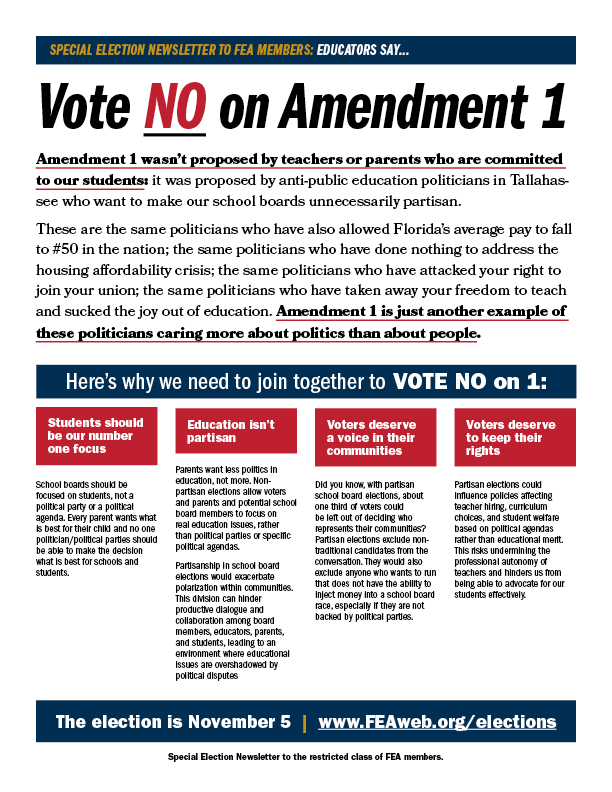
This comprehensive guide will walk you through everything you need to know about registering to vote and casting your ballot in Florida. We’ll cover eligibility criteria, necessary identification, various voting methods, and important deadlines, all while considering the unique lifestyle and travel patterns often associated with living in or visiting this vibrant state. From the bustling urban centers to the serene coastal communities, your vote helps shape the future of Florida, influencing policies that impact everything from tourism infrastructure to local cultural initiatives and environmental protections for iconic natural landmarks like Everglades National Park.
Establishing Your Eligibility: The First Step in Sunshine State Civic Engagement
Before you can cast your vote, the initial and most crucial step is to confirm your eligibility and successfully register. Florida’s voter registration process is designed to be straightforward, but understanding the specific criteria and deadlines is paramount. This ensures that every eligible voice can be heard, contributing to the fabric of local governance and state-wide decisions that resonate with the dynamic lifestyle Florida offers.
Who Can Vote in Florida? Citizenship, Age, and Residency Explained
To be eligible to vote in Florida, you must meet several fundamental requirements, consistent with most states in the United States:
- Citizenship: You must be a citizen of the United States. This is a non-negotiable requirement for all federal, state, and local elections.
- Age: You must be at least 18 years old. You can pre-register to vote at 16, but you must be 18 by Election Day to cast a ballot. This means that if you are planning a gap year before college and exploring Florida’s many attractions, you can still ensure your civic duty is on your to-do list for when you come of age.
- Residency: You must be a legal resident of Florida and of the county in which you register. The concept of residency can sometimes be a point of confusion, particularly for individuals who split their time between Florida and another state (often referred to as “snowbirds”) or those who have recently relocated. Generally, “legal resident” implies that Florida is your primary domicile – where you intend to return, have your driver’s license, register your vehicles, and conduct your primary business. This doesn’t preclude enjoying the myriad of Florida experiences, from exploring the vibrant Art Deco Historic District in Miami Beach to relaxing on the shores of Clearwater Beach; it just means your primary home base needs to be established within the state.
- Mental Capacity: You must not have been adjudicated mentally incapacitated with respect to voting in Florida or any other state, without having had your voting rights restored.
- Felony Convictions: You must not have been convicted of a felony without your voting rights having been restored. In Florida, significant reforms have taken place regarding felony disenfranchisement. Amendment 4, passed in 2018, automatically restored voting rights for most Florida felons upon completion of their sentences, including parole or probation, with the exception of those convicted of murder or felony sexual offenses. It’s crucial for individuals with felony convictions to confirm their eligibility with the Florida Department of State or their local Supervisor of Elections.
Understanding these criteria is your first step towards active participation, whether you’re settling into a retirement community in Naples, starting a new job in Tampa, or simply establishing your permanent home in this popular destination.
Voter Registration Deadlines and Why They Matter
Deadlines are non-negotiable in the world of elections. To vote in any given election in Florida, you must be registered at least 29 days before that election. This 29-day window is critical and applies to all elections, whether it’s a primary, general, or special election.
Why are these deadlines so important?
- Administrative Processing: The 29-day lead time allows the local Supervisor of Elections offices ample time to process new registrations, verify information, and update voter rolls. This administrative period is vital for ensuring accuracy and preventing issues on Election Day.
- Planning Your Participation: For residents with busy travel schedules, or those who frequently move between their Florida residence and other locations, knowing these deadlines far in advance allows for proper planning. If you’re attending an extended conference in Jacksonville or enjoying a long-term stay at a resort in Palm Beach, ensuring your registration is complete well before you might be preoccupied with travel is a smart strategy.
- Ensuring Ballot Access: Missing the registration deadline means you will not be able to vote in that particular election, regardless of how eligible you are otherwise. There are no exceptions for late registration.
It is always advisable to register as soon as you meet the eligibility requirements rather than waiting until the last minute. You can verify your voter registration status or find information about upcoming election deadlines by contacting your county’s Supervisor of Elections office or visiting the Florida Department of State website. Proactive registration is a key part of responsible civic engagement, ensuring your voice is ready to be heard when it matters most.
Navigating the Registration Process: Your Guide to Official Documentation
Once you’ve confirmed your eligibility, the next step is to actually register to vote. Florida provides multiple convenient avenues for registration, catering to diverse lifestyles and preferences, whether you prefer the ease of online forms or the personal touch of in-person assistance. Regardless of the method, certain pieces of documentation and information are universally required to ensure the integrity of the electoral roll.
Essential Identification for Registration
When you register to vote in Florida, you’ll need to provide specific identifying information. While you typically won’t need to present physical ID during the initial registration process itself (unless registering in person at a specific agency), you will need to provide:
- Florida Driver’s License or Florida Identification Card Number: If you have one, this 12-digit number is crucial for electronic verification of your identity and residency. Having a Florida Driver’s License is often a strong indicator of established residency, a common step for those making Florida their permanent home after enjoying its attractions, from the thrills of Walt Disney World Resort to the historical charm of St. Augustine.
- Social Security Number (SSN): If you do not have a Florida Driver’s License or Florida Identification Card number, you must provide the last four digits of your Social Security Number. This serves as an alternative form of identification for federal voter registration purposes, allowing for cross-referencing with other state and federal databases.
These identifiers help ensure that each voter is unique and eligible, protecting against duplicate registrations or fraudulent activities. It’s important to provide accurate information to avoid any delays or issues with your registration.
Where and How to Register: Options for Every Florida Lifestyle
Florida offers several convenient ways to register to vote, accommodating different preferences and access levels.
- Online Registration: For the tech-savvy individual or busy professional, registering online is arguably the easiest and quickest method. The Florida Online Voter Registration System allows you to submit your application electronically, provided you have a valid Florida Driver’s License or Florida Identification Card. This is a perfect option for those managing their lives remotely, perhaps from a beautiful vacation villa or a hotel suite in Fort Lauderdale, integrating civic duty seamlessly into their digital lifestyle.
- Mail-In Registration: You can download the Florida Voter Registration Application from the Florida Department of State website, print it, fill it out, and mail it to your county Supervisor of Elections office. This method is convenient for those who prefer physical forms or don’t have a Florida Driver’s License or Florida Identification Card for online registration. Just be mindful of postal delivery times, especially as deadlines approach.
- In-Person Registration: Various state agencies are designated voter registration sites, making it easy to register while conducting other business:
- Florida Department of Highway Safety and Motor Vehicles (DHSMV): When applying for or renewing your Florida Driver’s License or ID card, you will be offered the opportunity to register to vote. This is often the first point of contact for new Florida residents.
- Public Libraries: Most public libraries across Florida (e.g., in Gainesville or Tallahassee) have voter registration applications available and can often assist with basic questions.
- Offices of the Supervisor of Elections: Each county has a Supervisor of Elections office, which is an excellent resource for all voter-related matters. You can register there directly and get personalized assistance.
- Other State Agencies: Certain state agencies providing public assistance or services to persons with disabilities are also required to offer voter registration services.
- Armed Forces Recruitment Offices: Military personnel and their families can register at these offices.
Choosing the right method depends on your personal circumstances. The key is to act proactively and confirm your registration before the crucial 29-day deadline. A confirmed registration ensures that your journey from a curious visitor or new resident to an engaged citizen of Florida is complete.
Understanding Your Voting Options: Convenience for Every Lifestyle
Once you are registered, Florida offers several convenient methods for casting your ballot, designed to accommodate the varied schedules and preferences of its diverse population. Whether you’re a busy professional, a seasonal resident, or simply prefer flexibility, you have options to ensure your vote is counted.
Voting by Mail: The Absentee Ballot for Florida’s Mobile Citizens
Voting by mail, often referred to as absentee voting, is a highly popular option in Florida due to its convenience. This method is particularly beneficial for:
- Seasonal Residents (“Snowbirds”): Many individuals who spend part of the year in Florida and part elsewhere can easily request a mail-in ballot to be sent to their non-Florida address, ensuring their participation even if they are out of state during Election Day.
- Travelers and Business Stays: If your job requires frequent travel, perhaps to conferences in Miami or business trips out of state, or you’re enjoying an extended vacation at a tranquil villa on Amelia Island, a mail-in ballot ensures you don’t miss the opportunity to vote.
- Individuals Prioritizing Convenience: Even if you’re a full-time resident, the ease of filling out your ballot at home, researching candidates, and mailing it back can be appealing, eliminating the need to visit a polling place.
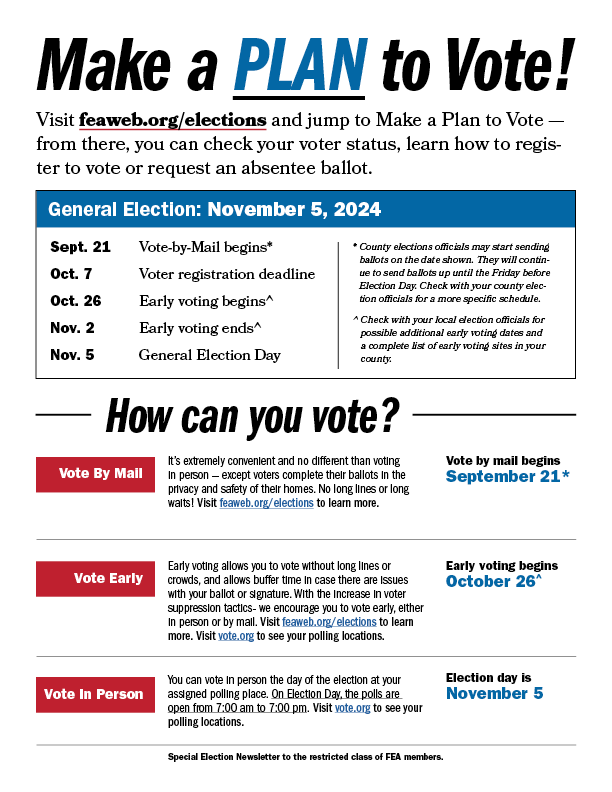
How to Request a Vote-by-Mail Ballot:
You must request a vote-by-mail ballot from your county Supervisor of Elections office. This request can be made online, by phone, by mail, or in person. Requests are typically valid for two general election cycles. It’s crucial to make your request well in advance of the election to ensure you receive your ballot in time to return it by the deadline (7:00 PM on Election Day). Remember to follow all instructions carefully, especially regarding signature matching, as discrepancies can lead to your ballot not being counted.
Early In-Person Voting: Flexible Schedules for Active Lifestyles
For those who prefer the tangible experience of voting in person but need more flexibility than Election Day offers, Florida’s early in-person voting is an excellent option.
- Extended Period: Early voting typically begins 10 to 15 days before Election Day and usually runs through the Saturday or Sunday preceding Election Day. The exact dates and hours vary by county, so it’s always best to check with your local Supervisor of Elections.
- Dedicated Polling Places: Unlike Election Day, where you must vote at your assigned precinct, during early voting, you can vote at any designated early voting site within your county. This flexibility is a boon for residents who might be commuting for work, enjoying the amenities of Universal Orlando Resort, or simply have a packed schedule that makes visiting a specific precinct challenging.
- Reduced Crowds: Early voting sites often experience fewer crowds than traditional Election Day precincts, leading to shorter wait times and a more relaxed voting experience.
When voting early in person, you will need to present a valid photo and signature identification, similar to Election Day voting. This option combines the security of in-person voting with the convenience needed for Florida’s active residents and visitors.
Election Day Voting: The Traditional Approach
The most traditional method is voting at your assigned precinct on Election Day. This is a time-honored tradition for many and provides a sense of community participation.
- Assigned Precinct: On Election Day, you must vote at the specific polling place assigned to your residential address. Your voter information card, which you receive upon registration, will list your precinct number and polling location. This information can also be found on your county Supervisor of Elections website.
- Hours of Operation: Polling places in Florida are open from 7:00 AM to 7:00 PM on Election Day. As long as you are in line by 7:00 PM, you will be allowed to cast your ballot.
- Community Engagement: For many, Election Day voting is a civic ritual, a chance to engage with neighbors and participate directly in the democratic process. Local polling places, often schools or community centers, become hubs of civic activity.
Choosing the voting method that best suits your lifestyle in Florida is part of ensuring your civic duty is fulfilled seamlessly. Whether it’s the flexibility of mail-in ballots, the convenience of early voting, or the tradition of Election Day, Florida ensures pathways for all eligible citizens to participate.
What to Bring on Election Day: Ensuring a Smooth Voting Experience
Regardless of whether you choose early in-person voting or Election Day voting, presenting proper identification is a mandatory step to cast your ballot. This measure is in place to protect the integrity of the election process and confirm that the person voting is the registered voter.
Required Photo and Signature Identification
When you arrive at a polling place in Florida, you will be asked to present a current and valid form of identification that includes both your photo and your signature. Acceptable forms of ID include:
- Florida Driver’s License
- Florida Identification Card
- United States Passport
- Debit or Credit Card
- Military ID
- Student ID (from a Florida college or university)
- Retirement Center ID
- Neighborhood Association ID
- Public Assistance ID
- Veteran Health ID Card (VHIC)
- License to Carry a Concealed Weapon or Firearm
- Employee ID Card issued by any branch, department, agency, or entity of the federal government, the state, a county, or a municipality.
If your photo ID does not include your signature, you will be required to provide an additional form of identification that does include your signature. For example, if you have a photo ID but no signature, and a debit card with your signature, presenting both would satisfy the requirement. Always ensure your ID is up-to-date and clearly legible to avoid any last-minute complications that could disrupt your voting experience, especially if you’re traveling from another part of Florida or juggling other commitments, like a visit to Kennedy Space Center Visitor Complex or a meeting in Tallahassee.
Provisional Ballots: When Your ID Isn’t Enough (and How to Cure It)
What happens if you arrive at the polls without the required identification or if there’s an issue with your voter registration status? Florida law provides for the use of a provisional ballot.
- Casting a Provisional Ballot: If you do not have the proper identification, or if your eligibility is challenged for other reasons (e.g., your name isn’t on the voter roll, but you believe you are registered), you have the right to cast a provisional ballot. This ballot is set aside and not immediately counted.
- The “Curing” Process: For a provisional ballot to be counted, you must “cure” it. This means you must present the required identification (or proof of eligibility) to your county Supervisor of Elections office by 5:00 PM on the second day following the election (Thursday after a Tuesday election). If the issue was lack of proper ID, simply bringing a valid photo and signature ID will suffice. If the issue was related to your registration, you might need to provide proof of your eligibility.
It is crucial to follow up if you cast a provisional ballot. The Supervisor of Elections office will provide you with specific instructions on how to cure your ballot. While it requires an extra step, the provisional ballot system ensures that eligible citizens are not disenfranchised due to an oversight or an administrative error, reflecting Florida’s commitment to broad civic participation.
The Broader Impact: Why Your Florida Vote Matters to Travel and Lifestyle
Voting in Florida is more than just a civic duty; it’s an opportunity to directly shape the environment, economy, and culture of a state renowned for its diverse attractions and vibrant lifestyle. For residents and those who frequently engage with Florida through travel, tourism, or extended stays, understanding the tangible impact of local and state elections is vital. Every ballot cast contributes to decisions that touch every aspect of life in this dynamic destination.
Shaping Local Policies and Infrastructure
The individuals elected to office, from city council members in Orlando to state legislators in Tallahassee, make decisions that profoundly influence daily life and the state’s appeal. Your vote helps determine:
- Tourism Funding and Development: Florida’s economy heavily relies on tourism. Local elections can impact funding for tourism promotion, development of new attractions (beyond the global draws of Walt Disney World Resort and Universal Orlando Resort), and the maintenance of public spaces crucial for visitors, like beaches in Panama City Beach or parks in Tampa. Decisions on zoning, permits for new hotels, and infrastructure projects like public transportation directly affect the traveler’s experience and the local tourism industry.
- Environmental Protection: Florida is celebrated for its stunning natural beauty, from the coral reefs of Key West to the springs of Central Florida. Elected officials play a critical role in environmental policy, land use, conservation efforts for vulnerable ecosystems, and regulations affecting water quality and air pollution. These decisions directly impact the pristine nature that draws millions of tourists and residents alike.
- Infrastructure and Quality of Life: Roads, bridges, public safety services, education, and healthcare are all funded and managed through state and local government. Improved infrastructure makes travel smoother, enhances safety, and contributes to the overall quality of life for residents, whether they’re enjoying cultural events in Gainesville or business opportunities in Jacksonville. Your vote directly influences the allocation of resources and priorities in these essential areas.
- Local Culture and Amenities: From funding for museums and art galleries to support for local festivals and community parks, local governments nurture the unique cultural identity of Florida’s cities and towns. These amenities enhance the lifestyle of residents and provide rich experiences for tourists seeking local culture and authentic activities beyond the major attractions.
A Voice in Your Temporary or Permanent Home
Whether Florida is your permanent residence or a temporary home for an extended stay, your participation in elections is a powerful way to assert your voice and influence the direction of your community.
- For Permanent Residents: Voting is the most direct way to advocate for your interests, choose leaders who align with your values, and hold elected officials accountable. It’s about investing in the future of the place you call home.
- For Those with Extended Stays: Even if your residency in Florida is part of a long-term stay or a seasonal rhythm, understanding and exercising your voting rights, once established, connects you deeply to the local community. It allows you to contribute to decisions that directly affect your experience, whether it’s the cleanliness of your local beach or the efficiency of local services. Civic participation transforms a visitor into an engaged member of the community, even if temporarily.
Ultimately, navigating the requirements to vote in Florida is an act of empowerment. It ensures that the collective vision for this dynamic state — from its world-class travel destinations and diverse accommodations to its natural wonders and vibrant lifestyle offerings — continues to evolve through the democratic will of its people. So, take the necessary steps, understand your options, and make your voice heard in the Sunshine State.
LifeOutOfTheBox is a participant in the Amazon Services LLC Associates Program, an affiliate advertising program designed to provide a means for sites to earn advertising fees by advertising and linking to Amazon.com. Amazon, the Amazon logo, AmazonSupply, and the AmazonSupply logo are trademarks of Amazon.com, Inc. or its affiliates. As an Amazon Associate we earn affiliate commissions from qualifying purchases.