
The year 2017 brought a formidable challenge to the state of Florida, a beloved destination known for its pristine beaches, vibrant cities, and world-class attractions. The hurricane that left an indelible mark on the Sunshine State was Hurricane Irma. A Category 5 storm in the Atlantic Ocean, Irma was one of the most powerful hurricanes on record to impact the region, making landfall in Florida twice as a major hurricane. Its passage triggered widespread evacuations, caused extensive damage, and significantly disrupted the lives of millions, including the state’s crucial tourism sector.
For travelers and those considering a visit, understanding the impact of such an event is vital. Florida’s resilience and its subsequent recovery efforts offer valuable insights into the robustness of its infrastructure, the spirit of its communities, and the ongoing appeal of its diverse offerings, from luxurious resorts to natural wonders. This article delves into the journey of Hurricane Irma through Florida, its immediate and lasting effects on travel and tourism, and how the state has not only recovered but continues to thrive as a premier global destination.
Hurricane Irma’s Unprecedented Impact on the Sunshine State
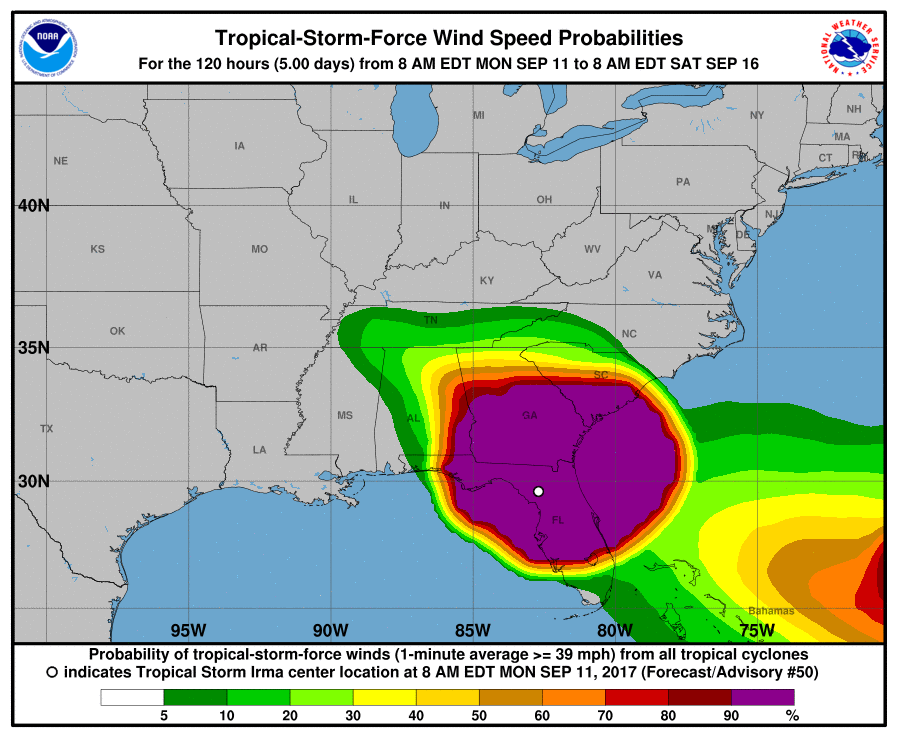
Hurricane Irma was a meteorological phenomenon of immense scale, carving a destructive path across the Caribbean before turning its sights on Florida. As it approached, the state braced for what experts warned could be one of its most catastrophic storms in decades. The sheer size and intensity of Irma meant that virtually no part of Florida was entirely safe from its reach, with impacts ranging from direct hurricane-force winds to widespread tropical storm conditions and significant storm surge.
The Path of Destruction: From the Keys to Jacksonville
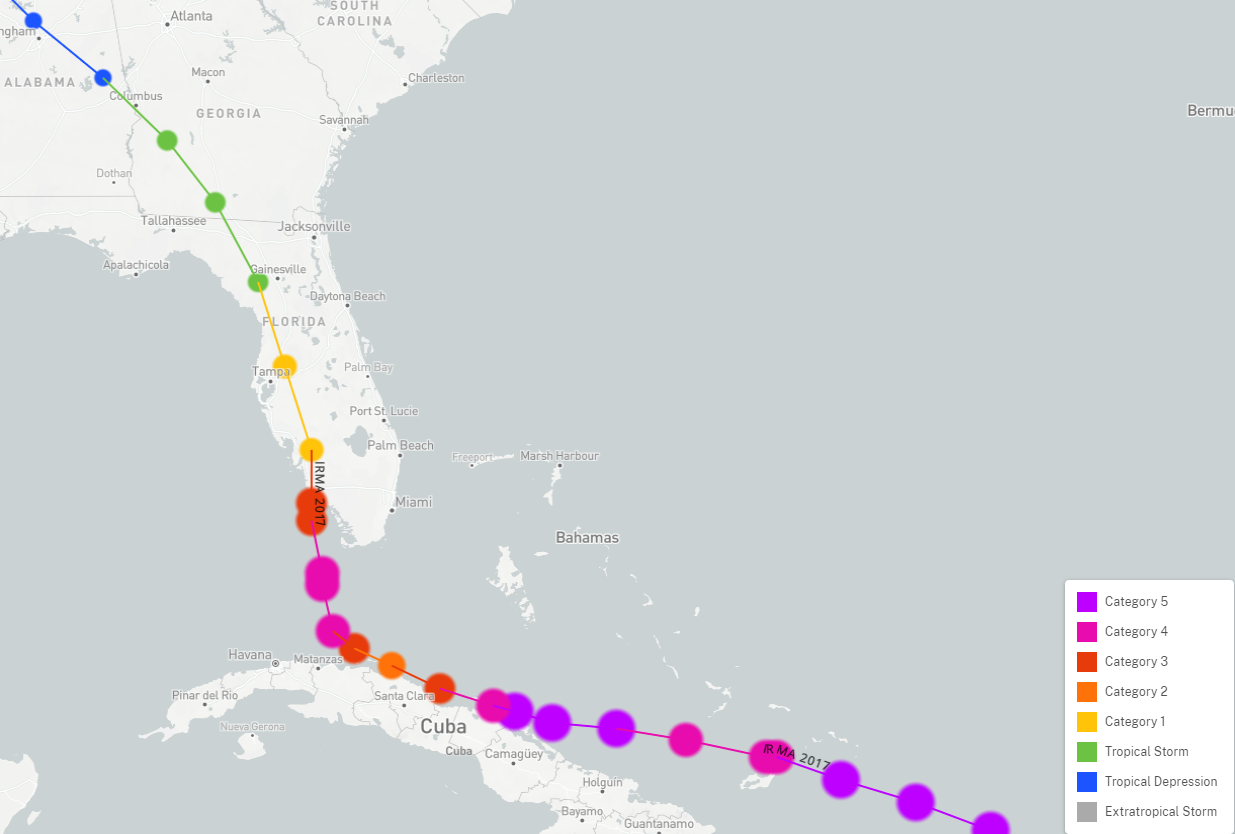
Irma first made landfall on September 10, 2017, in the Florida Keys as a Category 4 hurricane. The archipelago, particularly areas like Key West and Marathon, experienced immense devastation, with many homes and businesses severely damaged or destroyed. The iconic Overseas Highway, the lifeline connecting the islands, was compromised, isolating communities and complicating initial rescue and recovery efforts. The unique environment of the Keys, reliant on its natural beauty and marine life for tourism, faced a profound blow.
After traversing the Florida Keys, Irma tracked north along the Gulf Coast of Florida, making its second landfall near Naples, still as a major Category 3 hurricane. Southwest Florida bore the brunt of intense winds and storm surge, leading to significant flooding in coastal communities. As the storm continued its northward journey inland, it gradually weakened but still inflicted widespread damage across Central Florida, impacting major metropolitan areas like Tampa and Orlando. Even cities on the Atlantic side, such as Miami and Fort Lauderdale, experienced substantial flooding, power outages, and wind damage, particularly due to the massive extent of the storm’s wind field. Further north, the city of Jacksonville experienced historic flooding from the St. Johns River, a testament to the far-reaching impact of Irma’s storm surge and heavy rainfall.
Immediate Aftermath: Disruption to Daily Life and Infrastructure
The immediate aftermath of Hurricane Irma was characterized by massive power outages affecting millions, widespread flooding, and significant damage to homes and businesses across the state. Transportation networks were severely disrupted, with airports closed, roads blocked by debris or water, and major highways experiencing unprecedented congestion due to evacuations. Essential services, including water and communications, were intermittently offline, posing significant challenges for residents and emergency responders.
The Florida Department of Emergency Management and agencies like FEMA quickly mobilized, coordinating vast recovery efforts. These initial weeks were critical for search and rescue, restoring power, clearing roads, and providing humanitarian aid. For the tourism industry, this meant an immediate halt to operations, with many hotels closing their doors, attractions ceasing operations, and travel plans cancelled en masse. The state, for a brief period, shifted its focus entirely from welcoming visitors to ensuring the safety and recovery of its residents.
Florida’s Tourism and Accommodation Sector: A Test of Resilience
Florida’s economy is heavily reliant on tourism, a sector that contributes billions of dollars annually and supports countless jobs. When Hurricane Irma struck, it posed an existential threat to this vital industry. However, the response from businesses, local communities, and state government demonstrated remarkable resilience and a collective commitment to rebuilding and reopening.
Hotels and Resorts: From Evacuation Hubs to Rebuilding Sites
In the days leading up to Irma’s arrival, many hotels and resorts transformed from luxurious escapes into temporary shelters for evacuees or closed entirely to protect staff and property. Properties in mandatory evacuation zones, particularly across the Florida Keys, Southwest Florida, and coastal Miami, suffered the most direct damage. Reports emerged of extensive flooding, roof damage, and structural issues, requiring significant investments in repair and renovation.
However, the recovery was swift and determined. Hoteliers, often with the support of insurance and government aid, initiated comprehensive rebuilding programs. Many used the opportunity not just to repair but to upgrade facilities, incorporating new amenities and more resilient construction practices. Within months, many properties were back online, and within a year, the vast majority had fully reopened, some even better than before. The ability of these accommodations to bounce back quickly was crucial, not only for re-attracting tourists but also for housing displaced residents and recovery workers in the interim. The hospitality industry played a central role in the state’s overall recovery narrative, showcasing its adaptability and commitment to service.
Iconic Attractions and Landmarks: Assessing and Recovering
Florida is home to some of the world’s most famous tourist attractions and natural landmarks. The impact of Hurricane Irma on these sites was varied but generally manageable. Theme parks in Orlando, such as Walt Disney World Resort and Universal Orlando Resort, closed for a few days as a precautionary measure, marking only the sixth time in history for Disney World. However, due to robust storm preparation and inland location, they sustained minimal damage and reopened quickly, providing a sense of normalcy and entertainment for returning residents and visitors.
Natural landmarks, especially coastal areas and national parks, faced more significant challenges. Everglades National Park, a vast subtropical wilderness, experienced considerable wind damage to its unique ecosystem and suffered facility damage, leading to prolonged closures in some sections. Beaches across both the Gulf and Atlantic coasts endured erosion and debris, necessitating extensive clean-up efforts. Yet, the state’s commitment to preserving these natural treasures, which are vital for eco-tourism, meant that resources were quickly allocated for their restoration, ensuring their continued appeal to nature lovers and adventurers.
The Role of Travel and Tourism in Recovery Efforts
Beyond the immediate economic impact, the tourism industry played a significant role in Florida’s broader recovery. The rapid reopening of hotels and attractions sent a powerful message of resilience to the world, reassuring potential visitors that Florida was open for business. Moreover, the industry’s return to normalcy provided much-needed jobs for residents affected by the storm and generated tax revenues essential for rebuilding infrastructure and funding community services.
Marketing campaigns, often spearheaded by Visit Florida, the state’s official tourism marketing corporation, pivoted from promotion to reassurance, highlighting the state’s recovery and the readiness of its attractions. These efforts were critical in dispelling misconceptions about widespread, long-term devastation and in encouraging travelers to return, thereby bolstering the local economies that needed it most. The spirit of community and collaboration between government, private businesses, and residents during this challenging period was a testament to the interconnectedness of Florida’s social and economic fabric.
Navigating Future Travel: Preparedness and Continued Appeal
The experience of Hurricane Irma undoubtedly heightened awareness among both residents and visitors about the realities of hurricane season in Florida. However, it also underscored the state’s preparedness, robust emergency response systems, and remarkable capacity for recovery. For travelers planning future trips, especially during the peak hurricane months of August to October, a few key considerations can enhance safety and peace of mind.
Essential Tips for Visiting Florida During Hurricane Season
- Stay Informed: Monitor weather forecasts from reliable sources like the National Hurricane Center. Many hotels and resorts have well-established protocols for guests during severe weather events.
- Travel Insurance: Consider purchasing comprehensive travel insurance that covers trip cancellations, delays, and medical emergencies due to hurricanes. This can offer financial protection if your plans are disrupted.
- Flexible Bookings: Opt for flexible booking options or refundable rates for flights and accommodations, allowing you to adjust plans without penalty if a storm threat emerges.
- Emergency Kit (for long stays): For longer stays or those renting private accommodations, consider assembling a small emergency kit with essentials like a flashlight, first-aid supplies, and any necessary medications.
- Know Your Evacuation Zone: Familiarize yourself with the evacuation zones for your destination. Local government websites provide detailed information.
- Connect with Accommodation Providers: Before and during your trip, maintain communication with your hotel or resort for updates on their specific hurricane preparedness plans and any operational changes.
Discovering the Revitalized Sunshine State
Today, Florida stands as a testament to resilience. The scars of Hurricane Irma have largely healed, and the state continues to invest in infrastructure and preparedness to mitigate the impact of future storms. The Florida Keys have rebuilt stronger and more vibrant than ever, welcoming visitors to its unique laid-back lifestyle and stunning marine environments. Miami thrives as a global cultural hub, Orlando’s theme parks continually innovate, and the beaches from Clearwater to South Beach remain as alluring as ever.
The emphasis on sustainable tourism and environmental protection has also gained renewed focus, ensuring that Florida’s natural beauty—from the pristine waters of the Gulf of Mexico to the vast expanse of Lake Okeechobee and the unique ecosystems within its state parks—remains a draw for generations to come. Travelers can confidently explore the diverse regions, indulge in luxurious stays, discover local cultures, and embark on unforgettable adventures, knowing that the state is well-prepared and eager to welcome them.

The Enduring Spirit of Florida
Hurricane Irma in 2017 was a significant event for Florida, but it ultimately highlighted the state’s remarkable capacity for recovery and its unwavering appeal as a travel destination. The collective efforts of its residents, businesses, and government agencies ensured that the impact, though severe, was temporary for much of its critical infrastructure and tourism offerings.
For those pondering a visit, Florida continues to offer an unparalleled array of experiences. Whether seeking the thrill of world-class theme parks, the tranquility of a beachside resort, the cultural richness of its cities, or the natural wonder of its wild landscapes, the Sunshine State remains a top choice. Its ability to overcome adversity and emerge stronger is a testament to the enduring spirit of Florida, ready to welcome travelers with open arms and unforgettable memories, regardless of the challenges it has faced.
LifeOutOfTheBox is a participant in the Amazon Services LLC Associates Program, an affiliate advertising program designed to provide a means for sites to earn advertising fees by advertising and linking to Amazon.com. Amazon, the Amazon logo, AmazonSupply, and the AmazonSupply logo are trademarks of Amazon.com, Inc. or its affiliates. As an Amazon Associate we earn affiliate commissions from qualifying purchases.