
Florida, often dubbed the “Sunshine State,” is a premier destination for travelers seeking pristine beaches, world-class theme parks, vibrant nightlife, and a relaxed lifestyle. From the enchanting shores of the Florida Keys to the thrilling attractions of Orlando and the cultural richness of Miami, the state offers an unparalleled array of experiences. For those planning a vacation, considering a long-term stay, or even contemplating relocation, understanding the local tax structure is crucial. While Florida is renowned for its lack of a state income tax, several other taxes significantly impact the cost of travel, accommodation, and daily living. This comprehensive guide will break down Florida’s tax rates, offering insights relevant to tourists, residents, and anyone looking to experience all that this beautiful state has to offer.
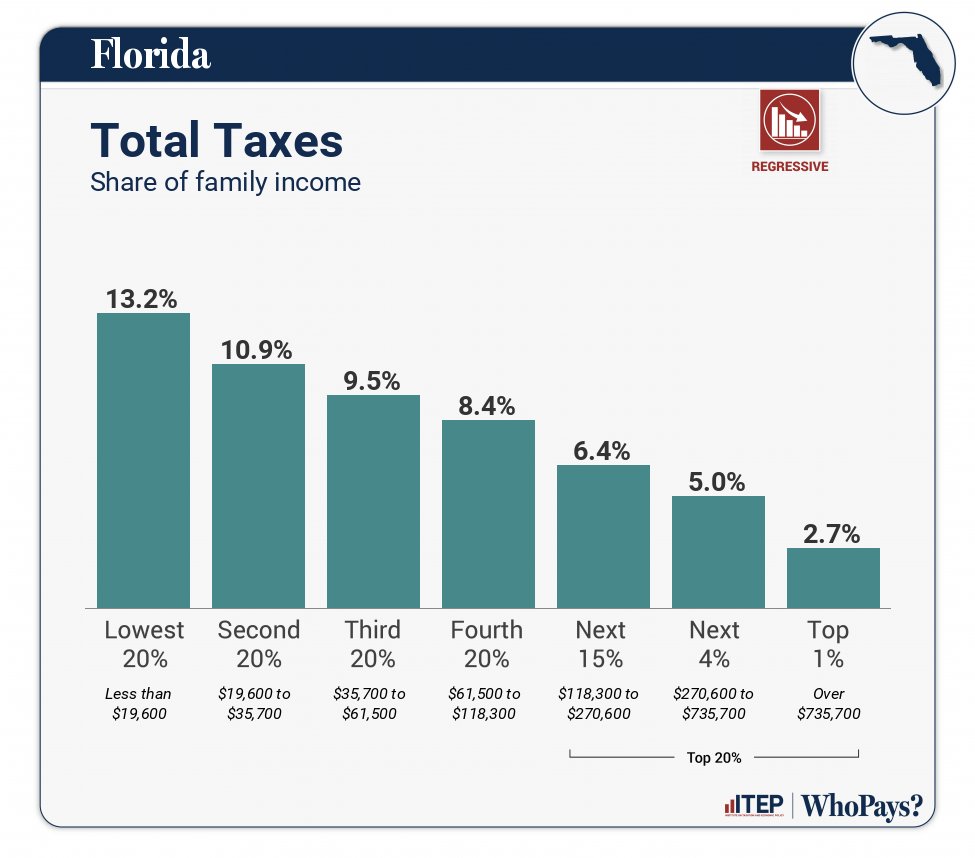
Understanding Florida’s Tax Landscape for Visitors and Residents
Florida’s tax policies are designed to attract both visitors and new residents, often highlighting the absence of a state income tax. However, the state utilizes other revenue streams, primarily sales tax, property tax, and specific tourism-related levies, to fund its public services and infrastructure. Navigating these taxes effectively can help you budget for your dream vacation or make informed decisions about your future lifestyle in Florida.
No State Income Tax: A Major Draw
One of the most significant financial advantages of living or establishing residency in Florida is the complete absence of a state income tax. This means individuals and businesses do not pay a percentage of their earnings to the state government, unlike in many other states such as New York or California. For residents, this translates into more disposable income, making Florida an attractive option for retirees, entrepreneurs, and anyone looking to maximize their take-home pay. For visitors, while this doesn’t directly impact their vacation spending on goods and services, it contributes to the overall economic environment that supports the tourism industry, indirectly influencing pricing and the availability of amenities. This no-income-tax policy is a cornerstone of Florida’s appeal, fostering a robust economy that thrives on both tourism and new residents.
Florida Sales Tax: What You’ll Pay on Goods and Services
While personal income tax is non-existent, the Florida sales tax is a fundamental component of the state’s revenue. The statewide sales tax rate is 6%. This tax applies to most goods, services, and transactions, including retail purchases, restaurant meals, admission tickets to attractions, and certain services. However, it’s important to note that many counties impose an additional local option sales tax, often referred to as a “discretionary sales surtax.” This local tax varies by county, typically ranging from 0.5% to 1.5%.
For example, if you’re shopping for souvenirs in Tampa, you might pay a total sales tax of 7.5% (6% state + 1.5% Hillsborough County). In Miami-Dade County, the combined sales tax rate is 7% (6% state + 1% county). This means that whether you’re buying groceries for a long-term stay in an apartment rental, purchasing tickets to Walt Disney World Resort in Lake Buena Vista, or enjoying a meal in South Beach, the final price will include this sales tax. Certain essential items, such as most groceries (unprepared food), prescription medicines, and some medical services, are exempt from sales tax, which provides some relief for everyday living costs. Understanding these varying rates is crucial for budgeting, especially if you plan to travel across different counties.
Tourist Development Tax: The “Hotel Tax”
One of the most significant taxes for visitors to Florida is the Tourist Development Tax (TDT), often called the “bed tax,” “resort tax,” or “hotel tax.” This tax is levied on the rental of any living quarters or accommodations, whether it’s a room in a hotel, motel, resort, villa, or even a short-term vacation rental through platforms like Airbnb or VRBO. The purpose of this tax is to fund tourism promotion, beach renourishment, and tourism-related infrastructure projects, directly benefiting the local tourism industry.
The TDT rate is determined by each county and can range from 2% to 6%, imposed on top of the state and local option sales tax. For instance, in Orange County, home to many of Orlando’s major attractions, the TDT is 6%. So, if you book a hotel room in Orlando, you’ll pay the 6% state sales tax, a 0.5% local option sales tax, and an additional 6% TDT, totaling 12.5% on your accommodation bill. In Pinellas County, which includes popular destinations like St. Pete Beach and Clearwater Beach, the TDT is 6%.
This tax significantly impacts the total cost of your stay, especially for longer vacations or luxurious accommodations. When comparing prices for suites or apartments, always factor in this additional percentage to get an accurate understanding of the final cost. Many online booking platforms and travel guides will include these taxes in the final price shown, but it’s always wise to double-check the breakdown.
Property Taxes: For Homeowners and Long-Term Stays
While primarily relevant to property owners, property taxes in Florida can also indirectly affect those on long-term stays or considering purchasing vacation homes. Property taxes are assessed at the local level (county, city, and special districts) based on the assessed value of the property. Florida uses a “millage rate” system, where one mill equals $1 per $1,000 of assessed property value. These rates vary significantly by location and can fluctuate annually.
For homeowners, Florida offers several exemptions, most notably the Homestead Exemption, which reduces the taxable value of a primary residence by up to $50,000. Additionally, the “Save Our Homes” amendment caps the annual increase in assessed value for homesteaded properties at 3% or the change in the Consumer Price Index, whichever is lower, preventing dramatic spikes in property tax bills.
For visitors considering an extended stay in a rented vacation home or apartment, property taxes are typically rolled into the rental cost by the owner. However, if you’re exploring the possibility of purchasing a second home or an investment property, understanding the specific millage rates in areas like Naples, Sarasota, or Fort Lauderdale is essential for long-term financial planning. The value of properties can vary wildly, from cozy villas near Siesta Key Beach to sprawling estates in Palm Beach, directly impacting the property tax burden.
Other Taxes Affecting Your Florida Experience
Beyond the major taxes, a few other levies can affect your budget while exploring Florida:
- Gas Tax: When fueling up for a road trip across the United States or a scenic drive down the Florida Keys Scenic Highway, you’ll pay both state and federal taxes on gasoline. The state gas tax is a fixed amount per gallon, which contributes to road maintenance and infrastructure.
- Rental Car Surcharge: If you’re flying into Orlando International Airport or Miami International Airport and renting a car to explore the state’s many landmarks, be aware of the daily rental car surcharge. Florida imposes a $2.00 per day surcharge on all rental car agreements lasting 30 days or less. This fee is in addition to sales tax and any other rental charges.
- Admissions and Entertainment Taxes: While covered by general sales tax, some specific events or venues might have additional local surcharges for admissions, especially for large concerts, sporting events, or certain attractions. It’s always good to check the fine print when booking tickets.
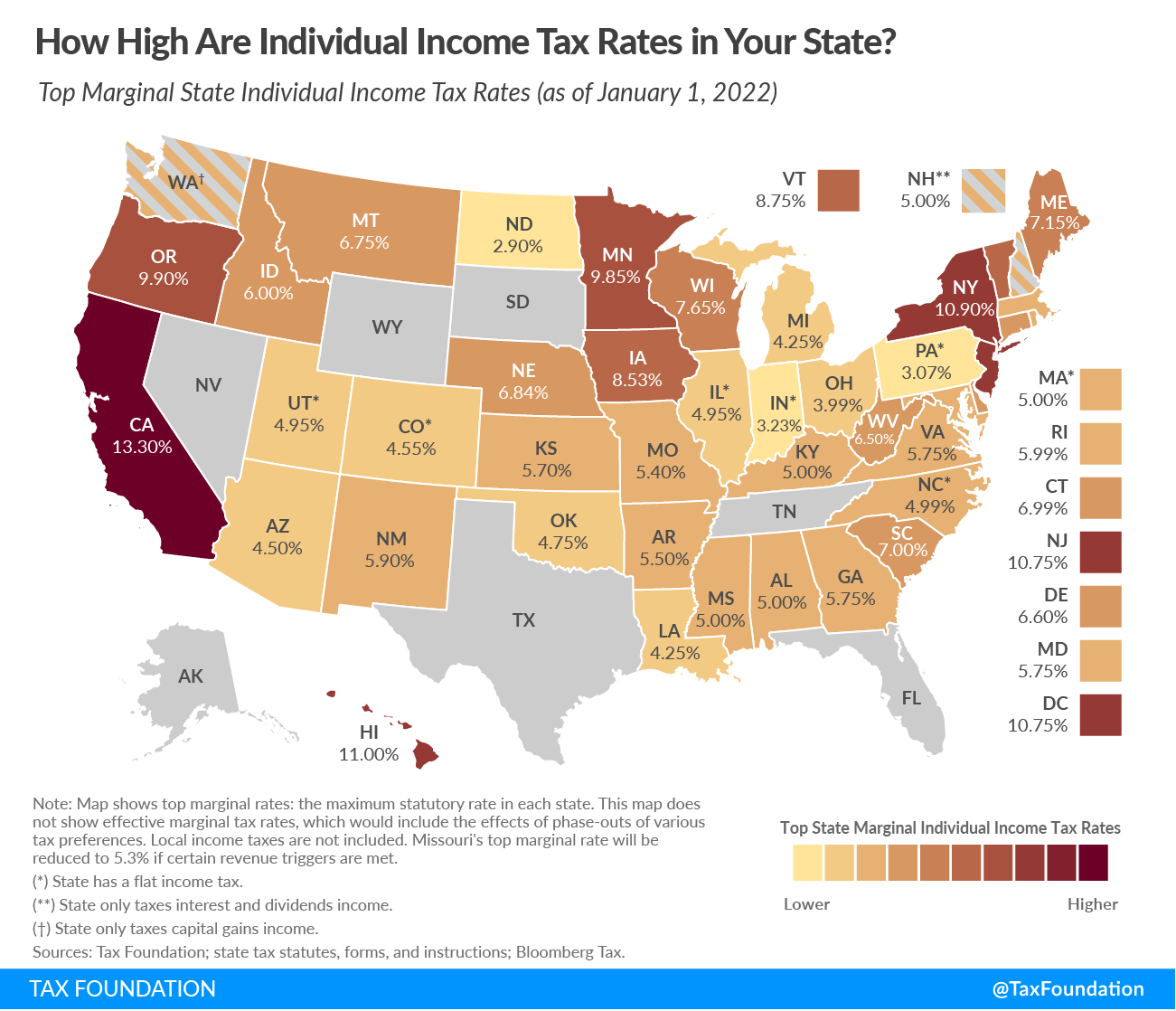
How Florida’s Tax Structure Influences Travel and Lifestyle Choices
Florida’s unique tax landscape significantly shapes how visitors plan their trips and how residents experience daily life. Its appeal as a no-income-tax state attracts a diverse demographic, from families on vacation to high-net-worth individuals seeking a favorable financial environment.
Budgeting for Your Florida Vacation
For travelers, the most impactful taxes are the sales tax and the tourist development tax. These directly increase the cost of lodging, dining, shopping, and entertainment. When planning a trip to a major tourism hub like Universal Orlando Resort or SeaWorld Orlando, factor in that your hotel bill will likely have an additional 12-13% tacked on due to these combined taxes. Similarly, a $100 souvenir purchase will cost $106-$107.50 depending on the county’s sales tax.
Understanding these rates helps in accurate budget travel planning. If you’re conscious of costs, you might consider booking accommodations in counties with slightly lower TDT rates if available, or opting for vacation rentals that include all taxes in their upfront pricing. Dining out frequently can also add up, so balancing restaurant meals with self-catering if you have access to a kitchen can be a smart strategy. Overall, Florida offers a fantastic array of experiences, but being tax-aware ensures no unpleasant surprises on your final bill.
Considering Relocation or Extended Stays
The absence of a state income tax is a primary driver for many individuals and businesses considering a move to Florida. This benefit extends beyond just salaries, influencing retirement planning, investment strategies, and estate planning. For those contemplating extended long-term stay options, perhaps renting an apartment for several months to escape colder climates, the sales tax and property tax considerations become more pronounced. You’ll be paying sales tax on most everyday purchases, but without the burden of state income tax.
Property taxes, while significant, are often offset by the overall tax savings for high earners moving from states with high income taxes. The “Save Our Homes” amendment provides long-term stability for primary residents, making homeownership more predictable. For individuals seeking a lifestyle change, Florida’s tax policies, combined with its favorable climate and diverse local culture, present a compelling package. It’s not just about the sunshine; it’s also about the financial sunshine provided by the tax structure.
The Impact on Luxury and Budget Travel
Florida’s tax rates cater to both luxury travel and budget-conscious adventurers. High-end travelers enjoying luxury resorts or exclusive villas will find that the fixed percentage-based taxes mean their absolute tax payments will be higher. A week-long stay at a five-star Hyatt property in Boca Raton will incur a substantial TDT and sales tax bill. However, for those who value amenities and top-tier service, the overall value proposition of Florida’s offerings often outweighs the tax implications.
For budget travelers, understanding the tax rates becomes even more critical for effective comparison and decision-making. Choosing accommodations slightly outside major tourist zones might lead to lower TDT rates or more affordable options overall. Opting for self-catering facilities instead of constant restaurant dining can reduce sales tax on meals. Exploring free attractions like beaches or state parks rather than constantly paying for ticketed entry can also help manage costs. Even with taxes, Florida remains accessible for various budgets, especially if smart planning is employed.
Maximizing Your Florida Experience While Understanding Taxes
A trip to Florida should be about creating unforgettable memories, not stressing over hidden costs. By being informed about the state’s tax structure, you can make smarter choices and ensure your budget goes further, whether you’re here for a quick getaway or an extended stay.
Tips for Smart Spending
- Factor in Taxes from the Start: When researching hotels, accommodations, or rental cars, always look for the “total price” which includes all taxes and fees. Many booking sites now show this upfront.
- Compare County Tax Rates: If flexibility allows, research the combined sales and tourist development tax rates in different counties or cities. For instance, staying slightly outside of Miami Beach might offer a lower combined tax rate, or at least more affordable base prices, compensating for similar tax percentages.
- Utilize Tax-Exempt Purchases: Remember that most unprepared food items are exempt from sales tax. Stocking up on groceries for snacks and some meals can lead to significant savings over time compared to dining out exclusively.
- Loyalty Programs and Discounts: Take advantage of loyalty programs for hotels or airlines, and look for bundles or discounts on attractions and activities. While these don’t reduce the tax rate, they lower the pre-tax cost, thus reducing the total tax amount.
- Be Aware of Resort Fees: Beyond taxes, many hotels and resorts, especially in popular destinations like Orlando and South Florida, charge mandatory “resort fees” that cover amenities like Wi-Fi, fitness center access, or local calls. These are typically not included in the room rate and are also subject to sales and TDT taxes. Always inquire about these extra fees.
Exploring Tax-Friendly Destinations
While the state sales tax is uniform, local option sales taxes and tourist development taxes vary. Popular tourism hotspots tend to have higher TDT rates because they rely heavily on tourist-generated revenue to fund their infrastructure and marketing. Areas like Kissimmee or St. Augustine, while incredibly popular, will have specific rates that contribute to their robust tourism ecosystem.
If you’re looking for a slightly different experience, exploring less-trafficked regions might offer a break in some costs, though the primary taxes remain. For example, while cities like Jacksonville or inland towns might have lower overall accommodation prices, the underlying state sales tax remains constant. However, the cumulative effect of lower base prices, potentially lower TDT rates, and perhaps less expensive dining can make a difference for long trips. Focusing on destinations with ample free activities and natural landmarks like the Everglades National Park or various state parks can help mitigate overall costs regardless of tax rates.

The Broader Economic Impact and Future Outlook
Florida’s tax structure is a key component of its economic strategy. The absence of a state income tax is a powerful magnet for businesses and individuals, fostering a dynamic economy. The revenue generated from sales tax, property tax, and particularly the tourist development tax, is crucial for maintaining the state’s infrastructure, supporting local communities, and continuously investing in the attractions and services that draw millions of visitors annually. This sustainable funding model helps maintain the quality of Florida’s beaches, parks, roads, and world-class amenities.
As Florida continues to grow in popularity, both as a travel destination and a place to live, discussions around tax policy will undoubtedly evolve. However, the core principles of low individual income tax burden and reliance on consumption-based taxes are likely to remain central to the state’s economic identity. For anyone engaging with Florida, whether for leisure, business stays, or permanent relocation, understanding these tax rates provides a clearer picture of the financial landscape and helps in making informed decisions to truly enjoy everything the Sunshine State has to offer.
LifeOutOfTheBox is a participant in the Amazon Services LLC Associates Program, an affiliate advertising program designed to provide a means for sites to earn advertising fees by advertising and linking to Amazon.com. Amazon, the Amazon logo, AmazonSupply, and the AmazonSupply logo are trademarks of Amazon.com, Inc. or its affiliates. As an Amazon Associate we earn affiliate commissions from qualifying purchases.