
Planning a trip to the Sunshine State often involves dreaming of sun-drenched beaches, exhilarating theme parks, and vibrant cityscapes. From the magical realms of Orlando to the pulsing rhythms of Miami and the serene beauty of the Florida Keys, Florida offers an unparalleled array of experiences for travelers of all ages. However, as with any destination, understanding the local laws and regulations is paramount for a smooth and enjoyable visit. One crucial aspect that often sparks questions, particularly for families and young adult travelers, revolves around the various legal ages that govern activities, services, and responsibilities within the state.
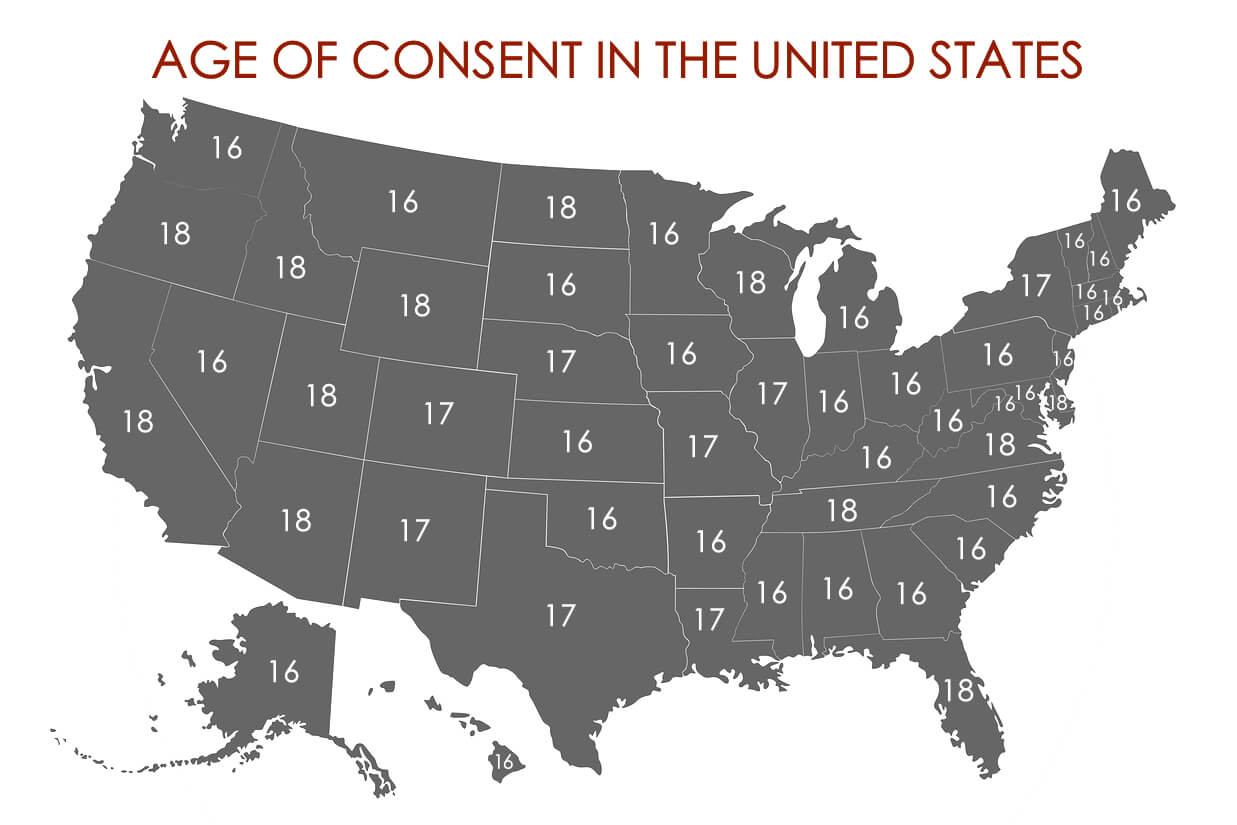
While the term “legal age of consent” most commonly refers to the age at which an individual can legally agree to sexual activity, it also broadly encompasses the age at which a person is considered legally capable of entering into contracts, making independent decisions, and partaking in certain activities without parental permission. In the context of travel, accommodation, and general tourism, understanding these age-related legal frameworks is vital. This article delves into the nuances of Florida’s legal age requirements, interpreting them through the lens of travel and lifestyle, to help you navigate your journey through this popular United States destination with confidence and compliance.
Understanding Florida’s Age of Majority and Legal Capacity
Florida’s legal landscape, like that of many states, defines various ages for different levels of responsibility and capability. These ages dictate everything from voting rights to the ability to book a hotel room, and understanding them is key to a hassle-free travel experience, especially for those venturing beyond the traditional family trip.
The Baseline: Age 18 and Legal Adulthood
In Florida, the age of majority is 18 years old. At this pivotal age, an individual is legally recognized as an adult. This means they gain a host of rights and responsibilities, including:
- The Right to Vote: Eligible citizens can register to vote in state and federal elections.
- The Ability to Enter into Contracts: This is particularly relevant for travelers. An 18-year-old can sign leases, service agreements, and financial contracts, which is crucial for things like renting apartments, signing up for long-term accommodations, or even booking certain travel packages independently.
- The Right to Purchase Firearms: With certain restrictions and background checks.
- The Ability to File Lawsuits: And be sued in a court of law as an adult.
- The Capacity to Make Medical Decisions: Without parental consent, unless specific incapacitation is determined.
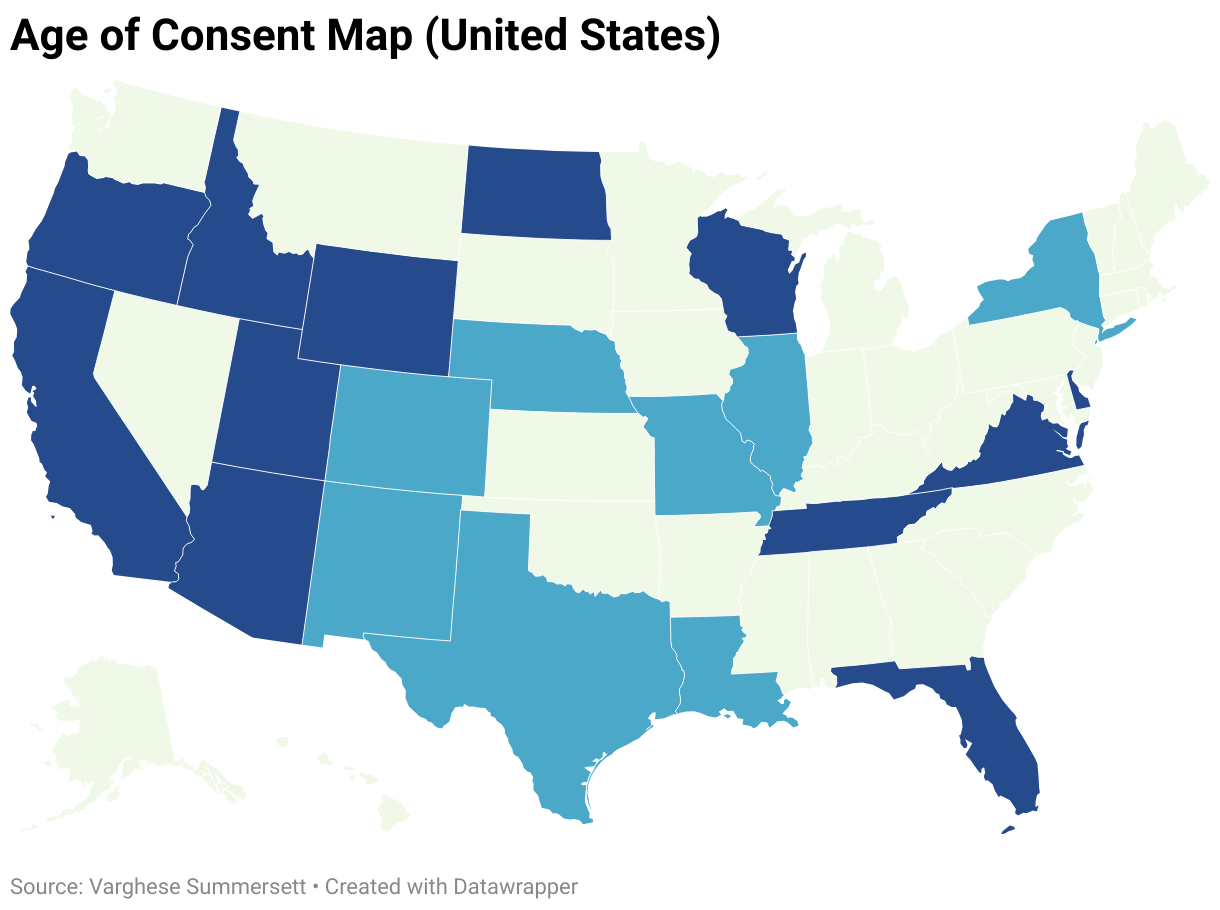
It is at this age, 18, that the primary legal “age of consent” for sexual activity is also set in Florida. This law is in place to protect individuals, particularly minors, from exploitation and ensure that all participants in sexual activity are of an age where they can provide informed, voluntary consent. Violations of this law carry severe penalties, underscoring its profound importance in the legal system. While this is the most direct answer to the literal article title, for the purposes of a travel and lifestyle blog, it’s crucial to also explore the broader implications of age-related laws that impact travel decisions and experiences within the state. For instance, while one might be legally an adult at 18, other specific age requirements often come into play for various tourism-related activities.
Beyond 18: Specific Age Requirements Affecting Travelers
While 18 marks the threshold of legal adulthood, Florida mandates higher age requirements for certain activities, reflecting a societal understanding of greater maturity needed for specific decisions or consumption. These are particularly important for tourists to note:
- Alcohol Consumption: In the United States, including Florida, the legal drinking age is 21 years old. This means that individuals must be 21 or older to purchase, possess, or consume alcoholic beverages. Bars, restaurants, and liquor stores throughout Florida rigorously enforce this law, often requiring ID checks for anyone appearing under 30. Travelers planning to enjoy Key West‘s vibrant nightlife or a sophisticated cocktail in South Beach must be aware of this strict regulation.
- Tobacco and Vaping Products: As of 2020, the legal age to purchase tobacco products, including cigarettes, cigars, and all vaping products, was raised to 21 years old nationwide, including in Florida. Retailers are mandated to verify age, and minors attempting to purchase these products can face legal repercussions.
- Gambling: The legal gambling age in Florida varies depending on the type of gambling. For lotteries and pari-mutuel wagering (like horse racing or jai-alai), the age is 18 years old. However, to participate in casino-style gambling, such as slot machines or table games at tribal casinos, individuals must be 21 years old. This distinction is important for those looking to try their luck in Tampa Bay‘s gaming venues or near Hollywood in Fort Lauderdale.
These specific age gates highlight that legal adulthood at 18 does not grant unrestricted access to all adult activities, especially those deemed to carry higher risks or requiring greater discernment.
Navigating Travel and Accommodation for Young Adults and Minors in Florida
Florida’s popularity as a tourist destination means it caters to a wide demographic, from toddlers visiting Walt Disney World Resort to college students enjoying spring break on Daytona Beach. For young adults and unaccompanied minors, specific rules and policies govern their ability to book accommodations, rent vehicles, and participate in various activities.
Hotel Stays and Accommodation Bookings
One of the most common questions for young travelers pertains to booking hotel rooms. While the age of majority in Florida is 18, many hotels, resorts, and accommodation providers have their own internal policies regarding the minimum age for check-in.
- Hotel Minimum Check-in Age: It is very common for hotels in Florida to require guests to be 21 years old to check in. This policy is often implemented to mitigate risks associated with young adults, such as potential damage to property, noise complaints, or issues with alcohol consumption, especially in popular spring break destinations like Panama City Beach or South Beach. While some hotels may allow 18-year-olds to check in, it is crucial to verify directly with the specific hotel or resort before booking. Websites dedicated to accommodation comparison often list these age restrictions, but a direct call is always the safest bet.
- Implications for Young Travelers: This 21+ check-in rule can significantly impact travel plans for groups of 18-20-year-olds, including those on a gap year, university students, or younger couples. They may need to travel with an older companion (21+) who can legally check in, or they might need to seek out accommodations explicitly catering to younger independent travelers, which are fewer in number.
- Family-Friendly Resorts and Policies: For families traveling with minors, the primary concern is usually the parents or legal guardians being of legal age to check in. Resorts like those within Walt Disney World Resort or Universal Orlando Resort typically have clear policies requiring an adult (usually 21+) to be present and responsible for any minors in the party. Long-term stay options or vacation rentals, common in areas like Kissimmee or Sarasota, also adhere to similar adult supervision requirements.

Car Rentals and Transportation
Exploring the expansive beauty of Florida often involves renting a car to visit attractions from the Atlantic Ocean coast to the Gulf Coast. However, age restrictions also apply here.
- Minimum Age for Car Rental: Most major car rental companies in Florida require drivers to be at least 21 years old to rent a vehicle. Even at 21, drivers often face a “young renter fee” or “underage surcharge” that can significantly increase the cost of the rental, sometimes daily. This fee typically applies to drivers between 21 and 24 years old. To avoid this surcharge, drivers typically need to be 25 years old or older.
- Impact on Road Trips: This policy directly affects young adults planning road trips across the state, perhaps from St. Petersburg to Naples or into Everglades National Park. Without a driver aged 25 or older, costs can escalate, or they may be unable to rent a car at all, forcing reliance on public transport, ride-sharing services, or guided tours. It is always advisable to check specific policies with individual rental agencies well in advance.
Unaccompanied Minors and Parental Responsibility
Travel for minors without their parents or legal guardians presents another set of considerations, particularly concerning their safety and legal standing.
- Airline Policies: Airlines have specific policies for unaccompanied minors, usually for children under a certain age (e.g., 5, 12, or 15), requiring them to use special services with fees and strict pickup/drop-off procedures. Teenagers (16-17) may fly unaccompanied but still face restrictions on international travel or require specific documentation.
- Hotel Policies for Minors: It is generally not possible for minors to check into a hotel room without an adult. Hotels will typically refuse service to unaccompanied minors due to legal liability and safety concerns. If a minor is traveling with a group and an adult is checking in, the adult is responsible for all minors in the party.
- Importance of Parental Consent Forms: For minors participating in tours, activities, or even staying with relatives or friends, it is highly recommended to have a notarized parental consent form. This document can authorize medical treatment, travel, and certain activities, providing peace of mind and legal clarity in emergencies. This is particularly important for school trips, sports teams, or minors visiting relatives in places like Amelia Island or Sanibel Island and Captiva Island.
Activities, Attractions, and Lifestyle Considerations
Beyond accommodation and transportation, Florida’s vast array of attractions and vibrant lifestyle also come with age-related regulations that travelers should be mindful of.
Theme Parks and Attractions
Florida is synonymous with world-class theme parks, drawing millions of visitors annually. While most attractions are designed for all ages, some specific rules apply:
- Ride Restrictions: All theme parks, including Walt Disney World Resort (Magic Kingdom, Epcot, Hollywood Studios, Animal Kingdom), Universal Orlando Resort (Universal Studios Florida, Islands of Adventure, Volcano Bay), SeaWorld Orlando, and Busch Gardens Tampa Bay, have height requirements for certain rides for safety reasons. While not age-based, these are crucial for families with young children.
- Unaccompanied Minors in Parks: Most parks allow teenagers to enter and enjoy the park independently. However, many parks have “chaperone policies” during peak seasons (like spring break or grad nights) that require guests under a certain age (e.g., 18 or 21) to be accompanied by an adult, especially in the evenings. It’s always best to check the specific park’s website for their current policies.
- Other Attractions: Similarly, attractions like the Kennedy Space Center Visitor Complex or various museums have general admission policies, but age limits might apply to specific interactive exhibits or special events.
Nightlife and Entertainment
Florida’s nightlife scene, particularly in cities like Miami, Orlando, and Key West, is legendary. However, access is strictly regulated by age.
- Bars and Clubs: Entry to most bars, nightclubs, and lounges that serve alcohol is restricted to individuals 21 years of age or older. Even if you are not drinking, if the venue’s primary purpose is alcohol service, you will likely be denied entry if you are under 21. Areas like Miami’s South Beach, Key West’s Duval Street, and Orlando’s Universal CityWalk and Disney Springs are strict on this.
- Concerts and Events: While many concerts and live entertainment venues are all-ages, some may have 18+ or 21+ restrictions, especially if alcohol is served. Always check the event details before purchasing tickets.
Legal Implications for Travelers
Beyond specific age limits for activities, general legal awareness is always beneficial for travelers.
- Importance of ID: Carrying a valid, government-issued photo ID (driver’s license, state ID, passport) is crucial for anyone near the age limits for alcohol, tobacco, or hotel check-ins. Establishments are legally obligated to verify age.
- Understanding Local Laws: While Florida is generally welcoming, being aware of local ordinances, such as those regarding public consumption of alcohol or noise restrictions, can prevent unnecessary legal troubles.
- Emergency Contacts for Minors: For any minor traveling, even with adults, having emergency contact information readily accessible, including parental consent for medical treatment, is a vital safety measure.
In conclusion, while the core “legal age of consent” in Florida is 18, signifying legal adulthood and sexual consent, the travel landscape presents a more complex web of age-specific regulations. From booking a hotel room at 21 to renting a car without surcharges at 25, and enjoying nightlife only after turning 21, these varying age requirements are designed to ensure safety, promote responsible behavior, and align with societal standards. By understanding and respecting these laws, travelers of all ages can fully immerse themselves in the diverse and captivating experiences that Florida has to offer, ensuring a memorable and legally compliant journey. Always plan ahead, verify specific policies, and prepare accordingly to make your Florida adventure as smooth and enjoyable as possible.
LifeOutOfTheBox is a participant in the Amazon Services LLC Associates Program, an affiliate advertising program designed to provide a means for sites to earn advertising fees by advertising and linking to Amazon.com. Amazon, the Amazon logo, AmazonSupply, and the AmazonSupply logo are trademarks of Amazon.com, Inc. or its affiliates. As an Amazon Associate we earn affiliate commissions from qualifying purchases.