
New Orleans, often hailed as one of the most unique and vibrant cities in the United States, sparks a sense of intrigue and wonder in the hearts of travelers worldwide. Its distinct culture, iconic music, and legendary cuisine are famed globally, yet many curious explorers still find themselves pondering its precise geographical placement. Far from just a dot on a map, New Orleans’s location is intrinsically woven into the fabric of its identity, shaping its history, culture, environment, and the very essence of its allure as a premier travel destination.
For those planning a memorable trip or simply seeking to broaden their geographical knowledge, understanding “Where is New Orleans on the map?” is the first step in appreciating the complexities and charms of this extraordinary locale. This article will not only pinpoint the city’s exact coordinates but will also delve into why its geographical context is so vital to its character, offering insights for travel, tourism, and accommodation, aligning perfectly with the diverse interests of the modern adventurer.
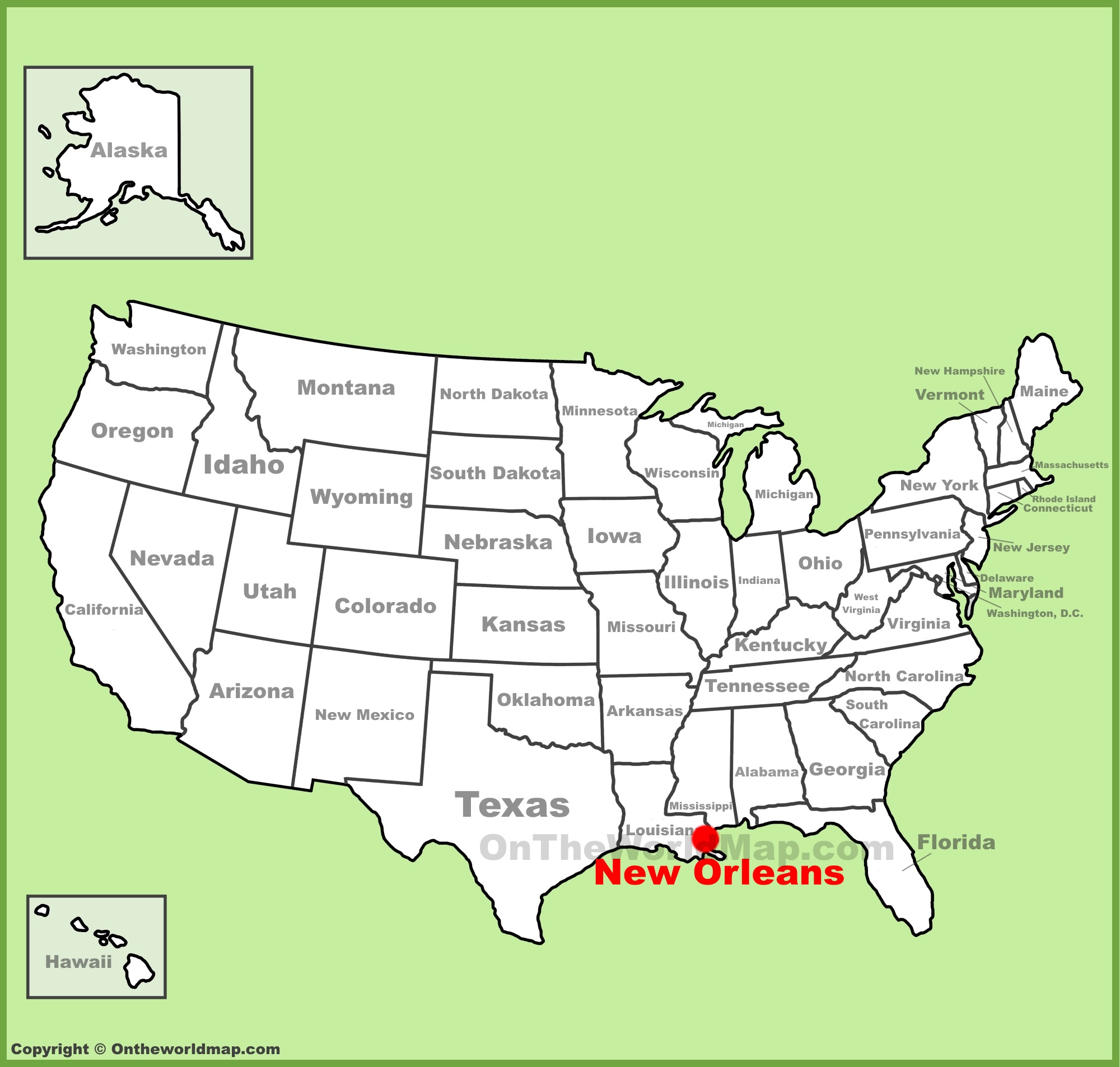
Locating The Crescent City: A Geographical Overview
New Orleans is prominently situated in the southeastern region of the United States, specifically within the state of Louisiana. This strategic placement has defined its destiny as a major port and a cultural melting pot for centuries.
Position on the Mississippi River
At the heart of New Orleans’s geographical identity is its commanding position on the Mississippi River. The city lies approximately 100 miles (160 kilometers) upriver from the Gulf of Mexico, near the mouth of North America’s largest river system. The mighty Mississippi famously carves a crescent-shaped bend around the oldest parts of the city, giving rise to its enduring nickname, the “Crescent City”. This riverine embrace is not merely a topographical feature; it is the lifeblood that historically connected New Orleans to the vast interior of the continent, facilitating trade and the influx of diverse peoples and traditions. The riverfront areas, including the Riverwalk Marketplace and the departure points for iconic steamboat tours, continue to celebrate this vital connection, offering picturesque views and a tangible link to the city’s commercial past.
Proximity to the Gulf of Mexico
The city’s close proximity to the Gulf of Mexico is another defining geographical factor. This coastal relationship profoundly influences New Orleans’s climate, ecology, and economy. The warm waters of the Gulf contribute to the city’s subtropical climate, characterized by mild winters and hot, humid summers, which in turn nurtures its lush vegetation and distinct local flora. Economically, the Gulf of Mexico has long provided New Orleans with abundant seafood, which is central to its renowned Creole and Cajun culinary traditions. However, this coastal position also exposes the city to the formidable forces of nature, particularly hurricanes and tropical storms originating in the Gulf, a reality that has necessitated extensive levee systems and flood protection infrastructure.
The Louisiana Setting
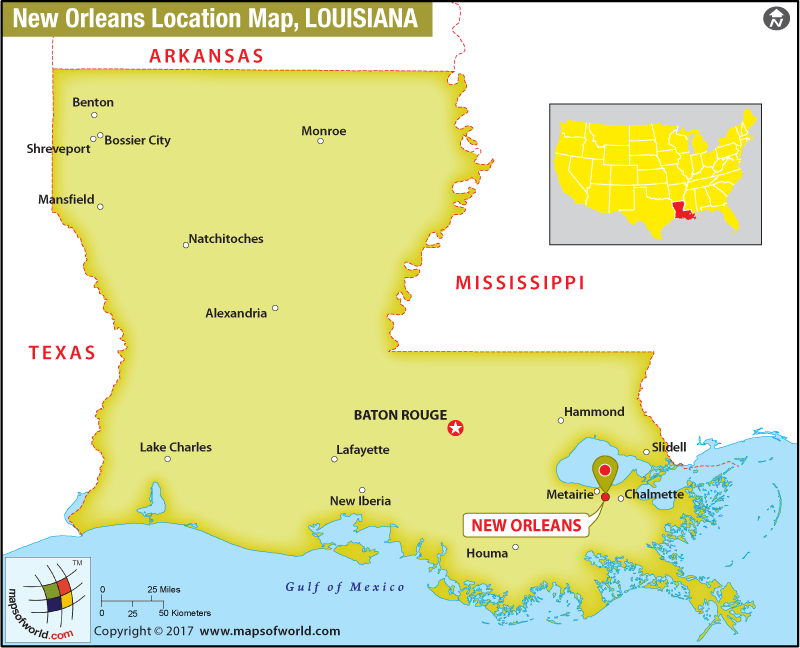
New Orleans anchors southeastern Louisiana, a state known for its unique blend of cultures and its expansive bayous and wetlands. The city itself is largely built on land that is either at or below sea level, protected by an intricate system of levees and canals. This unique hydrography means that much of the surrounding landscape comprises swamps and marshlands, forming a crucial ecosystem that supports diverse wildlife and offers a distinct natural experience through popular swamp tours. The metropolitan area extends beyond the core city to include adjacent parishes and communities such as Metairie, Kenner, Gretna, and Harvey, creating a vibrant regional hub that embodies the rich cultural tapestry of Louisiana.
Why Its Location Matters: Beyond the Map
New Orleans’s location is not just a geographical coordinate; it’s a narrative. It tells a story of survival, cultural fusion, and enduring spirit.
Historical Significance and Port City Status
From its founding in 1718 by French colonists, New Orleans was destined to be a pivotal port. Its location at the confluence of the vast Mississippi River system and the Gulf of Mexico made it a gateway for goods flowing from the American heartland to global markets and vice-versa. This strategic advantage made it a prized possession, leading to its transfer from French to Spanish rule, and eventually to its acquisition by the United States in the Louisiana Purchase of 1803. The city’s port continues to be one of the busiest in the United States, underscoring its enduring economic importance and its role in connecting continents. This history as a bustling trade hub profoundly shaped its architecture, its economy, and its famously diverse population.
Cultural Crossroads: Influences from Afar
The flow of goods through the port was invariably accompanied by a flow of people, making New Orleans a unique cultural crossroads. Immigrants and enslaved peoples from Africa, settlers from France and Spain, and migrants from other parts of the United States all contributed to a vibrant mosaic of traditions, languages, and beliefs. This rich amalgamation gave birth to distinctive Creole and Cajun cultures, which are celebrated in the city’s cuisine, music, and festivals. The syncopated rhythms of jazz, born in the streets of New Orleans, are a direct product of this cultural synthesis, combining African rhythms, European harmonies, and American ingenuity. Exploring areas like the historic French Quarter and Tremé district offers a tangible journey through these layers of history and culture.
Ecological Landscape and Unique Challenges
Living below sea level and surrounded by water presents both beauty and peril for New Orleans. The subtropical climate and the proximity to coastal wetlands create a unique ecosystem that is rich in biodiversity, from alligators in the bayous to exotic birds in Audubon Park and City Park. However, this geographic reality also means a constant battle against the elements. The devastating impact of Hurricane Katrina in 2005 highlighted the vulnerabilities of the city’s location. Since then, massive investments in storm protection and coastal restoration have been made, emphasizing the ongoing effort to adapt and thrive in this challenging yet captivating environment. Understanding these ecological realities adds a layer of depth to appreciating the city’s resilience and its enduring appeal.
Navigating to New Orleans: Travel and Accessibility
For travelers eager to experience the magic of the “Crescent City”, accessibility is a key consideration. Fortunately, New Orleans’s status as a major regional hub ensures numerous convenient travel options.
Major Airports and Transportation Hubs

The primary gateway for air travelers is Louis Armstrong New Orleans International Airport (MSY), located approximately 11 miles west of downtown New Orleans in Kenner. MSY offers direct flights to numerous major cities across the United States, as well as a growing number of international routes, making it readily accessible for visitors globally. Ground transportation from the airport includes taxis, ride-sharing services, and public bus options, ensuring a smooth transition from arrival to your chosen accommodation. For those who prefer rail travel, Amtrak serves the New Orleans Union Passenger Terminal, connecting the city to destinations like Chicago, Los Angeles, and New York City.
Driving Routes and Regional Connectivity
Driving to New Orleans is a popular option, with several major interstates converging on the city. Interstate 10 (I-10) is the primary east-west artery, connecting New Orleans to cities like Houston to the west and Jacksonville to the east. Interstate 55 (I-55) runs north-south, linking the city to Memphis and St. Louis, while Interstate 59 (I-59) provides connections to Birmingham. These routes offer scenic drives through the diverse landscapes of the American South, allowing travelers to explore charming towns and natural attractions along the way. Within the city, public transportation, including the historic streetcars along St. Charles Avenue and in the French Quarter, offers an authentic and efficient way to explore various neighborhoods.
Cruising to the Big Easy
Given its port city status, New Orleans is also a significant cruise port, serving as a departure point for voyages into the Caribbean and beyond. Many cruise lines operate out of the Port of New Orleans, offering travelers the unique experience of sailing down the Mississippi River to the Gulf of Mexico. Arriving by cruise ship provides an unparalleled perspective of the city’s riverfront and its proximity to the open sea, making it a compelling option for those seeking a vacation that combines cultural exploration with a maritime adventure.
Experiencing New Orleans Through Its Geography
The soul of New Orleans is intricately linked to its geographical layout and the natural elements surrounding it. Understanding this connection enhances every aspect of a visitor’s experience, from exploring historic districts to savoring local flavors.
Iconic Neighborhoods and Districts
The city’s unique geography has shaped its distinctive neighborhoods. The historic French Quarter, also known as the Vieux Carré, is the oldest and arguably most famous district, nestled in the “crescent” of the Mississippi River. Its grid-like streets, French and Spanish colonial architecture, and vibrant atmosphere around Bourbon Street and Royal Street are a direct legacy of its European founding. Just uptown, the stately Garden District boasts magnificent antebellum mansions surrounded by lush greenery, a testament to the city’s prosperous 19th-century American expansion. East of the French Quarter, the Marigny and Bywater neighborhoods offer a more bohemian vibe, with colorful shotgun houses and a thriving arts scene, maintaining a close connection to the river and the city’s working-class heritage. These distinct areas, each with their own character, reflect the city’s layered history and topographical evolution.
Unique Attractions Shaped by Location
New Orleans’s attractions are often a direct reflection of its watery environment. A visit isn’t complete without a swamp tour into the nearby bayous and wetlands, offering glimpses of alligators, native birds, and the unique cypress forests that thrive in this environment. Riverboat cruises, such as those on the historic Steamboat Natchez, provide panoramic views of the city skyline from the Mississippi River, retracing the paths of early traders and settlers. Within the French Quarter, landmarks like Jackson Square and St. Louis Cathedral anchor the historic core, while a short ride on the iconic St. Charles Avenue Streetcar transports visitors through the Garden District and past the sprawling campuses of Tulane and Loyola Universities, leading to the natural beauty of Audubon Park and the Audubon Zoo. The Audubon Aquarium of the Americas and the National WWII Museum in the Central Business District/Warehouse Arts District also draw heavily from the city’s port history and global connections.
Culinary Delights and Local Traditions
The local cuisine of New Orleans is a flavorful testament to its geography and history. The abundance of seafood from the Gulf of Mexico is evident in classic dishes like gumbo, jambalaya, and fresh oysters. Creole cuisine, with its French, Spanish, African, and Caribbean influences, often features rich sauces and spices, while Cajun food from the bayou country emphasizes hearty, rustic flavors. Iconic treats like beignets at Café Du Monde and savory po’boys reflect the city’s unique culinary landscape. Beyond food, the musical traditions, from the spontaneous street performances on Frenchmen Street to the legendary Preservation Hall, are deeply rooted in the cultural exchanges fostered by the city’s location. Festivals like Mardi Gras and the New Orleans Jazz & Heritage Festival (Jazz Fest) are grand celebrations of this vibrant cultural identity, drawing millions of visitors each year.
Planning Your Stay: Accommodation and Lifestyle in the Heart of the South
New Orleans offers a diverse range of accommodation options and lifestyle experiences, catering to every type of traveler. Its unique geographical position and rich cultural tapestry make it an unforgettable destination.
Hotel Options from Luxury to Budget
Whether you’re seeking opulent luxury or a charming budget-friendly stay, New Orleans delivers. The historic French Quarter is home to world-renowned hotels like the majestic Hotel Monteleone, known for its Carousel Bar, and The Roosevelt New Orleans, A Waldorf Astoria Hotel, offering timeless elegance. Boutique hotels, charming guesthouses with courtyards, and bed-and-breakfasts abound in the French Quarter, Garden District, and Marigny, providing an intimate and authentic experience. For those attending conferences or preferring modern amenities, the Central Business District offers a variety of contemporary hotels, including well-known chains and high-rise resorts. Travelers on a tighter budget can find numerous hostels, motels, and vacation rentals throughout the city and its surrounding areas like Metairie, ensuring that a visit to this captivating city is accessible to all. Booking in advance, especially during major festivals like Mardi Gras or Jazz Fest, is highly recommended to secure the best rates and desired locations.
Engaging with the Local Lifestyle
Embracing the New Orleans lifestyle means slowing down to appreciate the rhythm of the city. It’s about enjoying live jazz music on Frenchmen Street, sipping a Café au Lait with beignets, taking a leisurely stroll through the lush City Park, or delving into the vibrant art galleries of the Warehouse Arts District. The city’s unique cultural calendar, filled with a continuous stream of festivals, parades, and second line marches, offers endless opportunities for immersion. Whether you’re interested in luxury travel, budget exploration, a family trip to the Audubon Zoo, or a business stay with cultural excursions, New Orleans’s rich tapestry of experiences promises something special. The city’s welcoming atmosphere encourages interaction with locals, whose warmth and hospitality are as famous as its food and music.
Tips for an Unforgettable Visit
To make the most of your New Orleans adventure, consider these tips. Wear comfortable walking shoes, as many of the city’s charms are best discovered on foot. Hydrate frequently, especially during the warmer months, and embrace the city’s casual pace. Don’t be afraid to venture beyond the French Quarter to explore neighborhoods like the Garden District, Marigny, or Bywater to get a more comprehensive feel for local life. Engage with local guides for historic walking tours or swamp excursions to gain deeper insights into the city’s past and natural environment. And most importantly, come with an open mind and a readiness to be enchanted by a city that truly lives up to its reputation as a one-of-a-kind destination.
In conclusion, New Orleans is far more than just a pin on a map. Its strategic placement on the Mississippi River, its embrace by the Gulf of Mexico, and its foundation in the unique landscape of Louisiana have crafted a city of unparalleled character. From its historic role as a global port to its resilient spirit in the face of ecological challenges, every aspect of New Orleans is a testament to its location. This understanding enriches the travel experience, allowing visitors to truly appreciate the depth of its culture, the vibrancy of its traditions, and the enduring magic of the “Crescent City”. So, pack your bags, locate New Orleans on your map, and prepare for an unforgettable journey to a place unlike anywhere else on Earth.
LifeOutOfTheBox is a participant in the Amazon Services LLC Associates Program, an affiliate advertising program designed to provide a means for sites to earn advertising fees by advertising and linking to Amazon.com. Amazon, the Amazon logo, AmazonSupply, and the AmazonSupply logo are trademarks of Amazon.com, Inc. or its affiliates. As an Amazon Associate we earn affiliate commissions from qualifying purchases.