
Florida, a state renowned globally for its stunning beaches, vibrant cities like Miami and Orlando, and world-class attractions, draws millions of visitors annually. From the magic of its theme parks to the serene beauty of its natural landscapes, the Sunshine State offers an unparalleled experience for travelers seeking everything from luxury escapes to family adventures. However, beyond the allure of its tourist hotspots, Florida also operates under a unique set of laws designed to protect its residents and visitors, one of the most significant being the Baker Act. For anyone planning a trip, considering a long-term stay, or simply curious about the legal framework governing mental health in the state, understanding the Baker Act is crucial. It’s a piece of legislation that, while serious in its implications, is fundamentally designed to provide help to individuals experiencing acute mental health crises.
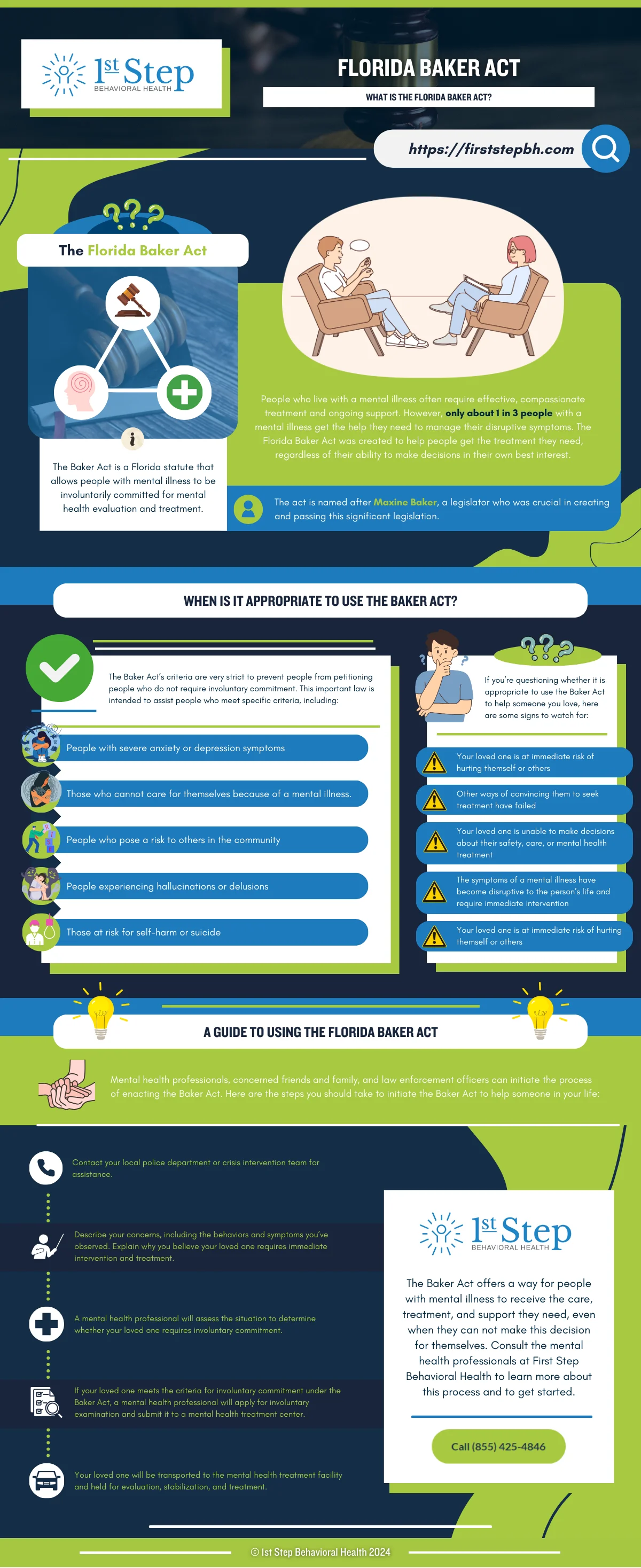
The Baker Act, officially known as the Florida Mental Health Act of 1971, is a law that allows for the involuntary examination of an individual who is suspected of having a mental illness and poses a threat to themselves or others, or is gravely disabled. It’s a mechanism intended to offer immediate intervention and assessment during critical times, ensuring that individuals in distress receive the care they need before a situation escalates. While it touches upon deeply personal and sensitive aspects of mental health, its existence is a testament to the state’s commitment to public welfare, impacting both residents and those visiting the state, perhaps staying in one of Miami Beach’s luxury resorts or a charming St. Augustine bed and breakfast. For travelers, understanding such local laws becomes an essential part of preparing a comprehensive guide for their Florida experience, aligning with the broader aspects of tourism and lifestyle travel that emphasize safety and awareness.
Understanding the Baker Act: A Safety Net for Mental Health
At its core, the Baker Act is a compassionate law, despite its often misunderstood reputation. It is not a means for permanent institutionalization but rather a temporary measure to ensure immediate safety and professional evaluation. The law permits an individual to be taken to a mental health facility for an involuntary examination for up to 72 hours. This period is specifically for diagnosis and initial treatment, during which mental health professionals determine if further, more structured care is required. The intent is to stabilize the individual and assess their needs in a controlled environment.
The criteria for initiating a Baker Act are quite specific and stringent, reflecting the gravity of involuntarily detaining someone. For a Baker Act to be initiated, an individual must meet at least one of three primary criteria:
- They have a mental illness. This is the foundational requirement. The individual’s behavior must stem from a discernible mental health condition.
- Because of the mental illness, the person is a danger to themselves or others. This often involves overt threats, attempts at self-harm, or violent behavior directed at others. The danger must be apparent and significant.
- Because of the mental illness, the person is severely neglected or lacks the capacity to make informed decisions about their need for treatment, to the point that their well-being is in jeopardy. This covers individuals who may not be outwardly aggressive but are unable to care for themselves (e.g., not eating, unable to find shelter) due to their mental state, placing them at serious risk of harm, even in seemingly safe environments like a hotel in Tampa or an apartment rental in Fort Lauderdale.
It’s important to differentiate the Baker Act from other legal provisions. For instance, it’s distinct from criminal detention. An individual undergoing a Baker Act examination is not being arrested; rather, they are being provided with a mental health intervention. This distinction is vital for understanding the process and the rights of the individual involved. This law forms a critical part of the healthcare and legal landscape in Florida, influencing how emergency situations involving mental health crises are managed across various settings, from crowded tourist attractions to quiet residential areas. For visitors, understanding that such a safety net exists can be a subtle but significant aspect of their overall travel experience, knowing that resources are in place to address unforeseen emergencies.
Initiating a Baker Act: Who Can Act?
The Baker Act can be initiated by several authorized individuals and entities, underscoring its role as a broad community safety measure. This wide scope ensures that help can be accessed when needed, regardless of where an individual might be found within the state, whether in a bustling Orlando resort or a more secluded Florida Keys retreat.
- Law Enforcement Officers: Police officers, sheriff’s deputies, and other authorized law enforcement personnel can initiate a Baker Act if they have personal observations or reliable information leading them to believe the criteria are met. This is often the most common way a Baker Act is initiated, especially in public spaces or during responses to emergency calls.
- Licensed Mental Health Professionals: Physicians, clinical psychologists, psychiatric nurses, and other qualified mental health professionals can also initiate a Baker Act. This typically occurs in a medical setting, such as a doctor’s office or an emergency room, where a professional assessment has indicated the necessity for involuntary examination.
- Circuit Court Order: A judge can issue an order for an involuntary examination based on a sworn petition filed by an individual (often a family member or concerned party) who presents evidence that the criteria for a Baker Act are met. This judicial route provides an additional layer of review and ensures due process.
The initiation process typically involves filling out a form, often referred to as a “Baker Act Certificate” or “Ex Parte Order,” which details the reasons for the involuntary examination. This documentation is critical and must clearly articulate how the individual meets the statutory criteria, ensuring accountability and adherence to the law. For instance, if a tourist visiting Jacksonville or Sarasota experiences a mental health crisis, local law enforcement or emergency medical services would be the primary responders, initiating the process if necessary.
The Baker Act Process: From Initial Assessment to Resolution
Once a Baker Act has been initiated, the individual is transported to a designated Baker Act receiving facility. These facilities are typically hospitals or specialized mental health centers equipped to provide emergency psychiatric evaluation and care. These facilities are scattered across Florida, from major metropolitan areas like Tampa and West Palm Beach to smaller communities, ensuring accessibility when a crisis arises.
Arriving at a Receiving Facility
Upon arrival at the receiving facility, the individual undergoes a comprehensive evaluation by mental health professionals. This evaluation includes a psychiatric assessment, a medical screening to rule out any physical causes for their behavior, and an assessment of their immediate safety. The 72-hour period for involuntary examination begins upon arrival at the facility. During this time, the focus is on stabilization and determining the most appropriate course of action. This might involve medication, counseling, and observation in a secure environment. The goal is not just to manage symptoms but to understand the underlying issues and develop a plan for continued care if needed.

For individuals unfamiliar with the Florida healthcare system, particularly visitors, this process can be disorienting. However, these facilities are staffed by professionals trained to handle such sensitive situations with care and discretion. They aim to create an environment conducive to recovery and assessment, even under involuntary circumstances. The nature of these facilities means they are usually distinct from general hospital emergency rooms, offering specialized care pathways.
Potential Outcomes of a Baker Act Examination
At the conclusion of the 72-hour examination period, one of several outcomes will typically occur, each designed to ensure the individual’s well-being while respecting their rights.
- Voluntary Admission: If, after evaluation, the individual agrees to continue treatment, they can sign a voluntary admission form. This allows them to remain in the facility for further care on a consensual basis. This is often the preferred outcome, as it empowers the individual to take an active role in their recovery journey.
- Release: If the mental health professionals determine that the individual no longer meets the criteria for involuntary examination (i.e., they are no longer a danger to themselves or others, and are capable of making informed decisions about their care), they will be released. This can happen at any point during the 72-hour period if the individual is deemed stable.
- Petition for Involuntary Placement: If, at the end of the 72 hours, the professionals believe the individual still meets the Baker Act criteria and is unwilling or unable to consent to voluntary treatment, the facility can petition a court for involuntary inpatient placement. This legal process involves a hearing before a judge, where evidence is presented to justify continued involuntary treatment. The individual has a right to legal representation during this hearing.
- Outpatient Treatment: In some cases, if inpatient care is not deemed necessary but continued support is, the individual might be connected with outpatient mental health services. This ensures a continuum of care without the need for hospitalization.
The system is designed with multiple checkpoints to ensure that involuntary detention is used only when absolutely necessary and for the shortest duration possible. It balances the immediate need for intervention with an individual’s fundamental rights, aiming to facilitate recovery and reintegration. For visitors to Florida, especially those traveling internationally, understanding these processes can be daunting, but the state’s healthcare system is equipped to manage such situations, potentially involving consular services if needed.
Rights and Protections Under the Baker Act
Despite its involuntary nature, the Baker Act is accompanied by a robust set of rights and protections for the individual undergoing examination. These safeguards are crucial to prevent abuse and ensure that the process is fair, humane, and focused on recovery. These rights are fundamental to the American legal system and are upheld even in emergency mental health interventions, underscoring the legal and ethical framework within Florida for such delicate matters.
Key Rights of Individuals Under a Baker Act
- Right to Notice: The individual must be informed, in a language they understand, of the reason for their involuntary examination and their rights under the Baker Act. This includes informing them of the 72-hour limit for examination.
- Right to Communicate: Individuals have the right to communicate with family members, friends, attorneys, and other significant parties, unless doing so would pose a direct threat to themselves or others, or substantially interfere with their treatment. This includes reasonable access to telephones or other communication devices.
- Right to Legal Counsel: The individual has the right to consult with an attorney at any point during the Baker Act process. If a petition for involuntary placement is filed, the court will appoint an attorney if the individual cannot afford one.
- Right to Independent Expert Evaluation: The individual can request an independent psychiatric or psychological evaluation by a professional of their choice, at their own expense or with assistance if indigent. The findings of this evaluation can be presented in court.
- Right to a Hearing: If the facility petitions for involuntary placement, the individual has the right to a formal court hearing, where they can present their case, challenge the evidence, and have legal representation.
- Right to Confidentiality: Information regarding the individual’s mental health treatment is confidential and protected by privacy laws, including the Health Insurance Portability and Accountability Act (HIPAA), unless specific exceptions apply (e.g., threat to self or others, court order).
- Right to Humane Treatment: All individuals under a Baker Act are entitled to humane care and treatment, free from abuse or neglect. Facilities are regulated to ensure a safe and therapeutic environment.
These rights are not mere formalities; they are actively protected by law and overseen by various agencies and patient advocacy groups throughout Florida. Knowing these rights can provide a sense of empowerment and clarity for individuals and their families navigating what can be an incredibly stressful period. For those visiting Florida, especially from international locations, understanding these inherent rights is particularly important, as legal frameworks may differ significantly from their home countries. Many consulates in cities like Miami or Orlando have resources to assist their citizens in such situations, further emphasizing the global impact and reach of local laws.

How Baker Act Relates to Travel and Tourism in Florida
While the Baker Act is primarily a health and legal matter, its existence in Florida has subtle but important implications for travel and tourism. For visitors to the state, whether they are enjoying the pristine shores of Clearwater Beach, exploring the historic streets of St. Augustine, or experiencing the vibrant nightlife of South Beach, an awareness of local laws, including those pertaining to mental health crises, contributes to a more informed and potentially safer travel experience.
Preparedness for Unforeseen Events: Traveling, while often exhilarating, can also be stressful. Unfamiliar environments, time zone changes, and even the excitement of a new destination can sometimes trigger or exacerbate mental health conditions. Knowing that Florida has a system in place to address acute mental health crises, even for non-residents, can offer a layer of reassurance. It’s part of a comprehensive travel guide for any destination – understanding not just the attractions but also the public services available.
Impact on Travel Insurance: Travelers should also consider how the Baker Act might intersect with their travel insurance policies. While insurance typically covers medical emergencies, the specific clauses related to mental health and involuntary detention can vary significantly. It is advisable for travelers, especially those with pre-existing mental health conditions, to thoroughly review their insurance coverage before embarking on a trip to Florida.
Local Culture and Awareness: Beyond the legal aspects, the Baker Act reflects a facet of Florida’s societal approach to mental health. For those considering longer stays, perhaps as “snowbirds” or for business, understanding these local nuances is part of integrating into the community and appreciating the broader lifestyle. It’s a reminder that beneath the sunny exterior, a robust public safety and health infrastructure supports the state’s population and visitors alike.
In conclusion, the Baker Act is a critical component of Florida’s public health and safety framework, designed to provide timely intervention during acute mental health crises. While it involves involuntary examination, it is meticulously structured with specific criteria, a clear process, and robust protections for individuals’ rights. For anyone engaging with Florida, whether as a permanent resident or a temporary visitor enjoying its diverse attractions and accommodations, understanding the Baker Act is an essential aspect of being an informed and responsible participant in the state’s vibrant community. It underscores the importance of being aware of local laws, not just for legal compliance but for personal safety and well-being, enhancing the overall travel and lifestyle experience in the Sunshine State.
LifeOutOfTheBox is a participant in the Amazon Services LLC Associates Program, an affiliate advertising program designed to provide a means for sites to earn advertising fees by advertising and linking to Amazon.com. Amazon, the Amazon logo, AmazonSupply, and the AmazonSupply logo are trademarks of Amazon.com, Inc. or its affiliates. As an Amazon Associate we earn affiliate commissions from qualifying purchases.