
California, a state renowned for its sun-kissed beaches, vibrant cities, and diverse landscapes, boasts a state tree as iconic and grand as its reputation: the California Redwood. This designation, made official in 1937, celebrates not one, but two magnificent species of redwood that epitomize the golden state’s natural splendor and ancient heritage. From the misty coastal forests to the lofty Sierra Nevada mountains, these colossal trees stand as silent sentinels, drawing millions of visitors eager to witness their unparalleled majesty. For travelers seeking unique destinations, natural landmarks, and unforgettable experiences, delving into the world of California’s redwoods offers an unparalleled adventure that beautifully intertwines with themes of travel, tourism, accommodation, and a lifestyle immersed in nature.
The Majestic Giants: Unveiling California’s State Tree
The “California Redwood” officially encompasses two distinct but equally awe-inspiring species: the Coast Redwood (Sequoia sempervirens) and the Giant Sequoia (Sequoiadendron giganteum). While both are members of the redwood family (Cupressaceae), they thrive in different environments and possess unique characteristics that contribute to their legendary status.
The Coast Redwood (Sequoia sempervirens)
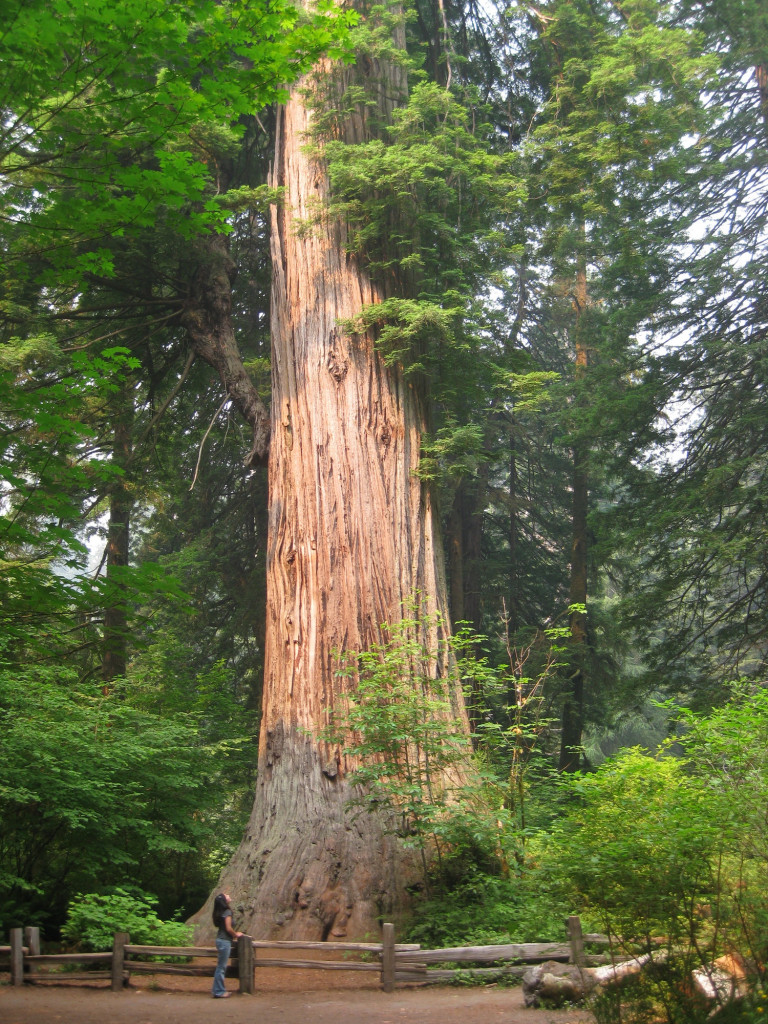
Imagine towering spires reaching for the sky, shrouded in perpetual fog and mist. This is the realm of the Coast Redwood. These remarkable trees are the tallest living things on Earth, with many individuals exceeding 300 feet (91 meters) in height, and the very tallest pushing past 380 feet (115 meters). Their name, sempervirens, meaning “ever-living,” perfectly captures their enduring spirit. They thrive in a narrow band along California’s northern coast, where the cool, moist air and frequent fog provide the ideal conditions for their growth. Their unique ability to absorb moisture directly from the fog helps them survive during California’s dry summers. A visit to a Coast Redwood forest is an immersive experience, with groves so dense and canopies so high that sunlight struggles to penetrate, creating a cathedral-like atmosphere that is both humbling and inspiring.
The Giant Sequoia (Sequoiadendron giganteum)
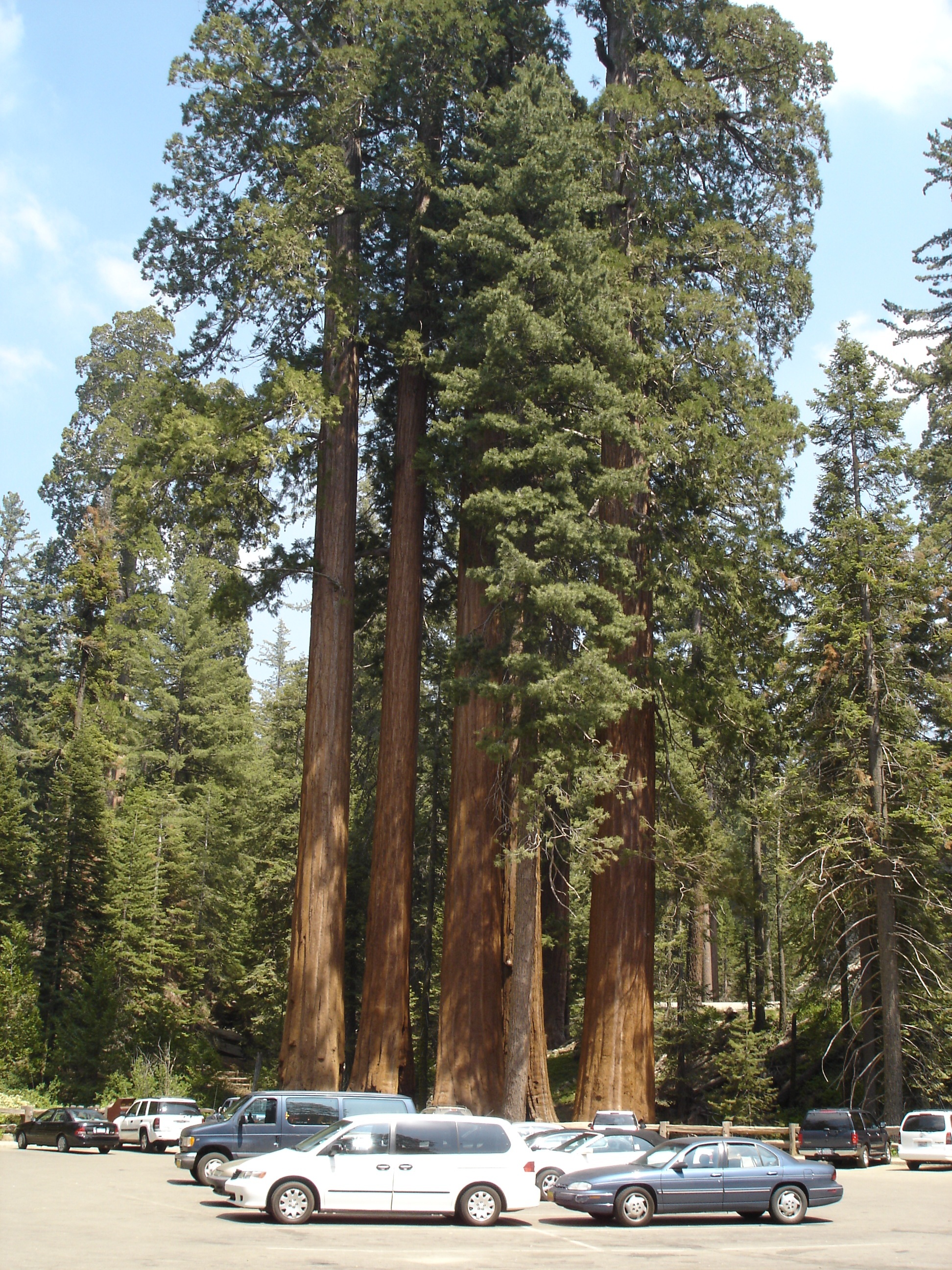
While the Coast Redwood claims the title of the world’s tallest tree, the Giant Sequoia holds the distinction of being the most massive tree on Earth by volume. These colossal conifers, with their immense girth and reddish-brown, deeply furrowed bark, command a different kind of awe. They are found exclusively on the western slopes of the Sierra Nevada mountains in California, typically at elevations between 4,500 and 7,000 feet (1,400 to 2,100 meters). Not only are they massive, but they are also incredibly ancient, with some specimens estimated to be over 3,000 years old, having witnessed millennia of human history and natural change. Standing at the base of a Giant Sequoia like the General Sherman Tree or the General Grant Tree offers a profound sense of scale and timelessness, making one feel like a tiny speck in the grand tapestry of nature.
The selection of these two magnificent trees as the state tree was a natural choice, embodying California’s pioneering spirit, resilience, and unparalleled natural beauty. They represent not just botanical wonders, but living landmarks that have shaped the state’s identity and continue to inspire reverence and wonder in all who encounter them.
Travel and Tourism: Experiencing California’s Redwood Forests
Visiting California’s redwood forests is a quintessential travel experience, offering diverse attractions and activities for every type of adventurer. Whether you’re seeking serene solitude, family-friendly hikes, or epic road trips, these natural cathedrals provide an unforgettable backdrop for your journey.
Iconic Redwood Destinations
To fully appreciate the grandeur of California’s state tree, several destinations stand out as must-visit landmarks.
For the Coast Redwoods (the tall ones):
- Redwood National and State Parks: Located in Northern California, this complex of parks preserves nearly half of all remaining old-growth Coast Redwood forests. Here, you can drive the scenic Newton B. Drury Parkway, hike through groves like the Tall Trees Grove (requiring a permit), or marvel at the sheer size in Jedediah Smith Redwoods State Park and Prairie Creek Redwoods State Park. The Avenue of the Giants, a scenic alternative to Highway 101, offers a breathtaking drive through ancient groves.
- Muir Woods National Monument: Just a short drive north of San Francisco, Muir Woods offers an easily accessible opportunity to walk among magnificent Coast Redwoods. Its proximity to a major metropolitan area makes it a popular choice for day trips, showcasing the beauty of these giants without a long journey into remote areas.
- Henry Cowell Redwoods State Park: Near Santa Cruz, this park is another excellent option for experiencing Coast Redwoods closer to central California. It features a popular loop trail that winds through a stunning old-growth grove.
For the Giant Sequoias (the massive ones):
- Sequoia and Kings Canyon National Parks: Home to the largest Giant Sequoia groves in the world, these adjacent parks in the Southern Sierra Nevada are where you’ll find the famous General Sherman Tree (the world’s most massive tree) and the General Grant Tree (the nation’s Christmas tree). Giant Forest and Grant Grove are incredible destinations for hiking and marveling at these ancient wonders.
- Yosemite National Park: While famous for its granite cliffs and waterfalls, Yosemite also hosts three groves of Giant Sequoias: Mariposa Grove, Tuolumne Grove, and Merced Grove. Mariposa Grove, the largest and most accessible, features the Grizzly Giant and the California Tunnel Tree, offering fantastic photo opportunities and interpretive trails.
Activities and Experiences
The redwood forests are not just for viewing; they are for experiencing. Tourism here is deeply connected to nature and active exploration.
- Hiking: From easy, paved loops suitable for all ages to challenging backcountry treks, trails abound. Popular options include the Boy Scout Tree Trail in Jedediah Smith Redwoods State Park or the Congress Trail in Sequoia National Park.
- Scenic Drives: The Avenue of the Giants and Newton B. Drury Parkway provide unparalleled opportunities for leisurely drives amidst the giants, with numerous pull-offs for photography and short walks.
- Camping: National and state parks offer a range of camping options, from primitive sites to developed campgrounds with amenities, allowing visitors to immerse themselves fully in the forest environment.
- Photography: The play of light and shadow, the towering scale, and the serene beauty of the redwoods make them a dream for photographers, amateur and professional alike.
- Educational Programs: Visitor centers and ranger-led programs offer insights into the ecology, history, and conservation of these unique ecosystems, enriching the local culture aspect of tourism.
Accommodation and Lifestyle Amidst the Giants
Beyond the trees themselves, the redwood regions offer a diverse array of accommodation options and cater to various travel lifestyles, from rugged adventurers to those seeking a luxurious escape.
Where to Stay: Hotels, Resorts, and Unique Lodgings
Exploring the vastness of California’s redwood forests often requires more than a day trip, making thoughtful accommodation planning essential. The surrounding towns and within-park options provide a spectrum of choices for every budget and preference.
- Inside the Parks: Many national and state parks offer lodges, cabins, and campgrounds directly within their boundaries. Options like Wuksachi Lodge in Sequoia National Park or Yosemite Valley Lodge in Yosemite National Park provide unparalleled access to trails and attractions. These can range from rustic cabins for a genuine wilderness experience to more comfortable hotel-style rooms.
- Nearby Towns: Gateway towns offer a broader selection of hotels, motels, and bed & breakfasts.
- For the Coast Redwoods in the north: Eureka, Arcata, Orick, and Crescent City provide hotels, resorts, and vacation rentals with amenities ranging from budget-friendly to more upscale. Many small, charming inns line the Avenue of the Giants.
- For the Giant Sequoias in the Sierra Nevada: Three Rivers (near Sequoia), Oakhurst, and Groveland (near Yosemite) offer various hotels, motels, and private home rentals.
- Unique Stays: For those seeking distinctive experiences, glamping sites are becoming increasingly popular, offering a luxurious twist on camping with comfortable tents, real beds, and often gourmet meals. Boutique hotels in towns like Ferndale or Garberville blend local charm with modern comforts. Websites specializing in accommodation booking and reviews are invaluable for comparing options and securing the perfect retreat.
Planning Your Redwood Retreat: Lifestyle Considerations
The redwoods cater to a spectrum of travel lifestyles, from adventure seekers to those prioritizing relaxation and family fun.
- Family Trips: Many redwood parks offer kid-friendly trails, junior ranger programs, and visitor centers with interactive exhibits. The sheer scale of the trees often captivates children, making it an educational and awe-inspiring experience for the whole family. Choosing accommodations with pools or family suites can enhance the trip.
- Budget Travel: Camping within the national and state parks is an excellent budget-friendly option, providing an intimate connection with nature at a lower cost. Many smaller motels in surrounding towns also offer economical stays. Planning meals and bringing your own provisions can further reduce expenses.
- Luxury Travel: For those desiring a more opulent experience, upscale resorts and boutique hotels exist in some areas, offering spa services, fine dining, and guided tours. Glamping, as mentioned, provides a luxurious outdoors experience without sacrificing comfort. A focus on unique, high-end accommodations and curated experiences can define a luxury redwood trip.
- Sustainable Travel: Many visitors are drawn to the redwoods for their ecological significance. Choosing eco-friendly accommodations, respecting park rules, and minimizing your environmental footprint contribute to preserving these precious landmarks for future generations.
Preservation and Legacy: The Redwood as a Landmark and Symbol
The story of California’s state tree is not just about their size or age; it is deeply intertwined with a history of conservation, a commitment to ecological preservation, and their enduring role as natural landmarks and symbols of resilience.
Ecological Significance and Conservation Efforts
The redwood forests are not merely collections of giant trees; they are complex, self-sustaining ecosystems. Their towering canopies create unique microclimates, harboring diverse flora and fauna found nowhere else on Earth. They play a critical role in carbon sequestration, air purification, and water filtration. The rich biodiversity supported by these ancient forests, from rare amphibians to migratory birds, underscores their immense ecological value.
However, these magnificent forests faced severe logging pressure in the 19th and early 20th centuries, leading to the destruction of vast swathes of old-growth redwoods. It was through the dedicated efforts of conservationists, including figures like John Muir and organizations such as the Save the Redwoods League, that public awareness was raised and significant tracts of land were set aside for protection. Today, national and state parks, along with private land trusts, are actively engaged in preserving the remaining old-growth forests and restoring previously logged areas. These efforts involve scientific research, sustainable forest management, and educational programs aimed at fostering a deeper appreciation for these natural treasures.

A Lasting Impression: Why Visit California’s Redwood Forests?
Visiting California’s redwood forests is more than just a trip; it’s a journey into a primeval world that profoundly impacts the senses and the spirit. It’s an opportunity to connect with nature on an extraordinary scale, to walk among living beings that predate empires, and to breathe air made fresh by ancient leaves. These natural landmarks offer:
- Awe-Inspiring Beauty: The sheer scale and ancient presence of the redwoods evoke a sense of wonder and humility, reminding us of the grandeur of the natural world.
- Tranquility and Solitude: Despite their popularity, the vastness of the redwood parks often allows for moments of quiet reflection and peaceful immersion in nature.
- Educational Value: They offer invaluable lessons in ecology, history, and the importance of conservation, making them ideal destinations for educational travel.
- Adventure and Exploration: With countless trails, scenic routes, and diverse activities, they cater to every level of outdoor enthusiast.
The California Redwood, in its dual form as the Coast Redwood and Giant Sequoia, is more than just the state tree; it is a living symbol of California’s enduring wildness, its commitment to conservation, and its ability to inspire awe. For travelers seeking a truly monumental experience, a pilgrimage to these natural cathedrals promises memories that will last a lifetime, fostering a deeper connection to our planet and its ancient wonders.
LifeOutOfTheBox is a participant in the Amazon Services LLC Associates Program, an affiliate advertising program designed to provide a means for sites to earn advertising fees by advertising and linking to Amazon.com. Amazon, the Amazon logo, AmazonSupply, and the AmazonSupply logo are trademarks of Amazon.com, Inc. or its affiliates. As an Amazon Associate we earn affiliate commissions from qualifying purchases.