
Florida, often dubbed the Sunshine State, is a premier destination for travelers worldwide, boasting everything from pristine beaches and thrilling theme parks to vibrant cities and tranquil natural landscapes. Whether you’re planning a luxury escape to Miami, a family adventure to Orlando, or a historical journey through St. Augustine, understanding the local geography, culture, and even the technical aspects like area codes can significantly enhance your travel experience. Far from being mere digits, Florida’s array of area codes offers a subtle guide to its diverse regions, helping you pinpoint locations, plan your accommodation, and immerse yourself in distinct local lifestyles. For visitors and long-term stay guests alike, familiarity with these numerical identifiers provides a practical tool for communication and a deeper insight into the state’s sprawling and dynamic landscape.

Understanding Florida’s Extensive Area Code System
Florida’s rapid population growth and expansion of telecommunication services over the decades have necessitated a complex and continually evolving area code system. What started with just two area codes – 305 for most of the state and 904 for the northern regions – has burgeoned into a comprehensive network of over a dozen codes, many of which overlap through overlay plans. An “overlay” occurs when a new area code is introduced to the same geographic region as an existing one, requiring callers to dial all ten digits (area code + seven-digit number) for all local calls within that zone. This system ensures a sufficient supply of phone numbers to meet demand without requiring existing subscribers to change their numbers.
For travelers, understanding this system goes beyond just making phone calls. It offers geographical clues, helping to confirm the location of a hotel reservation, identify the origin of a local business contact, or even discern which region a particular attraction falls within. Each area code, or set of overlay codes, essentially defines a unique segment of Florida, influencing everything from local culture and preferred attractions to the cost of accommodation and the type of lifestyle you might encounter. From the bustling metropolitan areas of Miami-Dade County and Broward County to the serene Florida Panhandle and the enchanting Florida Keys, these numerical distinctions paint a clearer picture of the state’s intricate regional tapestry. Familiarizing yourself with these codes is a subtle yet effective way to navigate the Sunshine State’s vast offerings, enriching your journey whether it’s for leisure, business, or an extended stay.
Navigating Florida by Area Code: A Regional Guide
Florida’s area codes are more than just dialing prefixes; they serve as geographical markers, each corresponding to distinct regions with unique travel experiences, landmarks, and accommodation options. Exploring the state through the lens of its area codes provides a structured way to understand its diverse offerings.
Southeast Florida: The Vibrant Coasts of Miami and Fort Lauderdale
This dynamic region, a magnet for luxury travel, cultural immersion, and vibrant nightlife, is served primarily by a cluster of area codes. Miami-Dade County is home to the original 305 and its overlay, 786. These codes encompass iconic destinations like the cosmopolitan city of Miami, the glamorous shores of South Beach, and the tranquil upscale retreats of Key Biscayne. Here, visitors can explore the historic Art Deco District, marvel at the opulence of Vizcaya Museum & Gardens, or embark on a cruise from PortMiami.
North of Miami-Dade County, Broward County utilizes 954 and its overlay, 754. This area includes Fort Lauderdale, often called the “Venice of America” for its extensive canal system. Attractions here range from the upscale shops and restaurants along Las Olas Boulevard to the bustling Port Everglades, another major cruise hub. Both regions offer a plethora of accommodation options, from luxurious beachfront resorts and boutique hotels to family-friendly suites and long-term apartment rentals catering to diverse lifestyles. The proximity to Everglades National Park also offers unique eco-tourism experiences.
Central Florida: Theme Parks and Beyond
When most people think of Central Florida, they envision the magic of Orlando, and indeed, this region is a global epicenter for family trips and world-class attractions. The primary area code for Orlando and its surrounding areas like Kissimmee is 407, complemented by its overlays, 321 and the newer 689. The 321 code also uniquely extends eastward to the Space Coast, covering cities like Melbourne and the Kennedy Space Center Visitor Complex.
This zone is synonymous with unparalleled entertainment, headlined by Walt Disney World Resort and Universal Orlando Resort, which draw millions of visitors annually. Beyond the theme parks, Central Florida offers natural springs, diverse dining, and shopping experiences. Accommodation here is vast, ranging from expansive resorts with all-inclusive amenities to budget-friendly hotels and spacious vacation villas perfect for family groups or extended stays. Even Daytona Beach, famous for its motorsports and sandy shores, falls within the broader reach of this central Florida network, offering a different coastal vibe.
West Coast Wonders: Tampa Bay, St. Petersburg, and Southwest Charm
Florida’s Gulf Coast is known for its stunning white-sand beaches, vibrant arts scene, and laid-back yet sophisticated lifestyle. The heart of the Tampa Bay area, including the bustling city of Tampa, uses the 813 area code. Tampa offers attractions like Busch Gardens Tampa Bay and a rich historical district in Ybor City. Just across the bay, St. Petersburg and Clearwater, renowned for their award-winning beaches and cultural institutions like the Dali Museum, share the 727 area code.
Further south, the Southwest Florida region is segmented by additional codes. The 239 area code covers cities like Fort Myers and the luxurious enclave of Naples, a hotspot for upscale travel, fine dining, and championship golf. Northeast of this, Sarasota and Bradenton, famous for their cultural arts, pristine beaches (like Siesta Key), and proximity to natural wonders such as Myakka River State Park, are served by the 941 area code. Accommodation in this region varies from sprawling beach resorts and boutique hotels to private villas, catering to both budget and luxury travelers seeking sun-drenched relaxation.
Northeast Florida: Historic Charm and Coastal Beauty
The 904 area code primarily serves Northeast Florida, an area rich in history and natural beauty. This includes the state’s largest city by land area, Jacksonville, a hub for business travel and outdoor adventures. However, perhaps the most famous destination in this area code is St. Augustine, the nation’s oldest continuously inhabited European-established settlement, boasting incredible landmarks like the Castillo de San Marcos and a charming historic district.
The region also encompasses coastal gems such as Amelia Island, known for its upscale resorts and pristine beaches, and Ponte Vedra Beach, a golfer’s paradise. Northeast Florida offers a blend of historical tourism, beach vacations, and a relaxed lifestyle, with accommodation options ranging from historic inns and luxury resorts to modern hotels, suitable for both romantic getaways and family explorations.
The Florida Panhandle: Emerald Coasts and Southern Hospitality
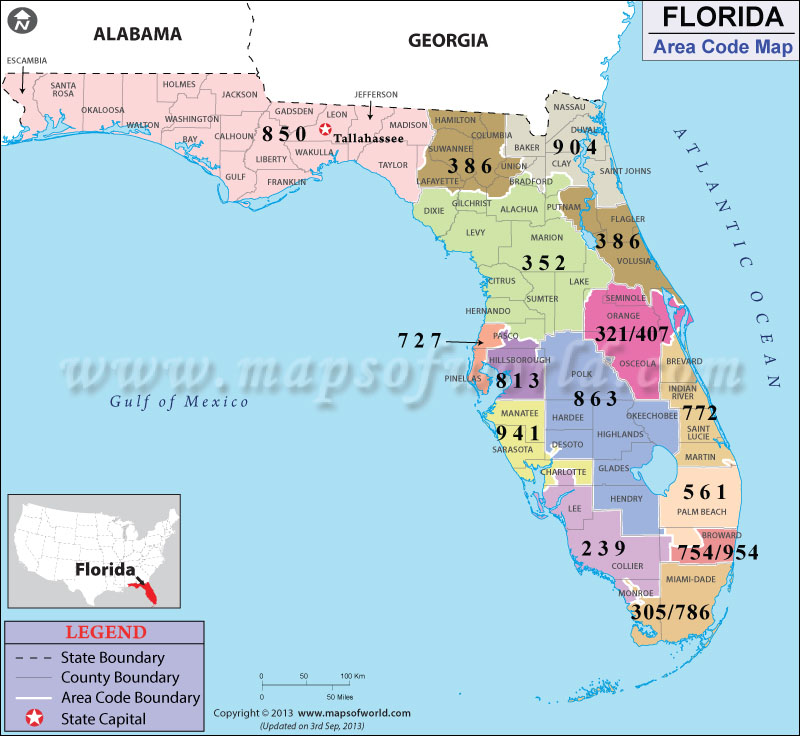
Stretching across the northern Gulf Coast, the Florida Panhandle is characterized by its “Emerald Coast” beaches, Southern charm, and a more laid-back atmosphere. This entire region operates under the 850 area code. Key cities within this zone include Tallahassee, the state capital, offering insights into Florida’s political history and vibrant college town culture.
Other popular destinations include Pensacola, with its rich military history and beautiful beaches, Destin, famous for its fishing and family resorts, and Panama City Beach, a popular spot for spring breakers and beach lovers alike. The Panhandle is an excellent choice for budget travel, family trips focused on beach activities, and those seeking a more traditional Florida vacation away from the major theme park crowds. Accommodation here includes numerous beachfront hotels, condos, and vacation rentals.
The Florida Keys: Island Paradise
While geographically distinct, the enchanting chain of islands that make up the Florida Keys remarkably share the same 305 and 786 area codes as Miami-Dade County. This unique situation highlights the historical connection between Miami and this tropical archipelago. Cities like Key Largo, Marathon, and the iconic Key West fall under this designation.
The Keys offer a distinctly different Florida experience: a bohemian, laid-back island lifestyle focused on marine activities like scuba diving, snorkeling, and fishing. Landmarks include the Ernest Hemingway Home and Museum in Key West and numerous state parks preserving the unique ecosystem. Accommodation in the Keys often comprises charming boutique hotels, guesthouses, and resorts designed for romantic getaways or adventurous couples, offering a distinct cultural immersion unlike anywhere else in the state.
Beyond the Digits: Area Codes and Your Florida Travel Experience
Understanding Florida’s area codes offers more than just practical dialing information; it’s a subtle but powerful tool for planning and enriching your travel and accommodation experience.
Enhancing Your Accommodation Search
When booking hotels, suites, apartments, or villas in Florida, knowing the area code of your desired destination can be incredibly helpful. Online booking platforms or reviews sometimes reference local phone numbers, and identifying the area code can confirm the precise geographical region of your potential stay. This is particularly useful in large metropolitan areas like Miami or Orlando, where a difference of a few miles can mean a completely different vibe or proximity to specific attractions. For example, knowing a hotel is in the 407 area code immediately places it within the Orlando theme park sphere, while a 727 number signals a St. Petersburg or Clearwater beachside location. This helps in comparing accommodation options more accurately, ensuring your chosen stay aligns with your travel goals, whether it’s a family resort, a business-friendly hotel, or a secluded villa for a long-term stay.
Immersing in Local Culture and Activities
Each Florida area code region cultivates its own unique local culture, food scene, and array of activities. The 305/786 codes, for instance, are synonymous with vibrant Latin influences, world-class dining, and trendy art scenes, reflecting Miami’s cosmopolitan flair. In contrast, the 850 region of the Panhandle offers a taste of Southern hospitality, fresh seafood, and a relaxed beach culture.
By understanding these regional distinctions, travelers can better tailor their experiences. Seeking out local eateries, attending regional festivals, or exploring hidden gems becomes easier when you have a geographical context. Area codes, therefore, become a subtle guide to local life, helping you connect with the authentic experiences that lie beyond the typical tourist brochures. Whether you’re looking for adventurous eco-tourism, historical exploration, or a deep dive into local gastronomy, recognizing the area code can point you in the right direction for an authentic cultural immersion.
Lifestyle and Budget Considerations
Florida’s diverse area codes also correlate with different lifestyle and budget considerations. Regions like Naples (239) or Amelia Island (904) are often associated with luxury travel, high-end resorts, and exclusive amenities, catering to those seeking an indulgent escape or a sophisticated business stay. On the other hand, destinations within the 850 or parts of the 727 area codes might offer more budget-friendly travel options, with numerous family-oriented hotels, campsites, and affordable activities.
Knowing the typical lifestyle and cost implications linked to specific area codes allows travelers to align their expectations and financial planning more effectively. Whether you’re planning a lavish getaway, a frugal family vacation, or scouting for long-term stay options, the area code provides an initial filter for understanding the prevalent lifestyle and budget requirements of a particular Florida region.
Practical Dialing Tips and Future Outlook for Florida Area Codes
For both visitors and new residents in Florida, navigating the state’s extensive area code system comes with a few essential practical considerations. Due to the prevalence of overlay plans, ten-digit dialing is mandatory across virtually all of Florida. This means that even for local calls, you must dial the area code followed by the seven-digit phone number. Attempting to dial only seven digits will result in an error or an incomplete call. This rule applies whether you are calling a local hotel, a restaurant for reservations, or a fellow traveler within the same city.
For those considering a long-term stay or moving to Florida, understanding which area code serves your specific neighborhood can also be helpful for setting up utilities, internet, and other local services. While your mobile phone will often automatically manage dialing, being aware of the local area code can be beneficial for providing contact information or understanding where a call might be originating from.
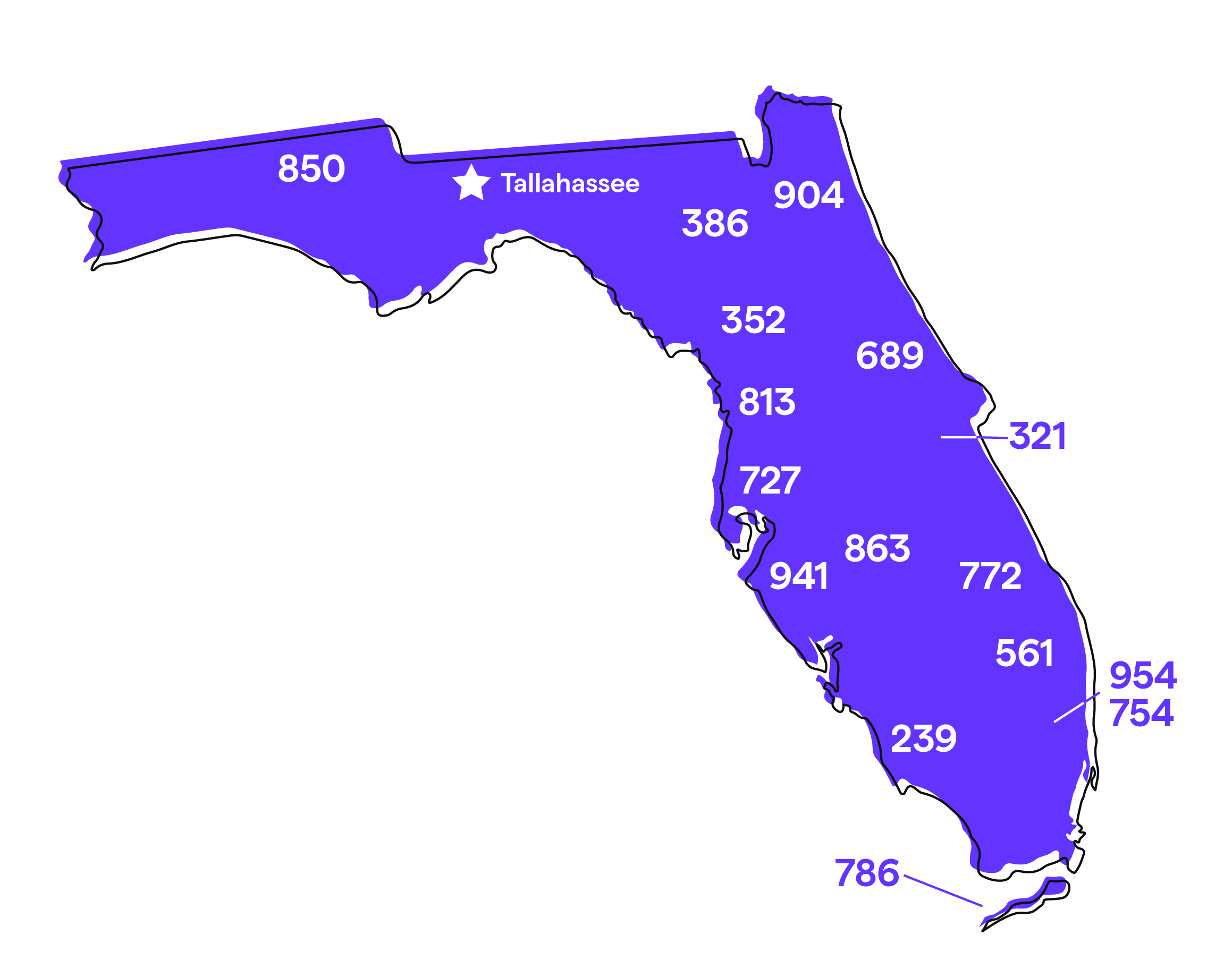
The landscape of Florida’s area codes is not static. As the state continues to grow, new overlays and splits are periodically introduced to meet the increasing demand for phone numbers. For example, recent years have seen the implementation of new codes like 645 as an overlay in the Miami-Dade County and Florida Keys areas, and 448 as an overlay for the 850 region in the Panhandle. These changes underscore the importance of staying informed, particularly for business travelers or those with extended commitments in the state. Telecom authorities and local news outlets are reliable sources for updates on new area code implementations.
In conclusion, Florida’s area codes are far more than arbitrary numbers. They are fundamental components of the state’s geographical and telecommunication infrastructure, offering valuable insights for anyone looking to travel, reside, or do business in the Sunshine State. By understanding this intricate system, visitors can better plan their journeys, identify suitable accommodations, and immerse themselves more fully in the diverse experiences that each unique Florida region has to offer.
LifeOutOfTheBox is a participant in the Amazon Services LLC Associates Program, an affiliate advertising program designed to provide a means for sites to earn advertising fees by advertising and linking to Amazon.com. Amazon, the Amazon logo, AmazonSupply, and the AmazonSupply logo are trademarks of Amazon.com, Inc. or its affiliates. As an Amazon Associate we earn affiliate commissions from qualifying purchases.