
California, a land of unparalleled beauty and diverse landscapes, beckons millions of travelers each year with its stunning coastline, majestic mountains, sprawling national parks, and vibrant cities. From the sun-drenched beaches of Malibu and Santa Barbara to the towering redwoods of the north, the bustling metropolises of Los Angeles and San Francisco, and the serene vineyards of Napa Valley and Sonoma County, the Golden State offers an endless array of destinations and experiences. However, beneath this allure lies a significant and growing challenge: the pervasive threat of wildfires. These natural phenomena, exacerbated by climate change, drought, and historical land management practices, have become an increasingly prominent feature of the California landscape, raising critical questions for both residents and visitors alike.
For those planning a California adventure, understanding the prevalence and impact of wildfires is no longer a peripheral concern but an essential aspect of responsible travel planning. The question, “How many wildfires in California?” goes beyond a simple number; it delves into the ecological shifts, the human toll, and the implications for tourism and lifestyle across the state. This article will explore the scope of California’s wildfire challenge, its impact on beloved landmarks and travel destinations, and practical advice for navigating this reality while still enjoying all that the state has to offer.
Understanding the Scope: A Look at California’s Wildfire Landscape
The narrative of wildfires in California is complex, marked by cyclical patterns of drought and intense fire seasons. While fire is a natural component of many California ecosystems, human activities and a changing climate have amplified its scale and intensity, turning what were once beneficial ecological processes into devastating catastrophes.
The Data Behind the Flames: Quantifying the Challenge
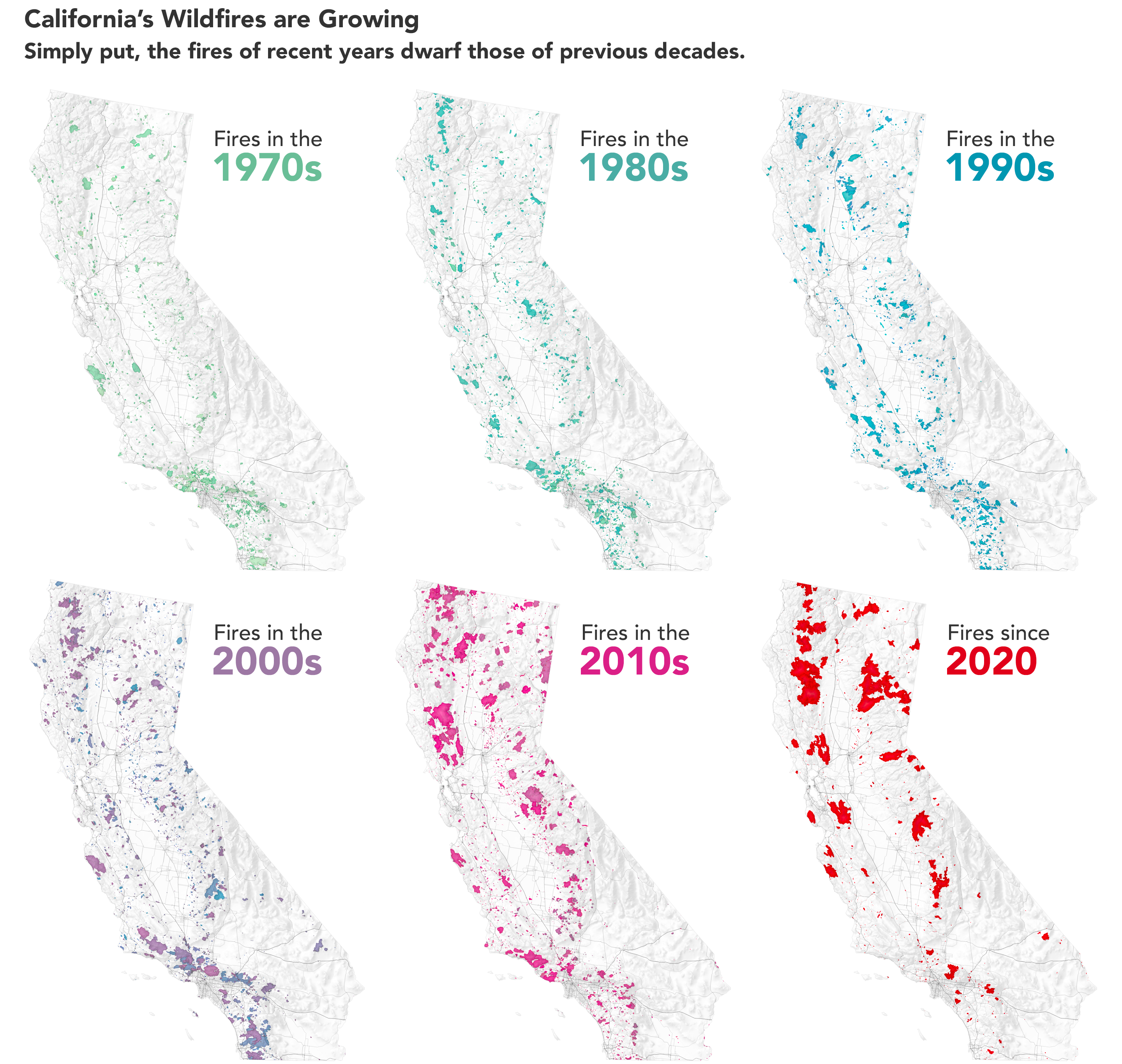
When we ask “how many wildfires?”, the answer is often staggering and fluctuates dramatically year by year. Historically, California experiences thousands of wildfires annually, ranging from small, quickly contained blazes to massive, destructive infernos. According to the California Department of Forestry and Fire Protection (CAL FIRE), the state typically sees an average of over 7,000 fires a year, burning hundreds of thousands of acres. However, in recent years, this number has often been surpassed, particularly in terms of acres burned and the sheer destructive power of individual events.
For instance, the period between 2017 and 2021 witnessed some of the most destructive and largest wildfires in California’s recorded history. The 2018 Camp Fire became the deadliest and most destructive wildfire in state history, devastating the town of Paradise. The 2020 fire season, fueled by a record number of lightning strikes, saw the August Complex, LNU Lightning Complex, and SCU Lightning Complex become some of the largest fires ever recorded in the state. In 2021, the Dixie Fire further broke records, becoming the second-largest fire in state history, consuming nearly a million acres across multiple counties including Plumas, Lassen, Butte, Tehama, and Shasta.
These numbers underscore a clear trend: not only are there a significant number of fires, but a subset of them are growing increasingly large and destructive, impacting vast swaths of land and threatening communities in the Wildland-Urban Interface (WUI), where human development meets undeveloped wildland.
Contributing Factors: Why California Burns
Several interconnected factors contribute to California’s susceptibility to wildfires:
- Climate Change: Rising global temperatures lead to longer, hotter, and drier summers. This extended dry season desiccates vegetation, turning forests and grasslands into tinder.
- Drought: Prolonged periods of drought are a critical precursor to severe fire seasons. California has experienced persistent drought conditions, stressing ecosystems and making them more vulnerable.
- Fuel Accumulation: A century of fire suppression policies has led to an unnatural build-up of dense undergrowth and dead vegetation in many forests. When fires do ignite in these areas, they burn with extreme intensity.
- Santa Ana Winds: These strong, dry winds typically blow from the desert east into coastal California during the fall and winter, rapidly spreading embers and fanning flames across vast distances, often accelerating existing fires into uncontrollable infernos. Similar strong winds occur in Northern California, known as Diablo Winds.
- Human Activity: While natural causes like lightning strikes initiate some fires, a significant percentage (over 85%) are caused by human activities – often unintentionally – such as faulty power lines, campfires, discarded cigarettes, vehicle accidents, and even arson.
Navigating Travel and Tourism Amidst Wildfire Season

For the travel and tourism industry, wildfires pose a unique set of challenges, impacting everything from destination appeal and accommodation bookings to local economies and public safety. Yet, California remains a premier global destination, and understanding how to navigate its fire seasons responsibly is key to enjoying its beauty.
Impact on Iconic Destinations and Natural Wonders
Many of California’s most beloved landmarks and natural attractions are nestled within or adjacent to fire-prone areas. National parks like Yosemite National Park, Sequoia National Park, Kings Canyon National Park, Joshua Tree National Park, and Redwood National Park are critical ecosystems that experience fire. During active fire seasons, portions of these parks may close temporarily, trails become inaccessible, and air quality can deteriorate significantly due to smoke, even hundreds of miles away.
Regions famed for their scenic beauty, such as Lake Tahoe, Big Sur along Highway 1, and the wine countries of Napa and Sonoma, have all experienced the direct and indirect impacts of wildfires. Smoke plumes can obscure panoramic views, affecting the enjoyment of scenic drives and outdoor activities. In the wine regions, smoke taint can affect grape harvests, posing economic challenges to local wineries and impacting food tourism.
The resilience of these areas is often remarkable, with ecosystems regenerating and communities rebuilding. However, recovery is a long-term process, and some landscapes, especially ancient forests, can suffer irreversible damage. Travelers should be aware that even after a fire is contained, areas may remain closed for hazard mitigation (e.g., clearing fallen trees) or ecological restoration.
Accommodation and Lifestyle Considerations for Visitors
Wildfires can significantly disrupt travel plans and impact accommodation choices.
- Booking and Cancellations: Many hotels, resorts, and vacation rentals in affected areas may need to cancel bookings for safety reasons or due to poor air quality. It’s crucial for travelers to check cancellation policies and consider travel insurance that covers fire-related disruptions.
- Air Quality: Even if a fire is not directly threatening a destination, smoke can drift hundreds of miles, leading to unhealthy air quality. This can significantly affect outdoor activities and pose health risks, particularly for individuals with respiratory conditions. Websites like AirNow.gov provide real-time air quality data.
- Road Closures: Wildfires often necessitate road closures, potentially rerouting travel plans or making certain areas inaccessible. Checking local transportation authority websites (e.g., Caltrans) is essential before embarking on a road trip.
- Impact on Local Businesses: Local businesses, from restaurants to tour operators, can suffer immensely during and after wildfires due to reduced tourism. Supporting these businesses once it is safe to do so can be a powerful way to contribute to recovery efforts.
Staying Informed and Planning Your California Adventure
Despite the challenges, California remains an incredible place to visit. By staying informed and adopting responsible travel practices, visitors can minimize risks and still experience the Golden State’s magic.
Essential Resources for Travelers
Proactive research is the best defense against unexpected wildfire disruptions. Here are key resources:
- CAL FIRE Incident Map: This interactive map provides real-time updates on active wildfires, including size, containment, and evacuation orders. It’s the primary source for fire information in California.
- National Oceanic and Atmospheric Administration (NOAA) Weather Service: Provides critical weather forecasts, including warnings for high winds and red flag warnings, which indicate conditions ripe for extreme fire behavior.
- Local Tourism Boards and Park Websites: Always check the official websites of specific national parks, state parks, and local tourism organizations (e.g., Visit Yosemite, Visit Napa Valley). These sites will have the most current information on closures, air quality, and access restrictions for their specific areas.
- Caltrans QuickMap: For road conditions and closures, especially vital for those planning scenic drives along Highway 1 or through mountainous regions.
- Your Accommodation Provider: Before and during your trip, maintain communication with your hotel, resort, or rental host for localized updates and advice.
Sustainable Travel and Community Support
Being a responsible traveler in California means more than just staying safe; it involves understanding and respecting the local environment and communities.
- Fire Safety: Practice extreme caution with anything that could spark a fire. Adhere to all fire bans, never leave campfires unattended, and properly dispose of all smoking materials. Learn about “Leave No Trace” principles.
- Support Local: When it is safe to travel, consider supporting local businesses in communities that have been impacted by fires. Your tourism dollars can play a crucial role in their recovery.
- Consider Off-Peak Travel: Traveling during the cooler, wetter months (outside of the typical summer/fall fire season) can be a great way to avoid the peak wildfire risk and enjoy a different side of California.
- Stay Flexible: The nature of wildfires means situations can change rapidly. Maintaining flexibility in your travel plans and having alternative itineraries can reduce stress and ensure a more enjoyable trip.
In conclusion, while the question of “how many wildfires in California?” points to an undeniable and increasing challenge, it does not diminish the state’s enduring allure. California remains a dream destination, offering diverse attractions, world-class hotels, and unforgettable experiences. By understanding the context of wildfires, staying informed, and traveling responsibly, visitors can still enjoy the Golden State safely and contribute positively to its resilience and recovery. California’s spirit, much like its vibrant landscapes, continues to adapt and thrive, inviting curious and conscientious travelers to discover its beauty year-round.
LifeOutOfTheBox is a participant in the Amazon Services LLC Associates Program, an affiliate advertising program designed to provide a means for sites to earn advertising fees by advertising and linking to Amazon.com. Amazon, the Amazon logo, AmazonSupply, and the AmazonSupply logo are trademarks of Amazon.com, Inc. or its affiliates. As an Amazon Associate we earn affiliate commissions from qualifying purchases.