
Florida, often heralded as the Sunshine State, conjures images of pristine beaches, world-class theme parks, and luxurious lifestyles. Millions flock to its shores annually, drawn by the promise of adventure, relaxation, and endless summer. Yet, beneath this veneer of perpetual vacation, like any vibrant and complex state, Florida grapples with diverse economic realities, including varying levels of poverty. Understanding the economic landscape of Florida is crucial for both visitors seeking authentic experiences and residents navigating daily life. This exploration will delve into the multifaceted economic situation, particularly as it intersects with the very industries that define the state – travel, tourism, and accommodation – offering a perspective that extends beyond the typical tourist brochure.
Unveiling Florida’s Economic Tapestry Beyond the Tourist Glare
The perception of Florida as an affluent playground often overshadows the economic challenges faced by many of its residents. While areas like Palm Beach, Naples, and sections of Miami epitomize luxury, the state also contend with significant income disparities and communities struggling with poverty. This economic mosaic is not always immediately apparent to the casual traveler, but it forms an integral part of the state’s social fabric.
The Cost of Paradise: Living Expenses and Wages
Living in a desirable destination like Florida often comes with a higher cost of living, especially in major metropolitan and coastal areas. Housing, in particular, can be a substantial burden, with rental prices and property values skyrocketing in popular tourist hubs. A server working at a beachfront restaurant in South Beach, for instance, might earn wages that are decent by national standards, but they could still struggle to afford a modest apartment within a reasonable commuting distance. This creates a disconnect where those who serve the tourism industry often find it challenging to partake in the “paradise” they help create.
The minimum wage in Florida, while incrementally increasing, often falls short of a true living wage in high-cost areas. This economic pressure is a primary driver of poverty, forcing many families to juggle multiple jobs or make difficult choices between necessities. For a family of four, the federal poverty line might seem low, but the reality is that many individuals and families earn above this line yet still experience significant financial hardship due to the exorbitant cost of rent, childcare, transportation, and healthcare in cities like Orlando, Tampa, or Fort Lauderdale. The vibrant economy fuelled by tourism, while creating jobs, also inflates costs, inadvertently contributing to the financial strain on the local workforce.
Disparities Across the Sunshine State
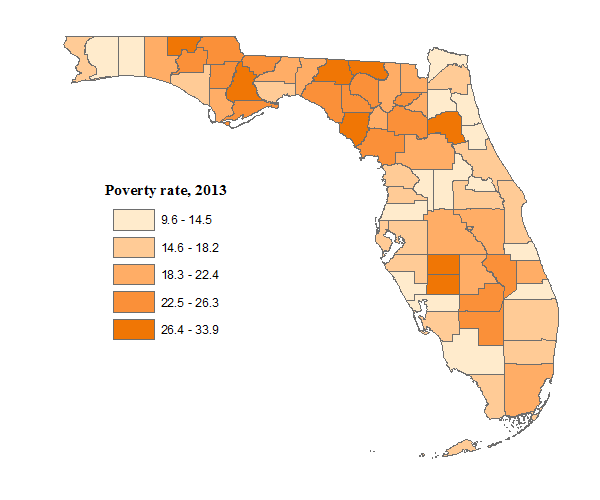
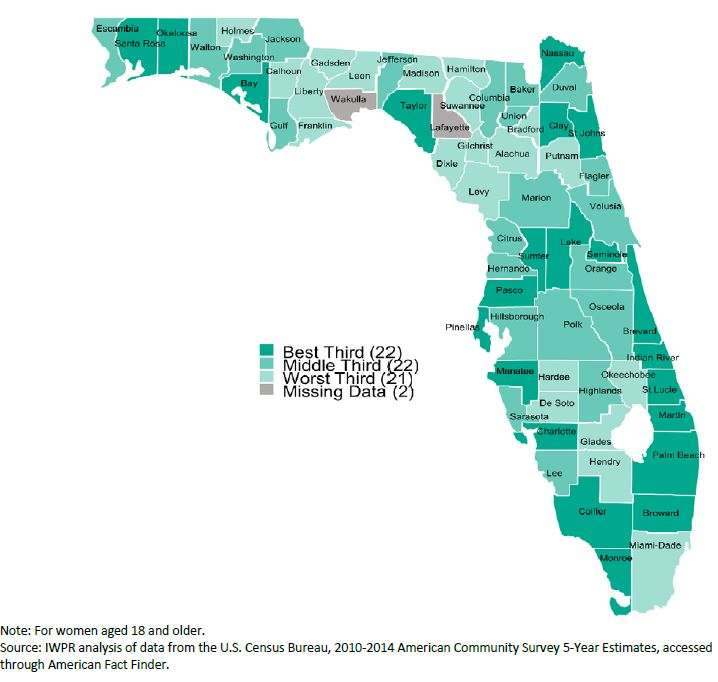
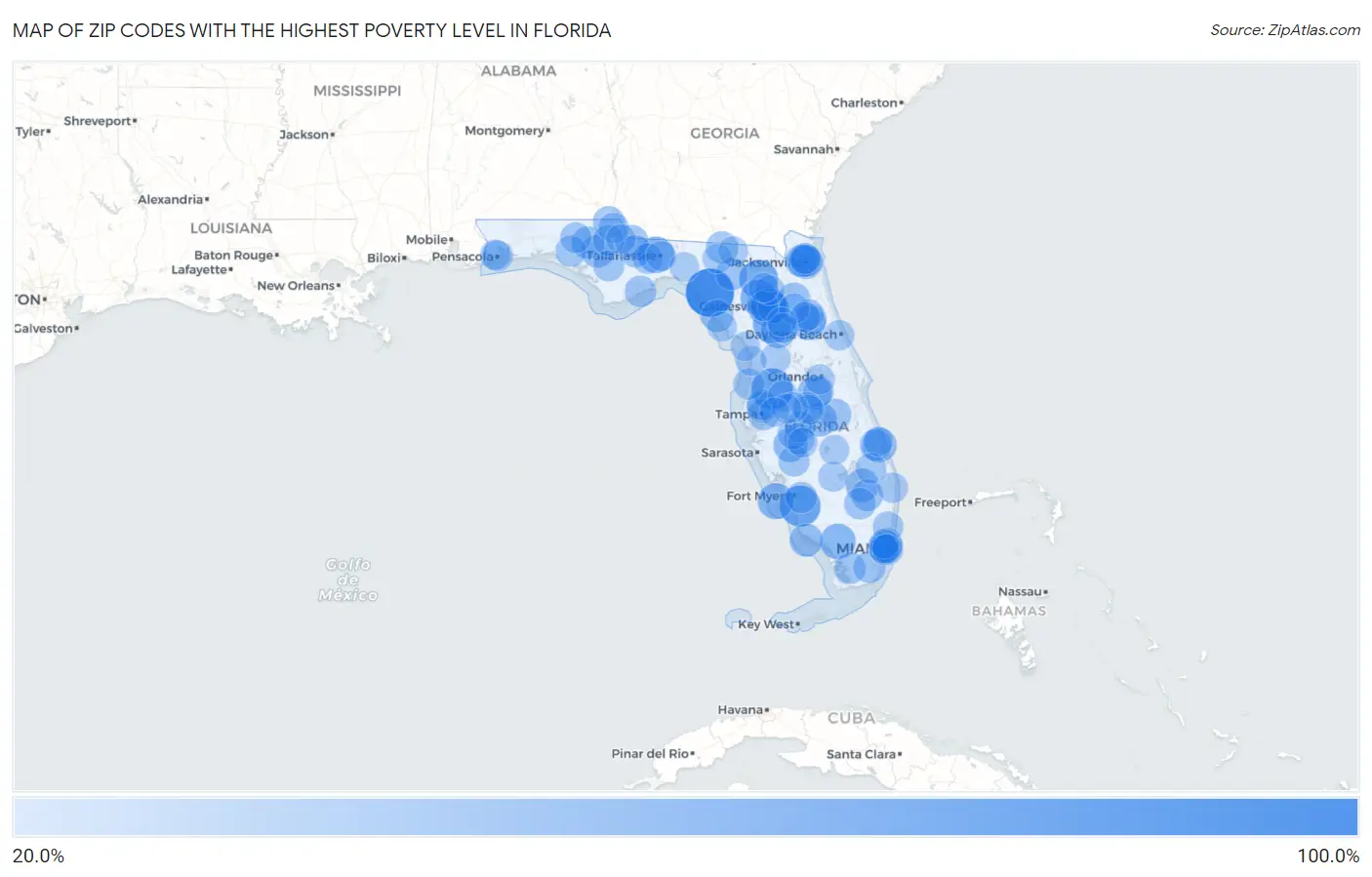
The economic reality is not uniform across Florida. While areas like Miami-Dade County and Orange County (home to Walt Disney World Resort) boast robust economies driven by tourism and international business, other regions face more entrenched economic difficulties. Rural counties, particularly in the northern and central parts of the state, often exhibit higher poverty rates and fewer opportunities for high-wage employment.
Even within affluent counties, pockets of poverty exist, often hidden just a few miles from luxury resorts or sprawling golf courses. These disparities highlight the complex nature of economic well-being in the state. Jacksonville, Florida’s largest city by population, presents a blend of economic activity, but like any large urban center in the United States, it grapples with areas of concentrated poverty alongside flourishing commercial districts. Understanding these geographical and socio-economic nuances is essential for any comprehensive view of Florida’s economic landscape.
The Tourism Economy: A Double-Edged Sword for Local Livelihoods
Tourism is the lifeblood of Florida’s economy, generating billions of dollars in revenue and supporting millions of jobs. From theme parks like Universal Orlando Resort to the myriad hotels and restaurants across the state, the industry is a massive employer. However, its impact on local livelihoods is complex and often presents a double-edged sword. While it creates numerous employment opportunities, many of these jobs are in the service sector, characterized by lower wages, part-time hours, and limited benefits, which can keep individuals and families teetering on the brink of poverty.
Hospitality’s Workforce: Bridging the Economic Divide
The hotels, resorts, and attractions that draw visitors to Florida rely heavily on a dedicated workforce. Housekeepers, front desk staff, landscapers, restaurant servers, and ride operators are the backbone of the hospitality industry. While these roles are vital, the compensation often doesn’t align with the high cost of living in popular tourist destinations. This creates a paradoxical situation where the very people who make Florida a dream destination for others often struggle to achieve their own dreams of economic stability.
For many, these jobs represent a gateway into the workforce, particularly for new immigrants or those with limited educational attainment. However, the path to upward mobility within the industry can be challenging, requiring additional training or advanced degrees that are not always accessible. Initiatives aimed at providing better wages, benefits, and career development pathways within the hospitality sector are crucial for bridging this economic divide and ensuring that the prosperity generated by tourism benefits the local workforce more equitably.
Affordable Accommodation Challenges for Residents
The boom in tourism and related industries has had a significant impact on housing affordability for long-term residents. The demand for vacation rentals and luxury properties, often driven by out-of-state and international investors, inflates housing prices and reduces the availability of affordable long-term rentals. In popular areas like the Florida Keys or St. Petersburg, locals, including essential service workers, struggle to find housing they can afford, leading to long commutes or displacement.
This challenge extends beyond single-family homes to apartments and even extended-stay hotels, which are sometimes the only option for low-income workers. The competition for accommodation is fierce, and the construction of new luxury hotels often takes precedence over affordable housing developments. Addressing this systemic issue requires concerted efforts from local governments and developers to balance tourist accommodation needs with the critical demand for housing that local workers can afford, ensuring the communities remain sustainable and vibrant for everyone.
Navigating Florida: Budget-Conscious Travel and Community Engagement
For travelers looking to explore Florida beyond its most famous, often expensive, attractions, there are countless opportunities to experience the state’s natural beauty and diverse culture on a budget. This approach not only makes travel more accessible but also often leads to more authentic encounters with local communities and a deeper understanding of Florida’s true character, including its economic realities.
Exploring Florida on a Shoestring: Authentic Experiences
Budget-conscious travel in Florida can open up a world of experiences often overlooked by those solely focused on luxury. Instead of staying in high-end resorts, travelers can opt for charming boutique hotels in lesser-known towns, cozy apartments booked through local hosts, or even camping in one of the state’s numerous state parks. Destinations like Gainesville, with its vibrant university scene, or the historic streets of St. Augustine, offer rich cultural experiences without the exorbitant price tag of Miami Beach or Key West.
Exploring the Everglades National Park, canoeing down a spring-fed river in Ocala National Forest, or visiting the quieter Gulf Coast beaches around Sarasota can provide equally enriching experiences at a fraction of the cost. These activities allow visitors to connect with Florida’s unique ecosystems and local communities, moving beyond the curated, often insulated, environment of large-scale tourist attractions like Busch Gardens Tampa Bay or SeaWorld Orlando.
Sustainable Tourism and Local Empowerment
Sustainable tourism practices can play a vital role in addressing economic disparities and supporting communities battling poverty. By choosing to stay at locally owned hotels, dine at independent restaurants, and purchase crafts from local artisans, travelers can directly contribute to the local economy and ensure that their dollars circulate within the community. This approach helps empower small businesses and individuals who might not directly benefit from the larger, corporate-driven tourism industry.
Furthermore, engaging in community-based tourism, where visitors participate in activities that support local development projects or learn about local culture directly from residents, offers an opportunity to make a positive social impact. This can involve visiting cultural centers in Tampa’s Ybor City, exploring historic neighborhoods in Daytona Beach, or supporting eco-tourism initiatives that provide employment for local guides. Such choices transform travel from a purely consumptive activity into a form of responsible engagement that can foster economic resilience in vulnerable communities.
Lifestyle Choices and Economic Realities in the Sunshine State
The diverse economic landscape of Florida allows for a spectrum of lifestyles, from extreme luxury to budget-conscious living. Understanding this range is key to appreciating the state beyond its glossy postcards. For those considering a longer stay or even relocation, grasping the cost of living and employment opportunities is paramount.
Balancing Luxury and Local Insights
While Florida is synonymous with luxury travel, including opulent resorts, high-end shopping, and exclusive experiences, it is also home to a resilient population living and working across various income levels. A balanced perspective requires acknowledging both the dazzling allure of places like Fisher Island and the daily grind of communities working to make ends meet. Travelers can experience both by perhaps indulging in a stay at a lavish Grand Hyatt Hotel for a few nights, and then venturing out to explore local markets, public beaches, and neighborhood eateries that showcase the authentic, everyday life of Florida.
This blend of experiences offers a richer understanding of the state. It highlights how economic success and prosperity coexist with economic challenges, and how these different facets contribute to the vibrant, complex character of Florida. It’s about recognizing that the economic reality is not monolithic but a tapestry woven from diverse threads, from the high-tech industries in Orlando and Cape Canaveral (near the Kennedy Space Center Visitor Complex) to the agricultural heartland and the bustling ports along the Atlantic Coast.
Giving Back: Responsible Travel and Support for Local Initiatives
For travelers seeking to make a positive impact, Florida offers numerous opportunities to support local communities. This can range from simple actions like tipping generously in service industries, knowing that these wages often underpin livelihoods, to engaging with non-profit organizations focused on poverty alleviation, education, or environmental conservation. Many local charities and community centers in cities like Clearwater Beach or Tallahassee welcome volunteer efforts or donations, allowing visitors to contribute directly to the well-being of the state’s residents.
Ultimately, understanding the poverty level in Florida means looking beyond the curated images and engaging with the full spectrum of its economic reality. It’s about appreciating the beauty and opportunities while also recognizing the challenges faced by many. By embracing responsible travel practices, supporting local businesses, and remaining mindful of the economic context, visitors can contribute to a more equitable and sustainable Florida for all. This thoughtful approach enriches not only the travel experience but also strengthens the communities that make the Sunshine State such a compelling destination.
LifeOutOfTheBox is a participant in the Amazon Services LLC Associates Program, an affiliate advertising program designed to provide a means for sites to earn advertising fees by advertising and linking to Amazon.com. Amazon, the Amazon logo, AmazonSupply, and the AmazonSupply logo are trademarks of Amazon.com, Inc. or its affiliates. As an Amazon Associate we earn affiliate commissions from qualifying purchases.