
When people talk about the “Big Island” in Hawaii, they are referring to Hawaii Island itself. This might sound a bit like a tongue-twister or a trick question, but it’s a simple truth rooted in the island’s impressive scale. Hawaii Island is the largest and southeasternmost of the Hawaiian Islands, an archipelago stretching across the central Pacific Ocean. While its official name is Hawaii Island, the moniker “Big Island” was adopted to avoid confusion with the state of Hawaii as a whole. This distinction is crucial for travelers and residents alike, highlighting its unique identity within the diverse island chain.
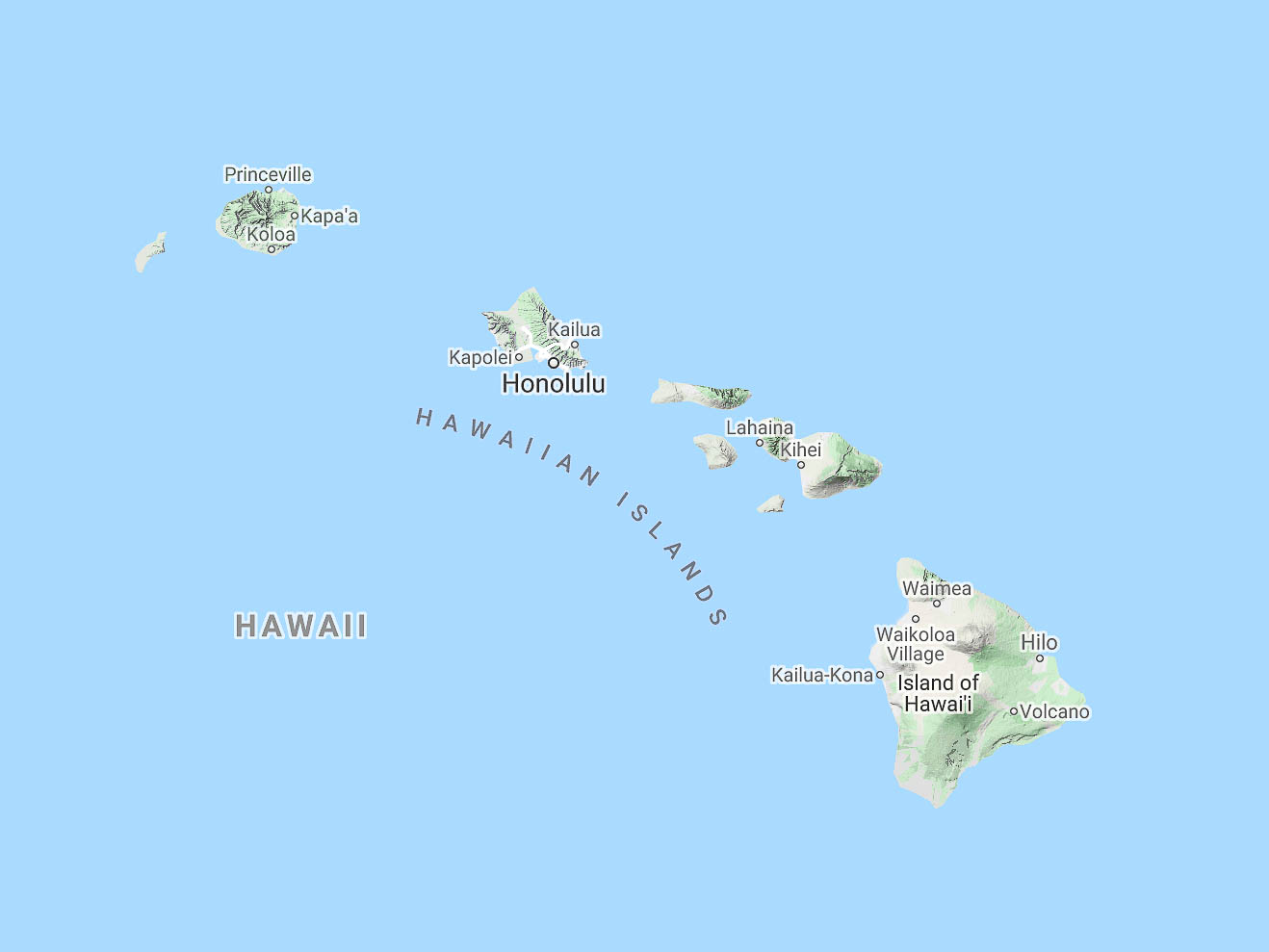
The sheer size of Hawaii Island is truly remarkable. It is nearly twice the size of all the other Hawaiian Islands combined, covering an area of approximately 4,028 square miles (10,432 square kilometers). This vast expanse means it boasts an incredible diversity of landscapes and microclimates, from active volcanoes and barren lava fields to lush rainforests, snow-capped mountains, and white, black, and even green sand beaches. It’s a microcosm of the world, offering an unparalleled range of natural wonders and experiences that captivate every visitor.
Unveiling the “Big Island”: Its True Identity and Why it Matters
The decision to frequently refer to Hawaii Island as the “Big Island” wasn’t merely a matter of convenience; it was a practical necessity. Imagine planning a trip to “Hawaii” and then trying to specify which island you intended to visit if they all shared the same primary name. This colloquial title quickly became the norm, firmly embedding itself in guidebooks, travel discourse, and the minds of millions worldwide. But its identity extends far beyond just its name and size.
A Geologic Marvel in the Making
Hawaii Island is the youngest island in the Hawaiian chain and is still actively growing thanks to its five shield volcanoes: Mauna Kea, Mauna Loa, Kilauea, Hualalai, and Kohala. Among these, Kilauea is one of the world’s most active volcanoes, constantly adding new land to the island through its eruptions. This continuous geological activity means that the landscape is in a perpetual state of flux, offering a dynamic environment that contrasts sharply with the older, more eroded islands to the northwest.
The island’s volcanic origins are not just a point of scientific interest; they are integral to its identity and appeal. Visitors come from around the globe to witness the raw power of creation at Hawaii Volcanoes National Park, where they can see recent lava flows, steam vents, and sometimes even glowing lava (when conditions permit). This living, breathing landscape defines much of the island’s character, creating unique ecosystems and dramatic scenery unlike anywhere else on Earth.
A Land of Extremes: Geography, Climate, and Unmatched Diversity
The term “Big Island” isn’t just about total area; it encapsulates the staggering geographical and climatic diversity contained within its borders. Hawaii Island is renowned for hosting 10 of the world’s 14 climate zones, a feat made possible by its immense size, varied elevations, and strategic location. From sun-drenched beaches to alpine tundra, the island truly offers an experience for every preference.
From Volcanic Peaks to Pristine Beaches
At its heart lie the majestic volcanoes. Mauna Kea, a dormant volcano, is the highest point in Hawaii and, when measured from its base on the ocean floor, is the tallest mountain in the world, surpassing Mount Everest. Its summit often receives snow in winter, creating a surreal landscape of white peaks against a tropical backdrop. It’s also home to some of the world’s most powerful astronomical observatories, making it a prime location for stargazing.
Conversely, the coastline offers a kaleidoscope of sandy shores. The famous black sand beaches, such as Punalu’u Black Sand Beach, are formed from cooled lava that has been pulverized by the ocean’s waves. Here, green sea turtles often bask in the sun, oblivious to human admirers. There are also pristine white sand beaches like Hapuna Beach State Park on the Kona side, perfect for swimming and sunbathing, and even rare green sand beaches at Ka Lae (South Point), made from olivine crystals.
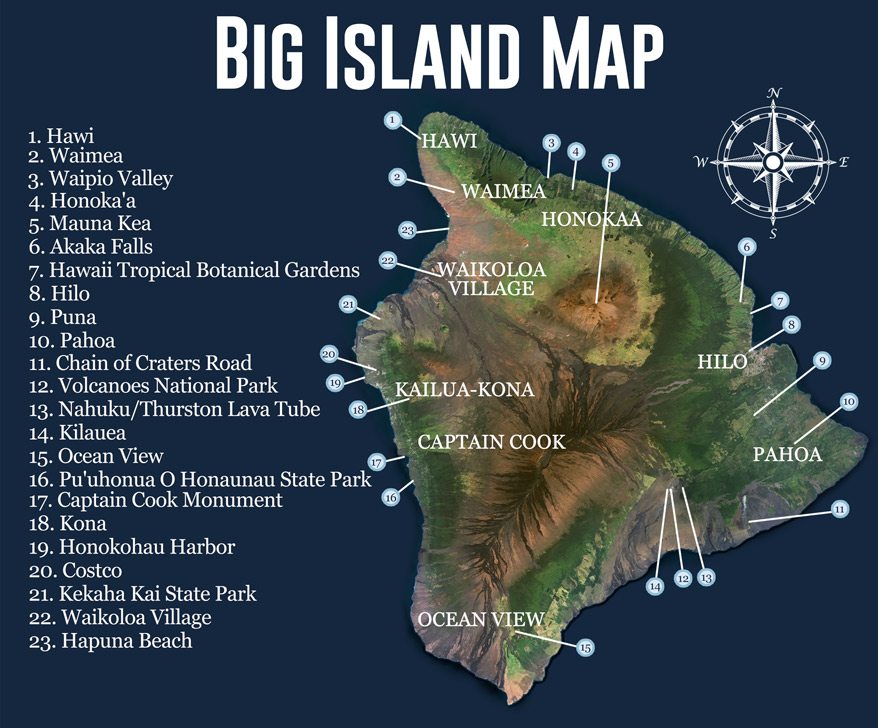
The island’s two main urban centers, Hilo on the east coast and Kailua-Kona on the west, epitomize this climatic divide. Hilo is known for its lush, tropical rainforests and frequent rainfall, which feed spectacular waterfalls like Akaka Falls State Park and Rainbow Falls State Park. This verdant landscape is ideal for growing exotic fruits and flowers. Kailua-Kona, in contrast, enjoys a sunnier, drier climate, perfect for its famous Kona coffee plantations and an abundance of ocean activities. This stark contrast between the “wet side” and “dry side” adds another layer to the island’s incredible diversity.
Must-See Attractions and Experiences on the Big Island
Given its expansive nature, the “Big Island” offers an overwhelming array of attractions and activities catering to every interest. From intense adventure to serene relaxation, there’s truly something for everyone.
Exploring the Volcanic Heart

No visit to Hawaii Island is complete without experiencing Hawaii Volcanoes National Park. This UNESCO World Heritage Site is home to Kilauea and Mauna Loa, two of the world’s most active volcanoes. Visitors can hike across old lava flows, explore lava tubes like the Thurston Lava Tube, and witness steam vents rising from the earth. The park’s landscape is a raw, powerful testament to ongoing geological processes, offering a profound connection to the Earth’s formative forces. Ranger-led programs and the Jaggar Museum (currently closed due to seismic activity, but observation points are available) provide invaluable insights into the science and mythology of these fiery mountains, revered as the home of the fire goddess Pele.
Coastal Wonders and Historical Gems
The west coast, or Kona Coast, is a haven for water sports enthusiasts. Kealakekua Bay, a marine life conservation district, is famous for its exceptional snorkeling and diving, teeming with vibrant coral reefs and colorful fish. It’s also the site where Captain Cook first landed and ultimately met his demise, marked by a historic monument. Further south, Pu’uhonua o Honaunau National Historical Park, the “Place of Refuge,” offers a fascinating glimpse into ancient Hawaiian culture and traditions, where kapu (sacred laws) breakers could find absolution.
On the northeast side, the lush Hamakua Coast is a scenic drive filled with breathtaking vistas, deep gorges, and cascading waterfalls. Waipio Valley, known as the “Valley of the Kings,” is a sacred and historic place offering dramatic cliffs, a black sand beach, and stunning natural beauty. While the road into the valley is extremely steep and often restricted to 4WD vehicles or guided tours, the overlook provides an unforgettable panoramic view. Nearby, the Hawaii Tropical Bioreserve & Garden showcases an incredible collection of exotic plants and flowers in a stunning oceanfront setting.
Celestial Stargazing and Unique Agricultural Experiences
For an otherworldly experience, a trip to the summit of Mauna Kea for stargazing is a must. Its high elevation, dry atmosphere, and minimal light pollution create some of the clearest skies on Earth, making it a premier destination for astronomy. Even if you don’t make it to the summit, the Mauna Kea Visitor Information Station at 9,200 feet offers nightly stargazing programs with telescopes and expert guides.
The island also offers unique agricultural tourism. The Kona Coffee Belt on the slopes of Hualalai is world-renowned for its distinct flavor. Visitors can tour coffee farms, learn about the cultivation process, and sample freshly brewed coffee. Similarly, the Kaʻū Coffee Trail offers insights into another rising coffee region on the island.
Planning Your Big Island Escape: Accommodation and Travel Tips
Successfully navigating the “Big Island” requires a bit of planning, primarily due to its size. Deciding where to stay and how to get around will significantly impact your experience.
Where to Lay Your Head: Diverse Accommodation Options
The island offers a wide spectrum of accommodation, from luxurious beachfront resorts to charming bed and breakfasts and budget-friendly vacation rentals.
- Kona Side (West): This area, particularly the Kohala Coast north of Kailua-Kona, is home to many of the island’s most opulent resorts. The Four Seasons Resort Hualalai, Fairmont Orchid, Mauna Lani, Auberge Resorts Collection, and Westin Hapuna Beach Resort offer world-class amenities, golf courses, spas, and direct beach access. For those seeking a livelier atmosphere and more dining options within walking distance, Kailua-Kona offers hotels like the Outrigger Kona Resort and Spa and various vacation rental apartments.
- Hilo Side (East): Accommodations here tend to be more modest and budget-friendly, reflecting the town’s local charm. Hotels like the Hilo Hawaiian Hotel and the Grand Naniloa Hotel Hilo, a DoubleTree by Hilton provide comfortable stays with easy access to the rainforests, waterfalls, and the vibrant Hilo Farmers Market.
- Volcano Village: Near Hawaii Volcanoes National Park, this small town offers a range of quaint cabins, B&Bs, and vacation homes, perfect for those wanting to explore the park extensively.
- Upcountry (Waimea): For a taste of ranch life and cooler temperatures, Waimea (also known as Kamuela) offers charming guesthouses and access to scenic rolling hills and paniolo (Hawaiian cowboy) culture.
Regardless of your choice, booking in advance, especially during peak seasons, is highly recommended. Many resorts offer packages that include activities, dining, and other amenities, providing a comprehensive travel experience.
Getting Around and Essential Tips
Given the island’s vast distances, renting a car is almost a necessity to fully explore Hawaii Island. Major car rental companies operate at both Kona International Airport (KOA) and Hilo International Airport (ITO). Four-wheel drive vehicles are recommended if you plan to visit rugged areas like the road to Mauna Kea summit or Waipio Valley (if permitted).
- Inter-island travel: If you’re visiting other Hawaiian Islands, inter-island flights are frequent and relatively short, connecting Hawaii Island to Oahu, Maui, and Kauai.
- Best Time to Visit: The “Big Island” is a year-round destination, but the shoulder seasons (April-May and September-November) often offer pleasant weather and fewer crowds. The winter months (December-March) are popular for whale watching, while summer (June-August) is ideal for warm, sunny beach days.
- Respect the ‘Aina (Land) and Culture: The Hawaiian people have a deep reverence for their land and traditions. Visitors are encouraged to practice responsible tourism, respect sacred sites, not disturb wildlife (especially sea turtles and monk seals), and leave no trace.
- Packing Essentials: Bring layers of clothing, as temperatures can vary greatly from sea level to volcanic summits. Sunscreen, hats, insect repellent, sturdy hiking shoes, and swimwear are also must-haves.
The island’s expansive nature encourages exploration and discovery. One day you could be hiking across a volcanic crater, the next snorkeling in crystal-clear waters, and the next enjoying a traditional Hawaiian luau under the stars. The “Big Island” truly offers a complete Hawaii experience, embodying the spirit of aloha in its grandest form. Its majestic landscapes, vibrant culture, and endless opportunities for adventure make it an unforgettable destination for any traveler seeking to connect with nature’s profound beauty and power.
LifeOutOfTheBox is a participant in the Amazon Services LLC Associates Program, an affiliate advertising program designed to provide a means for sites to earn advertising fees by advertising and linking to Amazon.com. Amazon, the Amazon logo, AmazonSupply, and the AmazonSupply logo are trademarks of Amazon.com, Inc. or its affiliates. As an Amazon Associate we earn affiliate commissions from qualifying purchases.