
Florida, often affectionately known as The Sunshine State, is a premier travel destination renowned for its pristine beaches, world-class theme parks, vibrant cities, and lush natural landscapes. Millions flock to its shores annually, seeking everything from the magic of Walt Disney World Resort in Orlando to the vibrant nightlife of Miami or the serene beauty of the Florida Keys. However, for many discerning travelers, the allure of Florida comes with a hidden caveat: allergens. While the state offers an incredible array of experiences, its unique climate and diverse ecosystems create an environment where various allergens can thrive, potentially impacting your dream vacation.
Understanding the current allergen landscape in Florida is crucial for anyone planning a visit, especially those prone to seasonal allergies, asthma, or other environmental sensitivities. This guide dives deep into what allergens are currently prevalent, how they might affect your tourism experience, and, most importantly, how you can meticulously plan your Florida travel to minimize their impact, ensuring a comfortable and memorable journey. From selecting the right accommodation to choosing allergy-friendly attractions and packing essentials, we’ll equip you with the knowledge to navigate Florida’s airborne challenges with confidence, allowing you to focus on creating unforgettable experiences.
Navigating Florida’s Dynamic Allergen Landscape: What’s Currently High
Florida’s subtropical climate means that allergy seasons aren’t as clearly defined as in other parts of the United States. Here, certain allergens can be present year-round, while others peak intensely during specific months. Knowing what’s currently in the air is the first step in proactive allergy management for your trip.
Seasonal Pollen Patterns and Predominant Triggers
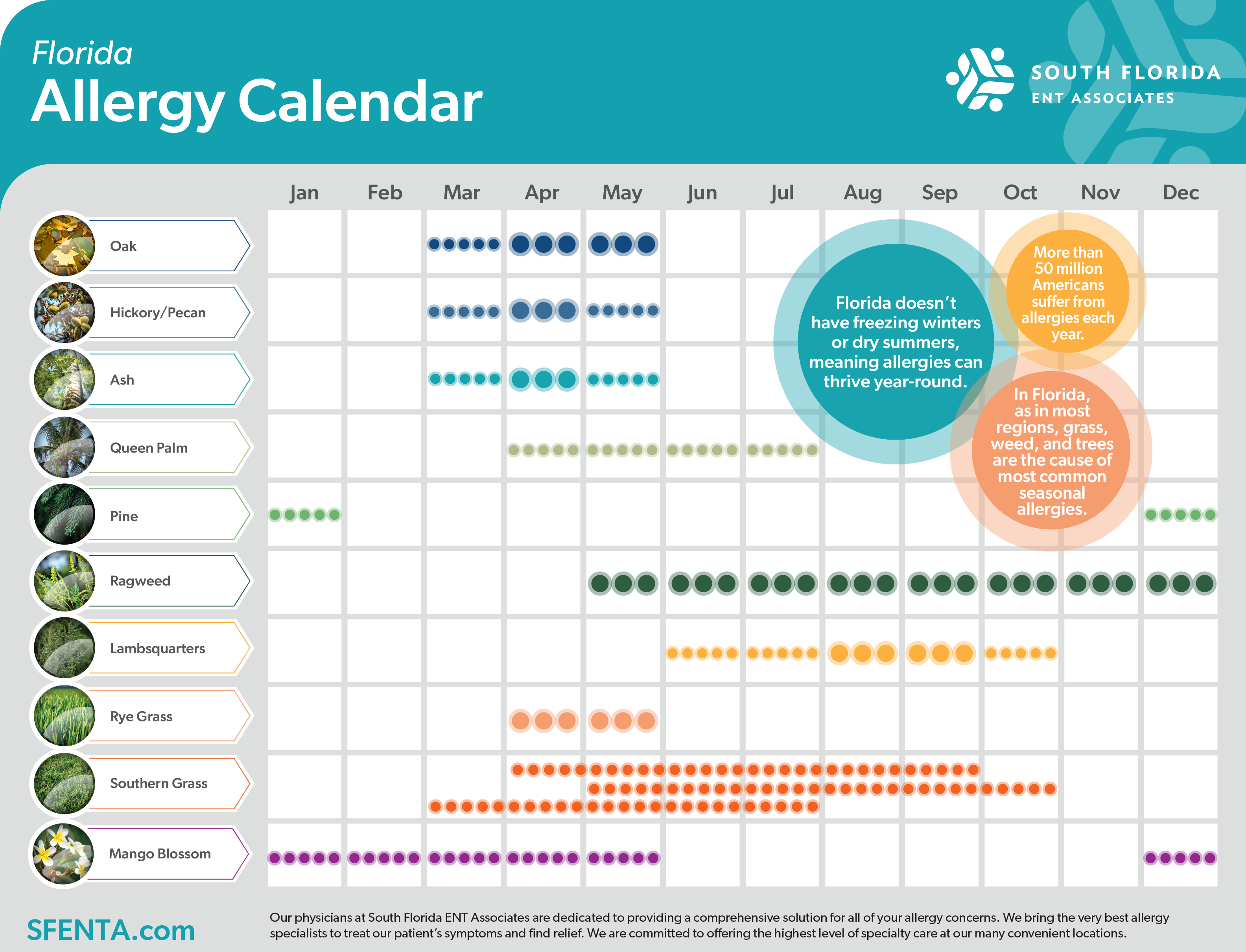
Unlike northern climates where winter offers a clear reprieve from pollen, Florida experiences a prolonged and often overlapping succession of pollen seasons. While specific levels fluctuate based on recent weather patterns (rain can wash away pollen temporarily, while dry, windy days can send counts soaring), there are general trends to be aware of:
- Winter (December – February): Even in winter, tree pollen can be high, particularly from junipers, cypresses, and oaks. Certain weeds, like ragweed, can also persist into early winter in some regions. Mold spores, however, are a year-round concern in Florida due to the humidity.
- Spring (March – May): This is often the most challenging time for tree pollen in Florida. Oak, pine, and cypress trees release massive amounts of pollen, coating cars and surfaces in yellow dust. Grass pollens, particularly from Bermuda grass, Johnson grass, and Bahia grass, also begin to rise significantly during this period, peaking in late spring and early summer.
- Summer (June – August): While tree pollen generally wanes, grass pollen remains a dominant force. Weed pollens, such as those from ragweed, pigweed, and plantain, begin to emerge and climb towards their peak later in the summer. High humidity during this season also dramatically increases mold spore counts, both outdoors and indoors.
- Fall (September – November): Fall is often considered the peak season for ragweed and other weed pollens in Florida, which can linger well into November. Grass pollens are also still significant, and mold spores continue to thrive in the damp conditions as hurricane season progresses.
Therefore, “right now” depends heavily on the current month and specific weather patterns. Generally, travelers should always be prepared for some level of tree, grass, and weed pollen, with mold spores being a consistent threat due to the high humidity across the entire state. Monitoring local pollen forecasts from reputable sources before and during your trip is highly recommended.
The Ubiquitous Presence of Mold and Dust Mites
Beyond pollen, two other major allergens in Florida are mold and dust mites, largely driven by the state’s warm, humid climate.
- Mold: Florida’s moisture-rich environment is an ideal breeding ground for mold. It thrives outdoors in decaying vegetation, soil, and damp areas, and can easily grow indoors in poorly ventilated spaces, bathrooms, and areas affected by leaks or humidity. Travelers with mold allergies may find their symptoms exacerbated year-round, regardless of pollen counts. This is particularly relevant in older hotels or accommodation that might not have the most advanced humidity control.
- Dust Mites: These microscopic creatures flourish in warm, humid conditions and are a common indoor allergen. They reside in bedding, carpets, upholstered furniture, and curtains. Even well-maintained resorts and apartments in Florida can harbor dust mites, making allergen-proof bedding and thorough cleaning crucial considerations for sensitive guests.
Understanding these pervasive allergens is key to planning an allergen-conscious Florida itinerary, focusing not just on outdoor activities but also on the indoor environments you’ll encounter.
Crafting an Allergen-Aware Florida Itinerary and Accommodation Choices
Once you understand Florida’s allergen profile, the next step is to integrate this knowledge into your trip planning. This proactive approach is fundamental to a pleasant and symptom-free lifestyle during your travels.
Timing Your Visit and Choosing Destinations Wisely
The time of year you visit Florida can significantly impact your allergen exposure.
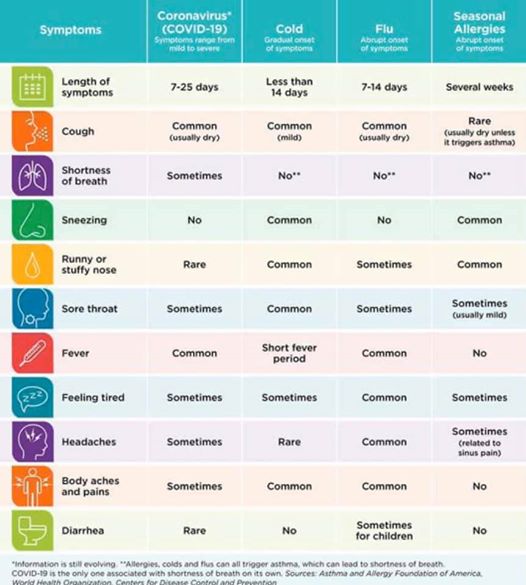
- Optimal Times for Allergy Sufferers: While no time is entirely allergen-free, late fall (late November/early December) and parts of winter (January, before spring pollens kick in) might offer a slight reprieve from some of the heaviest pollen loads. However, mold and dust mites remain constant.
- Avoiding Peak Seasons: If you have severe tree pollen allergies, consider avoiding spring (March-May). If ragweed is your trigger, bypass late summer and fall (August-October).
- Coastal vs. Inland Considerations: Generally, coastal areas, such as Key West, Sarasota, or the Atlantic Coast beaches, tend to have lower pollen counts than inland regions like Orlando or Gainesville. The sea breeze helps to disperse pollen, and there’s less dense vegetation immediately surrounding beach areas. However, coastal environments can sometimes contribute to higher mold counts due to constant humidity and sea spray. Researching specific destinations like Tampa, St. Petersburg, or Jacksonville and their local flora is key.
When planning your activities, balance outdoor adventures with indoor attractions. Theme parks like Universal Studios Florida, Epcot, or Busch Gardens Tampa Bay offer many indoor shows and rides that provide refuge from pollen. Museums, aquariums, and shopping centers are excellent choices on high-pollen days. If visiting natural landmarks like Everglades National Park, consider wearing a mask and checking local advisories.
Selecting Allergen-Friendly Accommodation
Your choice of where to stay is paramount for allergy sufferers. The right hotel, resort, or villa can make all the difference.
- The “Allergy-Friendly” Room: Many modern hotels offer specific “allergy-friendly” or “PURE” rooms. These rooms typically feature:
- Air purification systems: HEPA filters to remove airborne particles.
- Allergen-proof bedding: Mattress and pillow encasings to reduce dust mites.
- Hardwood floors: Minimizing carpets where allergens can accumulate.
- Special cleaning protocols: Using hypoallergenic cleaning products.
- Dehumidifiers: To control mold growth.
Always call the hotel directly to confirm these features and request such a room. Do not rely solely on online booking descriptions.
- Hotel Chains with Noted Practices: Luxury and upscale chains often lead the way in offering allergen-conscious options. Brands like Westin (known for their “Heavenly Bed” and emphasis on wellness), Marriott, Hilton, Hyatt, and Four Seasons are good starting points. They generally have higher standards for HVAC maintenance and cleaning. Inquire about their specific policies regarding pet-free rooms (if pet dander is an issue) and hypoallergenic options.
- Vacation Rentals (Airbnb, VRBO, etc.): These can be a double-edged sword. On one hand, you might have more control over your immediate environment (e.g., cooking your own food to avoid food allergens, controlling the thermostat). On the other hand, cleaning standards can vary widely, and you might not have access to commercial-grade air filtration. If opting for a vacation rental, look for properties that explicitly mention “allergy-friendly,” “no pets,” “no smoking,” and have hard flooring. Communicate directly with the host about cleaning practices and humidity control.
- Consider Hotel Amenities: Look for hotels with good ventilation systems, central air conditioning (which often includes filtration), and a reputation for cleanliness. Newer constructions generally have better HVAC and fewer lingering mold issues than older buildings.
Proactive Lifestyle Management for an Enjoyable Florida Trip
Beyond careful planning, adopting specific daily habits and packing smart can significantly reduce your allergen exposure and help you manage symptoms effectively while enjoying all that Florida has to offer. This aspect of luxury travel or even budget travel is about personal well-being.
Essential Packing and Daily Routines
Preparing your personal kit and adhering to simple routines can make a world of difference.
- Medication is Key: Do not leave home without your prescribed allergy medications (antihistamines, nasal sprays, inhalers). Pack enough for your entire trip, plus a few extra days, in case of travel delays. Over-the-counter options like decongestants or eye drops can also be helpful. If you have severe allergies, ensure you have an EpiPen and that your travel companions know how to use it.
- Consider Portable Air Purifiers: For sensitive individuals, a small, portable HEPA air purifier can be a game-changer for your hotel room. They are compact enough to fit in luggage and can significantly improve the air quality in your immediate sleeping environment.
- Personal Hygiene Practices:
- Shower and Change Clothes: After spending time outdoors, especially on high-pollen days, shower and change into clean clothes. This washes pollen off your skin and hair and prevents you from tracking it into your accommodation and bedding.
- Wash Hands Regularly: Avoid touching your face, especially your eyes and nose, after being outdoors. Regular hand washing can help prevent transferring allergens.
- Stay Hydrated: Drinking plenty of water helps keep your mucous membranes moist, which can sometimes make them less reactive to irritants.
- Sunglasses: Wearing sunglasses outdoors can help protect your eyes from airborne pollen.
Monitoring Local Conditions and Being Prepared
Staying informed and having a plan for symptom flare-ups is crucial for peace of mind.
- Utilize Pollen Forecasts: Many weather apps and websites provide daily pollen counts for specific Florida cities and regions. Check these regularly and adjust your outdoor plans accordingly. High-pollen days might be better spent at indoor attractions like the Kennedy Space Center or the numerous museums found throughout South Florida and Central Florida.
- Be Aware of Food Allergies: While distinct from environmental allergies, many travelers have both. When enjoying Florida’s diverse culinary scene, from Key West’s seafood to Miami’s Latin cuisine, always communicate your food allergies clearly to restaurant staff. Carry chef cards translated into English if necessary.
- Know Local Medical Resources: Familiarize yourself with the location of nearby pharmacies, urgent care clinics, and hospitals in the areas you’ll be visiting, whether it’s Orlando, Tampa, or a quieter Gulf Coast town. Many pharmacies offer walk-in clinics for minor ailments.
- Consider Travel Insurance: For comprehensive peace of mind, especially for international travelers or those with pre-existing conditions, consider travel insurance that covers medical emergencies and trip interruptions. This can be a wise investment if severe allergy symptoms unexpectedly impact your trip.

Conclusion: Embracing the Florida Experience, Allergy-Smart
Florida truly offers a world of discovery, from the bustling energy of its metropolitan hubs to the tranquil beauty of its natural preserves. Allergies, while a significant consideration, do not have to derail your plans for an unforgettable trip. By understanding the prevailing allergens – be it the current surge in tree pollen during spring, the relentless presence of mold in humid summers, or the year-round challenge of dust mites – and by implementing proactive strategies, you can significantly mitigate their impact.
From meticulously selecting an allergen-friendly hotel or resort with advanced air purification and cleaning protocols, to timing your visit to avoid personal peak allergen seasons, and adopting smart daily habits like monitoring pollen counts and showering after outdoor activities, every step contributes to a more comfortable journey. Remember to pack your essential medications, stay hydrated, and know where to access local medical assistance should the need arise.
Embrace the vibrant tourism and unique lifestyle opportunities that Florida provides. With careful planning and a proactive mindset, your Florida travel adventure can be filled with sunshine, fun, and cherished memories, free from the hindrance of allergy symptoms. It’s all about being informed, prepared, and ready to enjoy every moment in The Sunshine State.
LifeOutOfTheBox is a participant in the Amazon Services LLC Associates Program, an affiliate advertising program designed to provide a means for sites to earn advertising fees by advertising and linking to Amazon.com. Amazon, the Amazon logo, AmazonSupply, and the AmazonSupply logo are trademarks of Amazon.com, Inc. or its affiliates. As an Amazon Associate we earn affiliate commissions from qualifying purchases.