
Tallahassee, a city steeped in history and natural beauty, holds the unique distinction of being the capital of Florida. For many travelers exploring the Sunshine State, the choice of Tallahassee – nestled in the Panhandle, far from the bustling beaches of Miami or the theme parks of Orlando – might seem unexpected. Yet, the story behind its designation is a fascinating tale of compromise, strategic foresight, and the very birth of Florida as a unified territory. Understanding why this charming city became the seat of government offers a deeper appreciation for its rich culture, historical landmarks, and vibrant lifestyle, making it an intriguing destination for any traveler.

The Genesis of a Capital: A Compromise Born of Necessity
The decision to make Tallahassee the capital dates back to the early 19th century when Florida transitioned from Spanish colonial rule to becoming a territory of the United States in 1821. This vast, largely undeveloped land presented a significant challenge: where to establish a central administrative hub.
A Strategic Central Point
At the time of American acquisition, Florida’s two most prominent settlements were St. Augustine on the Atlantic Ocean coast and Pensacola on the Gulf of Mexico. These two cities, remnants of the Spanish era, were separated by hundreds of miles of dense wilderness, travel between them being arduous and time-consuming. Imagine the challenges faced by early legislators and officials needing to conduct state business! The distance was so great that it typically took several weeks to travel from one settlement to the other, making effective governance virtually impossible.
To address this geographical dilemma, Florida’s first territorial governor, William P. Duval, advocated for a central location. In 1823, two commissioners were appointed to embark on a quest to find this ideal spot. Dr. William Simmons set out from St. Augustine, while John Lee Williams commenced his journey from Pensacola. Their instructions were clear: find a suitable meeting point roughly equidistant from both cities.
Their paths converged in an area inhabited by the Apacuhy people, a site that reportedly featured a beautiful waterfall, rolling hills, and abundant game. It was a place that offered both natural resources and strategic advantages. This chosen site, with its pleasant climate and fertile land, was deemed perfect. It lay approximately halfway between the two distant cities, symbolizing a compromise and a new beginning for the nascent territory. The name “Tallahassee” itself is derived from the Muskogee (Creek) language, believed to mean “old fields” or “old town,” referring to the abandoned Apacuhy settlements found there.
The Early Days and Challenges
Once the location was agreed upon, the practicalities of building a capital city began. The first legislative session in Tallahassee took place in a simple log cabin in 1824, a stark contrast to the grand governmental buildings seen today. The early years were challenging, marked by limited infrastructure, epidemics, and conflicts with indigenous populations. Despite these obstacles, Tallahassee slowly grew, attracting settlers, businesses, and government officials. Its strategic position was solidified when a permanent capitol building, though modest by modern standards, was completed in 1845, the same year Florida was admitted to the Union as the 27th state.
This historical context is vital for travelers interested in the roots of Florida. Visiting Tallahassee offers a unique glimpse into this foundational period, allowing one to connect with the challenges and triumphs that shaped the state. It’s a compelling narrative that goes beyond typical beach vacations, appealing to those seeking a deeper understanding of American history and the evolution of its states.
Tallahassee’s Enduring Legacy and Development
From its humble beginnings as a frontier settlement, Tallahassee has evolved into a sophisticated urban center that seamlessly blends its historical significance with modern amenities. The city’s growth is a testament to its enduring role as Florida’s administrative and political heart, profoundly influencing its landmarks, culture, and educational landscape.
Architectural Wonders and Historic Districts
The most iconic symbol of Tallahassee’s capital status is undoubtedly the Florida State Capitol Complex. This complex is a fascinating study in contrasts, featuring both the historic Old Capitol and the towering New Capitol. The Old Capitol, a beautifully preserved structure with its distinctive white dome and red-and-white striped awnings, stands as a museum today, offering visitors a window into Florida’s political past. You can explore old legislative chambers, the governor’s office, and exhibits that detail the state’s journey.
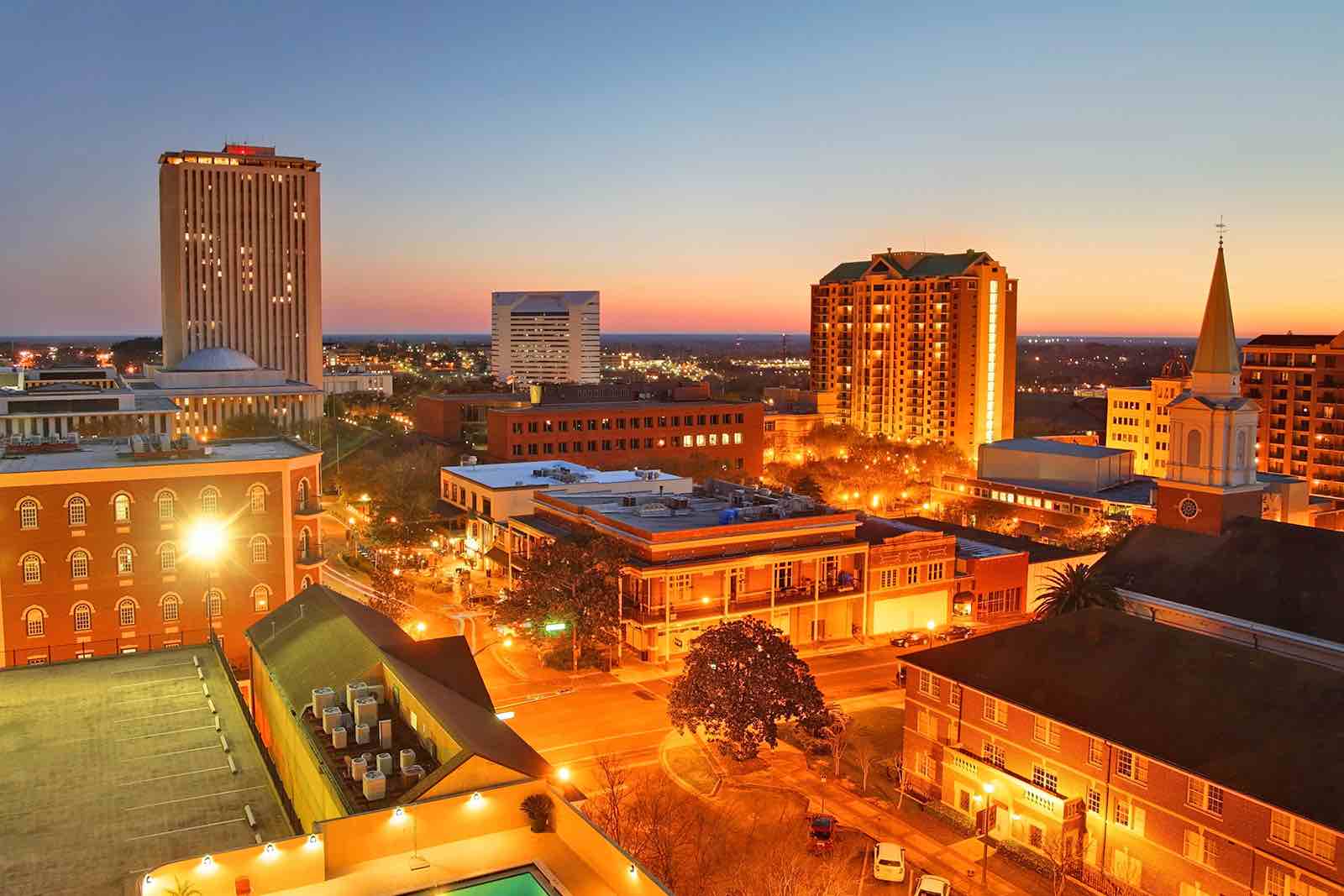
Adjacent to it, the 22-story New Capitol building dominates the skyline, housing the contemporary legislative chambers, the Executive Office of the Governor, and the Florida Supreme Court. An observation deck on the 22nd floor provides panoramic views of the city, extending over the rolling hills and canopy roads that define Tallahassee’s unique landscape. This architectural juxtaposition perfectly encapsulates Tallahassee’s blend of historical reverence and forward-thinking progress.
Beyond the capitol, the city boasts several other historically significant landmarks. The Mission San Luis de Apalachee offers a remarkable living history experience, reconstructing a 17th-century Spanish mission and the village of the Apalachee people. It’s a crucial site for understanding the early interactions between European settlers and native populations in Florida. For those interested in grander estates and natural beauty, the Alfred B. Maclay Gardens State Park presents stunning botanical gardens originally designed for a wealthy New York financier, offering a tranquil escape and a glimpse into early 20th-century Southern opulence.
A Hub of Culture and Education
Tallahassee is more than just a political center; it’s a vibrant intellectual and cultural hub, largely thanks to its esteemed educational institutions. Florida State University (FSU) and Florida A&M University (FAMU) are two of the nation’s most respected universities, contributing immensely to the city’s diverse and youthful atmosphere.
These institutions foster a dynamic cultural scene, with university theaters, art galleries, and lecture series open to the public. FSU’s Ringling Museum of Art (located in Sarasota, but its influence extends statewide) and Tallahassee’s own LeMoyne Arts gallery showcase both local and national talent. The academic presence also ensures a continuous influx of ideas, research, and innovation, making Tallahassee a city constantly evolving. This intellectual vibrancy significantly enriches the experience for visitors, offering opportunities to engage with art, history, and cutting-edge thought beyond the government buildings.
Experiencing Tallahassee Today: Beyond the Capitol
For travelers planning their next getaway, Tallahassee offers a unique blend of experiences that cater to diverse interests, extending far beyond its governmental functions. From outdoor adventures to rich cultural immersions and delectable dining, the city provides a holistic travel experience.
Beyond the Capitol: Attractions for Every Traveler
Whether you’re a history buff, a nature enthusiast, or a foodie, Tallahassee has something to offer.
- For Nature Lovers: The city is renowned for its lush green spaces and commitment to preservation. Cascades Park is a downtown gem, offering walking trails, an amphitheater, and a splash pad, perfect for families. Further afield, the St. Marks National Wildlife Refuge provides breathtaking coastal marshlands, ideal for birdwatching, hiking, and photography. The refuge is also home to the historic St. Marks Lighthouse, one of Florida’s oldest. Tallahassee is also famous for its canopy roads, scenic routes shaded by ancient oaks draped in Spanish moss, offering picturesque drives and cycling opportunities.
- For History and Culture Enthusiasts: In addition to the Capitol Complex and Mission San Luis, the Tallahassee Museum provides an engaging experience with natural history, wildlife, and a 19th-century pioneer farm. The museum offers a comprehensive look at the region’s ecological and cultural heritage. Art lovers can explore numerous galleries and studios throughout the city, reflecting a thriving local art scene.
- For Family Trips and Educational Stays: Tallahassee’s many parks, museums, and natural attractions make it an excellent destination for family travel. The educational opportunities provided by its universities and historical sites also make it an ideal spot for school trips or for those seeking a deeper dive into Florida’s past.
Where to Stay: Accommodation Options in the Capital
As a capital city and a major university town, Tallahassee offers a wide array of accommodation options to suit every budget and lifestyle, from luxury resorts to comfortable budget-friendly stays.
- Luxury and Boutique Hotels: For those seeking an upscale experience, boutique hotels like Hotel Duval, an Autograph Collection Hotel, provide stylish accommodations and personalized service in the heart of downtown. Another excellent choice might be The Governors Inn, offering historic charm and modern comforts. These hotels often boast fine dining options and are perfectly situated for exploring the capitol district.
- Modern and Convenient Stays: Chain hotels, such as the Hilton Garden Inn Tallahassee Central or Hotel Indigo Tallahassee – CollegeTown, offer reliable comfort and amenities, catering to both business travelers and tourists. Many are conveniently located near the universities or major roadways, providing easy access to attractions.
- Budget-Friendly and Extended Stays: For longer visits or those on a tighter budget, a range of apartment-style accommodations, vacation rentals, and economical hotels are available. These options provide flexibility, often including kitchenettes and additional living space, making them ideal for families or students visiting the universities. Booking platforms and local guides can help travelers compare options and find the best fit for their needs.
A Vibrant Lifestyle and Culinary Scene
Tallahassee’s lifestyle is a captivating blend of Southern charm, collegiate energy, and political gravitas. The city’s culinary scene reflects this diversity, offering everything from classic Southern comfort food to international cuisine.
Popular restaurants like The Edison, housed in the historic Strozier Building overlooking Cascades Park, offer modern American fare in a chic setting. For Italian cuisine, Bella Bella is a local favorite, known for its lively atmosphere and delicious pasta. The city also hosts numerous food festivals and farmers’ markets, showcasing fresh local produce and artisanal products.
Beyond dining, Tallahassee boasts a lively events calendar, from college football games at FSU’s Doak Campbell Stadium to music concerts, art walks, and community festivals. The downtown area, especially around CollegeTown, buzzes with activity, offering breweries, bars, and unique shops. This blend of historic gravitas and youthful energy creates a distinctive atmosphere that makes Tallahassee a truly engaging destination for any type of traveler, whether on a business stay or a leisurely family trip.

The Future of Florida’s Capital
The story of why Tallahassee became the capital of Florida is a testament to the vision and practical needs of the state’s founders. What began as a strategic compromise between two distant settlements has blossomed into a thriving metropolis, essential to the governance and culture of the entire state. Today, Tallahassee continues to serve its pivotal role, not only as the administrative heart but also as a growing destination for travelers seeking an authentic Florida experience.
Its unique blend of political significance, historical depth, natural beauty, and vibrant community life offers a rich tapestry for exploration. Whether you’re delving into the legislative history at the Capitol, wandering through the ancient live oaks of a canopy road, or enjoying the diverse culinary delights, Tallahassee provides a compelling narrative of how a compromise shaped a state and created a truly remarkable place to visit, live, and learn. It stands as a proud reminder that Florida’s story is far more complex and multifaceted than its world-famous beaches and theme parks suggest.
LifeOutOfTheBox is a participant in the Amazon Services LLC Associates Program, an affiliate advertising program designed to provide a means for sites to earn advertising fees by advertising and linking to Amazon.com. Amazon, the Amazon logo, AmazonSupply, and the AmazonSupply logo are trademarks of Amazon.com, Inc. or its affiliates. As an Amazon Associate we earn affiliate commissions from qualifying purchases.