
Florida, often dubbed the Sunshine State, is a premier global destination renowned for its pristine beaches, vibrant cities, and world-class attractions. From the magical theme parks of Orlando to the Art Deco splendor of Miami, and the tranquil beauty of the Florida Keys, millions flock to its shores annually. This bustling tourism industry underpins a significant portion of the state’s economy, employing countless individuals across a myriad of sectors, most notably hospitality, travel, and accommodation. Understanding the minimum wage in Florida is not just a matter of economic policy; it’s a lens through which we can view the broader implications for the lifestyle of its residents, the operational dynamics of its businesses, and the overall experience for its visitors. For anyone considering a move to the state, exploring career opportunities within its thriving tourism sector, or simply planning an extended stay, grasping the current wage landscape is fundamental. It influences everything from the quality of service one might receive at a resort to the affordability of daily life for the very people who make these unforgettable experiences possible.
Understanding Florida’s Minimum Wage Landscape
The trajectory of Florida’s minimum wage has been dynamic, reflecting both state-level initiatives and broader economic trends within the United States. Unlike many states where the federal minimum wage often dictates the floor, Florida has taken a proactive stance, implementing its own, often higher, minimum wage rates. This commitment to a higher wage floor has significant ripple effects throughout the state’s economy, particularly in its dominant tourism and service industries.
Current Rates and Scheduled Increases
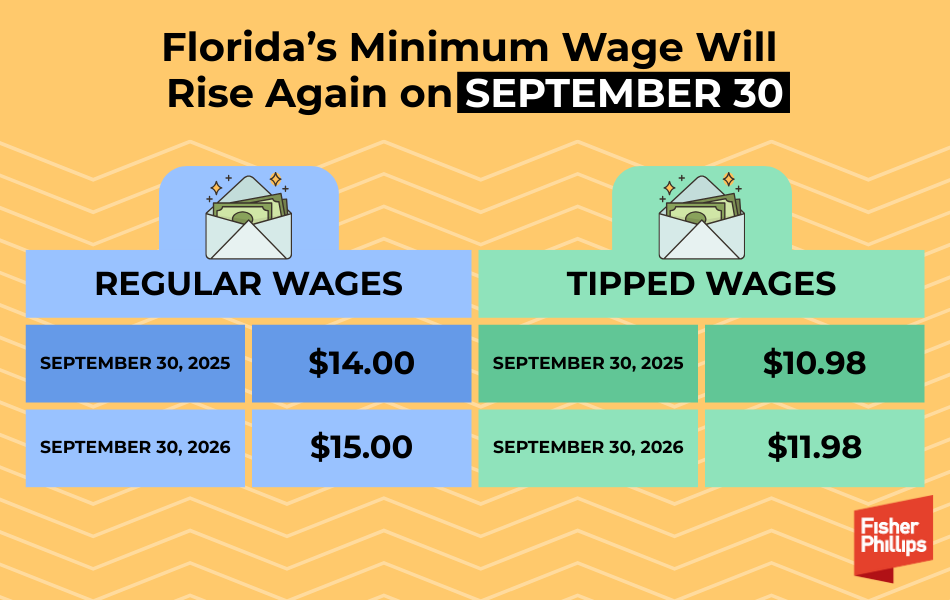
As of September 30, 2023, Florida’s minimum wage increased to $12.00 per hour. This marked another step in a series of constitutionally mandated increases, a direct result of a ballot initiative passed by voters. For tipped employees, the minimum cash wage is currently $9.00 per hour, with employers able to take a maximum tip credit of $3.02 per hour.
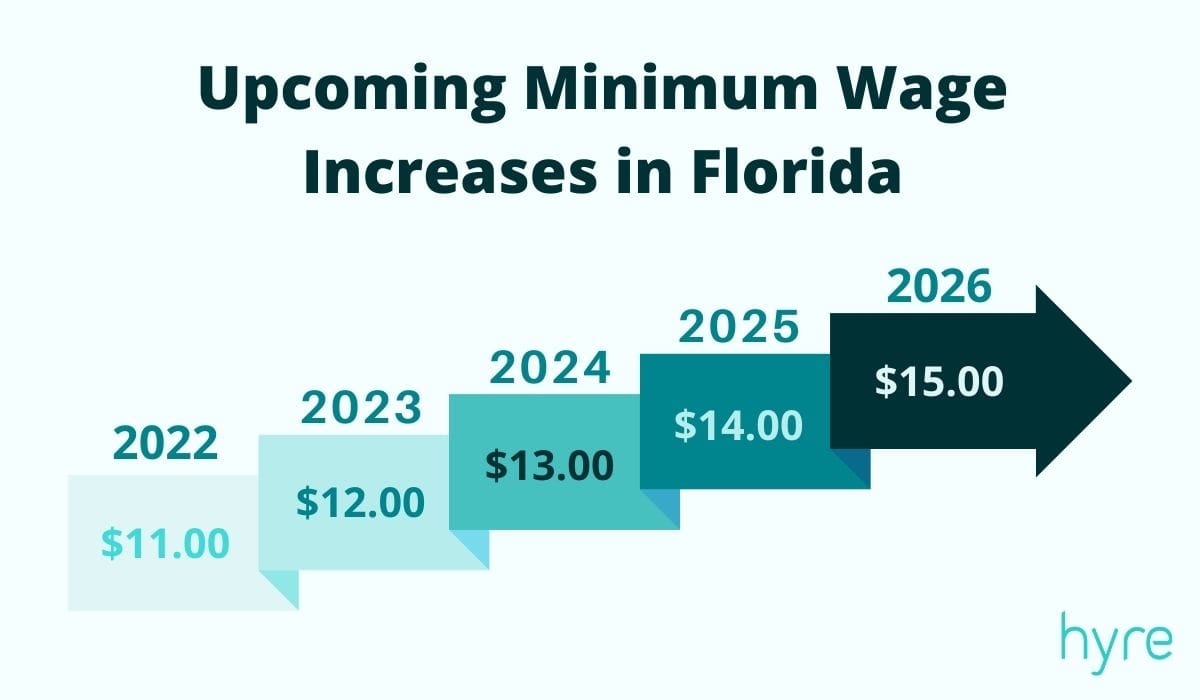
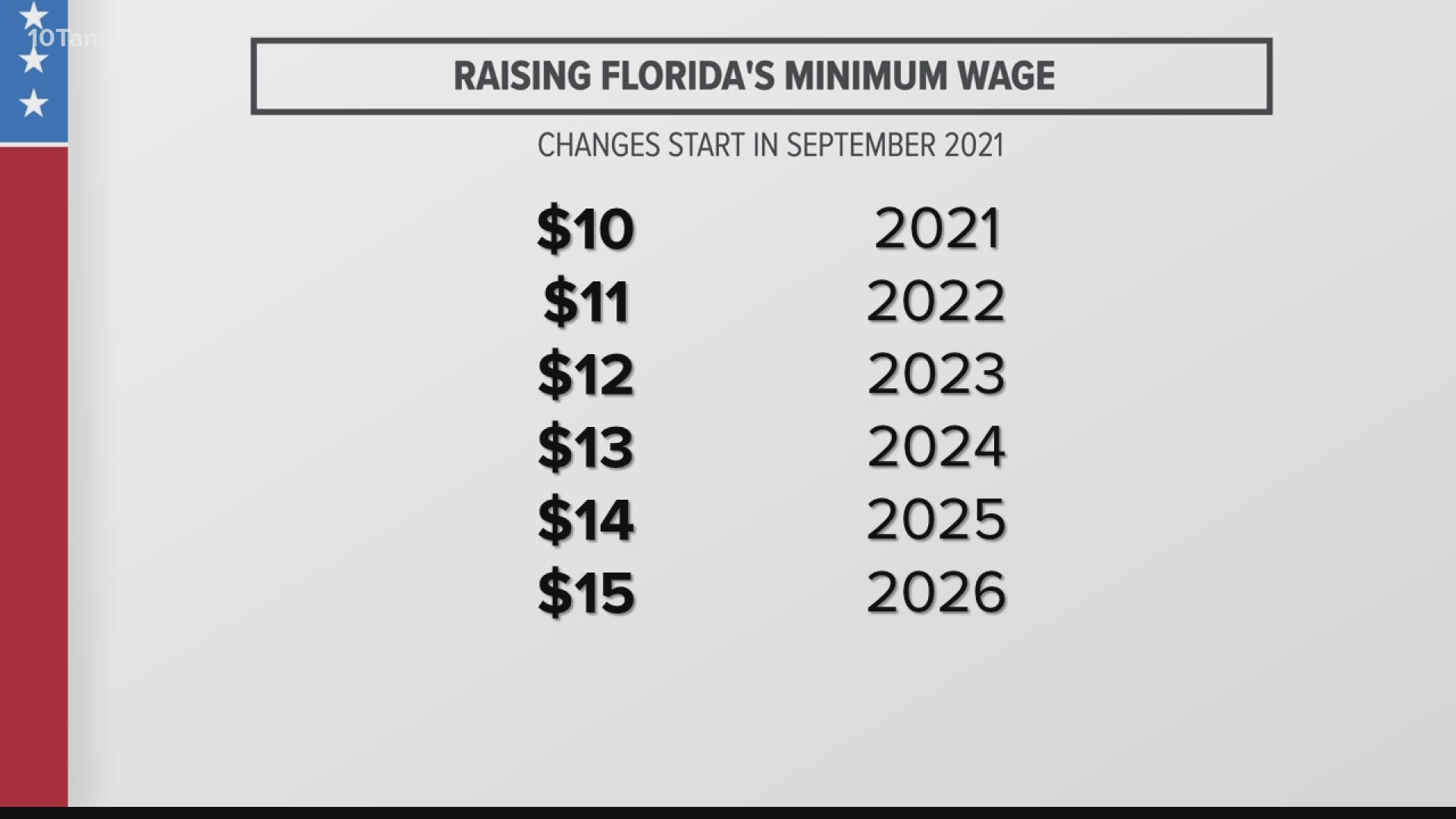
Crucially, this is not the end of the line. Florida’s minimum wage is set on a path to reach $15.00 per hour by September 30, 2026. This will happen through a series of annual increases:
- September 30, 2024: Expected to reach $13.00 per hour.
- September 30, 2025: Expected to reach $14.00 per hour.
- September 30, 2026: Expected to reach $15.00 per hour.
Following the achievement of $15.00 per hour, future increases will be adjusted annually based on the cost of living, as measured by the Consumer Price Index (CPI), ensuring that the minimum wage retains its purchasing power over time. This clear, progressive schedule provides businesses and employees alike with a predictable framework for financial planning, though it certainly presents challenges and opportunities for both.
Historical Context and Legislative Milestones
Florida’s journey toward a higher minimum wage truly began in 2004 when voters approved Amendment 5, establishing a state minimum wage higher than the federal standard and mandating annual adjustments based on inflation. For years, this mechanism ensured incremental increases, often placing Florida’s rate above the federal $7.25 per hour.
However, the most significant shift occurred with the passage of Amendment 2 in November 2020. This ballot initiative, supported by a supermajority of voters (over 60%), fundamentally reshaped the state’s wage policy by introducing the progressive increase to $15.00 per hour. This move reflected a growing statewide sentiment for a living wage, especially given the rising cost of living in many of Florida’s popular urban and coastal areas. The implementation of Amendment 2 has had a profound impact, particularly on the service sector, which heavily relies on minimum wage workers. It has sparked debates about economic sustainability, job growth, and social equity, all of which are critical conversations in a state so intertwined with tourism and hospitality.
Exemptions and Special Cases
While the general minimum wage applies broadly across Florida, certain exemptions and special provisions exist. For instance, some agricultural workers may have different wage structures, and certain student or intern programs might also operate under distinct guidelines. Critically, the tipped employee wage is a major consideration in the hospitality sector. While the cash wage is lower, the expectation is that tips will bring the employee’s total hourly earnings up to, or ideally well above, the standard minimum wage. Employers are legally obligated to ensure that the combination of cash wages and tips meets the state’s minimum wage requirements; if it does not, they must make up the difference. Understanding these nuances is vital for both employers to ensure compliance and for employees to know their rights, especially in an industry where gratuities are a customary and significant part of compensation.
The Impact of Minimum Wage on Florida’s Tourism and Hospitality Sector
The vibrant tourism and hospitality sector is the engine of Florida’s economy, encompassing everything from theme park cast members and hotel housekeepers to restaurant servers and tour guides. Changes in the minimum wage directly reverberate through this extensive ecosystem, affecting various stakeholders in distinct yet interconnected ways.
For Employees: Fair Wages and Quality of Life
For the hundreds of thousands of individuals employed in Florida’s hotels, resorts, restaurants, and attractions, the rising minimum wage offers a direct path to an improved quality of life. Many of these essential workers are the backbone of the state’s appeal, providing the friendly faces and diligent service that visitors remember. A higher wage means greater financial stability, the ability to better afford rising costs of housing, transportation, and daily necessities in cities like Miami, Orlando, and Tampa.
This improved financial standing can lead to a reduction in stress, allowing employees to focus more effectively on their work, which in turn can enhance service quality and guest satisfaction. It can also open doors to better housing opportunities, access to healthier food options, and even the ability to save for future goals, such as education or family vacations within their own state. A living wage isn’t just about economic numbers; it’s about dignity, opportunity, and the ability for individuals to thrive in the communities they serve. This can also lead to reduced employee turnover, as staff are more likely to stay in jobs that offer fair compensation, fostering a more experienced and dedicated workforce.
For Businesses: Operational Costs and Service Quality
For businesses within the hospitality and tourism sectors, the increasing minimum wage presents a more complex set of challenges and opportunities. On one hand, it necessitates adjustments to operational budgets, often leading to increased labor costs. Hotels, restaurants, theme parks, and tour operators must strategically reassess their pricing models, staffing levels, and efficiency measures. Some may explore automation for certain tasks, while others might opt for slight price increases on services or products to offset the higher wage floor. For smaller, independent businesses, this can be a particularly tight squeeze, requiring innovative approaches to remain competitive.
On the other hand, the benefits can be substantial. Higher wages often translate to more motivated employees, leading to improved productivity, better customer service, and a more positive work environment. Staff who feel valued and adequately compensated are more likely to take pride in their work, reducing absenteeism and enhancing the overall guest experience. Moreover, a higher minimum wage can expand the pool of available talent, as more individuals are drawn to jobs that offer competitive pay. This can be crucial in a tight labor market, helping businesses attract and retain the best staff, which is invaluable in an industry so reliant on human interaction and service excellence. The investment in higher wages can thus be seen as an investment in human capital, ultimately contributing to a stronger brand reputation and customer loyalty.
For Tourists: Pricing and Experience
Visitors to Florida might wonder how these wage changes affect their vacation plans. The reality is that the impact on tourist pricing is often incremental and varied. While businesses may adjust prices to absorb increased labor costs, these adjustments are typically balanced against competitive market rates. For instance, the cost of a hotel room in Miami Beach, a meal in a popular restaurant in Key West, or tickets to Walt Disney World Resort might see slight increases. However, these are often part of broader inflationary trends and market dynamics, not solely attributable to minimum wage hikes.
Perhaps a more noticeable impact for tourists comes in the form of an enhanced overall experience. As employees are better compensated, their morale and engagement tend to rise. This can lead to more attentive service, friendlier interactions, and a generally more positive atmosphere at hotels, attractions, and dining establishments. Imagine a more cheerful concierge at your Hyatt Regency Orlando, a more engaged server at a beachfront café in St. Augustine, or more enthusiastic staff helping you navigate Universal Studios Florida. These subtle improvements in service quality, driven by a more stable and satisfied workforce, can significantly contribute to the enjoyment and lasting memories of a Florida vacation. Ultimately, tourists seeking exceptional experiences might find the slight increase in cost a worthwhile trade-off for superior service and a more vibrant local economy.
Navigating Florida as a Visitor or Resident: Budgeting and Lifestyle Implications
Whether you’re planning a dream vacation to the Sunshine State or considering making it your new home, understanding the financial landscape, particularly in the context of the minimum wage, is crucial. Florida’s allure often comes with a significant cost of living, especially in its most desirable locales, which directly impacts both the lifestyle of its workers and the budgeting strategies of its visitors.
Cost of Living in Key Florida Cities
Florida is a geographically diverse state, and the cost of living varies dramatically from one region to another. While the minimum wage provides a baseline, its real purchasing power differs greatly depending on where one resides.
- Miami and South Florida: Areas like Miami, Fort Lauderdale, and Palm Beach are among the most expensive. Housing costs, whether renting an apartment in South Beach or buying a home, are significantly higher than the national average. Groceries, transportation, and entertainment also command premium prices. For someone earning minimum wage here, affording a comfortable lifestyle can be an immense challenge, often requiring multiple jobs or shared living arrangements.
- Orlando and Central Florida: As the heart of the theme park industry, Orlando experiences high demand for services and housing. While not as exorbitant as Miami, the cost of living, particularly for rent, has been steadily increasing. Many workers supporting the Walt Disney World Resort or Universal Studios Florida face considerable financial pressure to live near their workplaces.
- Tampa Bay Area: Cities like Tampa and St. Petersburg offer a slightly more affordable, yet still rising, cost of living compared to South Florida. The job market here is robust, particularly in healthcare and technology, alongside tourism.
- Less Populous Areas: In contrast, smaller cities and rural areas in the Panhandle or inland Florida (e.g., Tallahassee, Gainesville) generally offer a lower cost of living, making the minimum wage stretch further. However, job opportunities, particularly in high-paying sectors, may be less abundant.
These regional disparities highlight the ongoing challenge of achieving a true “living wage” across the entire state, even with scheduled increases.
Tips for Budget-Conscious Travelers
For tourists mindful of their expenditures, Florida offers numerous ways to enjoy its beauty without breaking the bank, regardless of the minimum wage’s impact on local pricing.
- Travel Off-Season: Visiting during shoulder seasons (spring and fall, excluding major holidays) often means lower prices for flights, hotels, and fewer crowds.
- Explore Beyond Theme Parks: While iconic, theme parks are expensive. Discover Florida’s stunning natural attractions like Everglades National Park, numerous state parks, or the beautiful beaches of the Gulf Coast (e.g., Sarasota, Naples), many of which have low or no entry fees.
- Opt for Alternative Accommodation: Beyond luxury hotels, consider vacation rentals, hostels, or camping in state parks for significant savings. Booking directly with smaller, locally-owned hotels can sometimes yield better rates than large chains.
- Cook Your Own Meals: Staying in accommodations with kitchenettes allows you to prepare some meals, drastically cutting down on restaurant expenses, especially important in high-cost areas like Miami or Key West.
- Utilize Public Transport/Ride-Sharing: In cities like Miami, public transportation can be an economical way to get around. In Orlando, while less comprehensive, ride-sharing services can be cheaper than daily car rentals for short trips.
- Look for Free Activities: Many Florida cities offer free cultural events, public beach access, and scenic drives. A stroll along Ocean Drive in South Beach or exploring the historic streets of St. Augustine can be as rewarding as paid attractions.
The Lifestyle of Hospitality Workers
The lifestyle of a hospitality worker in Florida is often a study in contrasts. While they are integral to creating magical vacations for millions, their own lives can be marked by financial precarity, especially those earning minimum wage. Even with the scheduled increases, many face challenges securing affordable housing, managing rising healthcare costs, and balancing work with family life. The demanding nature of service jobs, often involving irregular hours, weekends, and holidays, further complicates their daily routines.
However, the gradual increase to $15 per hour offers a beacon of hope. For many, this isn’t just an extra dollar or two; it represents the difference between struggling to make ends meet and achieving a modicum of financial stability. It could mean living closer to work, affording better childcare, or simply having enough disposable income to enjoy some of the very attractions they help to operate. This improved financial footing can foster a more stable, contented workforce, which, in turn, can contribute to a more authentic and positive visitor experience, where the genuine warmth of Florida hospitality truly shines through.
Exploring Florida’s Diverse Offerings with Economic Considerations
Florida’s vast array of attractions caters to every taste and budget, from thrilling theme parks to serene natural landscapes and historical treasures. Understanding the minimum wage context can help both visitors and residents appreciate the economic forces shaping these experiences.
Affordable Adventures Across the Sunshine State
Even with the rising cost of living and potentially increasing service prices, Florida remains an accessible destination for budget travelers. The state’s natural beauty is often its most affordable and rewarding asset.
- Beach Escapes: Miles of public beaches along both the Atlantic and Gulf Coasts offer free access to sun, sand, and surf. Consider less crowded gems like St. Pete Beach or the barrier islands near Sarasota.
- State Parks and Springs: Florida boasts an incredible network of state parks, offering hiking, kayaking, birdwatching, and camping at minimal cost. The crystal-clear freshwater springs, such as Ichetucknee Springs State Park or Blue Spring State Park, are perfect for swimming and snorkeling and are a fraction of the cost of theme parks.
- Historical Exploration: St. Augustine, the nation’s oldest continuously inhabited European-established settlement, offers walkable history, though specific attractions like the Castillo de San Marcos have entrance fees. Many museums, particularly on certain days, offer free admission.
- City Parks and Public Art: Major cities like Miami and Orlando feature vibrant public art scenes and beautiful parks, like Bayfront Park in Miami, which are free to explore.
These experiences allow visitors to immerse themselves in the authentic Florida lifestyle, directly supporting local economies outside of the major corporate attractions, often with staff who benefit from the state’s minimum wage policies.
Luxury Experiences: When Minimum Wage Doesn’t Apply
On the other end of the spectrum, Florida is also synonymous with luxury travel. High-end resorts, private villas, gourmet dining, and exclusive experiences in places like Palm Beach, Naples, or the Ritz-Carlton, Amelia Island cater to a clientele less concerned with hourly wages and more focused on unparalleled service and amenities. Employees in these establishments, while often earning above minimum wage due to specialized skills, tips, or union agreements, still benefit indirectly from a rising wage floor that pushes overall compensation standards higher across the industry. The focus here is on bespoke experiences, where staff are often highly trained and compensated to deliver exceptional, personalized service. This segment of the industry represents a significant portion of Florida’s tourism revenue and showcases the diverse economic landscape that coexists with the minimum wage discussion.
Supporting Local Economies and Ethical Travel
Understanding Florida’s minimum wage can subtly guide travelers toward more ethical and impactful travel choices. By choosing to support local businesses – from independent restaurants and boutiques to small tour operators – visitors can directly contribute to the livelihoods of Floridians, many of whom are working hard for a fair wage. Opting for accommodations that are known for fair labor practices or patronizing establishments that clearly value their employees can be a conscious decision that aligns with the spirit of a living wage.
Engaging with local culture and traditions, perhaps through visiting farmers’ markets, attending local festivals, or exploring neighborhoods beyond the main tourist strips, offers a more authentic experience and ensures that tourism dollars are distributed broadly within the community. Ethical travel in Florida can mean appreciating the efforts of every individual who contributes to the visitor experience, from the park ranger at Everglades National Park to the barista in Key West, understanding that their wages impact their ability to sustain their lives in this beautiful, yet economically challenging, state. Ultimately, the minimum wage in Florida is more than a number; it’s a critical element in the state’s economic fabric, shaping the lives of its residents, the character of its businesses, and the very essence of the Florida experience for all who visit.
LifeOutOfTheBox is a participant in the Amazon Services LLC Associates Program, an affiliate advertising program designed to provide a means for sites to earn advertising fees by advertising and linking to Amazon.com. Amazon, the Amazon logo, AmazonSupply, and the AmazonSupply logo are trademarks of Amazon.com, Inc. or its affiliates. As an Amazon Associate we earn affiliate commissions from qualifying purchases.