
The golden state of California, renowned for its sun-drenched beaches, majestic forests, and vibrant cities, periodically faces a formidable adversary: devastating wildfires. These infernos, which have increasingly captured global attention due to their scale and intensity, not only pose an immense threat to lives and property but also significantly impact the state’s thriving tourism industry. For travelers and residents alike, understanding the origins of these California wildfires is crucial for appreciating the complex challenges involved in prevention, mitigation, and the long-term sustainability of exploring this diverse destination. Far from being a simple phenomenon, their genesis is a tangled web of natural forces, human actions, and environmental conditions, each contributing to the terrifying reality of fire season.
The Multifaceted Origins of California Wildfires
Unraveling the causes of California wildfires reveals a blend of natural processes and, increasingly, significant human influence. While the image of a spontaneous blaze might evoke a sense of nature’s unpredictable fury, the reality is often more nuanced, with human activity frequently tipping the scales.
Natural Ignition Sources
While less common than human-caused fires, natural ignitions have always been a part of California’s ecological cycle. Lightning strikes are the primary natural culprit. During dry thunderstorm seasons, particularly in mountainous regions like the Sierra Nevada range, lightning can ignite vegetation. These “dry lightning” events occur when storms produce thunder and lightning but little to no rain, leaving a trail of potential ignitions in arid landscapes. Historically, these fires played a role in forest health, clearing underbrush and promoting new growth. However, in a warming climate, even naturally occurring fires can quickly escalate into unmanageable blazes. Prolonged periods of drought, a recurring feature of California’s climate, exacerbate this risk. When vegetation is parched and brittle, it acts as a highly combustible fuel, meaning a single spark, natural or otherwise, can quickly become a raging inferno. The consequences of these natural ignitions can be severe, impacting remote wilderness accommodations and hiking trails, fundamentally altering the travel experiences offered in areas like Yosemite National Park or Sequoia National Park.
Human Activity: A Dominant Factor
Despite the natural element, the overwhelming majority—estimates suggest over 85-90%—of California wildfires are triggered by human activities. These can range from deliberate acts to sheer accidents, each carrying potentially catastrophic consequences for communities and the tourism sector.
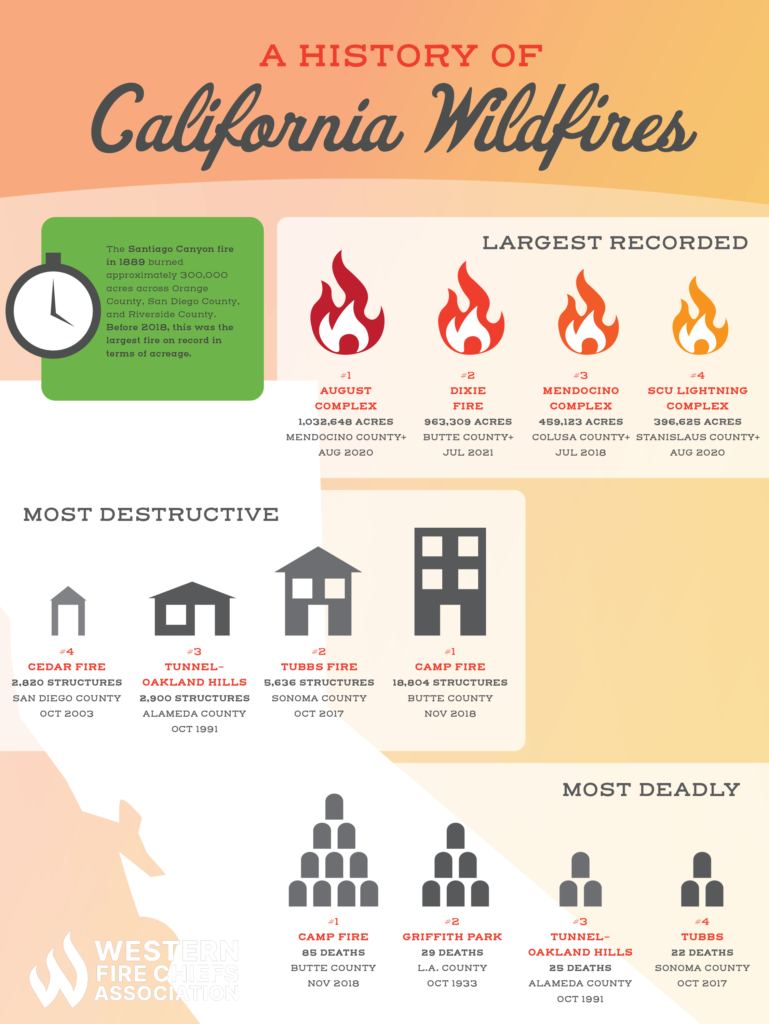
One of the most significant and often discussed human causes involves power line failures. Aging infrastructure, particularly in rural and wildland-urban interface (WUI) areas, can spark fires when lines snap, equipment malfunctions, or contact dry vegetation. Utility companies like Pacific Gas and Electric (PG&E) and Southern California Edison (SCE) have faced immense scrutiny and legal battles over their role in major wildfires, including the devastating Camp Fire which virtually wiped out the town of Paradise. These incidents highlight the critical need for infrastructure upgrades and diligent maintenance, especially in areas frequented by travelers seeking accommodation in scenic, natural settings.
Beyond utility infrastructure, numerous other human actions contribute:
- Discarded cigarettes and campfires: Carelessly tossed cigarette butts or unattended/improperly extinguished campfires remain a persistent cause, especially in popular camping destinations and recreational areas.
- Arson: While less frequent than accidental ignitions, malicious acts of arson periodically account for some of the state’s most destructive fires.
- Equipment sparks: Sparks from machinery like lawnmowers, grinding equipment, or chainsaws, particularly during dry, windy conditions, can quickly ignite dry grasses. Even vehicle catalytic converters or trailer chains dragging on asphalt can produce sparks sufficient to start a fire.
- Debris burning: Uncontrolled or improperly managed agricultural and residential debris burning can easily escape containment, particularly on windy days.
- Fireworks and target shooting: The use of fireworks, even in areas where they are prohibited, and sparks from target shooting activities have also been identified as origins for significant blazes.
The human element underscores a critical message for all visitors and residents: individual responsibility is paramount in fire prevention. A single lapse in judgment can lead to widespread destruction, impacting everything from local economies dependent on hotels and resorts to the very fabric of communities.
Beyond Ignition: Fuel, Weather, and Topography
While an ignition source is the spark, the rapid spread and destructive power of California wildfires are profoundly influenced by a trinity of environmental factors: fuel availability, adverse weather conditions, and challenging topography. Understanding these elements is key to comprehending why California is so susceptible.
The Role of Climate Change
Climate change acts as an accelerant, intensifying conditions that favor large, destructive fires. California is experiencing hotter, drier conditions, leading to increased evaporation rates and less moisture in vegetation. This extended drought period has created a landscape primed to burn. Furthermore, climate change is linked to an increase in extreme weather events. The infamous Santa Ana winds in Southern California, and similar Diablo winds in the north (e.g., Napa Valley, Sonoma County), are strong, dry winds that typically blow from inland deserts toward the Pacific Ocean. These winds can fan flames, push embers long distances, and cause fires to spread at alarming speeds, making containment incredibly difficult. The fire season, once confined to a few months, has now extended significantly, often lasting year-round in some parts of the state. This longer window for fires, combined with increased temperatures, creates a relentless cycle of vulnerability.
Wildland-Urban Interface (WUI): A Growing Vulnerability
One of the most challenging aspects of California wildfires is the increasing frequency of fires in the Wildland-Urban Interface (WUI). This is the zone where developed areas, including residential neighborhoods, hotels, and resorts, directly meet wildland vegetation. As California’s population grows and expands into scenic, previously undeveloped areas, more homes and businesses are built adjacent to or within fire-prone landscapes. This encroachment creates a direct pathway for fires to transition from wildlands into communities, dramatically increasing the risk to human lives and property. Iconic landmarks and luxury accommodations in areas like Malibu or the foothills around Los Angeles become particularly vulnerable, transforming serene lifestyle choices into high-risk propositions.
Accumulation of Fuels
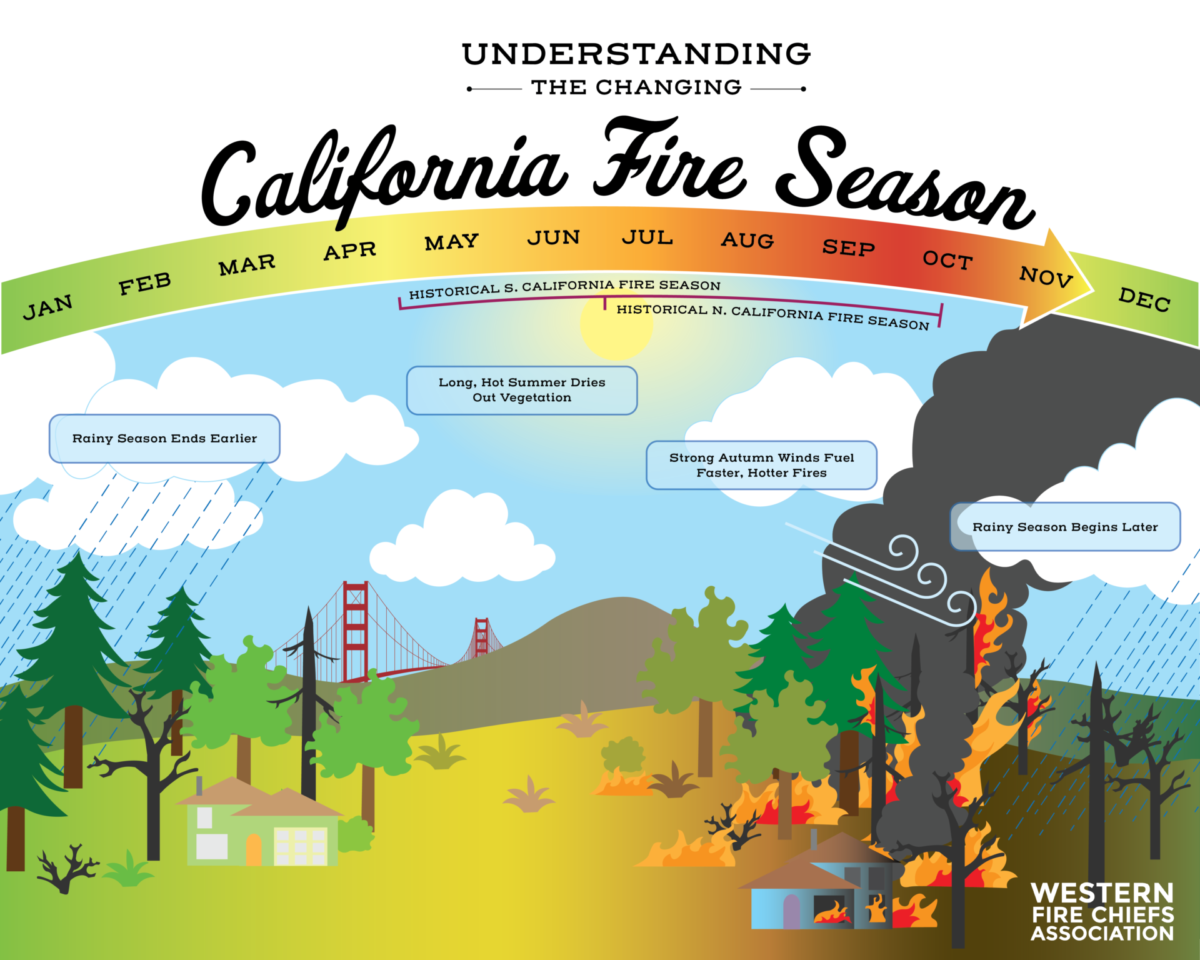
Forest management practices over decades have also contributed to the problem. A history of aggressive fire suppression, while protecting communities in the short term, has inadvertently led to an accumulation of fuels – dense underbrush, dead trees, and overgrown vegetation – on the forest floor. This build-up creates a much larger and more intense fuel load, transforming what might have been smaller, manageable fires into megafires that burn hotter and spread faster. Regions like Lake Tahoe or the Big Sur coastline, famous for their natural beauty and attracting countless travelers, are increasingly threatened by these fuel conditions. Efforts by the National Forest Service and Cal Fire are now focused on fuel reduction, prescribed burns, and other forest health initiatives to reverse this trend.
Impact on Travel and Tourism in California
The recurring threat of wildfires casts a long shadow over California’s robust tourism sector. From immediate disruptions to long-term shifts in traveler perception, the impact is multifaceted and far-reaching.
Direct Disruptions and Safety Concerns
When wildfires strike, the most immediate consequences for travelers include direct disruptions and safety concerns. Large-scale evacuations can force visitors to abandon their planned stays, often with little notice. Road closures become frequent, severing access to popular destinations, national parks, and scenic routes, such as parts of the Pacific Coast Highway near Big Sur. Air quality issues due to smoke can blanket vast areas, making outdoor activities unpleasant or even hazardous for tourists, particularly those with respiratory conditions. This can deter visits to major cities like San Francisco or Los Angeles, even if they are not directly threatened by flames. Furthermore, the actual damage to attractions and accommodations can be immense. Historic landmarks, boutique hotels in wine country, or luxury resorts in mountain areas can be entirely destroyed or sustain significant damage, leading to prolonged closures and lost revenue for the travel industry.
Economic Ripple Effects
The economic repercussions of wildfires extend far beyond the directly affected areas. Cancellations of reservations for hotels, vacation rentals, and tours lead to substantial financial losses for accommodation providers, tour operators, and related businesses. This impact is acutely felt in regions heavily reliant on tourism, such as Napa Valley’s wine country or the coastal towns of San Diego. Local restaurants, shops, and service providers suffer from reduced foot traffic and tourist spending. Employment in the hospitality sector can also be affected, with temporary layoffs or reduced hours becoming common. Even after the flames are extinguished, the period of recovery can be lengthy, with infrastructure needing repair, natural beauty requiring time to regenerate, and visitor confidence needing to be rebuilt.
Shifting Traveler Perceptions
The persistent news coverage of California wildfires can undeniably influence traveler perceptions. Potential visitors, particularly international travelers, may perceive the entire state as being constantly ablaze or unsafe, leading them to choose alternative destinations. This generalized fear can be detrimental, even to areas far removed from active fires. The increasing visibility of climate change and environmental concerns also prompts many to consider the importance of sustainable tourism and responsible travel. Tourists may increasingly seek out destinations that demonstrate strong environmental stewardship and fire-prevention efforts, influencing their decision-making process. The challenge for California’s tourism boards is to accurately communicate safety, highlight unaffected regions, and showcase ongoing resilience and recovery efforts, reassuring potential visitors about the continued availability of incredible experiences from Disneyland to the Golden Gate Bridge.
Towards Resilience: Prevention, Adaptation, and Future Travel
While the causes and impacts of California wildfires are severe, there is a collective effort towards building greater resilience. This involves comprehensive strategies spanning prevention, adaptation, and a forward-looking approach to tourism.
Proactive Measures and Forest Management
Effective wildfire management begins long before an ignition. Proactive measures are critical, focusing on reducing fuel loads through various strategies. Fuel reduction projects involve thinning dense forests, clearing underbrush, and removing dead trees that act as ladder fuels, allowing ground fires to climb into the canopy. Prescribed burns, carefully managed and conducted under specific weather conditions, mimic natural fire cycles to remove accumulated vegetation safely. Infrastructure hardening is another vital area, including upgrading power lines, burying utility infrastructure where feasible, and ensuring electrical equipment is resistant to sparking. Homeowners and businesses in the WUI are encouraged to create defensible space around their properties by clearing vegetation and using fire-resistant building materials, protecting their accommodations and livelihoods. These efforts, spearheaded by agencies like Cal Fire and local fire departments, are essential for mitigating the severity of future fires.
Enhancing Visitor Safety and Information
For the tourism industry, enhancing visitor safety and providing clear information is paramount. This includes establishing robust emergency preparedness plans for hotels, resorts, and attractions, ensuring staff are trained for evacuations and guest communication. Real-time alerts and information systems are crucial, allowing travelers to stay informed about fire perimeters, road closures, and air quality. Many travel guide websites and local tourism boards now offer dedicated wildfire information portals. Furthermore, promoting responsible outdoor practices is key: educating visitors about campfire safety, safe grilling, careful disposal of cigarettes, and the dangers of operating equipment that can spark. For those planning a lifestyle of adventure, whether hiking in Death Valley National Park or exploring the coastal trails, awareness and adherence to local regulations can make all the difference.
Sustainable Tourism and Rebuilding Efforts
Looking ahead, the concept of sustainable tourism plays an increasingly important role in California’s recovery and future planning. This involves investing in resilient infrastructure, supporting local businesses affected by fires, and promoting ecological restoration efforts. The travel industry can contribute by highlighting areas that have recovered, encouraging eco-friendly practices, and supporting initiatives that rebuild natural ecosystems. Post-fire, many communities demonstrate incredible resilience, and visiting these areas (when safe and appropriate) can provide much-needed economic support. From the reconstruction of homes and businesses in impacted areas to the regrowth of forests, these efforts exemplify the enduring spirit of California. As travelers continue to seek out the unique experiences California offers, from the glamour of Hollywood to the historical significance of Sacramento, their choices can reinforce the state’s commitment to protecting its natural heritage and ensuring its destinations remain vibrant and welcoming for generations to come.
In conclusion, California wildfires are a complex environmental challenge with origins deeply rooted in both natural processes and human actions, amplified by the pervasive effects of climate change. Their devastating impact on landscapes, communities, and the vital tourism industry necessitates a multifaceted approach. By understanding how these fires start, investing in proactive prevention, adapting to new realities, and fostering responsible travel, California can continue to protect its breathtaking natural beauty and vibrant lifestyle, ensuring that its diverse array of destinations, hotels, and landmarks remain accessible and enchanting for all who visit.
LifeOutOfTheBox is a participant in the Amazon Services LLC Associates Program, an affiliate advertising program designed to provide a means for sites to earn advertising fees by advertising and linking to Amazon.com. Amazon, the Amazon logo, AmazonSupply, and the AmazonSupply logo are trademarks of Amazon.com, Inc. or its affiliates. As an Amazon Associate we earn affiliate commissions from qualifying purchases.