
Florida, the Sunshine State, is synonymous with pristine beaches, world-class theme parks, and vibrant cultural experiences. From the enchanting magic of Walt Disney World in Orlando to the bustling nightlife of Miami, millions flock to its shores annually, seeking adventure, relaxation, and memorable moments. However, a significant policy debate is currently sweeping across the state, holding the potential to fundamentally reshape its tourism landscape, economy, and overall lifestyle: the legalization of recreational cannabis.
The question “Will Florida Legalize Weed?” is no longer a fringe discussion but a mainstream conversation with profound implications for travelers, hospitality providers, and residents alike. As a premier destination for travel, accommodation, and diverse lifestyles, Florida’s decision on adult-use cannabis could usher in a new era of tourism, attracting different demographics and creating novel experiences. This article delves into the current situation, explores the potential economic and cultural shifts, and examines how such a move could transform everything from hotel amenities to landmark attractions, offering a comprehensive look at what a cannabis-legal Florida might look like for the discerning traveler and local alike.
The Current Landscape: Medical Cannabis and the Path to Recreational Use
To understand the future, one must first grasp the present. Florida has already taken significant steps towards cannabis reform, establishing a robust medical marijuana program that has served as a blueprint for other states and laid the groundwork for further discussion.
Florida’s Medical Marijuana Program
In 2016, Florida voters overwhelmingly approved Amendment 2, legalizing medical cannabis for qualifying patients. This program has since blossomed, with a network of licensed dispensaries across the state providing a wide range of products to registered patients. For many Florida residents, access to medical cannabis is now a reality, offering relief for various conditions.
The medical program has already introduced a regulated cannabis market, albeit one restricted to patients. It has also helped to demystify cannabis for many, shifting public perception and demonstrating that a regulated market can exist without the widespread social ills often feared. This infrastructure, including cultivation facilities, processing plants, and retail dispensaries, could theoretically be expanded and adapted should recreational use become legal, streamlining the transition. While the focus remains on patient well-being, the sheer scale of the medical program provides a tangible preview of a more expansive market.
The Push for Adult-Use Legislation
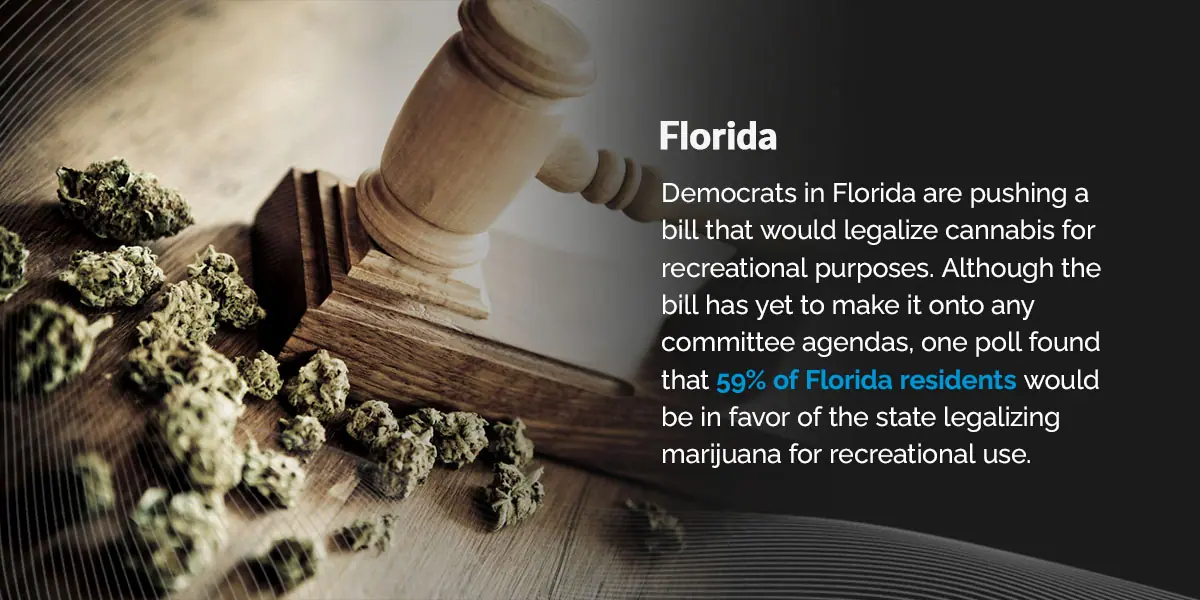
The journey from medical to recreational cannabis legalization in the United States often follows a similar trajectory, and Florida appears to be on that path. Currently, a significant initiative led by the political committee Smart & Safe Florida is underway to place a recreational marijuana amendment on the state’s ballot. This proposed amendment aims to allow adults 21 and older to possess and use cannabis, essentially extending the existing medical infrastructure to a broader adult population.
The process of getting such an amendment on the ballot is rigorous, requiring hundreds of thousands of verified signatures and a review by the Supreme Court of Florida to ensure its legality and clarity. The involvement of the court underscores the legal complexities and the high stakes involved. If approved by voters, this would signal a monumental shift for the state, moving it from a medical-only market to one that embraces adult-use cannabis, joining a growing number of states across the nation. The success or failure of this initiative will dictate the immediate future of cannabis in Florida, setting the stage for either continued debate or a dramatic transformation of its travel and lifestyle offerings.
Economic Tides: How Legalization Could Reshape Florida’s Tourism and Hospitality
The potential economic impact of recreational cannabis legalization in Florida is arguably the most compelling aspect of the debate. As a state heavily reliant on tourism, the implications for its travel, hospitality, and accommodation sectors are immense.
A New Era for Travel and Destinations
Legalizing recreational cannabis could unlock an entirely new sector of tourism for Florida: cannabis tourism. States like Colorado (specifically Denver) and Nevada (Las Vegas) have already demonstrated the power of this niche, attracting visitors who specifically seek cannabis-friendly experiences. Florida’s existing strengths – its year-round warm climate, world-famous beaches like Clearwater Beach and Siesta Key Beach, diverse cities from Key West to St. Augustine, and vibrant entertainment hubs – could make it an unparalleled destination for this emerging market.
Imagine curated cannabis tours exploring South Florida’s scenic routes, or boutique dispensaries offering artisanal products near the Art Deco Historic District in Miami. While family-centric attractions like Universal Studios Florida would likely remain non-cannabis zones, other areas could flourish. New businesses, such as cannabis lounges, infused dining experiences, and wellness retreats incorporating cannabis, could emerge, offering novel activities that complement Florida’s existing tourism tapestry. This could lead to increased visitor numbers, longer stays, and a diversification of the tourist profile beyond traditional beachgoers and theme park enthusiasts. The economic ripple effect, from tax revenues for state and local governments to job creation in cultivation, retail, and hospitality, would be substantial.
Transforming Accommodation and Lifestyle
The hospitality and accommodation sectors stand to see some of the most dramatic transformations. Currently, finding cannabis-friendly lodging can be a challenge even in medically legal states. With recreational legalization, this could change rapidly.
Hotels and Resorts: We might see the rise of dedicated cannabis-friendly hotels and resorts, similar to those that cater to specific dietary needs or pet owners. High-end establishments like The Setai Miami Beach or the Four Seasons Resort Orlando at Walt Disney World Resort might consider offering discreet cannabis consumption options in designated areas or through specialized room service, catering to luxury travelers. More budget-friendly options might also emerge, offering varying levels of cannabis accommodation.

Alternative Accommodation: Platforms like Airbnb and VRBO could see an increase in listings explicitly marketed as “420-friendly,” providing travelers with private and comfortable spaces for consumption. This would not only provide new options for tourists but also open up additional revenue streams for property owners across popular destinations like Naples, Tampa, and the Florida Panhandle.
Lifestyle Shifts: Beyond accommodation, the overall lifestyle in Florida could evolve. The food and beverage scene might introduce cannabis-infused culinary experiences. Local events, from music festivals to art exhibitions, could incorporate cannabis elements, mirroring trends seen in California. This shift would not just be for tourists; residents would also experience a change in social norms and available leisure activities. The investment in related real estate – from retail spaces for dispensaries to specialized venues for consumption lounges – would also significantly impact Florida’s property market and urban development.
Navigating the Challenges and Maximizing Opportunities
While the potential benefits of legalization are considerable, the path is not without its challenges. Crafting effective regulations and managing public perception will be crucial for Florida to maximize opportunities while mitigating risks.
Regulatory Frameworks and Public Perception
One of the primary challenges for Florida will be establishing a comprehensive and effective regulatory framework. Lessons can be learned from other states that have legalized, both in terms of successes and pitfalls. Key areas for regulation will include:
- Public Consumption Laws: Defining where cannabis can and cannot be consumed (e.g., prohibiting use in public parks or near schools, similar to alcohol laws).
- Retail Licensing and Zoning: Ensuring responsible distribution, preventing oversaturation in certain areas, and managing the number of dispensaries.
- Driving Under the Influence: Developing clear guidelines and enforcement mechanisms for impaired driving.
- Youth Access Prevention: Implementing strict age verification processes and public awareness campaigns.
Public perception will also play a critical role. While support for legalization has grown, concerns about public safety, potential increases in crime rates, and the impact on family-friendly tourism may persist. Florida will need to balance the economic promise of cannabis tourism with the need to maintain its existing appeal and address community concerns. Transparent communication and data-driven policies will be essential to foster acceptance and ensure a smooth transition. The experience of states like Colorado and California shows that initial apprehensions often subside as regulatory systems mature and the economic benefits become clear.
The Florida Advantage: Sun, Sand, and Cannabis?
Should Florida legalize recreational cannabis, it would possess a distinct advantage over many other legal states. Its existing tourism infrastructure is unparalleled, offering a unique combination of attractions that few other places can match. Imagine pairing a visit to the Kennedy Space Center with a discreet, adult-oriented cannabis experience, or unwinding on the stunning beaches of Destin after purchasing legal cannabis products.
The state’s diverse geographical regions – from the vibrant urban centers of Central Florida to the tranquil natural beauty of Everglades National Park – offer a vast canvas for integrating cannabis tourism. Florida could offer a “luxury cannabis lifestyle” experience, integrating high-end resorts, gourmet dining, and wellness activities with legal cannabis, appealing to a sophisticated demographic. This would not be about replacing existing tourism but augmenting it, providing more options and experiences for a broader spectrum of travelers. The state’s inherent appeal, combined with a regulated cannabis market, could create a powerful new tourism magnet, solidifying its position as a global leader in leisure and lifestyle.
The Road Ahead: What to Expect for Florida’s Future
The question of “Will Florida Legalize Weed?” is poised to be one of the most significant policy decisions for the state in the coming years. Regardless of the immediate outcome, the conversation has already begun to reshape how we think about travel, lifestyle, and economic development in the Sunshine State.
A Glimpse into Tomorrow’s Travel Experience
If legalization proceeds, travelers to Florida can expect a gradual but noticeable shift in available experiences. Initially, changes might be subtle, with a few pioneering businesses catering to the new market. Over time, however, we could see dedicated cannabis districts, specialized tours, and a wider array of cannabis-friendly accommodations. Travel guides might start including information on dispensaries and consumption lounges alongside traditional attractions.
For some, this could mean an enhanced vacation, adding another layer of relaxation or social activity to their trip. For others, particularly families, it might mean careful planning to ensure their chosen destinations and accommodations align with their preferences, though existing family-friendly zones would undoubtedly remain unchanged. The “lifestyle” associated with a Florida vacation could expand to include adult-oriented cannabis experiences alongside its renowned golf courses, spas, and culinary scene. This evolution will likely cater to a more diverse range of adult interests, potentially drawing visitors who might not have considered Florida for such a purpose before.
Staying Informed: For Travelers and Investors
For both potential visitors and investors looking to enter Florida’s dynamic market, staying informed will be paramount. The legal landscape around cannabis is constantly evolving, and regulations can vary significantly even within states. Anyone planning to travel to Florida with the expectation of accessing legal cannabis should closely monitor the outcome of the ballot initiative and any subsequent legislative actions taken by the state capital, Tallahassee.
For entrepreneurs and existing hospitality businesses, the potential for expansion and diversification is immense. Investing in cannabis-related tourism, accommodation, or lifestyle offerings could yield significant returns as the market matures. However, understanding the regulatory nuances and consumer demands will be key to success.
Ultimately, whether Florida legalizes recreational cannabis or not, the debate itself highlights the state’s forward-thinking approach to tourism and economic development. The decision will undoubtedly shape Florida’s identity for decades to come, influencing how millions experience its sun, sand, and vibrant culture. The Sunshine State remains a prime destination, and its potential foray into adult-use cannabis only adds another fascinating layer to its ever-evolving story.
LifeOutOfTheBox is a participant in the Amazon Services LLC Associates Program, an affiliate advertising program designed to provide a means for sites to earn advertising fees by advertising and linking to Amazon.com. Amazon, the Amazon logo, AmazonSupply, and the AmazonSupply logo are trademarks of Amazon.com, Inc. or its affiliates. As an Amazon Associate we earn affiliate commissions from qualifying purchases.