
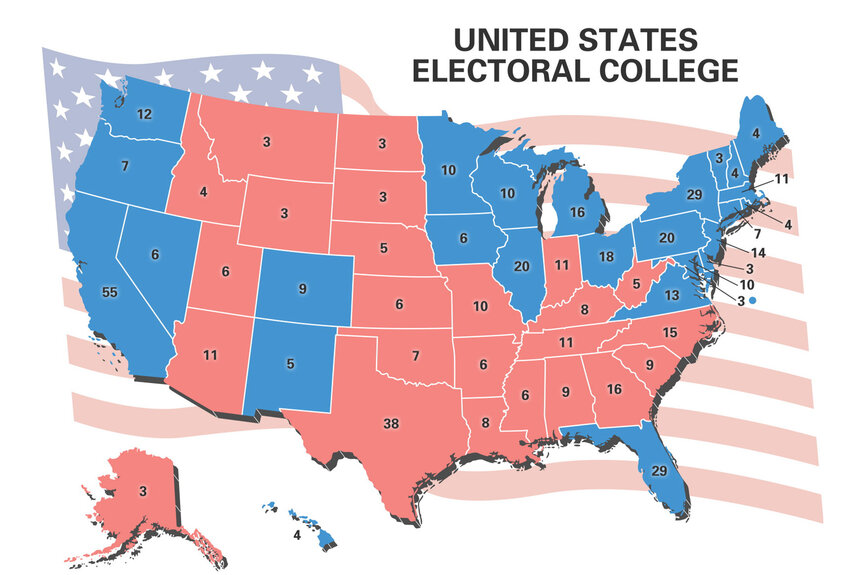
While the question of how many electoral votes Hawaii possesses might initially seem rooted in political discourse, delving into the factors that determine this number – namely, population and unique statehood – quickly reveals a deeper narrative. This narrative intricately connects to the very essence of what makes Hawaii such a captivating and sought-after destination for travelers worldwide. The number of electoral votes assigned to any state in the United States is a direct reflection of its representation in Congress, comprising its two senators plus the number of representatives allocated based on population. For Hawaii, a state far removed geographically from the mainland United States and comprising a chain of islands, this means it consistently holds four electoral votes: two for its senators and two for its representatives in the House, a number that has remained stable for decades.
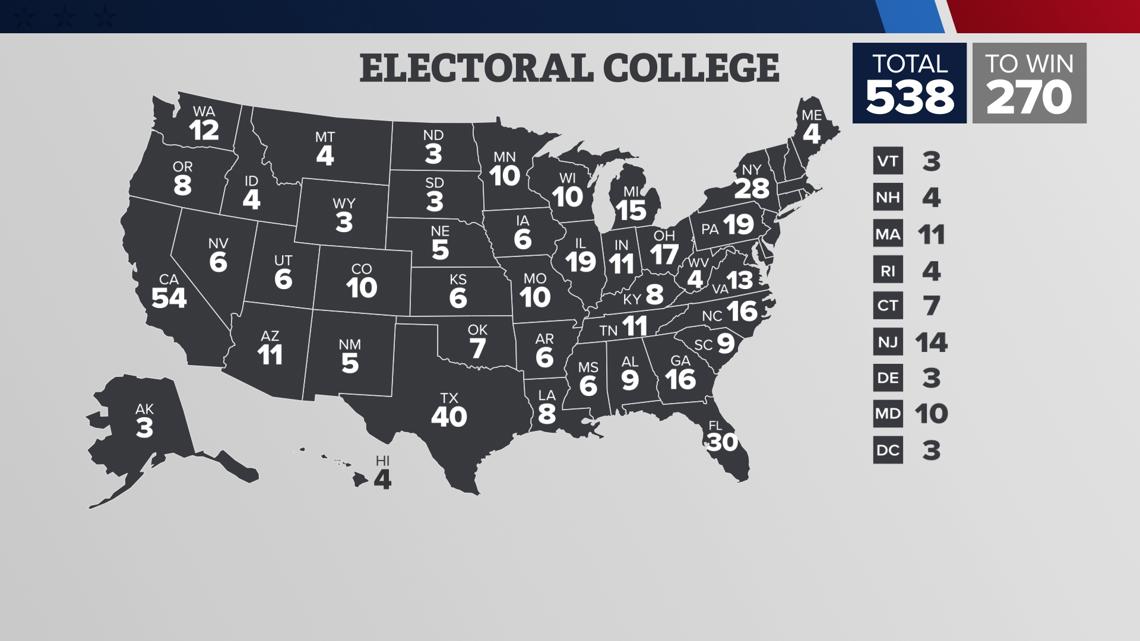
This seemingly straightforward political fact serves as an intriguing gateway to understanding the unique demographic, cultural, and environmental tapestry of the Aloha State. Its population, while smaller than many mainland states, is vibrantly diverse and spread across several main islands, each contributing to the state’s distinct identity. This unique makeup, driven by its unparalleled natural beauty, rich cultural heritage, and a lifestyle centered around the Pacific Ocean, makes Hawaii not just a political entity but a global icon for travel, luxury, and unforgettable experiences.
Hawaii’s Unique Political Landscape and Geographic Significance
The allocation of electoral votes to Hawaii underscores its standing as a full and equal member of the United States, despite its geographical isolation. Achieving statehood in 1959, Hawaii brought with it a distinct blend of cultures – indigenous Hawaiian, Asian, and Western – that has profoundly shaped its socio-political fabric. This diversity is not just reflected in its population statistics, which inform its congressional representation, but also in the vibrant tourism landscape that welcomes millions each year. The electoral system, designed to give voice to all states, ensures that even a relatively small population like Hawaii’s still plays a role in national elections, highlighting its importance not just as a tropical paradise but as a vital component of the American experiment.
Beyond the numbers, Hawaii’s political significance is often amplified by its strategic location in the central Pacific Ocean. This position has historically made it a crucial hub for military and trade operations, shaping its development and contributing to its unique demographic profile. The constant interplay between its local needs and global relevance creates a dynamic environment that visitors can feel, whether they are exploring historic sites or engaging with the local communities. Understanding this foundational context enriches the travel experience, allowing visitors to appreciate the depth and complexity of the islands beyond their postcard-perfect beaches.
The Island Chain: More Than Just a State
Hawaii is not merely a single landmass but an archipelago composed of eight main islands: Oahu, Maui, Hawaii Island (often called the Big Island), Kauai, Molokai, Lanai, Niihau, and Kahoolawe. Each island boasts its own distinct character, ecosystems, and attractions, contributing to the overall appeal of the Aloha State. The state’s population, which determines its two representatives and thus two of its four electoral votes, is predominantly concentrated on Oahu, home to the capital city of Honolulu and the iconic Waikiki area.
This geographical dispersion means that while the state functions as a single political entity, its cultural and experiential offerings are incredibly diverse. Travelers can find bustling city life and world-class surfing on Oahu, romantic sunsets and luxurious resorts on Maui, dramatic cliffs and lush rainforests on Kauai, and active volcanoes alongside cosmic observatories on Hawaii Island. This diversity is not just a draw for tourists but also a factor in the state’s unique political considerations, as policies must often balance the needs of disparate communities across the islands. The rich tapestry of environments, from volcanic deserts to alpine tundras and tropical beaches, showcases the incredible natural variety packed into this small yet significant corner of the United States.
A Paradise of Unforgettable Experiences: Exploring Hawaii’s Allure
Moving beyond its political standing, Hawaii’s true global renown stems from its unparalleled beauty and the vibrant experiences it offers. For generations, the islands have symbolized paradise, a place where natural wonders meet rich cultural traditions. The Aloha Spirit, a philosophy of hospitality, respect, and love, permeates every aspect of life here, making visitors feel welcome and fostering a deep appreciation for the islands’ heritage. This intrinsic blend of breathtaking landscapes and heartfelt hospitality is what truly defines a Hawaiian getaway, whether you’re seeking adventure, relaxation, or cultural immersion.
The allure of Hawaii is multifaceted, drawing in a wide array of travelers. Families find endless activities, from gentle beach days to educational excursions. Honeymooners discover romantic seclusion and world-class dining. Adventurers challenge themselves with epic hiking trails, powerful ocean surfing, and thrilling scuba diving. Culture enthusiasts delve into ancient traditions, vibrant festivals, and unique culinary experiences. This universal appeal ensures that every visit can be tailored to individual preferences, making Hawaii a perpetually fascinating destination that continues to evolve while honoring its roots.
Iconic Destinations and Natural Wonders
The landscape of Hawaii is a living testament to geological power and natural artistry. Each island presents its own iconic landmarks and breathtaking vistas. On Oahu, history comes alive at Pearl Harbor, where visitors can pay respects at the USS Arizona Memorial. The bustling shores of Waikiki offer world-class hotels, dining, and direct access to the ocean, while the majestic Diamond Head crater provides panoramic views of Honolulu. Further afield, the legendary North Shore beckons surfers with its colossal winter waves and vibrant beach towns. For a deeper dive into Polynesian cultures, the Polynesian Cultural Center offers an immersive experience.
Maui, known as the “Valley Isle,” boasts the spectacular sunrise views from the summit of Haleakala National Park, a dormant volcano that creates a landscape resembling another planet. The famous Road to Hana winds through lush rainforests, past cascading waterfalls, and along black sand beaches, offering an unforgettable scenic drive. Kauai, the “Garden Isle,” is renowned for its dramatic Na Pali Coast, accessible by boat, helicopter, or strenuous hiking trails, showcasing emerald cliffs plunging into turquoise waters. Its equally impressive Waimea Canyon, often called the “Grand Canyon of the Pacific,” offers stunning vistas and numerous hiking opportunities.
On Hawaii Island, the geological heart of the archipelago, the dynamic landscapes range from active lava flows at Hawaii Volcanoes National Park, home to Kilauea, one of the world’s most active volcanoes, to the snow-capped summit of Mauna Kea, a prime location for stargazing. The island’s diverse climate zones support everything from coffee plantations in Kona to lush botanical gardens near Hilo. Each of these landmarks, whether natural or historical, provides a unique window into the essence of Hawaii, cementing its status as a premier global travel destination.
Diving into Hawaiian Culture and Cuisine
A trip to Hawaii is incomplete without immersing oneself in its vibrant culture and savoring its unique culinary offerings. The Aloha Spirit is more than just a greeting; it’s a way of life that emphasizes kindness, compassion, and respect for the land and sea. Visitors are encouraged to engage with local traditions, from learning a few Hawaiian words to participating in a traditional Luau. These festive gatherings are a sensory delight, featuring delicious food like kalua pig, fresh fish, and poi, accompanied by live music, hula dancing, and storytelling that brings ancient legends to life.
Hawaiian cuisine is a fusion of indigenous traditions with influences from various immigrant groups, particularly from Asia and Portugal, creating a distinct and delectable palate. Fresh, locally sourced ingredients are paramount. Signature dishes include fresh poke bowls, often featuring raw, marinated fish, which has gained international popularity. Plate lunches, a local staple, typically combine a meat entree with two scoops of rice and macaroni salad. Sweet treats like shave ice and tropical fruits, particularly pineapples from places like the Dole Plantation on Oahu, are absolute must-tries. Beyond the food, activities like learning to hula, taking a lei-making class, or exploring local art galleries offer authentic connections to the islands’ rich heritage. The respect for ‘aina (the land) and kai (the ocean) is deeply ingrained, influencing everything from sustainable fishing practices to responsible tourism initiatives, ensuring that the beauty and culture of Hawaii can be enjoyed for generations to come.
Crafting Your Perfect Hawaiian Getaway: Accommodation and Lifestyle
Planning a trip to Hawaii means considering not only which islands to visit and what activities to pursue, but also where to stay and what kind of lifestyle experience you desire. The islands cater to every type of traveler, from those seeking ultimate luxury and seclusion to budget-conscious adventurers and families. Accommodation options are as diverse as the landscapes themselves, ranging from opulent resorts and private villas to charming boutique hotels and cozy vacation rentals. This variety allows for a highly personalized travel experience, reflecting the individual preferences and priorities of each visitor.
The lifestyle on the islands also varies significantly. While some come for the vibrant nightlife and upscale shopping in Waikiki, others prefer the tranquil, laid-back atmosphere of Kauai’s north shore or the artistic communities on Maui. Many embrace the outdoor-centric lifestyle, spending days surfing, snorkeling, hiking, paddleboarding, or kayaking. Regardless of individual pursuits, a common thread is the pervasive sense of relaxation and connection to nature that defines the Hawaiian way of life.
From Luxury Resorts to Budget-Friendly Stays
Hawaii is synonymous with luxury travel, and its resorts are among the finest in the world. Brands like Four Seasons, Ritz-Carlton, Marriott, and Hilton offer sprawling properties with world-class amenities, including championship golf courses, award-winning spas, infinity pools, and direct beach access. These establishments provide an all-encompassing experience, perfect for honeymooners, anniversary celebrations, or anyone seeking an indulgent escape. Many luxury resorts also offer exclusive tours, fine dining, and personalized concierge services to enhance the stay.
However, Hawaii is not exclusively for the ultra-wealthy. A wide range of accommodation options exists to suit various budgets. Mid-range hotels, such as those by Aston Hotels & Resorts or Outrigger Hotels and Resorts, provide comfortable stays with excellent amenities and often a strong local flavor. For those seeking more independence or longer stays, vacation rentals through platforms like Airbnb or Vrbo offer everything from charming beachfront cottages to spacious condos, often equipped with kitchens, which can be a cost-effective choice for families or groups. Hostels and budget hotels are also available, particularly in areas like Honolulu, allowing backpackers and frugal travelers to experience the islands without breaking the bank. The key is to research and book well in advance, especially during peak seasons, to secure the best options and prices for your preferred travel style.

Sustainable Travel and Responsible Tourism in the Aloha State
Given Hawaii’s delicate ecosystems and strong cultural ties to the land, sustainable travel and responsible tourism are increasingly vital. Visitors are encouraged to embrace the Aloha Spirit by minimizing their environmental footprint and respecting local customs. This includes choosing eco-friendly accommodation, participating in voluntourism opportunities, supporting local businesses, and adhering to guidelines that protect natural resources. Simple actions like using reef-safe sunscreen, staying on marked trails, not touching marine life during snorkeling or scuba diving, and properly disposing of waste contribute significantly to preserving the islands for future generations.
Many hotels and resorts in Hawaii have implemented green initiatives, from reducing plastic waste and conserving water to sourcing local produce for their restaurants. Choosing these establishments can directly support the islands’ sustainability efforts. Furthermore, engaging in activities that promote cultural understanding, such as visiting cultural centers or taking classes from local artisans, helps to foster a deeper appreciation for Hawaiian heritage. By adopting a mindful approach to travel, visitors can ensure their journey not only creates unforgettable personal memories but also contributes positively to the well-being of the Aloha State. Whether it’s enjoying a whale watching tour with a responsible operator or simply making conscious choices about where to eat and shop, every action counts in preserving the magic of Hawaii.
In conclusion, while the answer to “How many electoral votes in Hawaii?” is a straightforward four, this numerical fact merely scratches the surface of what makes this island state so extraordinary. These four votes represent a unique population, a distinct culture, and a geographical marvel that continues to inspire and captivate. From its lush rainforests and volcanic landscapes to its pristine beaches and welcoming communities, Hawaii offers a travel experience unlike any other, blending historical significance with modern luxury and an enduring commitment to preserving its natural and cultural treasures. The political representation is but a small window into the vast and enchanting world of the Aloha State, inviting exploration, relaxation, and a deep appreciation for its unparalleled charm.
LifeOutOfTheBox is a participant in the Amazon Services LLC Associates Program, an affiliate advertising program designed to provide a means for sites to earn advertising fees by advertising and linking to Amazon.com. Amazon, the Amazon logo, AmazonSupply, and the AmazonSupply logo are trademarks of Amazon.com, Inc. or its affiliates. As an Amazon Associate we earn affiliate commissions from qualifying purchases.