
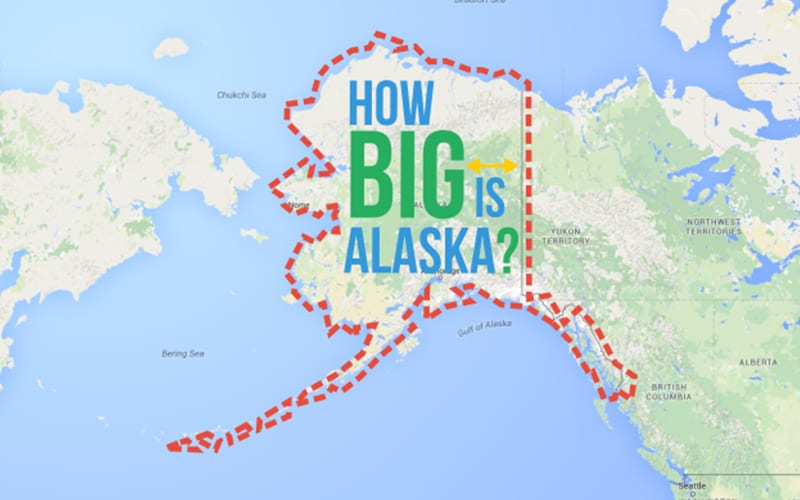
The question “How many square miles is Alaska?” often elicits gasps of surprise when answered. The Last Frontier is not just big; it’s staggeringly immense, a geographic titan that redefines the concept of scale for many travelers. Covering an awe-inspiring 663,300 square miles (1,717,856 square kilometers), Alaska stands as the largest state in the United States by a remarkable margin. This colossal size isn’t just a fun fact; it’s the fundamental characteristic that shapes everything about travel, tourism, and lifestyle within its borders, offering an unparalleled tapestry of landscapes, adventures, and unique cultural experiences.
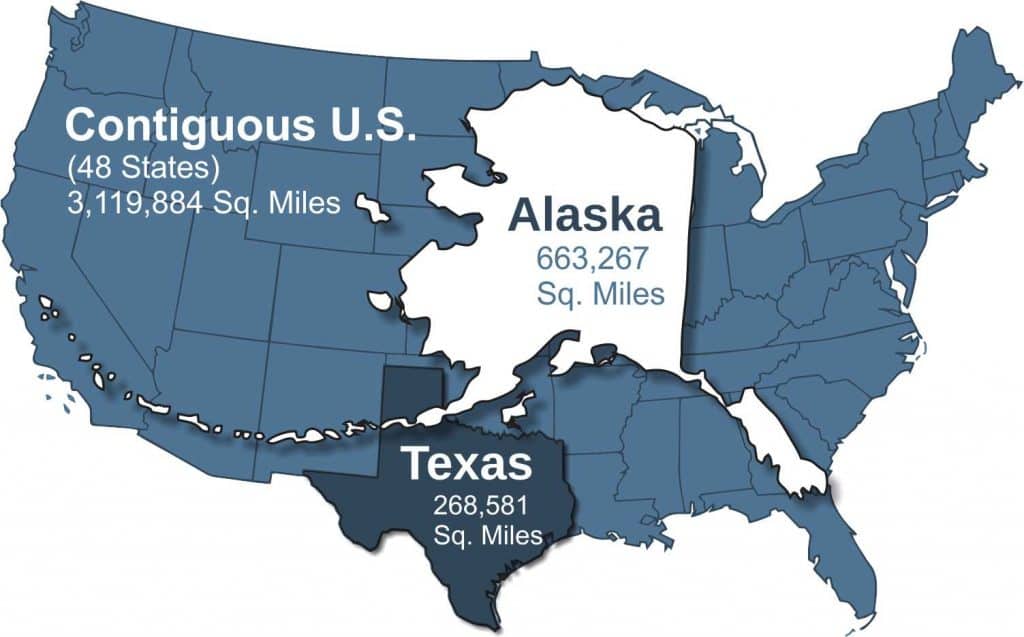
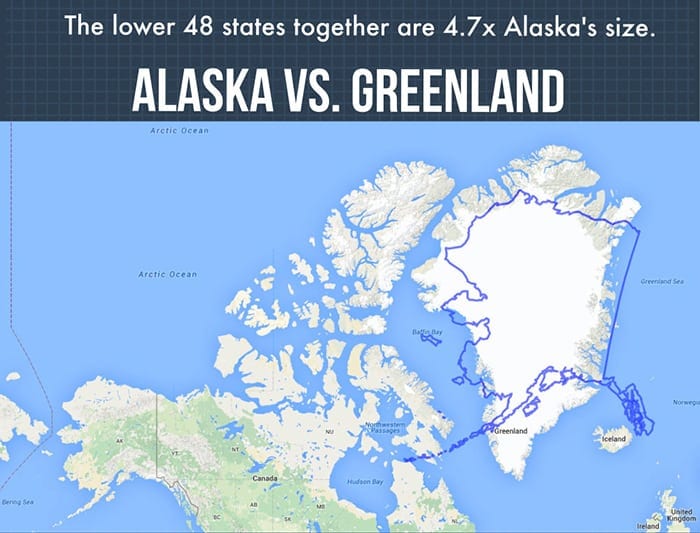
To put Alaska’s vastness into perspective, consider this: it is more than twice the size of Texas, the second-largest state, and larger than Texas, California, and Montana combined. If you were to superimpose a map of Alaska over the contiguous United States, it would stretch from the Atlantic to the Pacific coast. Globally, its landmass rivals that of countries like Iran and Mongolia, and it’s larger than Germany, France, and Spain combined. This immense footprint means that the state is a mosaic of diverse ecosystems, from temperate rainforests and glaciated coastlines to vast tundras and towering mountain ranges, each offering distinct attractions and challenges for visitors.
The Sheer Scale of Alaska: A Geographical Marvel
Alaska’s gargantuan size is not merely about land area; it encompasses an extraordinary array of geographical features that define its character and allure. The state boasts more than 3 million lakes, over 100,000 glaciers covering 5% of its surface, and the longest coastline in the United States – an astounding 33,904 miles, more than all other U.S. states combined. This expansive coastline is a critical component of Alaska’s tourism industry, facilitating the popular Inside Passage cruises that introduce millions to its pristine waters and abundant marine life.
At the heart of Alaska’s mountain ranges lies the tallest peak in North America, Mount Denali (formerly Mount McKinley), soaring to 20,310 feet. This colossal peak is just one sentinel in the vast Alaska Range, a testament to the state’s rugged interior. The state’s northernmost reaches extend into the Arctic Circle, where endless summer daylight gives way to spectacular aurora borealis displays in winter, attracting a niche but dedicated group of travelers. The enormous distances involved mean that traveling from one end of Alaska to another can be a multi-day journey, often requiring flights or cruises, rather than simply driving.
This geographical diversity directly translates into a myriad of travel opportunities. From the lush temperate rainforests of the Panhandle to the active volcanoes of the Aleutian Islands and the frozen tundra of the North Slope, Alaska offers a landscape for every type of adventurer. Wildlife abounds, from grizzly bears and moose in the forests to humpback whales and orcas in the coastal waters. Birdwatching enthusiasts flock to its diverse habitats, while anglers dream of its salmon-rich rivers. The scale of Alaska truly allows for unparalleled immersion in nature, often with vast stretches of wilderness where human presence is minimal, offering a unique sense of solitude and untouched beauty.
Implications for Travel Planning and Exploration
The immense size of Alaska is the single most important factor to consider when planning a trip. Unlike visiting a smaller state where one can often drive to multiple major attractions in a day, Alaska requires a strategic approach. Travelers often need to choose a specific region or focus their itinerary on a particular mode of transport, such as a cruise, a fly-in safari, or a road trip along one of the few paved highways.
For instance, exploring the Inside Passage on a cruise ship connects coastal cities like Juneau, Ketchikan, Sitka, and Skagway, offering breathtaking views of glaciers, fjords, and wildlife from the comfort of a vessel. Conversely, a land-based adventure focused on the interior might involve flying into Anchorage or Fairbanks, renting a car, and then driving to Denali National Park for wildlife viewing and hiking. Due to the distances, many travelers opt for a combination of methods, flying between major hubs and then utilizing car rentals or the Alaska Railroad for regional exploration. Understanding the scale prevents over-scheduling and allows for a more relaxed and immersive experience.
Navigating the Vastness: Iconic Destinations and Experiences
Alaska’s size directly translates into an abundance of unique destinations, each offering a distinct flavor of the Last Frontier. From bustling cities to remote wilderness lodges, the state provides a spectrum of experiences for every type of traveler.
Major Hubs and Their Allure
- Anchorage: As Alaska’s largest city, Anchorage serves as a primary gateway for most visitors. It’s a vibrant urban center nestled between the Chugach Mountains and Cook Inlet, offering modern amenities, a rich cultural scene, and easy access to outdoor adventures. Travelers can explore the Alaska Native Heritage Center, hike urban trails, or take day trips to nearby Seward on the Kenai Peninsula for glacier cruises and fishing. Hotels in Anchorage range from luxury suites in high-rise buildings to comfortable budget-friendly accommodations, catering to diverse lifestyle needs.
- Juneau: The state capital, Juneau, is unique in that it’s only accessible by air or sea due to the surrounding mountains and water. It’s a key stop on Inside Passage cruises and is renowned for the majestic Mendenhall Glacier and abundant whale watching opportunities. Its charm lies in its blend of wilderness and small-city appeal, with cozy B&Bs and boutique hotels offering a taste of local culture.
- Fairbanks: Located in the Interior, Fairbanks is the prime destination for experiencing the Northern Lights (Aurora Borealis) during the darker months. It’s also a hub for Arctic Circle tours, gold rush history, and a base for exploring the wilder parts of the state via roads like the Dalton Highway. Accommodation in Fairbanks often includes hotels designed for aurora viewing, along with more rustic options for those venturing further north.
Wilderness and Natural Wonders
- Denali National Park: Spanning 6 million acres, Denali National Park is one of the crown jewels of Alaska, famous for its incredible wildlife viewing (grizzly bears, moose, caribou, wolves) and the towering presence of Mount Denali. Access into the park is restricted, primarily by shuttle bus, emphasizing preservation and allowing visitors to experience true wilderness. Accommodation near Denali National Park ranges from campgrounds to luxury wilderness lodges offering guided tours and all-inclusive experiences.
- Glacier Bay National Park: Another jewel, this park is best experienced by cruise ship or small tour boat, offering unparalleled views of tidewater glaciers calving into the bay, alongside abundant marine wildlife. It’s a testament to the raw power and beauty of Alaska’s glacial landscapes.
- Kenai Peninsula: Known as “Alaska’s Playground,” the Kenai Peninsula offers diverse outdoor activities, from world-class fishing in Homer and Kenai to glacier viewing in Seward and kayaking in Prince William Sound. It’s a popular destination for families and adventure seekers alike.
- Katmai National Park: Home to the famous Brooks Falls, where brown bears fish for salmon, Katmai National Park offers one of the most incredible wildlife viewing experiences on the planet. Reaching it often requires a float plane, underscoring the remote nature of much of Alaska’s wilderness.
- Kodiak Island: The second-largest island in the United States, Kodiak Island is famous for its massive Kodiak brown bears and rich fishing grounds. It offers a rugged, authentic Alaskan experience for those willing to venture off the beaten path.
Accommodation and Lifestyle in the Last Frontier
The vastness of Alaska means that accommodation options and travel lifestyles are as varied as its landscapes. From luxurious resorts to rustic wilderness cabins, there’s a place for every budget and preference.
Diverse Accommodation Options
- Hotels and Resorts: Major cities like Anchorage, Fairbanks, and Juneau offer a full spectrum of hotels, from international chains providing familiar comforts and amenities to charming local hotels with unique character. Travelers can find everything from spacious suites ideal for families to budget-friendly rooms for solo adventurers. Luxury resorts often feature spas, gourmet dining, and guided excursions, catering to those seeking a higher-end experience.
- Wilderness Lodges and Cabins: For a truly immersive Alaskan experience, wilderness lodges are unparalleled. Often located in remote areas, accessible only by float plane or boat, these lodges provide comfortable stays with all-inclusive packages that typically include meals, guided activities like hiking, fishing, and wildlife viewing. Cabins, ranging from basic to well-appointed, offer a more private and self-sufficient option for those wanting to connect directly with nature. These accommodations are central to experiencing Alaska’s untouched beauty.
- Apartments and Villas: In larger towns, self-catering apartments and villas are available, providing a home-away-from-home feel, especially suitable for longer stays or families. These offer kitchens and living spaces, allowing visitors to experience local life more authentically.
- Camping and RV Parks: For budget travelers and those who love the outdoors, Alaska has numerous state and national park campgrounds, as well as private RV parks. This allows for unparalleled flexibility and closeness to nature, embodying a true ‘last frontier’ lifestyle.
Lifestyle Choices for Travelers
Alaska’s enormous size facilitates a multitude of travel lifestyles, from luxury to adventure.
- Luxury Travel: For those seeking indulgence, Alaska offers high-end small-ship cruises that provide intimate access to the Inside Passage and Glacier Bay National Park, often with gourmet dining and personalized service. Exclusive wilderness lodges cater to discerning guests with private guides, heli-hiking, and world-class fishing. Cities also provide luxury hotel options and fine dining experiences, blending comfort with wild adventure.
- Budget Travel: Despite its reputation for being expensive, Alaska can be explored on a budget. Camping, staying in hostels or simpler hotels, self-driving, and preparing your own meals can significantly reduce costs. Many state parks and public lands offer affordable access to hiking, fishing, and wildlife viewing. The Alaska Marine Highway System, though slower, is a cost-effective way to travel the coast, allowing passengers to pitch tents on deck.
- Family Trips: Alaska is an incredible destination for families, offering educational and exciting experiences. Wildlife viewing, junior ranger programs in national parks, dog sledding tours, and easy nature walks are just a few of the family-friendly activities. Many resorts and hotels offer family suites and amenities to make travel with children comfortable.
- Adventure and Ecotourism: The sheer scale of Alaska makes it a mecca for adventure travelers. Hiking remote trails, kayaking through icy fjords, white-water rafting, ice climbing, fishing charters, and even multi-day backpacking trips are all popular. Ecotourism is a strong focus, with many operators dedicated to sustainable practices and conservation, allowing visitors to experience the pristine environment responsibly.
- Cultural Immersion: The diverse indigenous cultures of Alaska, including Athabascan, Tlingit, Haida, Tsimshian, Yup’ik, and Inupiaq peoples, offer rich cultural experiences. Visiting cultural centers, attending Native festivals, and exploring art markets provide insights into the history and traditions of the region. Local food scenes also celebrate Alaskan seafood, wild berries, and game.
In conclusion, the colossal 663,300 square miles of Alaska is more than just a measurement; it’s an invitation. It dictates the rhythm of travel, the diversity of its landscapes, and the unforgettable nature of its adventures. From the carefully planned expeditions into its vast national parks to the comfortable stays in its welcoming cities, Alaska promises a travel experience unmatched in scale, beauty, and wild allure. Understanding its sheer size is the first step in truly appreciating the grandeur and endless possibilities of America’s Last Frontier.
LifeOutOfTheBox is a participant in the Amazon Services LLC Associates Program, an affiliate advertising program designed to provide a means for sites to earn advertising fees by advertising and linking to Amazon.com. Amazon, the Amazon logo, AmazonSupply, and the AmazonSupply logo are trademarks of Amazon.com, Inc. or its affiliates. As an Amazon Associate we earn affiliate commissions from qualifying purchases.