
The allure of Hawaii is undeniable. With its pristine beaches, volcanic landscapes, vibrant culture, and the spirit of aloha, the Hawaiian Islands represent a dream destination for travelers worldwide. However, before you can dip your toes into the warm Pacific Ocean or hike through lush rainforests, the inevitable question arises: “How much are Hawaii tickets?” While flights are often the first cost that comes to mind, a comprehensive understanding of a Hawaiian vacation budget extends far beyond just airfare. From accommodation and inter-island transportation to activities, dining, and even the subtle nuances of local tourism, every element contributes to the overall cost. This guide will meticulously break down the expenses involved, offering insights and strategies to help you plan your ideal trip, whether you’re seeking a luxurious escape or an adventurous budget-friendly journey.
Decoding the Cost of Flights to Hawaii
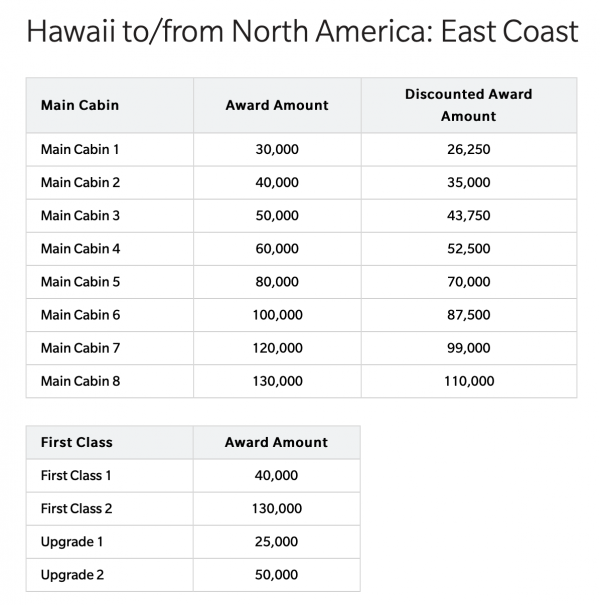
The initial hurdle for any traveler bound for the 50th United States is the flight ticket. Given its remote location in the middle of the Pacific Ocean, airfare to Hawaii can be a significant portion of your travel budget. However, with strategic planning and an understanding of market dynamics, you can often find deals that make this paradise more accessible.
Factors Influencing Airfare
Several key elements dictate the price of your plane ticket to Hawaii:
- Departure City & Airport: Your starting point plays a crucial role. Major hubs on the North American West Coast, such as Los Angeles, San Francisco, and Seattle, typically offer the most competitive prices and direct flight options due to their proximity and high demand. Travelers from further afield, like Chicago, New York, Canada, Europe, or Japan, will likely face higher fares and often require layovers.
- Time of Year (Peak vs. Off-Peak): This is perhaps the most impactful factor.
- Peak Season: Mid-December through early January (holiday season), spring break (March-April), and summer (June-August) see the highest demand and thus the highest prices. During these times, families are off school, and many seek a warm escape.
- Shoulder Season: Late April-May and September-November (excluding Thanksgiving week) often present a sweet spot. The weather is still beautiful, crowds are thinner, and prices for flights and accommodation tend to be lower.
- Off-Peak Season: January (after the New Year rush) and late November-early December can sometimes offer the lowest fares, though these windows are short-lived.
- Booking Window: Generally, booking 2-6 months in advance yields the best prices. Waiting until the last minute is a gamble that rarely pays off for Hawaii flights, while booking too far out (e.g., a year in advance) may not always reflect the lowest fares either, as airlines adjust pricing based on demand.
- Airline Choice & Class of Service: Different airlines offer varying price points and levels of service. Budget carriers like Southwest Airlines (for domestic US flights) might offer lower base fares but could have additional fees for baggage. Full-service carriers such as Hawaiian Airlines, Delta Air Lines, United Airlines, American Airlines, and Alaska Airlines offer a more inclusive experience but often at a higher price, particularly for premium economy, business, or first-class tickets, which can significantly inflate costs.
- Direct vs. Connecting Flights: Non-stop flights are more convenient but usually more expensive. Opting for a flight with one or more layovers can sometimes shave hundreds of dollars off the ticket price, especially from destinations not directly served by Hawaii.
- Travel Day of the Week: Mid-week flights (Tuesday, Wednesday) are typically cheaper than weekend flights (Friday, Sunday) due to lower business travel demand.
Strategies for Finding the Best Flight Deals
Securing affordable airfare requires a bit of detective work and flexibility:
- Flexibility with Dates and Airports: If your schedule allows, playing with your travel dates by a few days can reveal significant price differences. Consider flying into or out of different airports on the same island if possible (e.g., Kona International Airport vs. Hilo International Airport on the Island of Hawaii).
- Using Flight Comparison Websites: Tools like Google Flights, Skyscanner, Kayak, and Expedia allow you to compare prices across multiple airlines and find the cheapest dates to fly. Be sure to check prices directly on the airline websites too, as they sometimes offer exclusive deals.
- Setting Price Alerts: Many flight comparison websites offer email alerts that notify you when prices for your desired route drop. This passive approach can help you snag a deal without constantly monitoring fares.
- Considering Package Deals: Sometimes, bundling flights with hotel or rental car bookings through travel agencies or airline vacation departments can lead to substantial savings. These deals often present better value than booking each component separately.
- Loyalty Programs and Credit Card Points: If you’re a frequent flyer or hold travel rewards credit cards, accumulating points or miles can significantly reduce or even cover the cost of your flights. Many cards offer generous sign-up bonuses that can be enough for a round-trip ticket to Hawaii.
Beyond the Airfare: Understanding Your Full Hawaii Vacation Budget
While flights are a major component, they are just one piece of the puzzle. A truly comprehensive Hawaii budget must account for every aspect of your trip, from where you lay your head to what adventures you embark on.
Accommodation: Your Home Away From Home
Hawaii offers a vast spectrum of accommodation options, catering to every taste and budget. The choice you make will profoundly impact your overall vacation cost.
- Types of Accommodation:
- Luxury Resorts: High-end resorts like the Four Seasons Resort Maui at Wailea or the Grand Hyatt Kauai Resort & Spa offer unparalleled amenities, gourmet dining, spas, and prime beachfront locations. These come with a hefty price tag, often upwards of $500-$1000+ per night.
- Mid-Range Hotels: These offer a balance of comfort and cost, with standard amenities, pools, and convenient locations. Expect to pay $200-$500 per night, depending on the island and season.
- Vacation Rentals (Condos/Villas): Platforms like Airbnb and Vrbo offer a wide selection of homes, condos, and apartments, often with kitchens, which can be cost-effective for families or longer stays. Prices vary widely but can range from $150-$700+ per night.
- Budget Stays/Hostels: Options like hostels, especially in Honolulu on Oahu, provide the most affordable lodging, sometimes as low as $50-$100 per night for a dorm bed or basic private room.
- Geographic Variations: Prices fluctuate significantly between islands. Oahu (especially Waikiki) and Maui tend to be the most expensive due to their popularity and concentration of resorts. Kauai and the Island of Hawaii (the Big Island) can sometimes offer slightly more budget-friendly options outside of their main resort areas like Poipu or Kailua-Kona.
- Amenities and Lifestyle Choices: Decide what’s important to you. Do you need a beachfront resort with multiple pools and daily maid service, or is a comfortable room with a fridge and easy access to local attractions sufficient? Resort fees, which are common in Hawaii, can add $25-$50+ per night to your bill.
- Booking Tips: Booking your accommodation well in advance, especially for popular destinations and during peak season, is crucial. This not only secures your preferred spot but can also lock in better rates before demand drives them up. Consider shoulder seasons for better value.
Getting Around: Inter-Island and Local Transportation
Hawaii is an archipelago, meaning getting between islands is a key part of the experience for many. Once you’re on an island, local transport adds another layer to your budget.
- Inter-Island Flights: If you plan to visit multiple islands, inter-island flights are necessary. Hawaiian Airlines and Mokulele Airlines are the main carriers. A round-trip flight between islands typically costs $70-$150, but can be more depending on demand and booking time. Factor in baggage fees, which are common on these shorter flights.
- Rental Cars: For most islands (except perhaps a short stay exclusively in Waikiki on Oahu), a rental car is highly recommended, if not essential, for exploring the diverse landscapes and attractions at your own pace. Rental prices vary greatly by season and availability, ranging from $50-$150+ per day. Gas prices in Hawaii are also higher than the mainland United States. Book well in advance, especially if you need a specific vehicle type.
- Public Transportation: Oahu has an extensive public bus system called “TheBus,” which is an affordable way to get around Honolulu and other parts of the island. Other islands have limited public transport, making rental cars a more practical option.
- Ride-Sharing & Taxis: Uber and Lyft are available in major tourist areas on the main islands, offering convenient (but potentially expensive) options for shorter distances or evenings out. Taxis are also available but generally cost more.
- Guided Tours: Many tourist activities include transportation, such as bus tours to Pearl Harbor or vans for the Maui’s Road to Hana. While these can seem pricey initially, they often bundle transport with entry fees and expert commentary, providing good value.
Activities and Experiences: From Free Wonders to Epic Adventures

Hawaii’s natural beauty provides countless free opportunities for exploration, but many signature experiences come with a cost. Balancing these will define your trip’s activity budget.
- Free Activities: Embrace the natural wonders! Spend days at the beach, go snorkeling (if you bring your own gear), hike scenic trails like Diamond Head on Oahu or explore parts of Hawaii Volcanoes National Park on the Island of Hawaii, drive the Na Pali Coast lookout points on Kauai (though the full trail requires a permit), and enjoy breathtaking sunsets. Visiting local markets also offers a glimpse into local culture without breaking the bank.
- Mid-Range Paid Activities:
- Snorkeling/Diving Tours: $50-$150 per person.
- Surfing Lessons: $70-$120 per person.
- Luau: A traditional Hawaiian feast with entertainment typically costs $100-$200 per person. Popular ones include the Old Lahaina Luau on Maui or the Polynesian Cultural Center on Oahu.
- Museums/Historical Sites: Entry fees for places like Pearl Harbor memorials (some parts are free, but tours and museums have costs) or botanical gardens range from $10-$30.
- Luxury Experiences:
- Helicopter Tours: Offering unparalleled aerial views of volcanoes, waterfalls, and the Na Pali Coast, these can cost $200-$600+ per person.
- Private Charters: Fishing, sailing, or diving charters can run into thousands of dollars.
- Fine Dining: Multi-course meals at top restaurants with ocean views can easily exceed $150-$250 per person.
- Booking in Advance: For popular tours and activities, especially during peak season, booking in advance is highly recommended to secure your spot and sometimes even get a slightly better rate.
Food and Dining: Savoring the Hawaiian Flavors
Dining in Hawaii can be a significant expense, as groceries and restaurant meals are generally more expensive than on the mainland due to import costs.
- Dining Out:
- Fine Dining: Expect $50-$100+ per person per meal at upscale restaurants.
- Mid-Range Restaurants: Casual sit-down meals can be $25-$50 per person.
- Food Trucks & Local Eateries: These are excellent for experiencing local flavors at a more affordable price, often $10-$20 per meal. Look for poke bowls, plate lunches, and shave ice.
- Grocery Shopping & Cooking: This is one of the best ways to save money on food. If your accommodation has a kitchen or even a mini-fridge, buying groceries for breakfast, lunch, and some dinners can drastically cut costs. Supermarkets like Foodland, Safeway, and Costco are available.
- Local Markets & Farmers Markets: Not only do these offer fresh, local produce at potentially better prices, but they also provide a wonderful cultural experience. They’re great places to pick up snacks, fruit, and unique local items.
- Cost-Saving Strategies: Pack snacks for your day trips, carry a reusable water bottle, take advantage of happy hour specials, and look for “early bird” dinner deals.
Crafting Your Hawaii Itinerary: Budgeting for Different Lifestyles
The beauty of a Hawaii vacation is its adaptability to various budgets and travel styles. Here’s how you might approach planning depending on your financial comfort zone.
The Budget Traveler’s Hawaii
A trip to Hawaii doesn’t have to break the bank. With smart choices, you can experience the islands’ magic without overspending.
- Accommodation: Opt for hostels, guesthouses, or budget hotels. Consider staying in less touristy areas where prices are lower. Camping can also be an option on some islands with proper permits.
- Flights: Be extremely flexible with your travel dates and consider connecting flights. Fly during the off-peak season (late January to May, or September to early December).
- Transportation: Utilize public transportation (especially on Oahu), walk, or consider ride-sharing for essential trips. For inter-island travel, choose the most economical flights.
- Activities: Focus almost entirely on free activities: beach days, swimming, hiking, exploring local towns, and enjoying scenic drives. Pack your own snorkeling gear.
- Food: Prioritize grocery shopping and cooking meals in your accommodation. Seek out local food trucks, farmers markets, and happy hour specials for affordable dining out.
Mid-Range Exploration
For travelers seeking a comfortable yet conscious experience, a mid-range budget allows for a good balance of amenities and memorable activities.
- Accommodation: Stay in 3-star hotels, comfortable vacation rentals, or well-rated guesthouses. Look for deals during shoulder seasons.
- Flights: Book 3-4 months in advance during shoulder seasons. You might opt for slightly more convenient flight times or fewer layovers.
- Transportation: A rental car is advisable for flexibility and exploring diverse landscapes. Supplement with public transport or ride-sharing when convenient. Plan for one or two inter-island flights if visiting multiple islands.
- Activities: Enjoy a mix of free activities with a few paid excursions. This could include a snorkeling tour, a surfing lesson, or a moderately priced luau. Visit some popular attractions with entry fees like Pearl Harbor.
- Food: Balance cooking some meals with dining out at mid-range restaurants and enjoying local food trucks. Explore diverse culinary experiences without splurging on fine dining every night.
The Luxury Hawaiian Escape
For those for whom budget is less of a constraint, Hawaii offers world-class luxury experiences.
- Accommodation: Indulge in 5-star resorts, private villas, or exclusive beachfront properties. Enjoy full-service amenities, concierge services, and luxurious suites.
- Flights: Opt for business or first-class tickets, direct flights, and premium airlines. Book well in advance to secure preferred seats.
- Transportation: Premium rental cars (sports cars, convertibles, or luxury SUVs) are standard. Consider private airport transfers, chauffeur services, or even private inter-island charters.
- Activities: Enjoy exclusive experiences like private yacht charters, helicopter tours of all islands, private surf lessons, spa treatments, and premium golf course access.
- Food: Relish the vibrant culinary scene with reservations at Hawaii’s finest restaurants, private chefs, and gourmet dining experiences at your resort.
Essential Pre-Travel Considerations for Hawaii
Beyond the direct monetary costs, a few important considerations can prevent unforeseen expenses and ensure a smooth, worry-free trip.
- Travel Insurance: Why It’s Crucial: While Hawaii is a safe destination, unforeseen circumstances can always arise. Travel insurance can cover trip cancellations or interruptions, medical emergencies, lost luggage, and rental car damage. Given the cost of a Hawaiian vacation, it’s a small investment for peace of mind.
- Visa and Entry Requirements: For United States citizens, Hawaii is a domestic destination, so no special visa is required. However, international travelers will need to comply with United States entry requirements, which typically involve a valid visa or an ESTA authorization for eligible countries under the Visa Waiver Program. Always check the latest requirements well before your travel dates.
- Packing Essentials: Don’t underestimate the cost of forgetting essentials. Pack reef-safe sunscreen, a reusable water bottle, comfortable walking shoes, swimwear, light clothing, and a hat. Buying these items at resorts can be significantly more expensive.
- Respecting Local Culture and Environment (Malama Aina): Hawaii is a place of deep cultural significance and delicate ecosystems. Malama Aina, meaning “to care for the land,” is a guiding principle. Be mindful of local customs, dispose of waste properly, stay on marked trails, and choose responsible tour operators. Respecting the local way of life enhances your experience and preserves the islands for future generations.
- Best Time to Book (Flights and Accommodation): For both flights and accommodation, the sweet spot for booking is generally 3-6 months in advance. For peak travel periods, booking even earlier (6-9 months) is advisable, especially for specific resorts or unique vacation rentals.
In conclusion, the question “How much are Hawaii tickets?” is complex, extending far beyond the price of your plane seat. A well-planned Hawaiian adventure requires a holistic budget, encompassing flights, diverse accommodation options, inter-island and local transportation, a myriad of activities from free natural wonders to exclusive tours, and thoughtful dining choices. By understanding these various components and leveraging smart booking strategies, you can tailor your trip to fit your financial comfort level while still experiencing the incredible beauty, adventure, and warmth of the Aloha State. Whether you envision a barefoot beach bum adventure or a lavish resort indulgence, Hawaii offers a pathway to paradise for every traveler. Start planning, set your budget, and prepare to create unforgettable memories in one of the world’s most cherished destinations.
LifeOutOfTheBox is a participant in the Amazon Services LLC Associates Program, an affiliate advertising program designed to provide a means for sites to earn advertising fees by advertising and linking to Amazon.com. Amazon, the Amazon logo, AmazonSupply, and the AmazonSupply logo are trademarks of Amazon.com, Inc. or its affiliates. As an Amazon Associate we earn affiliate commissions from qualifying purchases.