
The California Roll, a ubiquitous staple on sushi menus worldwide, holds a fascinating position in the culinary landscape. It’s often the first foray into the world of sushi for many, a comforting and accessible choice that has undeniably paved the way for the global popularity of Japanese cuisine. Yet, despite its widespread appeal, a common question lingers in the minds of diners and travelers alike: “Is the California Roll cooked?” This seemingly simple query delves into the heart of its ingredients, preparation methods, and its unique place in both traditional and adapted sushi offerings. For those exploring local culture through food activities or navigating the diverse menus in hotels and restaurants during their travels, understanding the California Roll’s true nature is key to a confident and enjoyable dining experience.

The answer, in most cases, is a resounding “yes,” at least concerning its primary protein. Unlike many traditional sushi rolls featuring raw fish like tuna or salmon, the California Roll typically relies on cooked ingredients, making it a “safe” and appealing option for those hesitant about consuming raw seafood. This article will unravel the components of this iconic roll, clarify the cooking status of each, and explore its significance for travelers venturing into the exciting world of global gastronomy.
The Culinary Heart of the California Roll: Understanding its Ingredients
To truly answer whether the California Roll is cooked, we must dissect its core components. This roll is a harmonious blend of several distinct elements, each contributing to its unique texture and flavor profile. From the creamy avocado to the crisp cucumber and the central crab, understanding each part is crucial.
Crab: Real Deal or Imitation?
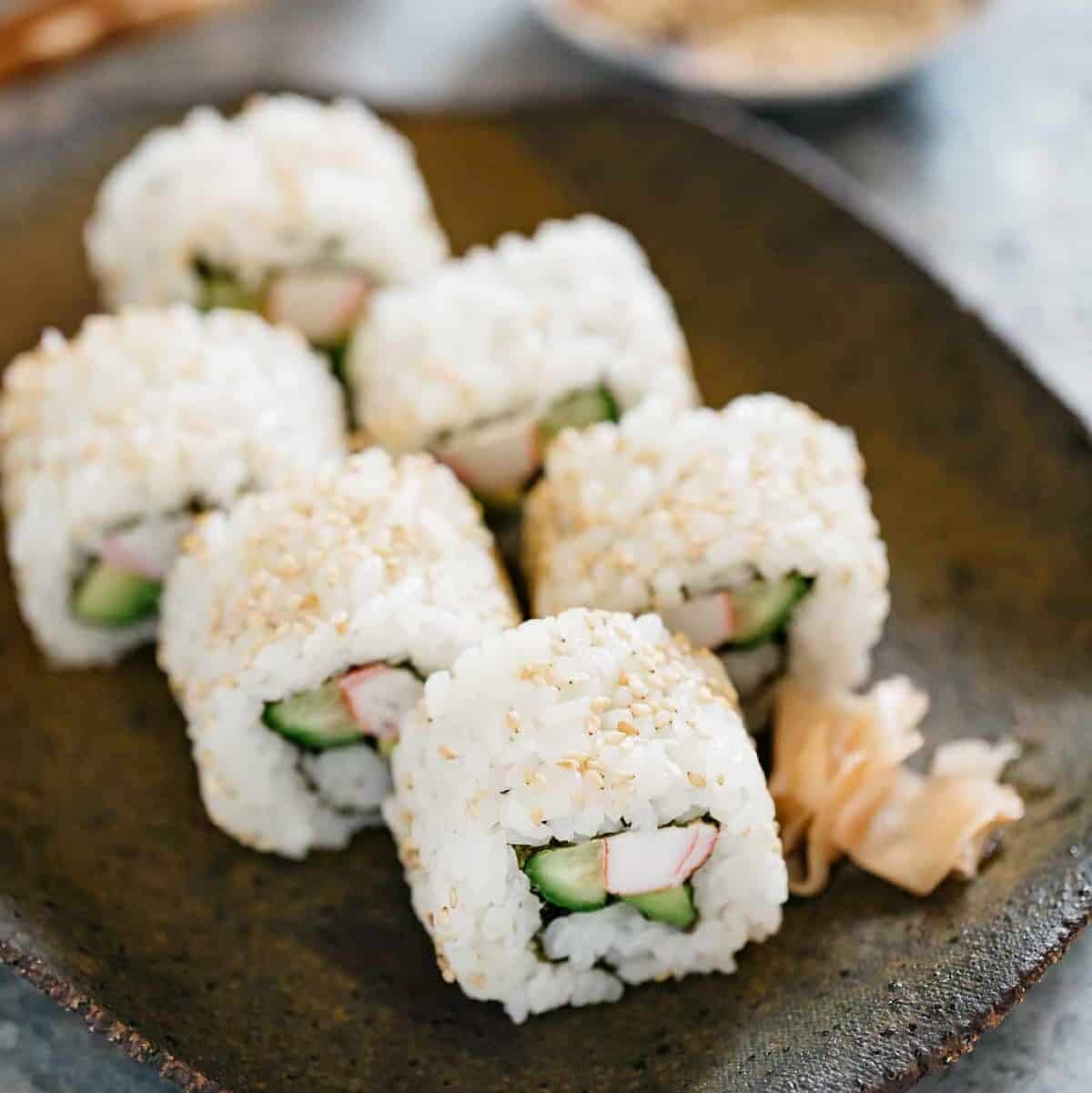
At the very core of the California Roll lies its defining ingredient: crab. This is where the “cooked” aspect becomes most evident. Traditionally, and in many contemporary versions, the California Roll uses either real cooked crab meat or, more commonly, imitation crab meat, often referred to as kani.
- Real Cooked Crab: When authentic crab meat is used, it is invariably cooked. Whether it’s snow crab, Dungeness crab, or king crab, these crustaceans are steamed or boiled before their meat is extracted and used in sushi. This ensures both safety and a tender, flaky texture that complements the other ingredients. While more expensive, rolls made with real crab offer a distinct sweetness and oceanic flavor.
- Imitation Crab (Kani): The vast majority of California Rolls, especially those found in supermarkets, casual eateries, and many all-inclusive resorts, utilize imitation crab meat. This product, known as surimi, is made from various types of white fish (such as pollock) that have been deboned, minced, washed, and then combined with starches, egg whites, salt, and flavorings to mimic the texture and taste of crab meat. Crucially, the fish used to make surimi is cooked and processed. Therefore, imitation crab meat is always cooked and poses no raw seafood concerns.
Regardless of whether a restaurant uses real cooked crab or kani, the central protein of the California Roll is unequivocally in a cooked state. This fundamental fact is what makes the roll so approachable for a wide audience, including those new to Japanese cuisine or individuals with dietary preferences that avoid raw fish.
The Freshness Factor: Avocado, Cucumber, and Nori
Beyond the crab, the California Roll is renowned for its fresh, vibrant additions. These ingredients provide essential textural contrast and flavor, balancing the richness of the crab and rice.
- Avocado: The creamy, buttery texture of ripe avocado is a signature component. Avocado is a fruit and is always used raw in sushi. It’s carefully sliced or mashed to provide a smooth, rich counterpoint to the other ingredients. No cooking is involved here.
- Cucumber: Offering a refreshing crunch and a clean taste, cucumber slices are another vital raw ingredient. They provide a crisp texture that contrasts beautifully with the soft rice and creamy avocado. Like avocado, cucumber is always served fresh and uncooked in sushi rolls.
- Nori (Seaweed): The dark green, thin sheet of nori is what holds the roll together, whether it’s on the inside or wrapped around the outside (as is common for traditional rolls, but less so for the inside-out California Roll). Nori is typically dried and toasted, a process that doesn’t involve “cooking” in the traditional sense, but rather prepares it for consumption. It’s a natural, marine-derived product that imparts a subtle oceanic flavor.
These fresh ingredients highlight the roll’s balance between cooked and uncooked elements, with the latter contributing crispness, creaminess, and a delightful garden freshness.
Rice and Roe: The Foundation and the Garnish
Rounding out the California Roll are its foundational and finishing touches: the sushi rice and the optional fish roe.
- Sushi Rice: This is perhaps the most universally cooked component of any sushi roll. Sushi rice is short-grain white rice that is carefully cooked, then seasoned with a blend of rice vinegar, sugar, and salt. The cooking process is crucial to achieve the sticky, slightly sweet, and tangy profile characteristic of good sushi rice. Therefore, the rice is always cooked.
- Tobiko or Masago (Fish Roe): Often, California Rolls are adorned with a sprinkling of small, brightly colored fish roe, such as tobiko (flying fish roe) or masago (capelin roe). While often appearing “raw,” these types of roe are typically cured or marinated (often with soy sauce, mirin, or other seasonings) before being used. This curing process can be considered a form of preparation that makes them safe to eat, and they are not typically served raw in the same way fresh fish fillets are. Some specialized roe may be pasteurized, but generally, their curing makes them distinct from truly raw proteins. So, while not cooked by heat, they are processed and safe.

Navigating the Sushi Scene: Food Safety and Culinary Confidence
For any traveler or food enthusiast, understanding the ingredients of dishes like the California Roll is not just about curiosity, but also about food safety and confidently exploring local cuisine. The “cooked” status of the California Roll makes it a gateway dish for many.
Raw vs. Cooked: A Guide for the Traveler
The distinction between raw and cooked ingredients is paramount, especially when dining in unfamiliar destinations.
- The California Roll’s cooked nature: As established, the primary protein (crab or imitation crab) in a California Roll is cooked. This makes it an excellent choice for individuals who are pregnant, have compromised immune systems, or simply prefer to avoid raw seafood. It’s a reassuring option when exploring sushi menus, offering a familiar flavor profile with minimal risk.
- Comparing to other sushi types: It’s essential to differentiate the California Roll from other popular sushi and sashimi offerings. Dishes like nigiri (raw fish over rice) or sashimi (slices of raw fish without rice) featuring tuna (maguro), salmon (sake), or yellowtail (hamachi) are indeed made with raw, fresh fish. Rolls like the Spicy Tuna Roll or Salmon Avocado Roll also typically contain raw fish. When ordering, if you’re uncertain about a roll’s contents, don’t hesitate to ask your server or consult the menu description, especially in a new city like New York City or Tokyo where culinary variations can be diverse.
Sourcing and Preparation: Where to Enjoy Your Roll Safely
Regardless of whether a sushi item contains cooked or raw ingredients, the general principles of food safety remain critical. When traveling, choosing reputable establishments is key to a positive tourism experience.
- Reputable Establishments: Look for sushi restaurants with high turnover, as this often indicates fresh ingredients. Cleanliness, good reviews, and certifications are also good indicators. Many luxury resorts and boutique hotels offer on-site sushi bars that adhere to stringent food safety standards, making them reliable choices.
- Freshness is Key: Even with cooked ingredients like crab, freshness is paramount for taste and safety. Avoid places that seem to have ingredients sitting out for extended periods. A good sushi chef prioritizes ingredient quality.
- Understanding “Sushi Grade”: While the California Roll typically uses cooked crab, the concept of “sushi grade” fish is important for understanding the broader sushi landscape. “Sushi grade” is not a regulated term but generally refers to fish that has been handled with extreme care from catch to consumption, often flash-frozen at sea to kill parasites, and deemed safe for raw consumption. This meticulous handling ensures that even raw fish can be enjoyed safely. While not directly applicable to the cooked crab in a California Roll, it underscores the importance of quality sourcing in all sushi preparations.
Beyond the Basics: The California Roll in Global Cuisine and Travel
The California Roll’s origin is often debated, with claims from Los Angeles and Vancouver, Canada, dating back to the late 1960s and early 1970s. Its “inside-out” style (rice on the outside, nori on the inside) was purportedly designed to appeal to Western palates unfamiliar with seaweed. This adaptability and innovative spirit have made it an enduring icon.
A Gateway to Japanese Flavors Worldwide
The California Roll’s cooked nature and familiar ingredients made it an incredibly popular entry point for Western diners into the world of sushi. Before its advent, many were wary of raw fish. This roll offered a delicious and unintimidating alternative, acting as a culinary bridge.
- Global Phenomenon: Today, you’ll find variations of the California Roll in virtually every major city around the globe, from London to Sydney, Dubai to Singapore. It’s a testament to its universal appeal and adaptability. For those on family trips or with less adventurous eaters, it often remains a reliable choice.
- Fusion and Innovation: The success of the California Roll also spurred a wave of fusion sushi, leading to countless creative rolls featuring diverse ingredients like cream cheese, tempura, and various sauces. This innovation has diversified the sushi experience, making it a dynamic part of international lifestyle and food culture. When traveling, exploring these fusion creations can be an exciting part of your culinary adventure.
Enjoying Sushi on Your Travels: From Luxury Resorts to Local Eateries
Whether you’re embarking on luxury travel or sticking to a budget travel plan, the California Roll is likely to be an option.
- Accommodation Dining: Many hotels, from Hyatt properties to Marriott establishments and independent boutique hotels, include sushi on their room service or restaurant menus. The California Roll is almost always present due to its broad appeal. This convenience can be a lifesaver after a long day of exploring landmarks or attending business stays.
- Exploring Local Food Scenes: In major cities, you’ll find everything from dedicated sushi bars to Japanese restaurants and even grocery stores offering pre-made California Rolls. Exploring these diverse options is part of the travel experience. Don’t be afraid to try it in different settings; you might discover subtle variations in preparation or unique ingredient combinations. For instance, a roll in Hawaii might incorporate local fish or fruits in creative ways, reflecting the regional culture.
- Travel Guides and Reviews: Before dining, especially in new destinations, consult travel guides or hotel reviews to find highly recommended sushi spots. Online platforms often provide insights into the quality and authenticity of eateries, helping you make informed decisions for your culinary adventures. Whether you’re looking for a quick bite or a gourmet experience, the right research can enhance your meal.
In conclusion, the question “Is California Roll cooked?” can be definitively answered: its primary protein, crab or imitation crab, is indeed cooked. Combined with cooked rice and fresh, raw vegetables like avocado and cucumber, it creates a delightful and safe culinary experience. This understanding not only clarifies a common misconception but also empowers travelers and food lovers to confidently explore the diverse and delicious world of sushi, knowing they have a reliable, cooked option at their fingertips, whether they are dining in a bustling city or relaxing at a tranquil resort. So, go ahead and enjoy your next California Roll with newfound appreciation for its clever construction and global appeal.
LifeOutOfTheBox is a participant in the Amazon Services LLC Associates Program, an affiliate advertising program designed to provide a means for sites to earn advertising fees by advertising and linking to Amazon.com. Amazon, the Amazon logo, AmazonSupply, and the AmazonSupply logo are trademarks of Amazon.com, Inc. or its affiliates. As an Amazon Associate we earn affiliate commissions from qualifying purchases.