
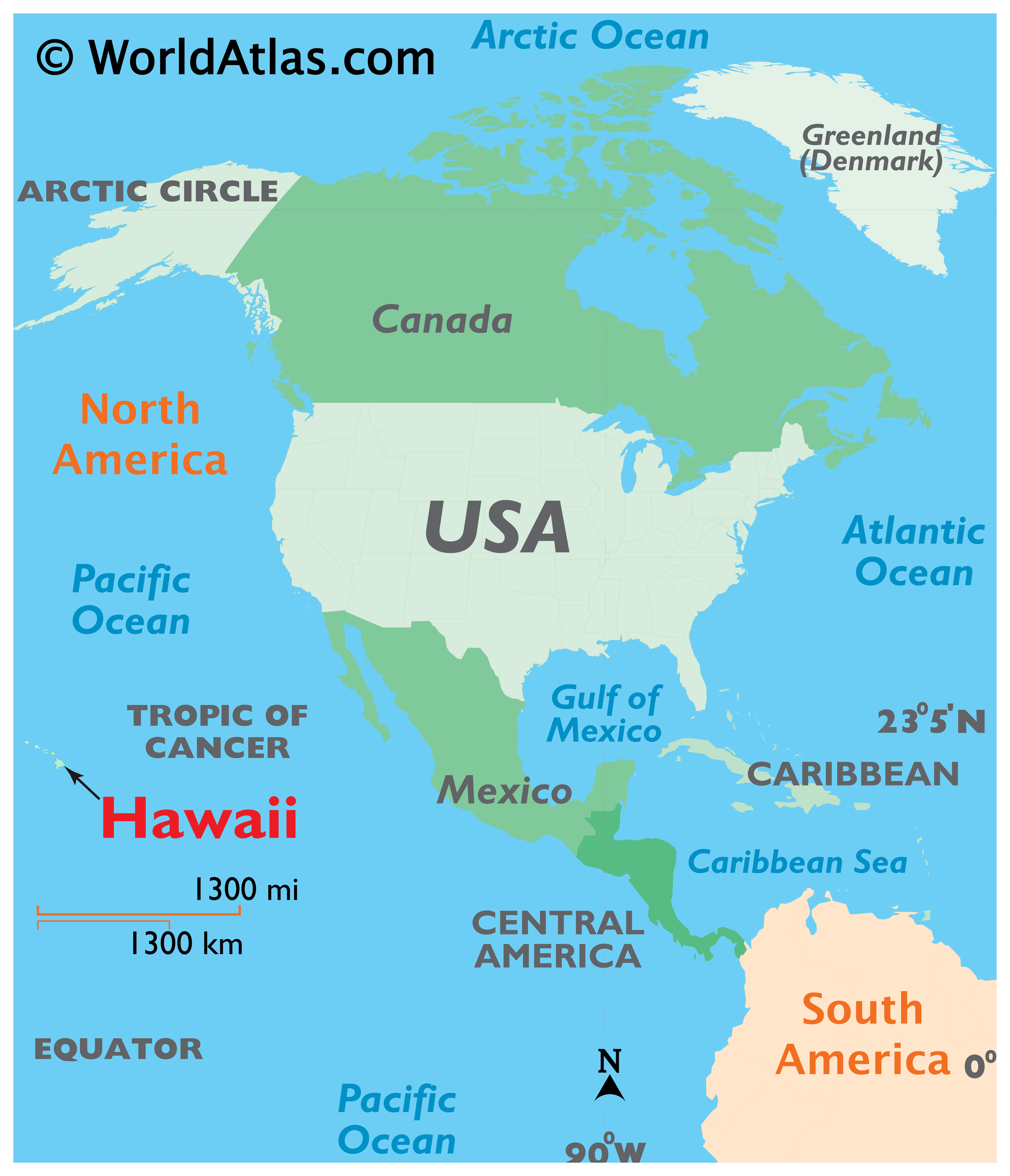
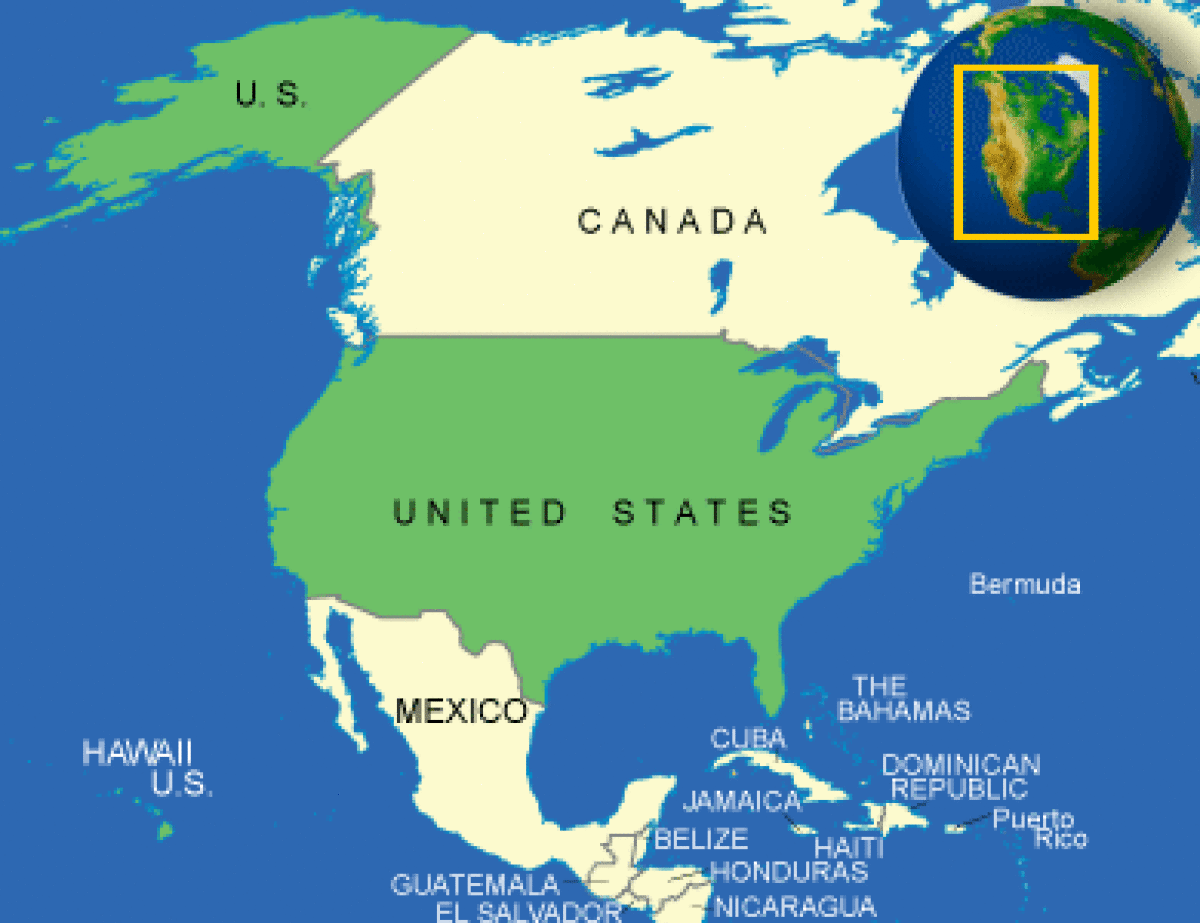
The question “Is Hawaii a part of the United States?” might seem straightforward to many, yet it lingers in the minds of travelers and curious individuals worldwide. Perhaps it’s due to the archipelago’s remote location in the central Pacific Ocean, its distinct Polynesian heritage, or its lush, tropical landscapes that feel a world away from the continental United States. The unequivocal answer is a resounding yes. Hawaii is the 50th state of the United States, having officially joined the Union on August 21, 1959. This vibrant state offers a unique blend of American governance and exotic island charm, making it an unparalleled destination for travel, tourism, and accommodation. For those planning a Hawaiian getaway, understanding its place within the American framework is key to appreciating its diverse offerings, from its stunning landmarks to its distinctive lifestyle experiences.
The Undeniable Reality: Hawaii’s Place in the Union
Hawaii’s status as a full-fledged United States state is a fundamental aspect of its identity and governance. While geographically distant from the mainland, its political and economic ties are deeply integrated with the rest of the nation. This integration means that visiting Hawaii for US citizens is akin to domestic travel, with no passport required, and the same currency, laws, and federal protections apply. For international visitors, the standard United States visa requirements and entry protocols are in effect. This seamless integration simplifies travel logistics, allowing visitors to focus on exploring the islands’ natural beauty, cultural richness, and array of attractions.
A Brief History of Annexation and Statehood
The journey of Hawaii to statehood is a fascinating chapter in American history, marking a significant transition from an independent kingdom to a United States territory, and eventually, a state. Before its annexation, Hawaii was a sovereign nation, the Kingdom of Hawaii, recognized by major world powers. However, in the late 19th century, political tensions and economic interests led to the overthrow of the Hawaiian monarchy in 1893, primarily by American and European businessmen. This event paved the way for the establishment of the Republic of Hawaii, which then sought annexation by the United States.
In 1898, during the Spanish-American War, Hawaii was annexed as a US territory, largely due to its strategic military and economic importance in the Pacific Ocean. For over six decades, Hawaii remained a territory, experiencing significant development in infrastructure, agriculture, and military installations. The attack on Pearl Harbor in 1941 underscored its strategic value and further solidified its connection to the US mainland.
The push for statehood gained momentum after World War II, with many Hawaiians advocating for equal rights and representation. Finally, after a plebiscite in which Hawaiian residents overwhelmingly voted in favor of joining the Union, Hawaii became the 50th state on August 21, 1959. This historical progression means that all the institutions, legal frameworks, and protections afforded to citizens on the mainland apply equally to residents and visitors in Hawaii. It underscores why, despite its unique geographical and cultural aspects, Hawaii is undeniably and irrevocably a part of the United States, offering a seamless travel experience for anyone visiting from within the nation.
A Distinct Identity Within the American Fabric: Culture, Nature, and Tourism
While politically integrated, Hawaii retains a profoundly distinct identity, setting it apart from any other state. This unique blend of American infrastructure and Polynesian soul is precisely what draws millions of tourists annually, seeking a destination that offers both the comfort of familiarity and the thrill of exotic discovery. From its ancient traditions to its breathtaking natural wonders, Hawaii is a testament to the coexistence of diverse influences, creating a rich tapestry of experiences for every traveler.
Cultural Richness and Polynesian Heritage
Hawaii’s cultural heritage is deeply rooted in its Polynesian origins, offering a vibrant contrast to the typical American experience. The islands were originally settled by Polynesians who navigated vast ocean expanses to arrive in this paradise, bringing with them their traditions, language, and way of life. Today, this heritage is celebrated and preserved, making it a cornerstone of the Hawaiian tourism experience. Visitors can immerse themselves in ancient hula dances, partake in a traditional luau featuring delicious kalua pig and poi, or learn a few words of the melodious Hawaiian language.
Each island offers its unique cultural nuances. On Oahu, visitors can explore the Polynesian Cultural Center to experience the diverse cultures of the Pacific islands, or visit historic sites in Honolulu that chronicle the overthrow of the monarchy. Maui offers glimpses into plantation history, while Kauai, known as the “Garden Isle,” maintains a strong connection to nature-based traditions. The Big Island (officially called Hawaii Island) is a hub for understanding volcanic geology and the legends of Pele, the goddess of fire. This rich cultural tapestry enhances the travel experience, allowing guests to delve deeper than just picturesque beaches, engaging with the spirit of aloha that permeates daily life.
Natural Wonders and Iconic Landmarks
The geological formation of Hawaii, a chain of volcanic islands, has endowed it with some of the most spectacular natural landscapes and landmarks on Earth. These breathtaking sites are not only significant tourist attractions but also integral to the state’s identity and ecological importance.
- Volcanoes: The Big Island is home to Hawaii Volcanoes National Park, where visitors can witness active volcanoes like Kilauea and Mauna Loa, which continuously shape the island’s landscape with their lava flows. This natural spectacle offers a rare opportunity to see the Earth being formed. On Maui, the dormant Haleakala National Park offers stunning sunrise views from its summit, often above the clouds, a truly unforgettable experience.
- Beaches: Hawaii is synonymous with world-class beaches. Waikiki Beach on Oahu is perhaps the most famous, bustling with surfers, sunbathers, and luxury resorts. Other notable beaches include Kaanapali Beach on Maui and Lanikai Beach on Oahu, renowned for its pristine waters and views of the Mokulua Islands.
- Historical Sites: Beyond its natural beauty, Hawaii holds significant historical landmarks. Pearl Harbor, particularly the USS Arizona Memorial, is a poignant reminder of World War II and a powerful symbol of American resilience. On Oahu, Diamond Head, an iconic volcanic tuff cone, offers panoramic views of Waikiki and Honolulu after a rewarding hike.
- Natural Wonders: The dramatic cliffs of the Napali Coast on Kauai are accessible by boat or helicopter, revealing breathtaking valleys and waterfalls. Waimea Canyon, also on Kauai and often called the “Grand Canyon of the Pacific,” offers stunning vistas of colorful geological formations.
These landmarks provide diverse attractions for any itinerary, from adventurous explorations to solemn reflections, reinforcing Hawaii’s appeal as a premier travel destination within the United States.
Planning Your American Tropical Escape: Travel and Accommodation in Hawaii
As a US state, Hawaii offers seamless travel and accommodation options that cater to every type of visitor, from luxury seekers to budget-conscious families. The state’s robust tourism infrastructure ensures a comfortable and memorable experience, with a wide array of choices for hotels, resorts, and activities. The accessibility and familiarity of services (e.g., cell phone coverage, banking, common transportation laws) provide peace of mind for American travelers, while international guests benefit from well-developed tourism support.
Navigating the Islands: Destinations and Experiences
Planning a trip to Hawaii involves selecting which of its magnificent islands to explore, each offering unique destinations and experiences.
- Oahu: Often the first point of entry, Oahu combines urban sophistication in Honolulu with world-famous beaches like Waikiki and the surfing mecca of the North Shore. Beyond relaxation, travelers can visit Pearl Harbor, hike Diamond Head, or explore historical sites like the Iolani Palace.
- Maui: Known as the “Valley Isle,” Maui is celebrated for its romantic landscapes, incredible road to Hana, and stunning sunrise over Haleakala. Its charming towns like Lahaina offer vibrant dining and shopping, while Kaanapali Beach provides luxurious resort experiences. It’s also a prime spot for whale watching during winter months.
- Kauai: The “Garden Isle” is a haven for nature lovers and adventurers. The dramatic Napali Coast is a must-see, and Waimea Canyon offers spectacular views for hikers and photographers. Activities range from kayaking and snorkeling to zip-lining and exploring lush botanical gardens.
- Big Island (Island of Hawaii): This island offers diverse climates and landscapes, from active volcanoes at Hawaii Volcanoes National Park to snow-capped peaks of Mauna Kea and Mauna Loa. The Kona side is famous for its coffee farms and snorkeling, while the Hilo side boasts lush rainforests and waterfalls.
Inter-island travel is easy with short flights between the main islands, allowing visitors to customize their itinerary and experience multiple facets of Hawaii’s beauty and culture.
A Spectrum of Accommodation Options
As a premier travel destination, Hawaii offers an extensive range of accommodation options to suit every budget and travel style. From world-renowned luxury resorts to charming boutique hotels, vacation rentals, and budget-friendly apartments, the choices are abundant.
- Luxury Resorts: For those seeking an indulgent lifestyle, Hawaii boasts some of the finest resorts in the world. On Maui, properties like the Four Seasons Resort Maui at Wailea and The Ritz-Carlton, Kapalua offer exquisite amenities, oceanfront views, and impeccable service. On Oahu, the Sheraton Waikiki and The Royal Hawaiian, a Luxury Collection Resort stand out with their iconic beachfront locations and lavish offerings. The Grand Wailea, A Waldorf Astoria Resort on Maui and Aulani, A Disney Resort & Spa on Oahu are perfect for families seeking a blend of luxury and engaging activities.
- Boutique Hotels and Mid-Range Options: For a more personalized experience, boutique hotels offer unique charm and often a deeper connection to local culture. There are also numerous reputable hotel chains providing comfortable and well-equipped rooms at various price points, such as the Hilton Hawaiian Village Waikiki Beach Resort on Oahu or the Kauai Marriott Resort & Beach Club.
- Vacation Rentals and Apartments: For longer stays, family trips, or those preferring self-catering options, vacation rentals, villas, and apartments are widely available across all islands. Platforms like Airbnb and VRBO offer a vast selection, from cozy studios to expansive beachfront homes. Resorts like Marriott’s Ko Olina Beach Club offer villa-style accommodations perfect for extended families.
Booking accommodations in Hawaii is streamlined through various online platforms, and reviews and comparison sites are readily available to help travelers make informed decisions. Whether you’re seeking a pampered retreat or an authentic local experience, Hawaii’s diverse accommodation landscape caters to every need, ensuring a comfortable base for exploring this island paradise.
Savoring Hawaiian Lifestyle and Cuisine
The Hawaiian lifestyle is characterized by its relaxed pace, connection to nature, and the pervasive spirit of aloha. This translates into a unique tourism experience where enjoying the local way of life is as important as visiting famous sites. Hawaiian cuisine, a fusion of Polynesian, Asian, and American influences, is a highlight for many visitors. Fresh, locally sourced ingredients are paramount, from just-caught seafood to tropical fruits and vegetables.
Must-try dishes include poke, a marinated raw fish salad; kalua pig, slow-cooked in an underground oven (imu); and fresh seafood prepared in countless ways. Local farmers markets offer an abundance of exotic fruits like mangoes, papayas, and lilikoi (passion fruit). The farm-to-table movement is strong in Hawaii, with many restaurants emphasizing sustainable practices and showcasing the islands’ agricultural bounty, such as the famous Kona coffee from the Big Island or pineapple from the Dole Plantation on Oahu or the Maui Gold Pineapple Company. Dining experiences range from casual food trucks serving plate lunches to fine dining establishments offering gourmet interpretations of local flavors. Engaging with the food scene is an integral part of experiencing the authentic Hawaiian lifestyle.
The Economic and Strategic Importance of Hawaii
Beyond its allure as a tourist destination, Hawaii’s role within the United States is significantly amplified by its strategic geopolitical position. Its mid-Pacific location has historically made it a vital outpost for military operations, trade, and scientific research, underscoring its indispensable contribution to the nation.

Beyond Tourism: Military and Scientific Presence
Hawaii hosts extensive military installations, most notably Pearl Harbor-Hickam Joint Base, which serves as the headquarters for the United States Indo-Pacific Command. This command is responsible for all US military operations in the vast Indo-Pacific region, highlighting Hawaii’s critical role in national security and international relations. The presence of military personnel and their families also contributes significantly to the local economy and cultural fabric.
Furthermore, Hawaii’s unique geography and pristine skies make it an ideal location for scientific research. The summit of Mauna Kea on the Big Island is home to some of the world’s most powerful astronomical observatories, attracting scientists and researchers globally. Its active volcanoes also provide unparalleled opportunities for geological study. This scientific and military presence, combined with its thriving tourism industry, demonstrates Hawaii’s multifaceted importance as an integral part of the United States.
In conclusion, the answer to “Is Hawaii a part of the United States?” is an emphatic yes. It is not just a territorial possession but a fully integrated state, offering all the benefits and protections of being part of the nation while retaining its profoundly unique identity. From its rich Polynesian heritage and stunning natural landmarks to its world-class hotels and diverse travel experiences, Hawaii represents the perfect American tropical escape. Its status as a US state simplifies travel, broadens accommodation options, and enhances the overall visitor experience, inviting everyone to discover the aloha spirit within the familiar framework of the United States. Whether you seek adventure, relaxation, cultural immersion, or simply breathtaking beauty, Hawaii stands ready to deliver an unforgettable journey, seamlessly blending the exotic with the accessible.
LifeOutOfTheBox is a participant in the Amazon Services LLC Associates Program, an affiliate advertising program designed to provide a means for sites to earn advertising fees by advertising and linking to Amazon.com. Amazon, the Amazon logo, AmazonSupply, and the AmazonSupply logo are trademarks of Amazon.com, Inc. or its affiliates. As an Amazon Associate we earn affiliate commissions from qualifying purchases.