
California, often hailed as the Golden State, is a land of unparalleled diversity, famed for its sun-drenched beaches, towering mountains, sprawling deserts, and vibrant cities. Its allure for travelers, tourism enthusiasts, and those seeking unique accommodation experiences is undeniable. But what precisely defines this iconic state? Understanding the borders of California is not merely a geographical exercise; it’s an exploration of the natural and cultural boundaries that have shaped its distinct identity, influencing everything from its ecosystems and climate to its economy and lifestyle. These borders are more than lines on a map; they are gateways to adventure, historical narratives, and a tapestry of diverse travel experiences.
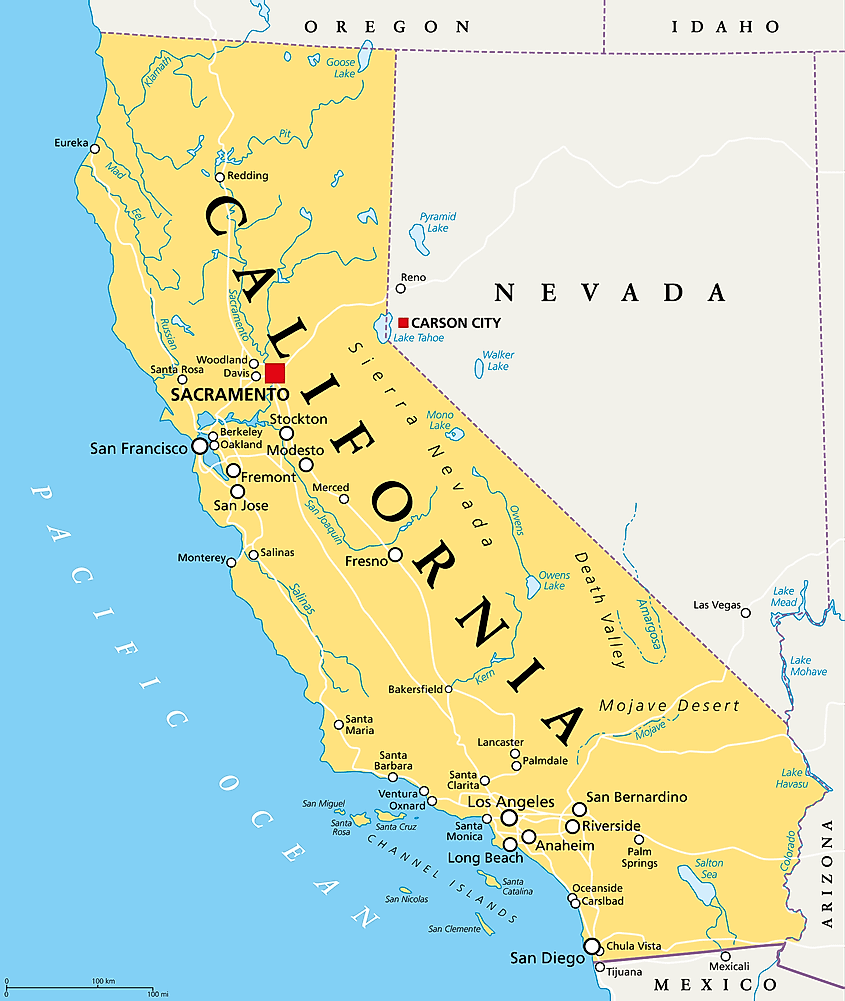
Defining the Golden State’s Edges: A Geographical Overview
California’s extensive borders paint a vivid picture of the state’s remarkable geographical variety. Each frontier tells a story of geological forces, natural wonders, and the historical movements of people, all contributing to the rich tourism landscape we see today. From the vast expanse of the Pacific Ocean to the rugged peaks of the Sierra Nevada and the arid beauty of the Mojave Desert, California’s boundaries are as dynamic and varied as the state itself.
The Pacific Frontier: California’s Western Embrace
To the west, California’s border is an unbroken stretch of the Pacific Ocean, extending approximately 840 miles from the border with Mexico in the south to Oregon in the north. This extensive coastline is perhaps the state’s most defining natural border, offering a spectacular array of landscapes from dramatic cliffs and secluded coves to expansive sandy beaches and bustling harbors. The Pacific Ocean not only influences California’s climate, creating its famed Mediterranean weather patterns, but it also forms the backbone of its coastal culture and economy. Iconic cities like San Diego, Los Angeles, Santa Cruz, and San Francisco thrive along this border, each offering unique attractions, diverse culinary scenes, and a myriad of accommodation options ranging from luxury resorts overlooking the surf to charming boutique hotels in historic towns.
The coastal areas are also home to significant natural landmarks. The Channel Islands National Park, often referred to as North America’s Galapagos, is an archipelago off the coast of Southern California, accessible via boat trips from coastal cities. Further north, the rugged and breathtaking beauty of Big Sur, with its winding Highway 1 clinging to cliffs overlooking the ocean, is a testament to the dramatic interface between land and sea. This western border is a constant source of inspiration for travel itineraries focused on scenic drives, water sports, wildlife viewing, and unparalleled relaxation.
Northern Neighbors: Oregon’s Verdant Boundary
California’s northern border stretches for about 300 miles, separating it from the state of Oregon. This boundary is characterized by dense forests, rugged mountains, and a cooler, wetter climate compared to the rest of California. It’s primarily defined by geographic features such as the Cascade Range and the Klamath Mountains. The boundary line meanders through remote wilderness areas, crossing rivers and ridges.
This region is famous for its majestic Redwood National Park and State Parks, where visitors can walk among the tallest trees on Earth, providing an awe-inspiring travel experience. The towns of Arcata and Eureka serve as cultural hubs in this verdant northern expanse, offering access to stunning natural beauty and unique local culture. The borderlands here are a haven for outdoor enthusiasts, offering opportunities for hiking, fishing, and exploring ancient forests, often with secluded accommodation options that allow for deep immersion in nature.
Eastern Expanse: Nevada and Arizona’s Desert Lines
To the east, California shares extensive borders with two states: Nevada and Arizona. This eastern frontier is an incredible landscape of contrasts, encompassing towering mountain ranges, vast deserts, and crucial waterways.
The border with Nevada extends for approximately 450 miles, running predominantly through the Sierra Nevada mountain range in the north and the Mojave Desert further south. A significant and iconic feature of this border is Lake Tahoe, a pristine alpine lake straddling both states, renowned for its crystal-clear waters and surrounding ski resorts and natural beauty. Cities like South Lake Tahoe on the California side and Stateline in Nevada offer a blend of outdoor adventure and vibrant nightlife, with numerous hotels and luxury resorts catering to diverse preferences. Further south, the Nevada border stretches into the harsh yet beautiful Mojave Desert, home to Death Valley National Park, one of the hottest places on Earth, and the gateway to the vibrant city of Las Vegas.
The border with Arizona is largely defined by the mighty Colorado River, which forms a natural boundary for approximately 230 miles. This river is a vital water source for much of the American Southwest and provides a stark contrast to the surrounding arid landscapes. Along this border, towns like Needles and Blythe in California and Yuma in Arizona become popular stops for travelers, offering opportunities for river recreation, desert exploration, and a taste of frontier life. The regions adjacent to these eastern borders are rich in geological wonders, from vast desert vistas in Joshua Tree National Park to the high desert plateaus, attracting adventurers seeking unique travel experiences.
Southern Gateway: The Mexico Border
California’s southern border is shared with Mexico’s Baja California Norte, extending for about 140 miles from the Pacific Ocean eastward to the Colorado River. This international border is one of the busiest in the world, marked by a complex interplay of cultures, economies, and landscapes. The bustling border crossing at San Ysidro, connecting San Diego with Tijuana, is a testament to the dynamic relationship between the two nations.
This border area is a vibrant melting pot, influencing California’s food, art, and music scenes, particularly in San Diego and the Imperial Valley. Travelers to this region can explore the unique blend of American and Mexican cultures, from authentic cuisine to colorful festivals. The desert landscapes near the border, such as those found in Anza-Borrego Desert State Park, offer stunning natural beauty and outdoor activities, contrasting sharply with the urban sprawl of the border cities. The border with Mexico is a fascinating area for tourism, inviting exploration of cross-cultural experiences and historical narratives.
Journeying Along the Borders: Unforgettable Travel Experiences
Exploring California’s borders offers a myriad of travel opportunities, each distinct and memorable. From luxury escapes to budget-friendly adventures, the state’s edges are lined with attractions, activities, and accommodations catering to every type of traveler.
Coastal Wonders and Pacific Pathways
The Pacific Ocean border is synonymous with the iconic California road trip. Driving Highway 1 from San Diego to the Oregon border is an experience in itself, with breathtaking vistas, charming seaside towns like Carmel-by-the-Sea and Monterey, and world-class surfing spots. Destinations like Malibu and Laguna Beach are famous for their luxury resorts, gourmet dining, and vibrant arts scenes, perfect for those seeking a high-end lifestyle experience. For family trips, the beaches of Santa Monica and Huntington Beach offer piers, boardwalks, and a plethora of activities. Accommodation along the coast ranges from opulent beachfront villas to cozy vacation rentals, ensuring every visitor finds their ideal stay. Whale watching tours are popular in season, especially from vantage points like Point Reyes National Seashore or from boats departing from various harbors.

Sierra Nevada Adventures and Desert Explorations
The eastern borderlands provide a dramatic shift in scenery and activities. The Sierra Nevada region, flanking Nevada, is a paradise for outdoor enthusiasts. In winter, world-class ski resorts around Lake Tahoe offer slopes for all skill levels, complemented by luxurious lodge accommodations and vibrant apres-ski scenes. During warmer months, the Sierra becomes a hiking and climbing mecca, with access points to Yosemite National Park, Kings Canyon National Park, and Sequoia National Park, all of which contain some of California’s most iconic landmarks and offer rustic cabins, campgrounds, and resort stays.
Further south, the Mojave Desert and Arizona border invite a different kind of adventure. Death Valley National Park is a landscape of extremes, with salt flats, sand dunes, and colorful canyons that mesmerize photographers and explorers. Joshua Tree National Park, straddling the Mojave and Colorado Deserts, is famous for its unique trees and incredible rock climbing. Accommodation here often involves glamping or secluded rentals, offering a peaceful escape under starry skies. For those traveling with a budget in mind, numerous motels and campgrounds provide affordable alternatives, allowing access to these stunning natural attractions. The Colorado River section of the Arizona border is perfect for water sports, including boating, fishing, and kayaking, with riverfront resorts and RV parks providing convenient lodging.
Cross-Border Culture and International Flavors
The Mexico border region offers rich cultural immersion. San Diego serves as a vibrant gateway, boasting a thriving culinary scene heavily influenced by Mexican flavors, historic neighborhoods like Old Town San Diego, and world-class attractions. Many travelers choose to explore Tijuana for a day trip, experiencing its bustling markets, art scene, and authentic cuisine. This cross-border tourism is a significant part of the lifestyle in Southern California, offering a unique blend of experiences unavailable elsewhere in the state. From luxury hotels in San Diego’s Gaslamp Quarter to more budget-friendly options further inland, the accommodation landscape is diverse.
Accommodation and Lifestyle: Where the Borders Meet Comfort
The unique characteristics of California’s borders directly influence the types of accommodation available and the lifestyle choices they support. Whether you’re planning a luxurious getaway, a rugged adventure, a family vacation, or a business trip, the border regions offer tailored options.
Diverse Stays for Every Traveler
Along the Pacific coast, luxury hotels and resorts are plentiful, particularly in cities like San Diego, Los Angeles, and Santa Barbara, offering amenities like spas, oceanfront dining, and private beach access. Boutique hotels in towns like Carmel-by-the-Sea or Mendocino provide a more intimate, locally infused experience. Vacation rentals, from cozy beach bungalows to expansive villas, are also popular, especially for long-term stays or family trips.
In the Sierra Nevada and desert areas, accommodation shifts towards mountain lodges, ski resorts, and wilderness cabins. Around Lake Tahoe, options range from large casino resorts to charming vacation apartments. For budget travelers and adventurers, campgrounds within national parks and state parks are abundant, alongside motels in smaller towns that provide essential comfort after a day of exploration. The Redwood Coast on the Oregon border offers a selection of cozy inns and secluded forest retreats, perfect for those seeking tranquility.
Booking platforms and review sites are invaluable for comparing options, whether you’re looking for a five-star hotel near the Mexico border or a rustic cabin near the Nevada border.
Lifestyle Choices: From Luxury Resorts to Budget-Friendly Escapes
The lifestyle embraced by travelers along California’s borders is as varied as the landscapes themselves. Luxury travel is a prominent feature of the coastal regions and high-end destinations like Napa Valley (though not strictly a border area, it influences travel patterns to and from Northern borders), where gourmet food, wine tasting, and spa treatments define the experience. These areas cater to travelers seeking exclusive experiences, often staying in top-tier resorts.
For those on a budget, California’s borderlands still offer incredible value. Camping in the national parks, staying in motels in smaller towns, or opting for vacation rentals outside prime tourist hubs can significantly reduce costs. This budget-friendly approach allows travelers to explore the same stunning natural landmarks, from the majestic redwoods near the Oregon border to the stark beauty of Death Valley near Nevada, without breaking the bank.
Family trips often gravitate towards the coastal beaches, theme parks near Los Angeles, or the family-friendly resorts around Lake Tahoe. Business stays are more common in metropolitan areas like San Diego and Los Angeles, but the unique settings of border towns can also provide inspiring backdrops for corporate retreats. The diversity of travel styles along these borders ensures that everyone, from solo adventurers to large groups, can find an experience tailored to their preferences and budget.
Iconic Landmarks and Borderland Gems
The borders of California are not just lines on a map; they are regions replete with iconic landmarks and natural wonders that draw visitors from across the globe. These sites are integral to the state’s identity and offer profound travel experiences.
Natural Wonders Shaped by Boundaries
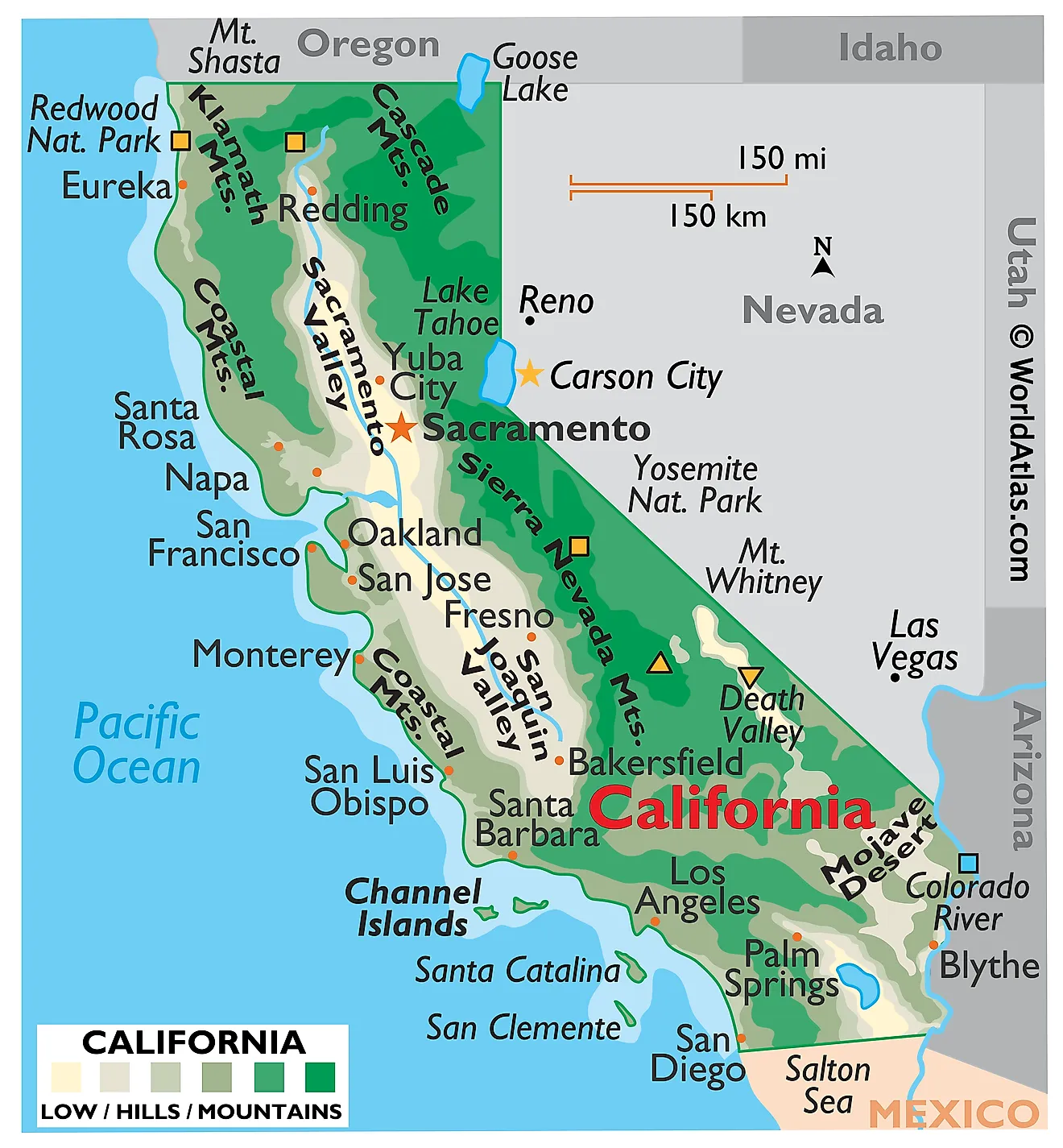
- [Lake Tahoe](https://lifeoutofthebox.com/lake- tahoe): Arguably the most famous natural landmark on California’s border, this immense alpine lake straddles California and Nevada. Its clear blue waters, surrounded by the Sierra Nevada mountains, make it a year-round destination for skiing, hiking, and water sports.
- Redwood National Park: Near the Oregon border, this park protects ancient groves of coastal redwoods, the tallest trees on Earth. Walking through these majestic forests is a truly humbling experience, connecting visitors to an ancient ecosystem.
- Death Valley National Park: Spanning parts of California and touching the Nevada border, Death Valley is a land of extremes. It boasts the lowest elevation in North America, vast salt flats like Badwater Basin, and stunning geological formations.
- Colorado River: Forming the natural boundary with Arizona, the Colorado River is a lifeline in the desert, offering opportunities for boating, fishing, and exploring riverine ecosystems.
- Mojave Desert: This vast arid region extends into Nevada and Arizona, characterized by unique flora like Joshua Trees, diverse wildlife, and dramatic rock formations. It’s a prime location for stargazing and off-road adventures.
- Mount Shasta: Although not directly on the border, this impressive stratovolcano in Northern California is a prominent landmark near the Oregon frontier, revered for its spiritual significance and outdoor recreation opportunities.
- Mount Whitney: The highest peak in the contiguous United States, Mount Whitney stands majestically in the Sierra Nevada, close to the Nevada border, drawing experienced hikers and mountaineers.
Historic Sites and Cultural Crossroads
- San Diego: As the largest city on the Mexico border, San Diego is rich in history and culture. From its Spanish colonial heritage evident in Old Town San Diego to its modern military presence and vibrant arts scene, the city is a testament to California’s diverse roots.
- Salton Sea: Located in the Imperial Valley near the Mexico and Arizona borders, the Salton Sea is a fascinating, if complex, ecological and historical site, offering stark beauty and unique birdwatching opportunities.
- Carrizo Plain National Monument: While not directly on a state border, this monument in the southern California interior is a stunning example of the state’s natural heritage, featuring the largest remaining native grassland in California and the visible San Andreas Fault, a geological marvel.
In essence, the borders of California are not merely lines that delineate its territory; they are vibrant regions teeming with natural beauty, cultural richness, and endless possibilities for travel and adventure. From the surf-kissed shores of the Pacific to the solemn grandeur of the desert and the towering majesty of the Sierra Nevada, each border offers a unique window into the Golden State’s soul. Understanding these boundaries unlocks a deeper appreciation for California’s diversity and helps travelers craft unforgettable journeys, whether they seek luxury, adventure, cultural immersion, or simply a peaceful escape. The myriad of accommodation options, from opulent resorts to rustic cabins, ensures that every explorer finds their perfect base from which to discover the wonders that lie where California meets the world.
LifeOutOfTheBox is a participant in the Amazon Services LLC Associates Program, an affiliate advertising program designed to provide a means for sites to earn advertising fees by advertising and linking to Amazon.com. Amazon, the Amazon logo, AmazonSupply, and the AmazonSupply logo are trademarks of Amazon.com, Inc. or its affiliates. As an Amazon Associate we earn affiliate commissions from qualifying purchases.