
Deciding on the best time to visit Hawaii is a delightful dilemma, as this tropical paradise in the United States offers something spectacular year-round. However, understanding the nuances of its seasons, crowd patterns, and activity calendars can significantly enhance your experience, whether you’re seeking sun-drenched beaches, exhilarating water sports, cultural immersion, or simply serene relaxation. The ideal time often hinges on your priorities: are you a budget-conscious traveler, a surf enthusiast, a whale watcher, or someone simply chasing perfect weather? Let’s delve into the factors that shape the Hawaiian calendar and help you pinpoint your perfect vacation window.
Understanding Hawaii’s Seasons: Weather and Climate
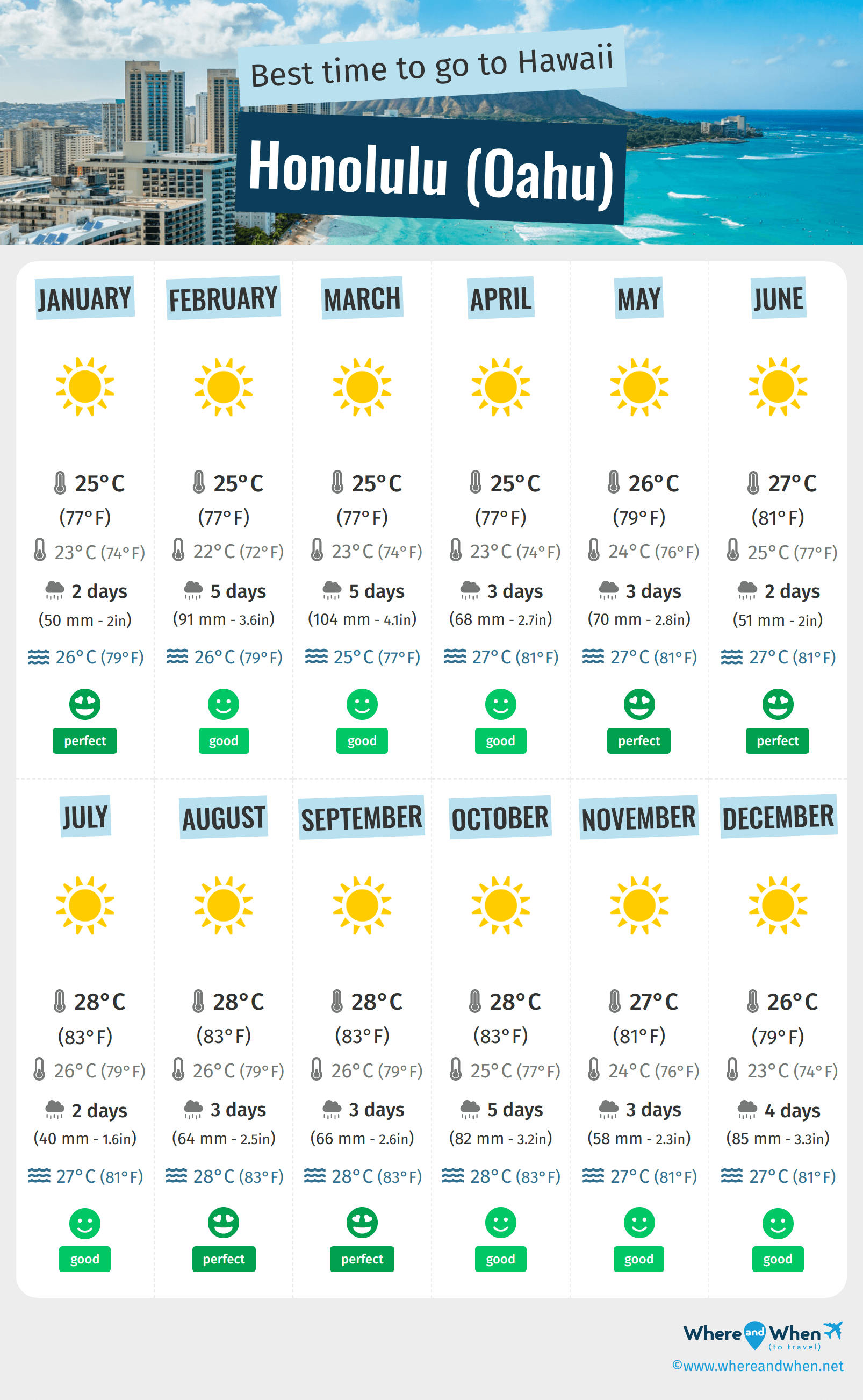
Hawaii’s climate is remarkably consistent, with warm temperatures and gentle breezes prevailing throughout the year. However, it does experience two primary seasons: a drier, warmer “summer” and a slightly wetter, cooler “winter.” It’s important to note that even during the wetter season, continuous rain is rare, often manifesting as brief, localized showers, particularly in the mornings or evenings.
The Dry Season (Summer: June – October)
From June through October, Hawaii basks in its dry season. This period is characterized by higher temperatures, typically ranging from the mid-70s to high 80s Fahrenheit (24-31°C), with less rainfall and lower humidity. The ocean temperatures are also at their warmest, creating ideal conditions for swimming, snorkeling, and diving. The surf on the south shores of islands like Oahu and Maui tends to be gentler, making it perfect for beginners and families.
This season is popular for good reason: consistently sunny days, calm waters, and a vibrant atmosphere across all the islands, from the bustling streets of Honolulu to the tranquil shores of Kauai. It’s an excellent time for exploring outdoor attractions such as Diamond Head on Oahu or hiking along the Na Pali Coast on Kauai. Many resorts, from the luxurious [Four Seasons Resort Maui at Wailea](https://lifeoutofthebox.com/four- Seasons-resort-maui-at-wailea) to the family-friendly Grand Hyatt Kauai Resort & Spa, are in full swing, offering a plethora of amenities and activities.
The Wet Season (Winter: November – May)
The wet season, spanning from November to May, brings slightly cooler temperatures, typically ranging from the low 70s to low 80s Fahrenheit (21-27°C), and an increase in rainfall. While it’s dubbed the “wet” season, it’s crucial to understand that rain rarely lasts all day. Often, showers are brief and localized, allowing for plenty of sunshine. The leeward (west and south) sides of the islands generally remain drier than the windward (east and north) sides. For example, Waikiki Beach on Oahu or Kaanapali Beach on Maui can still be gloriously sunny even when the other side of the island is experiencing rain.
Winter is synonymous with big wave surfing on the north shores, especially on Oahu’s legendary surf spots. It’s also the peak whale watching season, as humpback whales migrate to Hawaii’s warm waters. While there might be a higher chance of rain, this period often offers lush landscapes, vibrant rainbows, and a different kind of charm. Plus, for those seeking a tranquil escape, areas like Poipu Beach on Kauai often provide a calmer, sunnier retreat.
Trade Winds and Microclimates
A defining feature of Hawaii’s weather is its persistent trade winds, which generally blow from the northeast. These winds bring refreshing breezes and help to keep temperatures comfortable year-round. They also play a significant role in creating the islands’ diverse microclimates. Each island, and even different sides of the same island, can experience vastly different weather patterns within a short distance.
For example, the lush, verdant landscapes of the windward coast of Kauai (like the Hanalei area) are a direct result of the trade winds bringing moisture, whereas the leeward side (Poipu, Waimea Canyon) remains much drier and sunnier. Similarly, Maui’s famous Hana Highway on the east side is known for its rainforest beauty, while the west coast, home to Lahaina, is considerably arid. Understanding these microclimates can help you choose the best island or even the best area on an island for your desired experience, especially if you’re planning activities like exploring Volcanoes National Park on the Big Island or witnessing sunrise from Haleakala National Park on Maui.
Navigating Crowds and Costs: Peak vs. Off-Peak
Beyond weather, the ebb and flow of tourist traffic significantly impact both the ambiance of your trip and your wallet. Hawaii experiences distinct peak and off-peak seasons, primarily driven by school holidays and major events.
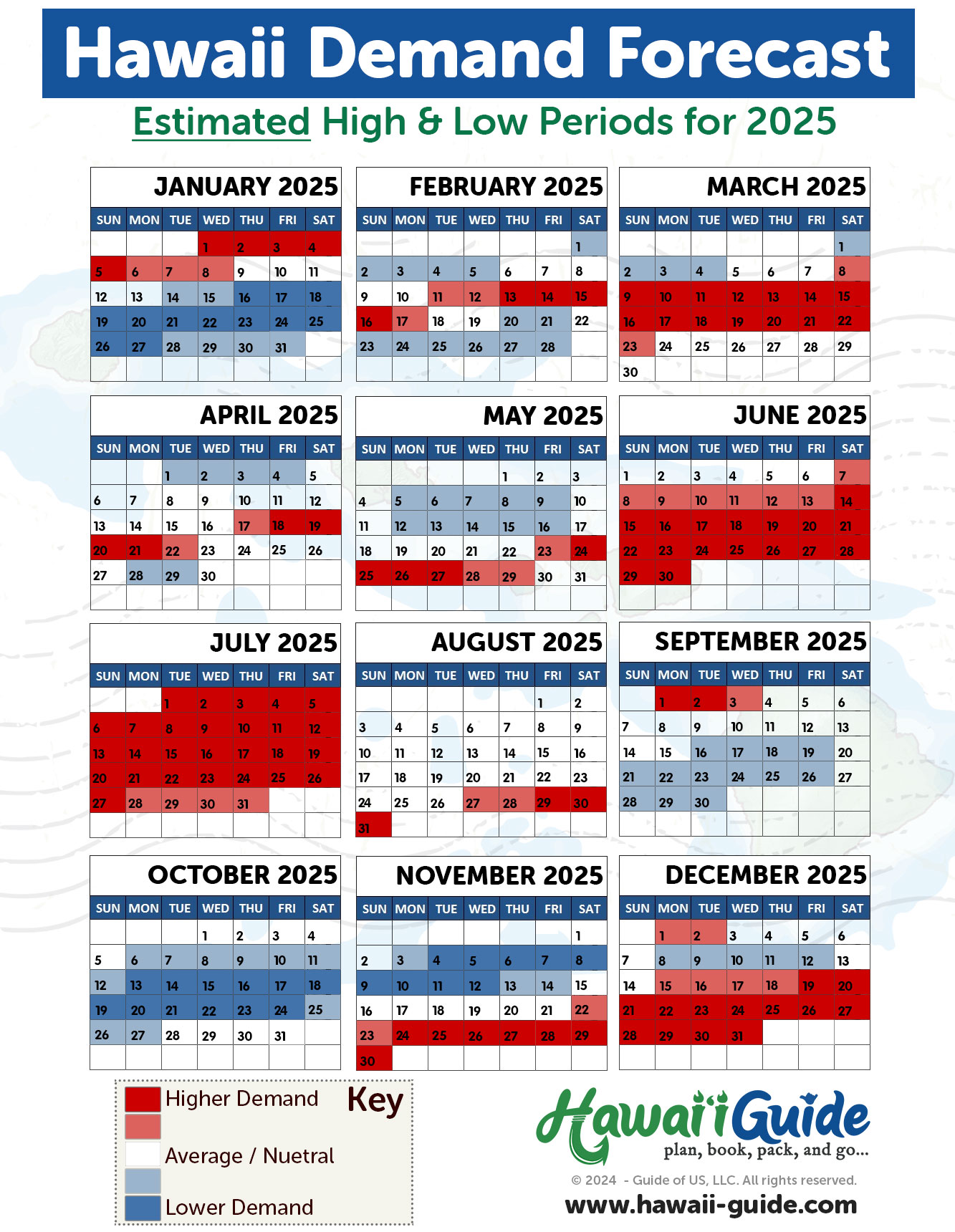
Peak Travel Periods (Holidays, Summer Vacation)
The busiest times to visit Hawaii generally coincide with major holidays and school breaks. These include:
- Late December to Early January (Christmas and New Year’s): This is the absolute peak, with exorbitant prices for flights and accommodation. Resorts like The Kahala Hotel & Resort on Oahu or the Ritz-Carlton, Kapalua on Maui can see their rates skyrocket, and popular attractions like Pearl Harbor can be exceptionally crowded.
- Mid-February (President’s Day/Valentine’s Day): A popular time for couples and those seeking a winter escape.
- March to April (Spring Break): College students and families flock to the islands, especially Oahu and Maui.
- June to August (Summer Vacation): Families dominate this period, enjoying the dry weather and calmer waters. Prices are high, but not usually as extreme as the winter holidays.
During these peak times, you can expect higher prices across the board – flights, hotels, rental cars, and even some activities. Restaurants may require reservations well in advance, and popular beaches will be bustling. While the atmosphere is lively, those seeking solitude might find it challenging. Booking your accommodation and flights many months in advance is crucial if you plan to travel during these periods.
Shoulder Seasons: The Sweet Spot
For many, the “shoulder seasons” offer the best balance of good weather, manageable crowds, and reasonable prices. These periods fall just outside the main peak times:
- April to May: After spring break crowds disperse but before summer vacation begins. The weather is generally excellent, transitioning from the wetter winter to the drier summer.
- September to Early December (excluding Thanksgiving week): Following the summer rush and before the Christmas surge. This is often considered the ideal window. The ocean is still warm, the weather is fantastic, and the crowds are noticeably thinner. This period is particularly attractive for couples or those traveling without school-aged children.
During the shoulder seasons, you’ll find better deals on resorts, from luxurious suites to comfortable apartments, and fewer people vying for spots on popular tours or at attractions. This allows for a more relaxed and authentic tourism experience, letting you truly immerse yourself in the local culture.
Budgeting for Your Hawaiian Escape

The cost of a Hawaii vacation is heavily influenced by your travel dates. If budget travel is a priority, aiming for the shoulder seasons or even parts of the wet season (early December before Christmas, or mid-January to early February) can yield significant savings. Flight prices tend to be lowest during these times, and you can find more competitive rates for hotels and rental cars.
Flexibility is your best friend when trying to save money. If you can travel mid-week instead of on weekends, or avoid major holiday weeks, you’ll likely secure better deals. Consider comparing different types of accommodation, from full-service resorts to private villas or even vacation rentals, using online booking platforms and checking reviews. Eating like a local, utilizing grocery stores, and taking advantage of free activities like hiking or beach relaxation can also significantly reduce overall expenses, allowing for a more sustainable and enjoyable trip.
Activities and Events: Seasonal Delights
Hawaii offers a diverse range of activities and experiences, many of which are enhanced by or even exclusive to certain times of the year.
Best Time for Water Sports
- Surfing: The big wave season runs from November to May, primarily on the north shores of Oahu (like the iconic North Shore) and Maui. If you’re an experienced surfer looking for challenging swells, this is your time. For beginners, the summer months (June to October) offer gentler waves on the south shores, ideal for learning in places like Waikiki Beach.
- Snorkeling and Scuba Diving: While possible year-round, the calmest and clearest waters typically occur during the dry season (June to October), making visibility excellent for exploring vibrant coral reefs and marine life. Locations like Molokini Crater off Maui are particularly spectacular then.
- Kayaking and Paddleboarding: These activities are best enjoyed when waters are calm, making the summer months on the south and leeward coasts perfect. The Na Pali Coast of Kauai, for example, is usually only accessible by kayak tours during the summer.
Whale Watching Season
One of Hawaii’s’s most magical natural phenomena is the annual migration of Pacific humpback whales. These majestic creatures travel thousands of miles from Alaskan waters to the warm, protected waters of Hawaii to mate and give birth.
- Peak Season: Mid-December to May. The prime viewing months are typically January, February, and March, when thousands of whales can be spotted breaching, tail-slapping, and spouting.
- Best Islands for Whale Watching: Maui is often considered the best, especially the waters between Maui, Lanai, and Molokai, which form a national marine sanctuary. However, tours are available from all major islands, including Oahu and the Big Island around Kailua-Kona. If seeing these gentle giants is a top priority, scheduling your trip during these months is essential.
Festivals and Cultural Events
Hawaii’s rich local culture is celebrated through numerous festivals throughout the year, offering unique insights into its heritage and traditions.
- Spring: The Merrie Monarch Festival in April on the Big Island is a world-renowned hula competition and cultural event, attracting visitors globally.
- Fall: Aloha Festivals, held annually in September, is the largest Hawaiian cultural celebration in the United States, featuring parades, music, and dance across several islands. The Kona Coffee Cultural Festival in November on the Big Island celebrates the famous Kona coffee with tastings, farm tours, and craft fairs.
- Year-Round: Many resorts and cultural centers, like the Polynesian Cultural Center on Oahu, offer daily or weekly performances and workshops that immerse visitors in Hawaiian and Polynesian traditions, providing a consistent dose of local culture regardless of the season.
Hiking and Exploring Nature
Hawaii’s incredible natural beauty, from volcanic landmarks to lush rainforests, is a major draw.
- Hiking: While trails are generally accessible year-round, the dry season (June to October) often provides more comfortable conditions for longer treks, with less mud and clearer skies for panoramic views from spots like Mauna Kea or the trails within Haleakala National Park.
- Waterfalls: The wet season (November to May) brings more rain, which means waterfalls are at their most spectacular, cascading powerfully down verdant cliffs. This is an excellent time to explore areas like the road to Hana on Maui, where countless waterfalls come to life.
Choosing Your Ideal Time: A Summary
Ultimately, the “best” time to visit Hawaii is subjective and depends entirely on your travel style and priorities.
For Perfect Weather and Outdoor Adventures: June to October
If your priority is consistently sunny weather, warm ocean temperatures, calm waters for snorkeling and swimming, and minimal rain, the dry season from June to October is ideal. This is also perfect for family trips and those who love classic beach vacations. Be prepared for higher prices and larger crowds, especially during July and August. Popular spots like Waikiki Beach and Ala Moana Center on Oahu will be buzzing.
For Fewer Crowds and Better Value: April-May or September-Early December
For those seeking a balance of good weather, fewer tourists, and more attractive prices, the shoulder seasons are your best bet. Late April to May offers a delightful transition, while September to early December (excluding Thanksgiving week) is arguably the sweet spot. You’ll still enjoy plenty of sunshine, can find great deals on luxurious resorts like the Royal Hawaiian Resort, and experience a more serene side of the islands, perfect for lifestyle travel or a romantic getaway.
For Specific Interests (Whales, Big Waves, Lush Landscapes): Mid-December to March
If your dream Hawaiian vacation includes witnessing the awe-inspiring humpback whales, watching professional surfers tackle monumental waves, or seeing the islands’ waterfalls at their most vibrant, then the wetter, cooler months from mid-December to March are for you. While there’s a higher chance of rain, it often comes in short bursts, and the rewards of these unique seasonal attractions are immense. Just be mindful of the holiday peak crowds and costs if traveling in late December or early January.
No matter when you choose to go, Hawaii promises an unforgettable experience. With proper planning and an understanding of what each season offers, you can tailor your trip to perfectly match your vision of paradise. Enjoy your Hawaiian adventure!
LifeOutOfTheBox is a participant in the Amazon Services LLC Associates Program, an affiliate advertising program designed to provide a means for sites to earn advertising fees by advertising and linking to Amazon.com. Amazon, the Amazon logo, AmazonSupply, and the AmazonSupply logo are trademarks of Amazon.com, Inc. or its affiliates. As an Amazon Associate we earn affiliate commissions from qualifying purchases.