
Embarking on a culinary journey can be as enriching as exploring a new continent, and sometimes, the most profound flavors are found in time-honored traditions close to home, or those we discover and bring back from our travels. One such culinary cornerstone, particularly beloved in the American South, is the Boston Butt. Far from being a mere cut of pork, preparing a Boston Butt is an experience, a slow dance of patience and anticipation that culminates in a feast of tender, flavorful meat perfect for sharing. While many associate this delectable dish with outdoor smokers and elaborate barbecue setups, mastering the art of cooking a Boston Butt in your oven is not only entirely possible but also offers a consistent, foolproof method to achieve mouth-watering results right in your own kitchen – whether it’s your home, a spacious villa on a long-term stay, or a well-equipped apartment hotel during your tourism adventures.
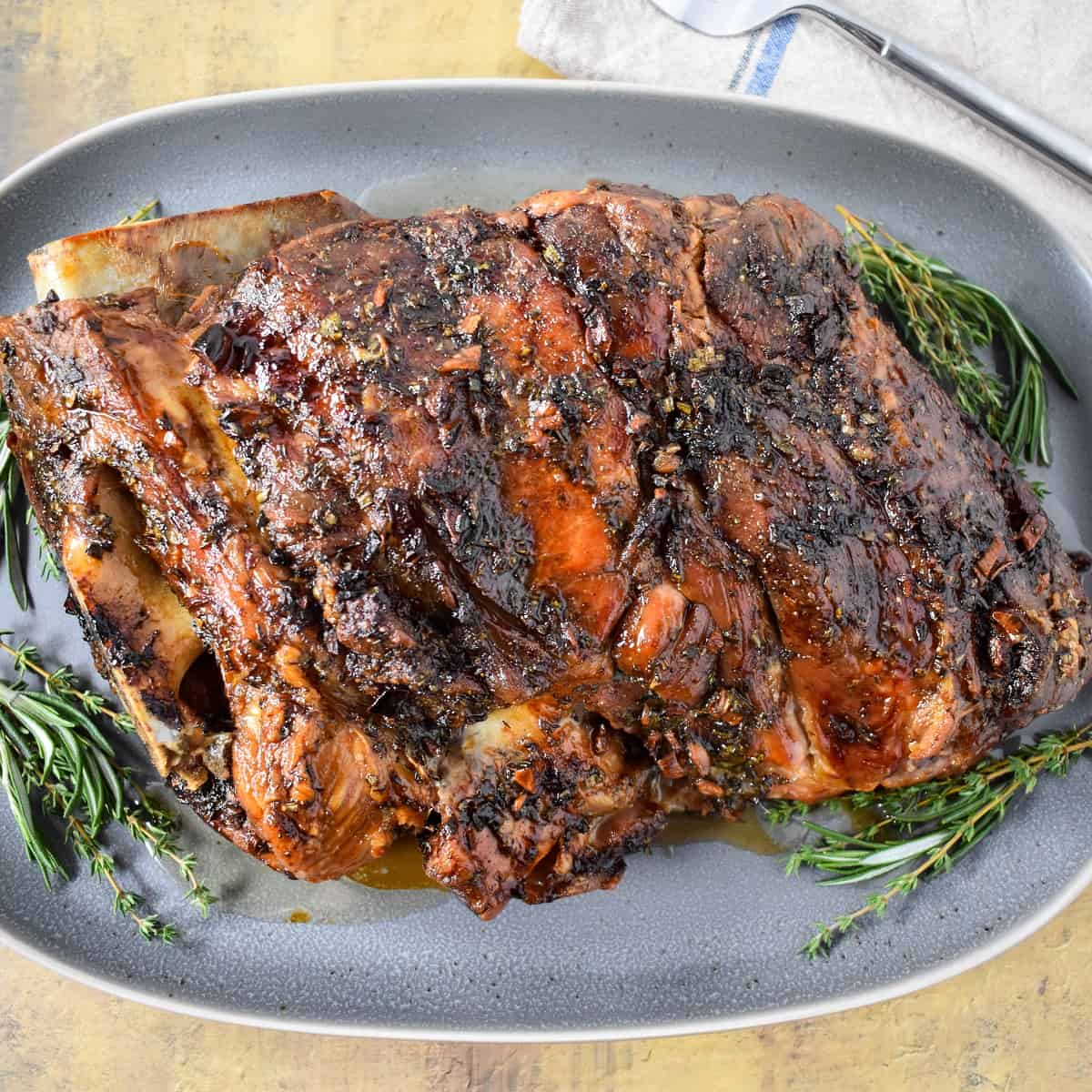
This guide isn’t just about a recipe; it’s about integrating a rich culinary experience into your lifestyle, celebrating the origins of a dish that’s become a landmark in regional cuisine, and understanding how food connects us to destinations and culture. Imagine replicating the smoky, savory delights you savored at a roadside stand in Texas or a renowned BBQ joint in Kansas City, right in your own space. This process, often seen as complex, can be simplified into an accessible, rewarding activity, perfect for anyone looking to expand their culinary repertoire and bring a piece of their travel memories home.
The Culinary Journey of Boston Butt: A Taste of American Heritage
Every great dish tells a story, and the Boston Butt is no exception. Its unique name and enduring popularity are deeply interwoven with the fabric of American barbecue and culinary heritage. Understanding its background adds another layer of appreciation to the cooking process, transforming a simple meal preparation into a cultural exploration.
Unpacking the “Boston Butt”: Origin and Cultural Significance
The term “Boston Butt” itself is a fascinating historical footnote. Despite its name, which might conjure images of refined Boston eateries, this cut is, in fact, the upper part of the pork shoulder, often including the blade bone. The “butt” designation historically referred to the barrels or “butts” in which pork was packed and shipped from New England in the colonial era. These barrels were particularly favored for shipping the less desirable, yet incredibly flavorful, shoulder cuts, which eventually became known as “Boston butts.”
Fast forward to the modern era, and the Boston Butt has become the undisputed king of pulled pork, especially in the barbecue capitals of the Southern United States. From the vinegar-based sauces of North Carolina to the sweet, thick glazes of Memphis, and the smoky dry rubs of Texas, the Boston Butt serves as the canvas for a diverse palette of regional flavors. Its high fat content and marbling make it incredibly forgiving and suitable for long, slow cooking methods, yielding meat that is exceptionally tender and moist.
For travelers seeking authentic culinary experiences, encountering a perfectly cooked Boston Butt is often a highlight of visiting these regions. It’s more than just food; it’s a social event, a symbol of hospitality, and a testament to centuries-old cooking traditions. Many BBQ festivals across the country, like the famed Memphis in May World Championship Barbecue Cooking Contest or the various events around Austin, become significant tourist attractions, drawing enthusiasts eager to sample the best and learn from pitmasters. These experiences highlight the profound connection between food, culture, and destination, making the Boston Butt a culinary landmark in its own right.
From Local Eateries to Your Kitchen: Recreating Travel Flavors
One of the greatest joys of travel is discovering new flavors and dishes. Whether it’s the delicate pastries of Paris, the vibrant street food of Bangkok, or the smoky perfection of Southern BBQ, these culinary encounters often become cherished memories. Recreating these dishes at home is a fantastic way to extend the holiday feeling, relive those moments, or even prepare for an upcoming adventure. Cooking a Boston Butt in your oven is a prime example of bringing the authentic taste of a destination—in this case, the heart of American barbecue country—into your own space.
This practice is part of a broader lifestyle trend where people actively seek to enhance their daily lives with rich, travel-inspired experiences. It’s about more than just sustenance; it’s about crafting an atmosphere, sharing a story, and indulging in gourmet pleasures without leaving your doorstep. Imagine hosting a themed dinner party, inspired by your road trip through the Great Smoky Mountains, featuring your homemade pulled pork. For those on extended stays, perhaps in a serviced apartment or a resort with a fully equipped kitchen, the ability to experiment with local ingredients or re-create beloved regional dishes like the Boston Butt becomes a significant advantage, transforming routine accommodation into a personalized culinary hub. This approach to cooking bridges the gap between the exotic and the familiar, making the world’s diverse flavors accessible to everyone.
Mastering the Art: A Step-by-Step Guide to Oven-Baked Boston Butt
Now that we appreciate the cultural significance and versatility of the Boston Butt, let’s dive into the practicalities of preparing this masterpiece in your oven. The key to succulent, fall-apart pork lies in “low and slow” cooking, a method perfectly suited for oven preparation, offering consistent heat and less fuss than outdoor smoking.
The Perfect Rub: A Global Spice Expedition
The foundation of any great Boston Butt is the rub – a blend of spices that penetrates the meat, creating a flavorful crust (or bark) and enhancing the pork’s natural richness. Just as travelers encounter diverse spice markets and culinary traditions around the world, you can customize your rub to reflect various regional BBQ styles or your personal preference.
While some prefer a simple salt and pepper blend, a robust rub offers depth and complexity. Here’s a classic, versatile dry rub recipe that hints at the rich flavors found in BBQ joints from Kansas City to Memphis:
Classic Dry Rub for Boston Butt:
- 1/4 cup brown sugar (for sweetness and caramelization)
- 1/4 cup paprika (sweet or smoked, depending on preference)
- 2 tablespoons garlic powder
- 2 tablespoons onion powder
- 1 tablespoon black pepper
- 1 tablespoon coarse salt (kosher or sea salt works best)
- 1 teaspoon cayenne pepper (optional, for a kick)
- 1 teaspoon dried mustard (optional, for tanginess)
Instructions for the Rub:
- Prepare the Butt: Pat your Boston Butt (typically 6-8 pounds) dry with paper towels. This helps the rub adhere and promotes a better bark.
- Apply the Rub: Generously coat the entire surface of the pork shoulder with the spice mixture. Don’t be shy! Massage it in well, ensuring every crevice is covered. For best results, apply the rub 12-24 hours in advance, then wrap the butt tightly in plastic wrap and refrigerate. This allows the flavors to meld and penetrate the meat deeply, a technique cherished by pitmasters during culinary tours and competitions. If time is short, even an hour will make a difference.
Low and Slow: The Secret to Succulence (and Stress-Free Travel Planning)
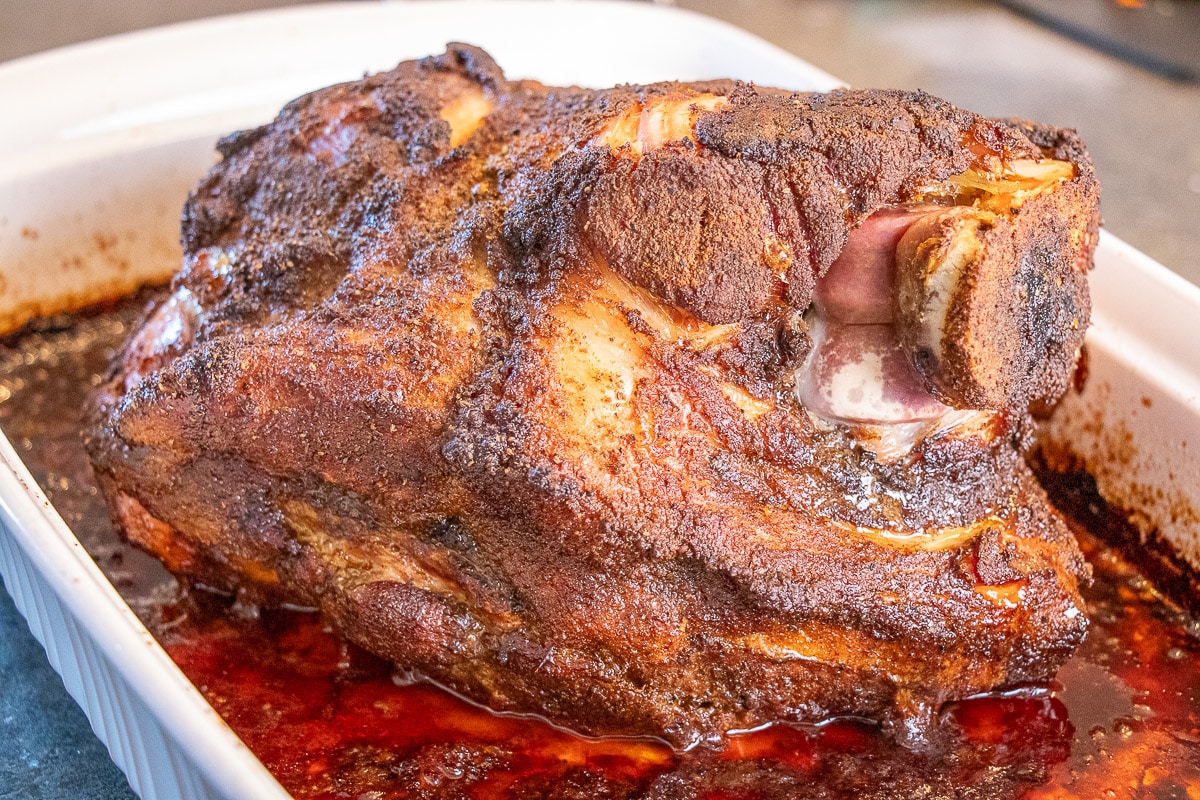
The phrase “low and slow” isn’t just a barbecue mantra; it’s a philosophy that applies to many of life’s greatest pleasures, including unhurried travel and savoring delicious food. In the context of cooking Boston Butt, it refers to a long cooking time at a relatively low temperature, allowing the tough connective tissues in the pork shoulder to break down slowly into gelatin, resulting in incredibly tender, juicy meat. This method also aligns perfectly with a relaxed lifestyle, giving you ample time to enjoy other activities or simply unwind while your oven does the hard work.
Equipment You’ll Need:
- Large roasting pan with a rack
- Heavy-duty aluminum foil
- Instant-read meat thermometer (essential for accuracy)
- Meat claws or two forks for shredding
Step-by-Step Oven Method:
- Preheat Your Oven: Set your oven to a consistent 250°F (120°C). This low temperature is crucial for the “low and slow” process.
- Sear (Optional but Recommended): For an extra layer of flavor and a beautiful crust, consider searing the Boston Butt on all sides in a very hot, oven-safe pan (like a cast iron skillet) for 3-5 minutes per side before placing it in the oven. This creates a rich Maillard reaction on the surface, similar to what you might find on award-winning barbecue you’d experience on a food tour.
- Prepare for Roasting: Place the seared (or unseared) Boston Butt fat-side up on a rack in your roasting pan. Add about 1 cup of liquid (water, apple juice, cider vinegar, or chicken broth) to the bottom of the pan. This helps create a moist environment, preventing the meat from drying out and promoting tender results, a technique often highlighted in specialized cooking classes.
- The Long Cook: Cover the roasting pan tightly with heavy-duty aluminum foil. Ensure it’s sealed well to trap moisture. Place the pan in your preheated oven.
- Monitor Temperature, Not Time: The cooking time for a Boston Butt is highly dependent on its size and thickness. A good rule of thumb is approximately 1.5 to 2 hours per pound, but the most accurate indicator of doneness is internal temperature. For a 6-8 pound Boston Butt, expect it to cook for 8-16 hours.
- The “Stall”: Don’t be alarmed if the internal temperature of your Boston Butt seems to plateau around 150-170°F (65-77°C) for several hours. This phenomenon, known as “the stall,” is due to evaporative cooling on the surface of the meat. Be patient; the temperature will eventually rise.
- Target Temperature for Pulled Pork: Cook until the internal temperature reaches between 195°F (90°C) and 205°F (96°C). At this point, the connective tissues will have broken down sufficiently, allowing the meat to be easily shredded. Use your instant-read thermometer by inserting it into the thickest part of the meat, avoiding the bone.
- The Final Unwrapping (Optional): Some cooks remove the foil for the last hour of cooking to allow the bark to firm up. This is a matter of personal preference and can be skipped if you prefer a softer crust.
The Art of Resting and Pulling: The Grand Finale
Just like a well-planned trip needs a moment of reflection and relaxation before diving into the next adventure, your Boston Butt needs to rest after its long journey in the oven. This crucial step ensures maximum juiciness and tenderness.
- Resting Period: Once your Boston Butt reaches the target internal temperature, remove it from the oven (still in its foil-covered pan, or wrapped in fresh foil if you removed it earlier) and let it rest on your countertop for at least 30 minutes, ideally 1 to 2 hours. During this time, the juices, which were forced to the center of the meat during cooking, redistribute throughout the entire cut, resulting in incredibly moist pork. This resting technique is a hallmark of gourmet cooking and professional kitchens worldwide.
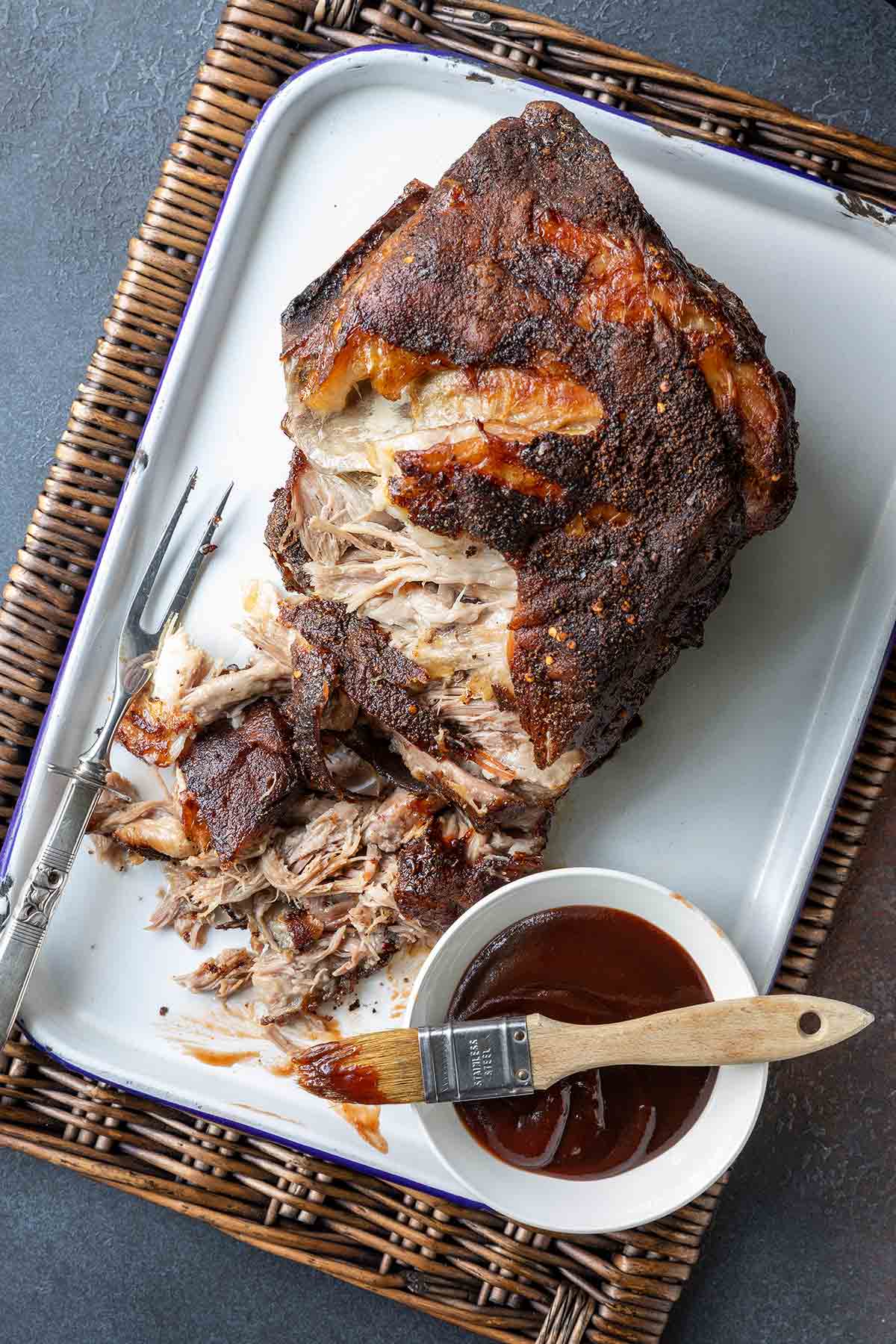
- The Pulling: After resting, carefully unwrap the Boston Butt. It should be so tender that the bone wiggles free effortlessly. Use meat claws or two forks to shred the pork into delicious strands. Discard any large pieces of fat.
- Finishing Touches: Drizzle some of the reserved pan juices over the pulled pork to keep it moist and add extra flavor. At this point, you can toss it with your favorite barbecue sauce, whether it’s a tangy vinegar-based sauce or a rich, sweet variety.
Serve your succulent pulled pork on soft buns with coleslaw, as a filling for tacos, or simply on its own. This humble cut of pork, transformed by patience and heat, truly embodies the essence of comfort food and a satisfying culinary achievement.
Beyond the Recipe: Integrating Culinary Skills into Your Travel Lifestyle
Cooking a Boston Butt in the oven is more than just following a recipe; it’s an immersive experience that connects you to cultural traditions, enhances your home lifestyle, and can even inspire future travel adventures. The skills and appreciation gained from such an endeavor extend far beyond the kitchen.
Culinary Classes and Workshops: Immersive Travel Experiences
The growing interest in authentic local food has led to a surge in culinary tourism. Travelers are no longer content with just eating local dishes; they want to learn how to prepare them. Engaging in cooking classes and workshops while traveling offers a deep dive into the local culture, providing hands-on experience and unforgettable memories. Imagine taking a BBQ masterclass in Austin, learning directly from a pitmaster who shares family secrets, or participating in a smoked meat workshop in the heart of the Carolinas. These specialized activities not only teach you new skills, like perfecting the art of pulled pork, but also connect you with the local community and its culinary heritage. Such classes are often a highlight of itineraries focused on local culture and food, providing a rich, interactive alternative to traditional sightseeing. Many boutique hotels and specialized resorts are now offering these curated experiences as part of their amenities, catering to guests seeking more than just accommodation.
Equipping Your Culinary Travel Base: From Boutique Hotels to Villas
For the enthusiastic home chef who also loves to travel, the availability of proper kitchen facilities can significantly enhance the travel experience. Gone are the days when hotels only offered minibar fridges. Today, many accommodations, from extended-stay suites at the Grand Hyatt Hotel in Dallas to luxurious private villas in Napa Valley or charming apartments in Florence, come equipped with full kitchens or kitchenettes. This allows travelers to experiment with fresh local ingredients sourced from farmer’s markets, recreate dishes they’ve sampled, or prepare elaborate meals like an oven-baked Boston Butt.
This flexibility is a hallmark of modern lifestyle choices and luxury travel. It enables families to maintain healthy eating habits on the road, provides budget-conscious travelers with a cost-effective dining option, and offers a private, comfortable space for business stays where one might prefer home-cooked meals after a long day of meetings. Having a well-appointed kitchen transforms your temporary living space into a true home away from home, fostering a sense of rootedness even when you’re thousands of miles away. Imagine slow-cooking a Boston Butt in your beachfront villa kitchen, the aroma filling the air as you watch the sunset over the Pacific Ocean. This kind of personalized experience is what elevates a good trip into an unforgettable one.
Boston Butt as a Social Catalyst: Global Gatherings and Shared Meals
Food has always been a powerful connector, bringing people together across cultures and generations. Preparing a substantial, impressive dish like an oven-baked Boston Butt naturally lends itself to social gatherings. It’s the kind of meal that encourages shared experiences, fosters conversation, and creates lasting memories. Whether it’s a casual backyard barbecue, a holiday feast, or a themed dinner party inspired by your recent travels through the American South, the act of cooking and sharing such a meal embodies a generous and hospitable lifestyle.
In a world that sometimes feels disconnected, the simple act of preparing and sharing good food can be a profound way to bond. It’s an opportunity to narrate your travel tales, discuss the culinary landmarks you’ve encountered, and inspire others to embark on their own gastronomic adventures. A Boston Butt, with its rich flavor and comforting presence, becomes more than just a dish; it becomes a centerpiece for connection, a celebration of good company, and a delicious reminder of the global tapestry of flavors that enriches our lives.
In conclusion, cooking a Boston Butt in your oven is a testament to the joy of culinary exploration, whether you’re recreating a cherished travel memory, honing your home chef lifestyle, or simply indulging in a truly delicious meal. It’s a process that teaches patience, rewards diligence, and ultimately delivers a taste of authentic American heritage. So, embrace the “low and slow” philosophy, infuse your kitchen with tantalizing aromas, and prepare to delight your senses and those of your loved ones with this incredible dish. Happy cooking, and happy travels!
LifeOutOfTheBox is a participant in the Amazon Services LLC Associates Program, an affiliate advertising program designed to provide a means for sites to earn advertising fees by advertising and linking to Amazon.com. Amazon, the Amazon logo, AmazonSupply, and the AmazonSupply logo are trademarks of Amazon.com, Inc. or its affiliates. As an Amazon Associate we earn affiliate commissions from qualifying purchases.