
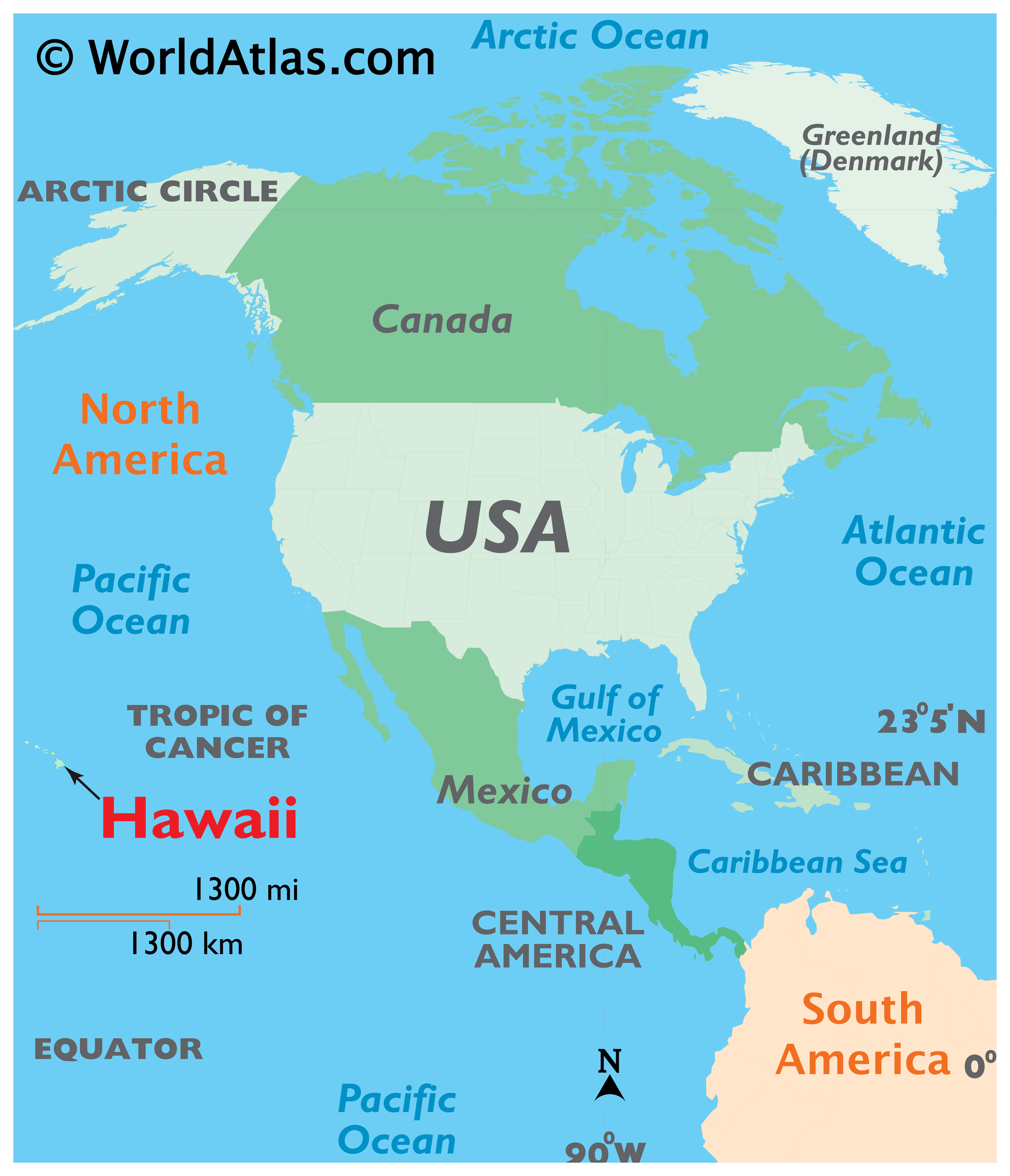
The question “Where is Hawaii on US Map?” is one that frequently puzzles many, even seasoned travelers. Unlike any other state, Hawaii doesn’t neatly fit into the contiguous borders of the continental United States. This geographical uniqueness is precisely what contributes to its mystique and unparalleled appeal as a premier travel destination. Far from being a mere dot on a map, Hawaii is an archipelago of volcanic islands nestled in the heart of the Pacific Ocean, thousands of miles southwest of the mainland. Its distinct location is not just a geographical fact; it’s a cornerstone of its vibrant local culture, diverse ecosystems, and the extraordinary experiences it offers to every visitor. This article delves into Hawaii’s specific placement, exploring why its location is crucial to understanding its allure, and highlighting the myriad attractions, accommodations, and lifestyle options that make it a dream escape for travelers worldwide.
The Geographical Reality: A Distant Paradise
Many imagine Hawaii as an extension of California or Mexico, perhaps a short boat ride away. However, the reality is far more isolated and dramatic. Hawaii is the only U.S. state located entirely outside North America, the only island state, and the only state not geographically connected to any other state. This isolation has profoundly shaped its identity, from its ancient Polynesian roots to its modern status as a melting pot of cultures.
Understanding Hawaii’s Placement on the Global Stage
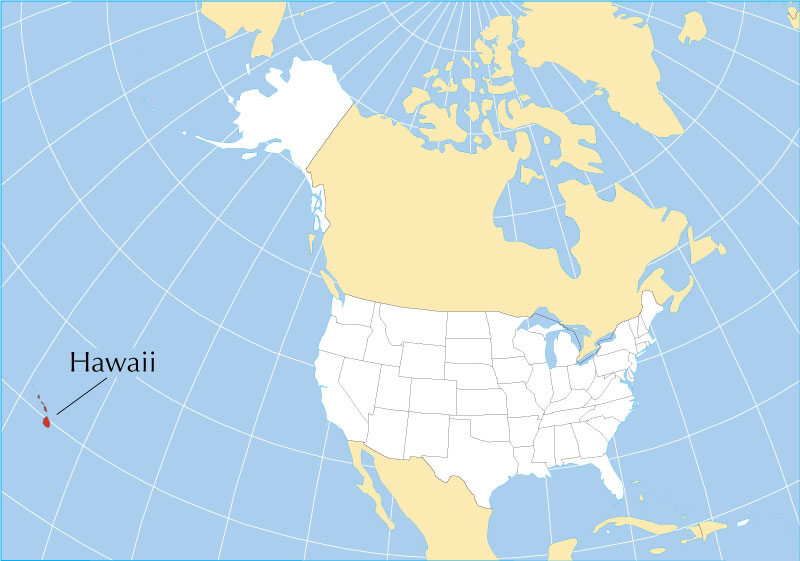
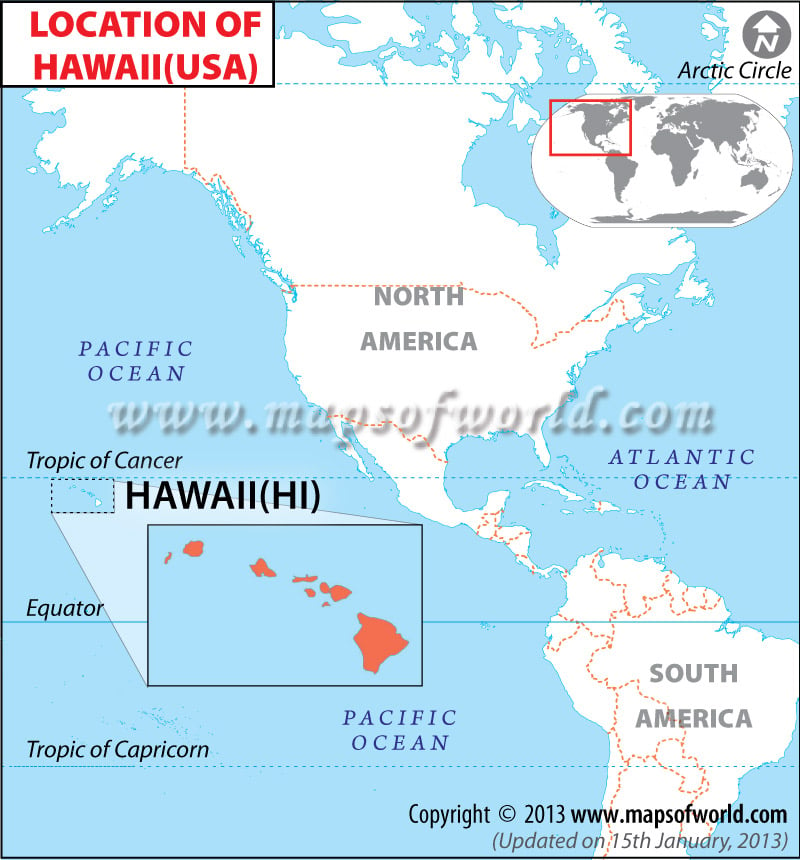
To pinpoint Hawaii on a map, one must look towards the central Pacific Ocean, roughly 2,400 miles (3,860 km) southwest of San Francisco, California. It’s also approximately 3,850 miles (6,200 km) east of Japan and 4,900 miles (7,900 km) northeast of Australia. This remote positioning has long served as both a protective barrier and a gateway for cultural exchange, allowing for the evolution of unique flora and fauna and a distinctive indigenous culture before its eventual integration into the United States in 1959.
The standard US map often features a small inset box in the lower-left corner to indicate Hawaii’s location, placing it off the coast of California or Mexico. This convention, while practical for space, inadvertently contributes to the misconception that it’s geographically much closer. In truth, its geographic center is closer to Japan than to the continental United States.
The Hawaiian Archipelago: A Chain of Volcanic Wonders
Hawaii is not a single island but an archipelago comprising hundreds of islands spread over 1,500 miles. However, only eight are considered “main islands,” and only six of these are regularly visited by tourists:
- Oahu: Home to the state capital, Honolulu, and the iconic Waikiki Beach. It’s the most populous island and a hub for tourism.
- Maui: Known as “The Valley Isle,” famous for its stunning beaches, the Road to Hana, and the majestic Haleakala National Park.
- Hawaii Island (The Big Island): The largest island, renowned for its diverse landscapes, including active volcanoes within Hawaii Volcanoes National Park, black sand beaches, and snow-capped peaks like Mauna Kea.
- Kauai: “The Garden Isle,” characterized by lush rainforests, dramatic cliffs, and cascading waterfalls. The Na Pali Coast and Waimea Canyon are spectacular natural wonders here.
- Molokai: “The Friendly Isle,” offering a glimpse into old Hawaii with its untouched beauty and emphasis on local culture.
- Lanai: “The Pineapple Isle,” now a luxury retreat known for its pristine beaches, golf courses, and exclusive resorts.
- Niihau and Kahoolawe: These two islands are largely inaccessible to the public, with Niihau being privately owned and Kahoolawe a former military testing site now undergoing restoration.
Each island offers a unique flavor and set of attractions, making inter-island travel a popular choice for those seeking to experience the full breadth of Hawaii’s offerings.
Why Hawaii’s Location Matters for Travel
The considerable distance of Hawaii from the continental United States isn’t just a geographical tidbit; it’s a defining factor in shaping the entire travel experience. This isolation has fostered unique cultural traditions, preserved distinct ecosystems, and influenced the practicalities of planning a trip to this paradise.
A Unique Travel Destination Born from Isolation
Hawaii’s remote location has been instrumental in preserving its endemic species and nurturing its distinctive local culture. The islands boast an incredible biodiversity, with many plant and animal species found nowhere else on Earth. This natural heritage forms the backdrop for incredible outdoor activities, from snorkeling in vibrant coral reefs to hiking through lush rainforests and exploring volcanic landscapes.
Culturally, the indigenous Hawaiian traditions, rooted in Polynesian voyaging and a deep connection to the land and sea, thrive here. Visitors can immerse themselves in the “Aloha Spirit” through traditional luaus, hula performances, and visits to historical sites like Iolani Palace, the only official residence of royalty in the United States. This cultural richness, combined with the influences of Asian and American settlers, creates a vibrant tapestry that differentiates Hawaii from any other U.S. destination.
Planning Your Hawaiian Escape: Logistics and Lifestyle
The journey to Hawaii requires more planning than a typical mainland trip. Flight durations from major U.S. cities can range from 5-6 hours from the West Coast (e.g., Los Angeles, Seattle) to 9-11 hours from the East Coast (e.g., New York City, Miami). This means travelers often opt for longer stays, typically a week or more, to fully acclimate and enjoy the islands without feeling rushed.
Time Zones: Hawaii observes Hawaii Standard Time (HST), which is 2 hours behind Pacific Standard Time (PST) and 5 hours behind Eastern Standard Time (EST) during daylight saving months. During winter, the difference expands, as Hawaii does not observe daylight saving. This time difference can lead to initial jet lag, another reason for a more extended visit.
Travel Style: Hawaii caters to a wide array of lifestyle preferences. From opulent luxury travel experiences in world-class resorts to adventurous budget travel options like camping and hostel stays, there’s something for everyone. Family trips are incredibly popular, with many resorts offering dedicated children’s programs and family-friendly activities. The tourism infrastructure is robust, providing everything from guided tours to independent exploration opportunities.
Exploring the Islands: A Diverse Tapestry of Experiences
Once you’ve made the journey, the reward is an unparalleled array of natural wonders, cultural immersion, and world-class hospitality. Each island presents its own distinct personality and a bounty of unique landmarks and attractions.
Iconic Landmarks and Must-See Attractions
- Oahu: Beyond Waikiki Beach’s vibrant energy, visitors can delve into history at Pearl Harbor, hike to the summit of Diamond Head for panoramic views, or catch a glimpse of big-wave surfing on the North Shore at legendary spots like Waimea Bay. The Polynesian Cultural Center offers an immersive journey through the diverse cultures of Polynesia.
- Maui: The breathtaking Road to Hana is an adventure in itself, winding past waterfalls and lush landscapes. Witnessing the sunrise from the crater of Haleakala National Park is an unforgettable experience. The beaches of Ka’anapali Beach and Wailea offer pristine sands and luxury amenities.
- Hawaii Island: Discover the raw power of nature at Hawaii Volcanoes National Park, where you might witness active lava flows. Explore the historic coffee farms in Kona or stargaze atop Mauna Kea, one of the world’s best astronomical sites. Don’t miss the unique Punalu’u Black Sand Beach.
- Kauai: The dramatic cliffs of the Na Pali Coast are best explored by boat or helicopter, revealing secluded beaches and verdant valleys. Waimea Canyon, often called the “Grand Canyon of the Pacific,” offers stunning vistas and hiking trails.
Accommodation and Hospitality: From Resorts to Retreats
Hawaii’s hospitality sector is as diverse as its landscapes, offering everything from opulent five-star hotels and sprawling resorts to charming boutique hotels, cozy apartments, and private villas.
- Luxury Resorts: For those seeking unparalleled service and world-class amenities, Maui’s Four Seasons Resort Maui at Wailea or The Ritz-Carlton, Kapalua offer exquisite dining, spa services, and oceanfront access. On Kauai, the Grand Hyatt Kauai Resort & Spa provides a luxurious escape.
- Mid-Range Hotels: Oahu boasts a plethora of options like the Sheraton Waikiki or Hyatt Regency Waikiki Beach Resort and Spa, offering comfortable stays with easy access to Waikiki’s attractions.
- Unique Stays: Consider booking a vacation apartment or villa through platforms that allow for a more local and extended stay, particularly popular for family trips or groups. Options like Aulani, A Disney Resort & Spa in Ko Olina, Oahu, blend Hawaiian culture with family-friendly entertainment.
When considering accommodation, it’s advisable to compare prices and read reviews to find the best fit for your budget and preferences. Early booking is often recommended, especially during peak seasons, to secure preferred dates and potentially better rates. Many resorts offer packages that include flights, car rentals, and activities, which can simplify planning for travelers.
Embracing the Aloha Spirit: Culture, Food, and Activities
Beyond the stunning scenery and comfortable accommodations, the true heart of Hawaii lies in its unique spirit—the “Aloha Spirit”—which infuses every aspect of its tourism.
The Heart of Hawaiian Tourism: Local Culture and Cuisine
Tourism in Hawaii is deeply intertwined with its rich heritage. Visitors are encouraged to engage with the local culture, learning about the history of the monarchy at Iolani Palace or experiencing a traditional luau with its feast of roasted pig, poke, and poi, accompanied by captivating hula. Understanding the concept of malama ‘aina (care for the land) and pono (righteousness) enhances the travel experience and fosters respectful engagement with the islands.
Hawaiian food is a vibrant fusion of Polynesian, Asian, and American influences. Beyond the luau staples, travelers should explore local eateries for dishes like fresh seafood, plate lunches, kalua pig, and sweet treats like shave ice and malasadas. Farmers’ markets, especially in towns like Hilo or Kailua-Kona, offer a taste of local produce and artisan goods.
Activities for Every Adventurer
Hawaii’s natural playgrounds offer an endless array of activities:
- Water Sports: Surfing, paddleboarding, snorkeling, scuba diving, outrigger canoeing, and submarine tours are immensely popular. The warm, clear waters are perfect for exploring marine life.
- Hiking: Trails range from easy strolls along the Makapuu Lighthouse Trail to challenging treks through volcanic landscapes or lush rainforests to stunning waterfalls.
- Relaxation: For those seeking tranquility, simply lounging on a pristine beach, enjoying a spa treatment, or taking a scenic drive like the Road to Hana offers ultimate relaxation.
- Unique Experiences: Helicopter tours provide breathtaking aerial views of the islands, while whale watching (seasonal, typically November to May) offers a chance to see humpback whales. Golf enthusiasts will find world-class courses in locations like Kapalua and Wailea.
Sustainable Travel and Respecting the Land
Given Hawaii’s unique and fragile ecosystems and sacred cultural sites, sustainable tourism tips are paramount. Visitors are encouraged to respect local customs, protect natural environments by staying on marked trails and not touching coral reefs, and support local businesses. Efforts to reduce plastic waste and conserve water are also highly valued by the community. Traveling responsibly ensures that the beauty and spirit of Hawaii can be preserved for generations to come.
In conclusion, while Hawaii may appear as an isolated speck on a traditional US map, its distant yet integral position within the United States is precisely what makes it extraordinary. It’s a destination where ancient traditions meet modern comforts, where volcanic landscapes merge with pristine beaches, and where every moment is imbued with the welcoming “Aloha Spirit.” For any traveler seeking an unforgettable escape, understanding Hawaii’s place on the map is just the first step in embarking on an adventure to a truly magical corner of the world.
LifeOutOfTheBox is a participant in the Amazon Services LLC Associates Program, an affiliate advertising program designed to provide a means for sites to earn advertising fees by advertising and linking to Amazon.com. Amazon, the Amazon logo, AmazonSupply, and the AmazonSupply logo are trademarks of Amazon.com, Inc. or its affiliates. As an Amazon Associate we earn affiliate commissions from qualifying purchases.