
The roar of a Tyrannosaurus Rex, the thundering footsteps of a stampeding herd of Gallimimus, and the heart-stopping moment a helicopter descends into a mist-shrouded valley – these are the indelible images that define Steven Spielberg’s cinematic masterpiece, Jurassic Park. Released in 1993, this groundbreaking film not only redefined special effects but also cemented a fantastical world of cloned dinosaurs in the collective imagination. Yet, for all its prehistoric wonder, the true magic behind its creation wasn’t a laboratory, but rather the breathtaking, primeval landscapes of Hawaii.
For decades, film enthusiasts and intrepid travelers alike have been captivated by the majestic backdrops that brought Isla Nublar to life. Hawaii, with its dramatic cliffs, lush rainforests, cascading waterfalls, and vibrant flora, provided the perfect canvas for John Hammond’s ambitious dinosaur theme park. Far more than just a convenient location, the islands themselves became an integral character in the film, imbuing every scene with an awe-inspiring sense of natural grandeur and untamed wilderness that no soundstage could replicate.
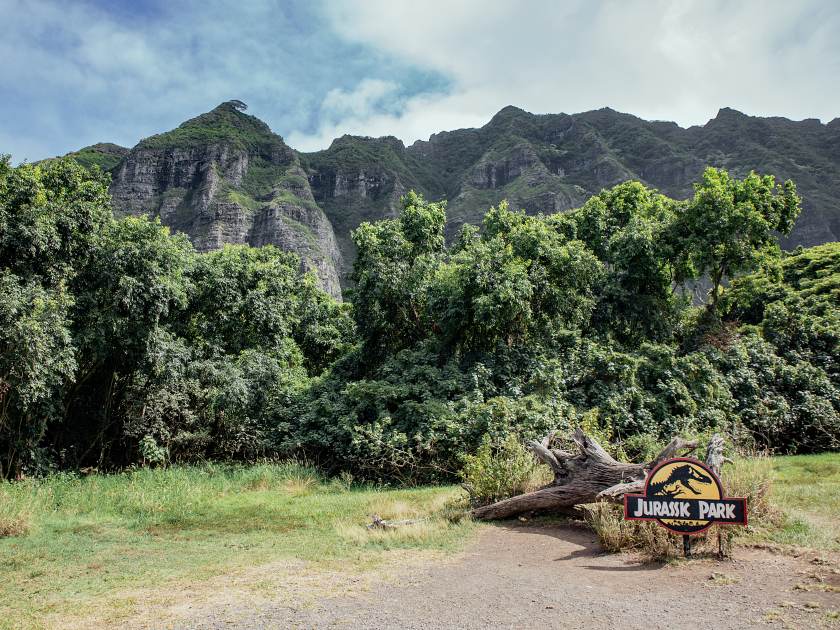
This article delves deep into the specific locations across the Hawaiian archipelago that hosted the filming of Jurassic Park, offering a comprehensive guide for those eager to walk in the footsteps of paleontologists and dinosaurs. From the verdant valleys of Kauai to the iconic expanses of Oahu, we’ll explore where cinema met paradise, transforming real-world landmarks into the unforgettable settings of a global phenomenon. Prepare to discover how you can experience these legendary sites firsthand, planning an unforgettable travel adventure that combines the thrill of Hollywood history with the unparalleled beauty of the Hawaiian Islands.
Hawaii: The Land Before Time’s Backdrop
When Steven Spielberg set out to adapt Michael Crichton’s thrilling novel, he needed a location that could convincingly portray a secluded, untamed island teeming with prehistoric life. His search led him directly to Hawaii, an archipelago renowned for its unparalleled natural beauty and diverse ecosystems. The decision to film in Hawaii was not merely a logistical choice; it was a creative stroke of genius that lent an undeniable authenticity and scale to the film’s visual narrative.
The Allure of the Hawaiian Islands
The Hawaiian Islands are a geological marvel, born from volcanic activity in the middle of the Pacific Ocean. This fiery genesis has resulted in an astonishing array of landscapes packed into a relatively small area. From the rugged, ancient volcanic peaks carved by millennia of rain and wind to the dense, emerald rainforests thriving with unique plant life, Hawaii presents a world that feels both primeval and alive. Its isolated evolution has created a biodiversity found nowhere else on Earth, making its jungles and valleys feel genuinely exotic and unexplored, perfectly mirroring the concept of a hidden island where dinosaurs roam.
For filmmakers, Hawaii offers a natural cinematic toolkit: dramatic lighting from its ever-changing skies, the constant, soothing sound of nature, and an overwhelming sense of scale that dwarfs human presence. The islands possess a raw, untamed quality that suggests a world largely untouched by human hands, making it an ideal candidate for portraying a place where humanity attempts to control nature with disastrous results. Beyond the visual grandeur, Hawaii’s remote location contributes to the feeling of isolation crucial for a story about a secret dinosaur park.
Steven Spielberg’s Vision
Steven Spielberg’s genius lay not only in his direction of actors and mastery of groundbreaking visual effects but also in his ability to select locations that amplify storytelling. He recognized that Hawaii’s natural environment was more than just a backdrop; it was a character unto itself, providing an authentic sense of danger and wonder. The mist-shrouded peaks, the torrential downpours, and the dense, impenetrable foliage created an atmosphere of primal mystery and a tangible sense of being cut off from civilization.
His vision transformed iconic Hawaiian vistas into the memorable scenes that would define Jurassic Park. The helicopter journey over the verdant mountains, the discovery of the brachiosaurus herd in a sprawling valley, and the frantic chases through dense jungle were all magnified by the genuine splendor of Hawaii. Even when CGI dinosaurs were seamlessly integrated, the foundation of their world was authentically Hawaiian. This strategic choice allowed the film to transcend simple fantasy, grounding its extraordinary premise in a believable, tangible reality that continues to enthrall audiences decades later.
Iconic Filming Locations on Kauai
Often referred to as the “Garden Isle,” Kauai served as the primary filming location for the original Jurassic Park. Its ancient volcanic landscape, characterized by dramatic cliffs, lush valleys, and abundant rainfall, perfectly embodied the remote and prehistoric essence of Isla Nublar. A significant portion of the film’s most memorable and visually stunning scenes were shot across this breathtaking island.
The Majestic Na Pali Coast and Manawaiopuna Falls
One of the most iconic moments in Jurassic Park is the initial helicopter arrival of John Hammond and his esteemed guests to Isla Nublar. As they soar above a verdant, mist-shrouded landscape, a spectacular waterfall cascades down a sheer cliff face. This breathtaking natural wonder is actually Manawaiopuna Falls, nestled deep within the interior of Kauai. Following its prominent feature in the film, the falls quickly earned the moniker “Jurassic Falls” and became a powerful symbol of the island’s untouched beauty. While privately owned and largely inaccessible by foot, helicopter tours offer the only way to witness this cinematic landmark up close, providing an unforgettable aerial perspective that mirrors the film’s opening sequence.
The dramatic, fluted cliffs of the Na Pali Coast on Kauai’s northwest side also provided stunning aerial establishing shots for Isla Nublar. These towering emerald peaks, plunging directly into the Pacific Ocean, create a landscape that is both awe-inspiring and intimidating, perfectly conveying the remote and rugged nature of the dinosaur island. Visitors can experience the Na Pali Coast through boat tours, kayaking excursions, or challenging hikes, each offering a unique vantage point of this natural masterpiece that truly brings the film’s grandeur to life.
Jurassic Park’s Entrance Gates: Olokele Valley
While the iconic entrance gates themselves were a set piece, the dense, tropical jungle through which the vehicles initially approach the park’s main compound was filmed in Olokele Valley on Kauai. This remote, lush valley, characterized by its towering trees and thick undergrowth, provided the perfect illusion of a hidden world, enhancing the sense of mystery and anticipation for what lay beyond the gates. The winding dirt roads and dense foliage created a truly immersive environment, making the audience feel as though they were genuinely entering a prehistoric preserve. While not easily accessible to the public, the sheer scale and wild beauty of Kauai’s interior valleys continue to evoke the spirit of adventure that defined that scene.
The Gallimimus Stampede: Kipu Ranch
One of the most thrilling and visually spectacular sequences in Jurassic Park is the Gallimimus stampede, where Dr. Alan Grant and the children find themselves caught in the middle of a frantic herd of dinosaurs. This exhilarating scene was filmed at Kipu Ranch, a vast and picturesque working cattle ranch located in the heart of Kauai. The ranch’s expansive open fields and rolling hills, backed by dramatic mountain ranges, provided the perfect terrain for the swift, bird-like dinosaurs to race across. Today, Kipu Ranch offers guided ATV tours, ziplining, and even horseback riding, allowing visitors to explore the exact landscapes where this iconic chase unfolded. It’s a fantastic opportunity to combine adventure travel with film tourism, experiencing the thrill of the chase in a truly magnificent setting.
Other Notable Kauai Spots
Beyond these major locations, Kauai lent its diverse landscapes to several other crucial scenes:
- Allerton Garden: Part of the National Tropical Botanical Garden in Poipu, this exquisite garden served as the backdrop for the scene where John Hammond and his grandchildren enjoy ice cream and discuss the future of the park. Its meticulously designed landscapes, including giant fig trees with sprawling root systems, create an almost fantastical setting.
- Hanalei Valley: The verdant taro fields of the Hanalei Valley on the North Shore were used for several aerial shots, showcasing Kauai’s agricultural beauty and contributing to the overall lushness of Isla Nublar.
- Waimea Canyon: Known as the “Grand Canyon of the Pacific,” the dramatic vistas of Waimea Canyon were incorporated into wider shots, emphasizing the vast, untamed nature of the fictional island. Overlooks provide stunning panoramic views that stir the imagination.
Unearthing Oahu’s Prehistoric Secrets
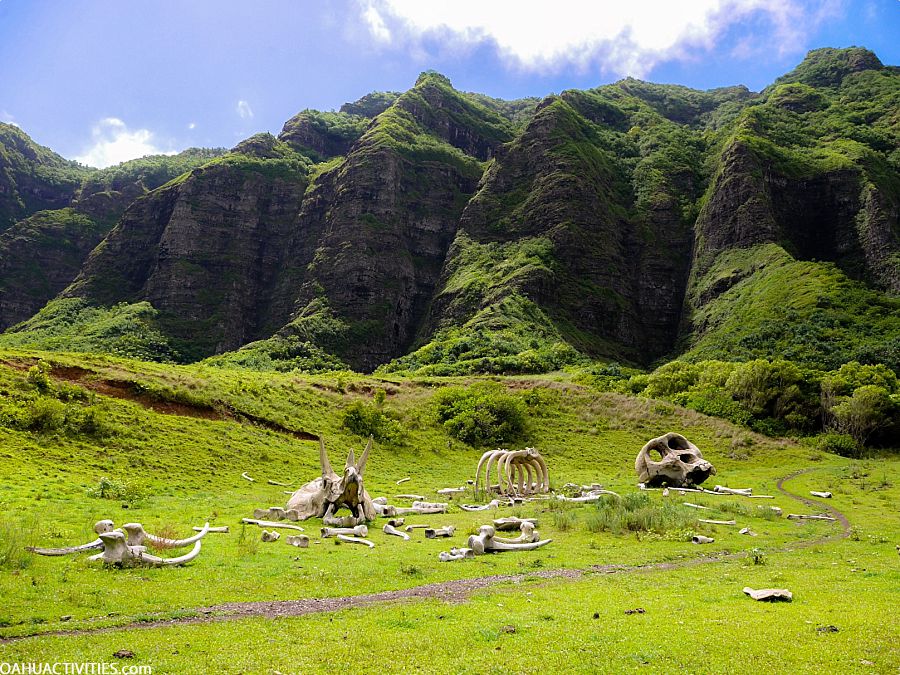
While Kauai provided the bulk of the exterior shots for Jurassic Park, the island of Oahu played a crucial role, most notably through its world-famous Kualoa Ranch. This sprawling private nature reserve and working cattle ranch has become synonymous with Hollywood and, specifically, with the dinosaur saga, featuring prominently in the original film and its highly successful sequels, Jurassic World and others.
Kualoa Ranch: The Heart of Jurassic Filming
Kualoa Ranch, situated on the windward coast of Oahu with stunning views of the Koolau Mountains and the Pacific Ocean, offers a truly majestic and diverse landscape. Its vast valleys, particularly the iconic Ka’a’awa Valley, provided the backdrop for some of Jurassic Park’s most memorable and harrowing scenes.
Key moments filmed at Kualoa Ranch include:
- The Fallen Log: The iconic scene where Dr. Alan Grant, Lex, and Tim take cover from a stampeding herd (though the Gallimimus stampede itself was filmed on Kauai) under a massive fallen log was set in the very recognizable Ka’a’awa Valley. This specific log became a popular photo op for visitors.
- The T-Rex Chase: Parts of the thrilling Tyrannosaurus Rex chase sequence, though primarily utilizing extensive special effects, were envisioned against the backdrop of Kualoa Ranch’s dramatic cliffs and open fields. The sheer scale of the valley lent itself perfectly to conveying the immense power and speed of the colossal predator.
- Velociraptor Pen: While the actual raptor attack on the InGen worker at the beginning of the film took place on a soundstage, the exterior shots establishing the formidable raptor enclosure were filmed within the ranch’s expansive terrain, using the natural mountainous backdrop to emphasize its isolation and security.
Kualoa Ranch’s consistent use across the Jurassic Park franchise (including providing the settings for the Gyrosphere Valley in Jurassic World and numerous other key scenes in subsequent films) has cemented its status as a pilgrimage site for fans. Its versatile landscapes, which range from dense jungle to open plains, make it a filmmaker’s dream, capable of portraying everything from primeval wilderness to serene pastures.
Exploring Kualoa Ranch Today: A Visitor’s Guide
Unlike many private filming locations, Kualoa Ranch has embraced its Hollywood legacy and transformed into a world-class tourist attraction, offering an array of tours and activities designed to immerse visitors in its cinematic history and natural beauty. For Jurassic Park fans, a visit here is essential.
Popular tours and experiences include:
- Hollywood Movie Sites Tour: This guided bus tour takes you directly to various filming locations from Jurassic Park, Jurassic World, and many other blockbusters (like Godzilla, Kong: Skull Island, and TV shows like Lost). You’ll see the famous fallen log, dinosaur footprints, and remnants of sets, with guides sharing fascinating anecdotes from the productions.
- ATV Raptor Tour: For a more adventurous experience, the ATV tours allow you to traverse the stunning valleys and rugged terrain at a faster pace, making you feel like you’re on your own expedition through Isla Nublar.
- Jungle Expedition Tour: This tour takes you deeper into the dense rainforests and valleys, providing a more intimate encounter with the lush scenery that defined the film’s wilder areas.
- E-Bike Tours: Explore the ranch’s vastness on an electric mountain bike, offering a blend of exercise and sightseeing.
Kualoa Ranch is more than just a film set; it’s a living museum of natural history and cinematic magic. Visitors can spend an entire day here, combining film site exploration with other activities like ziplining, horseback riding, or even a catamaran cruise along the coast, making it a perfect destination for families and solo travelers alike seeking adventure and a touch of Hollywood glamour.
Planning Your Jurassic Hawaii Adventure
Embarking on a journey to explore the filming locations of Jurassic Park in Hawaii is an unforgettable travel experience. It combines the thrill of cinematic nostalgia with the unparalleled beauty and cultural richness of the islands. To make the most of your adventure, careful planning is key, ensuring you capture both the prehistoric wonder and the vibrant lifestyle Hawaii has to offer.
Best Time to Visit and Getting Around
The Hawaiian Islands enjoy a tropical climate year-round, but there are distinct seasons that can influence your visit. The dry season (April to October) typically offers warmer temperatures, less rain, and calmer waters, ideal for outdoor activities like hiking, beach days, and helicopter tours, which are crucial for seeing places like Manawaiopuna Falls. The wet season (November to March) brings more rainfall, especially to the northern and eastern sides of the islands, which can make some trails muddy or tours subject to weather cancellations. However, this is also when the waterfalls are at their most spectacular, and the lush greenery is at its peak, intensifying the “Garden Isle” effect of Kauai. Mid-season months like May or September often strike a good balance, with pleasant weather and fewer crowds.
Getting around Kauai and Oahu is best done by rental car. While both islands have some public transportation, a car offers the flexibility to explore remote film sites, hidden beaches, and local eateries at your own pace. On Oahu, driving to Kualoa Ranch from Honolulu or Waikiki is straightforward. On Kauai, a car is essential for reaching areas like Waimea Canyon and exploring the north and south shores. For helicopter tours to Manawaiopuna Falls, several reputable operators depart from both islands, offering various tour lengths and packages. Remember to book popular tours, especially those at Kualoa Ranch, well in advance, as they often sell out.
Accommodation: Where to Stay Like a Paleontologist (or Tourist)
Hawaii offers a vast range of accommodations to suit every budget and lifestyle, from luxurious resorts to cozy vacation rentals. When planning your stay, consider the proximity to the film sites you wish to visit.
On Kauai:
- Poipu (South Shore): This sunny side of the island is home to many resorts and vacation rentals, offering easy access to Allerton Garden and Kipu Ranch. It’s a great base for families, with beautiful beaches and dining options. Hotels like the Grand Hyatt Kauai Resort & Spa offer a blend of luxury and convenience.
- Princeville (North Shore): For those seeking breathtaking views and lush landscapes closer to Hanalei Valley and the starting points for Na Pali Coast tours, Princeville offers upscale resorts and villas, such as the 1 Hotel Hanalei Bay.
- Lihue Area: Centrally located, Lihue provides convenient access to the airport and is a good starting point for exploring both the north and south. You’ll find a mix of hotels and guesthouses here.
On Oahu:
- Waikiki / Honolulu: The bustling heart of Oahu offers an unparalleled selection of hotels, resorts, and apartments, from budget-friendly options to five-star luxury. It’s about a 45-minute to an hour’s drive to Kualoa Ranch from Waikiki, making it a popular base for many visitors. Renowned properties like the Moana Surfrider, A Westin Resort & Spa or the Halekulani offer exquisite stays.
- Windward Coast: For a quieter, more local experience closer to Kualoa Ranch, consider vacation rentals or smaller guesthouses in towns like Kaneohe or Kailua.
Booking accommodations in advance, especially during peak travel seasons, is highly recommended to secure the best rates and availability. Consider what type of travel experience you seek – a luxury resort stay, a family-friendly villa, or a budget-conscious apartment – and plan accordingly.
Beyond the Film Sites: Embracing Hawaiian Culture
While the allure of Jurassic Park is a powerful draw, your visit to Hawaii presents an incredible opportunity to immerse yourself in the rich local culture, vibrant cuisine, and diverse activities. Beyond dinosaur hunting, consider:
- Local Food: Sample traditional Hawaiian dishes like Poke, Kalua Pig, Lomi Salmon, and fresh seafood. Explore farmer’s markets and local eateries to taste authentic flavors.
- Outdoor Activities: Hike scenic trails, snorkel or scuba dive in crystal-clear waters, try surfing lessons, or simply relax on world-renowned beaches. Each island offers unique adventures.
- Cultural Experiences: Attend a traditional Luau, visit historical sites like Pearl Harbor on Oahu, explore ancient Hawaiian heiaus (temples), or learn about the islands’ fascinating history and customs at museums and cultural centers.
- Shopping: Discover unique Hawaiian crafts, art, and fashion, supporting local artisans and bringing home a piece of the islands’ spirit.
A trip to Hawaii is a holistic experience. By blending your cinematic quest with an appreciation for the islands’ natural beauty, cultural heritage, and warm hospitality, you create a journey that is not only thrilling but deeply enriching.
The legacy of Jurassic Park is inextricably linked with the majestic landscapes of Hawaii. The film not only transported audiences to a world where dinosaurs roamed but also showcased the extraordinary, almost otherworldly beauty of these islands. From the iconic “Jurassic Falls” of Manawaiopuna Falls on Kauai to the vast, cinematic valleys of Kualoa Ranch on Oahu, these real-world locations became the heart and soul of Isla Nublar.
For travelers, the opportunity to visit these sites offers a unique blend of film tourism and unparalleled natural exploration. It’s a chance to stand in the very places where movie magic was made, feeling the same awe and wonder that the characters experienced on screen. Whether soaring above the Na Pali Coast, exploring the depths of Kualoa Ranch on an ATV, or simply taking in the breathtaking vistas that inspired a generation, a trip to Jurassic Park’s Hawaiian filming locations is more than just a vacation—it’s an adventure into a world where fantasy and reality beautifully collide. So pack your bags, prepare for wonder, and embark on your own expedition to where dinosaurs once roared.
LifeOutOfTheBox is a participant in the Amazon Services LLC Associates Program, an affiliate advertising program designed to provide a means for sites to earn advertising fees by advertising and linking to Amazon.com. Amazon, the Amazon logo, AmazonSupply, and the AmazonSupply logo are trademarks of Amazon.com, Inc. or its affiliates. As an Amazon Associate we earn affiliate commissions from qualifying purchases.