
Puerto Rico, often called the “Island of Enchantment,” beckons travelers with its vibrant culture, stunning beaches, lush rainforests, and historic cities. From the cobblestone streets of Old San Juan to the unique ecosystem of El Yunque National Forest, it offers an unparalleled Caribbean experience. However, a common question often arises for those planning a visit: “Is Puerto Rico safe for tourists?”
The short answer is yes, Puerto Rico is generally safe for tourists, especially in well-traveled areas. Like any travel destination worldwide, it has its nuances and areas that require common-sense precautions. By understanding the local context, adhering to standard safety practices, and staying informed, visitors can enjoy a memorable and worry-free vacation on this captivating island. As a territory of the United States, Puerto Rico benefits from many of the same safety standards and regulations found on the mainland, particularly in its tourism infrastructure. This article will delve into various aspects of safety, providing a balanced perspective and practical tips to ensure your trip is as secure as it is enjoyable.

Understanding Safety in Puerto Rico: A Balanced Perspective
When considering the safety of any destination, it’s crucial to separate fact from sensationalism and to understand the specific risks involved. Puerto Rico is no exception. While the island has faced economic challenges and natural disasters in recent years, its commitment to tourism safety remains a priority, and the vast majority of visitors have incident-free experiences.
Dispelling Myths vs. Acknowledging Realities
One of the biggest misconceptions about Puerto Rico’s safety often stems from media coverage of its economic situation or past natural disasters. While these events can impact local communities, their direct effect on tourist safety in popular areas is often exaggerated. Tourist zones, which are the primary focus for most visitors, are generally well-maintained and protected. The Puerto Rico Tourism Company, local authorities, and hotels invest heavily in ensuring these areas remain welcoming and secure for international guests.
However, acknowledging realities means understanding that crime does exist, as in any populated area. The key is to recognize that most serious crimes in Puerto Rico are not random acts targeting tourists but are often related to drug trafficking or gang activity in specific, non-touristy neighborhoods. These areas are usually far removed from where visitors typically stay or explore. For instance, Old San Juan, the beach resorts of Condado and Isla Verde, and popular natural attractions like El Yunque National Forest or the beaches of Luquillo are generally very safe during the day and often into the evening.
Crime Rates and Tourist Zones
Like many vibrant cities, San Juan experiences its share of petty crime, such as pickpocketing and bag snatching, particularly in crowded areas or at night. These incidents are preventable with vigilance and common-sense precautions. It’s rare for tourists to be victims of violent crime.
Tourist areas are typically characterized by higher police presence, better lighting, and more security measures implemented by hotels and businesses. Places like Old San Juan are patrolled regularly, making it safe for evening strolls to enjoy the historic architecture and lively restaurant scene. Similarly, resort areas in Carolina and Fajardo are designed with guest safety and comfort as a top priority.
When venturing outside these established tourist hubs, it’s advisable to research your destination, ask hotel staff or trusted locals for advice, and avoid poorly lit or deserted areas, especially after dark. Trusting your instincts is paramount; if a situation feels unsafe, it likely is.
Natural Phenomena: Preparing for the Unexpected
Puerto Rico, being a Caribbean island, is susceptible to hurricanes, particularly during the Atlantic hurricane season from June 1st to November 30th. While major hurricanes like Maria in 2017 can cause widespread disruption, the island’s infrastructure has been significantly rebuilt and improved, with robust emergency protocols in place. Tourists traveling during hurricane season should always monitor weather forecasts and have travel insurance that covers weather-related disruptions. Hotels and airlines typically have established procedures for guest safety and evacuation if a severe storm is imminent.
The island also experiences seismic activity, including earthquakes. Most are minor and go unnoticed, but occasionally stronger tremors can occur. Buildings in Puerto Rico, especially newer constructions and hotels, adhere to strict building codes designed to withstand such events. Familiarizing yourself with emergency exits and procedures at your accommodation is a sensible precaution, regardless of the destination. Staying informed through official channels (local news, hotel notices) is key to navigating any natural event safely.
Navigating Puerto Rico Safely: Essential Tips for Travelers
Responsible travel involves taking proactive steps to ensure your personal safety and security. While Puerto Rico is generally safe, adhering to these essential tips will enhance your peace of mind and allow you to fully immerse yourself in the island’s charm.
Personal Safety and Valuables
- Be Aware of Your Surroundings: This is perhaps the most crucial tip. Pay attention to people and situations around you, especially in crowded markets, bus stations, or tourist attractions.
- Protect Your Valuables: Avoid openly displaying expensive jewelry, electronics, or large amounts of cash. Use hotel safes for passports, extra cash, and other important documents. Carry only what you need for the day.
- Secure Your Belongings: Keep bags zipped and worn close to your body. Consider using an anti-theft bag for added security. Never leave bags unattended on beaches or in public places.
- Nighttime Precautions: If going out at night, stick to well-lit, populated areas. Avoid walking alone in unfamiliar or poorly lit streets. When in doubt, take a taxi or ride-share service.
- Alcohol Consumption: Drink responsibly. Excessive alcohol consumption can impair judgment and make you a more vulnerable target. Watch your drinks, especially in bars or clubs.
Transportation Smartly
- Rental Cars: Renting a car offers flexibility for exploring beyond San Juan, but be cautious. Always lock your doors and keep valuables out of sight, even when driving. Avoid parking in isolated areas. Some roads outside major cities can be poorly maintained or lack clear signage, so consider GPS and drive defensively.
- Taxis and Ride-Shares: Use reputable taxi services or recognized ride-sharing apps (like Uber or Lyft, where available). Confirm the fare or estimated cost before starting your journey. Licensed taxis usually have meters or fixed rates for popular destinations.
- Public Transportation: While available in San Juan (buses, the Urban Train), public transport can be less intuitive for tourists and may not reach all desired destinations efficiently. It’s generally safe during the day, but exercise caution, especially with your belongings.
Health, Hydration, and Local Customs
- Hydration and Sun Protection: Puerto Rico’s tropical climate means intense sun. Drink plenty of water, wear high-SPF sunscreen, and seek shade during peak sun hours (10 AM – 4 PM) to prevent heatstroke and sunburn.
- Tap Water: Tap water in most urban areas and hotels is generally considered safe to drink as it adheres to United States water quality standards. However, if you have a sensitive stomach, opting for bottled water is a safe bet.
- Medical Facilities: Puerto Rico has modern medical facilities, especially in San Juan, with English-speaking staff. It’s always wise to have travel insurance that covers medical emergencies and to know your policy details. Carry a basic first-aid kit for minor ailments.
- Respect Local Culture: Puerto Ricans are known for their warmth and hospitality. A little respect for local customs, trying a few Spanish phrases, and polite interactions can go a long way in fostering positive experiences and avoiding misunderstandings.
- Swimming Safety: Be mindful of ocean currents, especially on undeveloped beaches. Always look for warning flags if available, and avoid swimming alone or after dark. Some beaches may have strong undertows.
Choosing Secure Accommodation
Whether you prefer luxury resorts, boutique hotels, or private villas, selecting safe accommodation is fundamental.
- Reputable Establishments: Stick to well-known hotels, resorts, and vacation rentals with positive reviews. Properties like the Condado Vanderbilt Hotel or the St. Regis Bahia Beach Resort are renowned for their security and guest services. These establishments often have 24/7 security, controlled access, and well-trained staff.
- Security Features: Before booking, check for amenities like secure entry systems, well-lit parking, and in-room safes.
- Read Reviews: Online reviews can offer insights into the perceived safety of a neighborhood or specific property. Look for comments regarding security, lighting, and staff helpfulness.
- Airbnb/VRBO: If booking through these platforms, ensure the host is highly rated, the property has good reviews for safety and location, and that you understand the check-in and local contact details.
Exploring Puerto Rico’s Wonders with Confidence
With the proper precautions in place, you can confidently explore the diverse attractions Puerto Rico has to offer, from historical sites to natural marvels and vibrant cultural experiences.
Safe Havens: Popular Destinations and Attractions
- Old San Juan: This historic district is a UNESCO World Heritage site and a primary tourist draw. It’s very walkable during the day and evening, with a strong police presence. Explore Castillo San Felipe del Morro, colorful streets, and enjoy local cuisine.
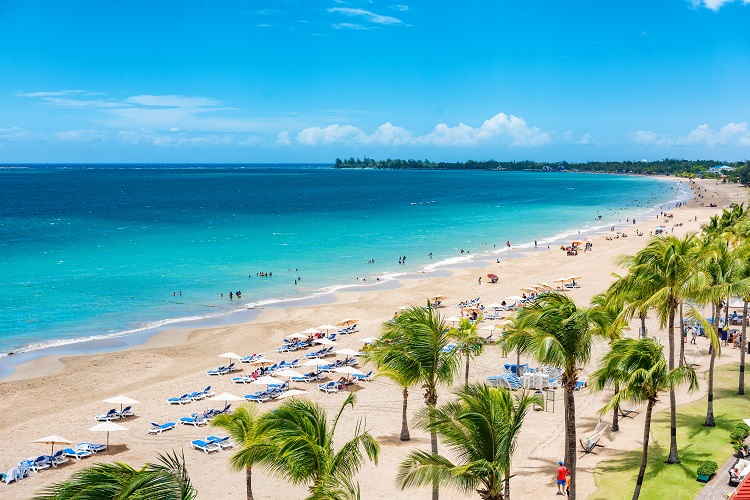
- Condado and Isla Verde: These upscale beach neighborhoods in San Juan are lined with resorts, restaurants, and shops. They are generally very safe and popular with tourists, offering beautiful beaches and lively nightlife.
- El Yunque National Forest: As the only tropical rainforest in the United States National Forest System, El Yunque is a must-visit. Stick to marked trails, wear appropriate footwear, and be aware of weather changes. It’s generally safe, but always inform someone of your hiking plans if you venture off main paths.
- Culebra and Vieques: These smaller islands off the east coast, accessible by ferry from Fajardo or small planes, boast some of the world’s most beautiful beaches, like Flamenco Beach on Culebra, and the famous Bioluminescent Bay on Vieques. These islands are largely tranquil and safe, but transportation can be limited, so plan accordingly.
- Ponce: The “Pearl of the South” offers stunning architecture and cultural sites. Like any city, exercise awareness, especially after dark, but its main attractions are safe for exploration.
- Rincón: Known for its surfing and sunsets on the west coast, Rincón has a relaxed, bohemian vibe and is generally very safe, particularly within its tourist-friendly areas.
Embracing Local Culture and Cuisine Safely
Food is a huge part of the Puerto Rican experience. Sampling local delicacies like Mofongo, Lechón, and Empanadillas is a highlight. Street food vendors are common, and most operate under health regulations. Look for vendors with active customer turnover and clean preparation areas. Dining out, whether in high-end restaurants or casual “chinchorros” (local eateries), is generally a safe and enjoyable experience.
Engaging with local culture, perhaps by taking a Salsa class or visiting a local festival, is an enriching experience. These events are often family-friendly and well-monitored. Be respectful, polite, and immerse yourself – you’ll find the local hospitality incredibly welcoming.
Adventures and Activities: What to Keep in Mind
- Water Sports: Whether it’s snorkeling, diving, surfing, or kayaking in a Bioluminescent Bay, always book with reputable tour operators that prioritize safety and provide proper equipment. Listen to guides and follow instructions.
- Hiking and Nature Trails: When exploring areas like El Yunque or other natural parks, stay on marked trails. Inform someone of your itinerary, carry water, and be prepared for changing weather conditions.
- Ziplining and Adventure Parks: Puerto Rico offers thrilling adventure activities. Choose operators with strong safety records, certified guides, and well-maintained equipment.
Making Your Puerto Rico Trip Seamless and Secure
Preparation is key to a smooth journey. By having essential information and resources at hand, you can address any unforeseen circumstances efficiently.
Emergency Preparedness and Resources
- Emergency Services: In Puerto Rico, dial 911 for police, fire, or medical emergencies, just like in the continental United States.
- Important Contacts: Keep a list of important phone numbers: your hotel, credit card companies (for reporting lost or stolen cards), your travel insurance provider, and the nearest embassy or consulate.
- Travel Insurance: As mentioned earlier, comprehensive travel insurance is highly recommended. It can cover medical emergencies, trip cancellations, lost luggage, and other unexpected events.
- Copies of Documents: Carry photocopies or digital copies of your passport, visa, and other important documents separately from the originals. This helps if your originals are lost or stolen.
- Local SIM Card: Consider purchasing a local SIM card upon arrival for reliable communication, especially useful for GPS navigation or in emergencies. Major U.S. carriers often have service in Puerto Rico without roaming charges.
- Stay Informed: Pay attention to local news, weather forecasts, and advisories from your accommodation or travel guides.
In conclusion, Puerto Rico is a captivating and generally safe destination for tourists. By exercising common-sense precautions, staying informed, and respecting local customs, visitors can minimize risks and fully embrace the island’s unique blend of natural beauty, rich history, and vibrant culture. The warmth of its people, the allure of its landscapes, and the comfort of its modern amenities make it an exceptional choice for your next travel adventure. So pack your bags, prepare for enchantment, and discover why so many travelers fall in love with the Island of Enchantment, knowing you can do so securely and confidently.
LifeOutOfTheBox is a participant in the Amazon Services LLC Associates Program, an affiliate advertising program designed to provide a means for sites to earn advertising fees by advertising and linking to Amazon.com. Amazon, the Amazon logo, AmazonSupply, and the AmazonSupply logo are trademarks of Amazon.com, Inc. or its affiliates. As an Amazon Associate we earn affiliate commissions from qualifying purchases.