
The world of hospitality is a vast and intricate landscape, teeming with iconic brands, diverse accommodation options, and competitive players vying for the discerning traveler’s attention. Among the most recognizable names are Hyatt Hotels and Hilton, both synonymous with quality, comfort, and global presence. A common question that arises for many guests, particularly those navigating loyalty programs or simply trying to understand the corporate structures behind their favorite stays, is whether these two giants are connected. To put it succinctly: no, Hyatt Hotels is not part of Hilton. They are two entirely separate, independent, and competing hospitality companies, each with its own rich history, distinct brand portfolio, and unique approach to guest experience.
This article will delve into the independent legacies of Hyatt and Hilton, exploring their origins, growth, diverse brand offerings, loyalty programs, and strategic positions within the global accommodation market. Understanding their individual identities is key to appreciating the vast choices available to travelers today, whether planning a luxury travel escape, a family trip, or a crucial business stay.
Understanding Two Hospitality Giants: Hyatt and Hilton
While both Hyatt and Hilton operate on a global scale, offering a wide array of hotels and resorts, their journeys began independently and evolved along separate paths. Their distinct corporate philosophies and market focuses have shaped the unique experiences each company provides.
The Independent Legacy of Hyatt Hotels Corporation
Hyatt Hotels Corporation traces its roots back to 1957, when entrepreneur Jay Pritzker purchased the original Hyatt House at Los Angeles International Airport. From this initial venture, the company grew steadily, primarily under the leadership of the Pritzker family. Headquartered in Chicago, Hyatt has cultivated a reputation for sophisticated design, personalized service, and a strong emphasis on the guest experience.
Over the decades, Hyatt has strategically expanded its portfolio to include a variety of brands catering to different segments of the travel market, from high-end luxury hotels to extended-stay apartments. Their growth has been marked by a focus on quality over sheer quantity, often positioning their properties in prime urban locations and desirable destinations worldwide. The company has a significant global footprint, with properties across the Americas, Europe, Asia, the Middle East, and Africa, offering diverse travel experiences to a broad international clientele.
The Expansive Reach of Hilton Worldwide Holdings Inc.
Hilton Worldwide Holdings Inc. boasts an even longer and perhaps more storied history, dating back to 1919 when Conrad Hilton purchased his first hotel in Cisco, Texas. The company opened its first hotel under the Hilton name in 1925 and quickly became a pioneer in the global hospitality industry. Hilton is known for its vast global scale, with a presence in almost every corner of the world. Its headquarters are located in McLean, Virginia, United States.
Hilton’s growth strategy has historically focused on broad market penetration, offering an extensive range of brands that span virtually every price point and accommodation type. This expansive approach has allowed Hilton to cater to a massive and varied customer base, from budget-conscious travelers to those seeking ultimate luxury. Its presence in countless cities and countries makes it one of the most accessible hotel chains for global tourism and travel.
Distinguishing Features: Brands, Loyalty, and Guest Experience
While both companies are leaders in the hospitality sector, their brand architectures, loyalty programs, and overall approaches to the guest journey offer distinct advantages and appeal to different segments of the market. Understanding these differences is crucial for any traveler making an informed choice.
A Deep Dive into Brand Portfolios
Both Hyatt and Hilton have meticulously curated their brand portfolios to cover a spectrum of guest needs and preferences. However, their specific offerings reflect their differing strategic focuses.
Hyatt’s Diverse Collection:
Hyatt’s portfolio, while generally smaller in number of properties compared to Hilton, is highly regarded for its emphasis on distinct experiences and often design-forward properties.
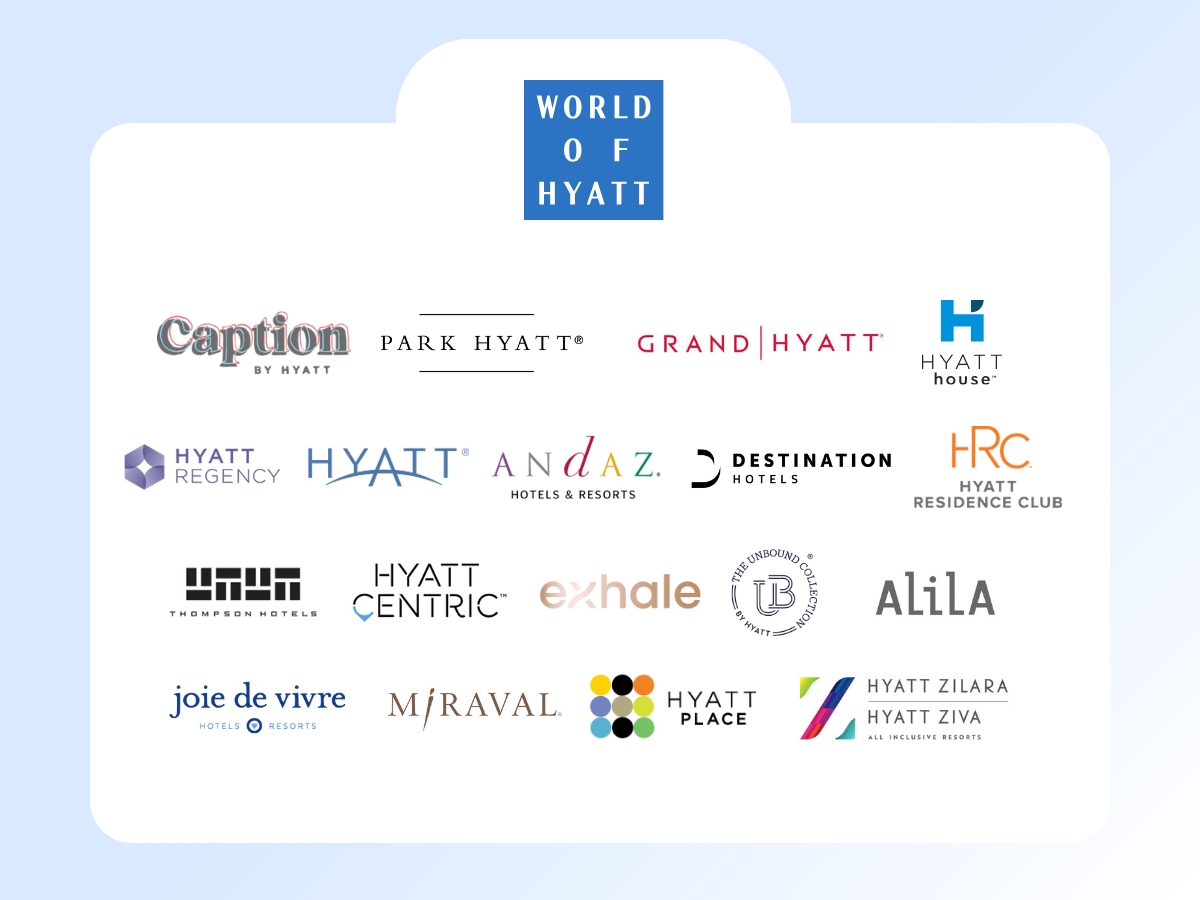
- Luxury & Lifestyle: Park Hyatt offers sophisticated residential luxury; Grand Hyatt provides grand scale and upscale amenities; Andaz delivers local inspiration with a boutique feel; Thompson Hotels focuses on culture and curated experiences; Miraval specializes in wellness resorts; Caption by Hyatt targets the select-service lifestyle segment.
- Full Service: Hyatt Regency properties are large-scale hotels for business and leisure; Hyatt Centric focuses on prime urban locations for modern travelers.
- Select Service & Extended Stay: Hyatt Place offers stylish and comfortable stays; Hyatt House provides extended-stay apartment-style suites.
- Independent Collections: Destination by Hyatt, The Unbound Collection by Hyatt, and JdV by Hyatt group unique, independent hotels with distinct personalities, offering guests access to localized and often historical properties.
Hilton’s Expansive Ecosystem:
Hilton’s brands are incredibly diverse, designed to meet nearly every travel need and budget, demonstrating a strategy of broad market coverage.
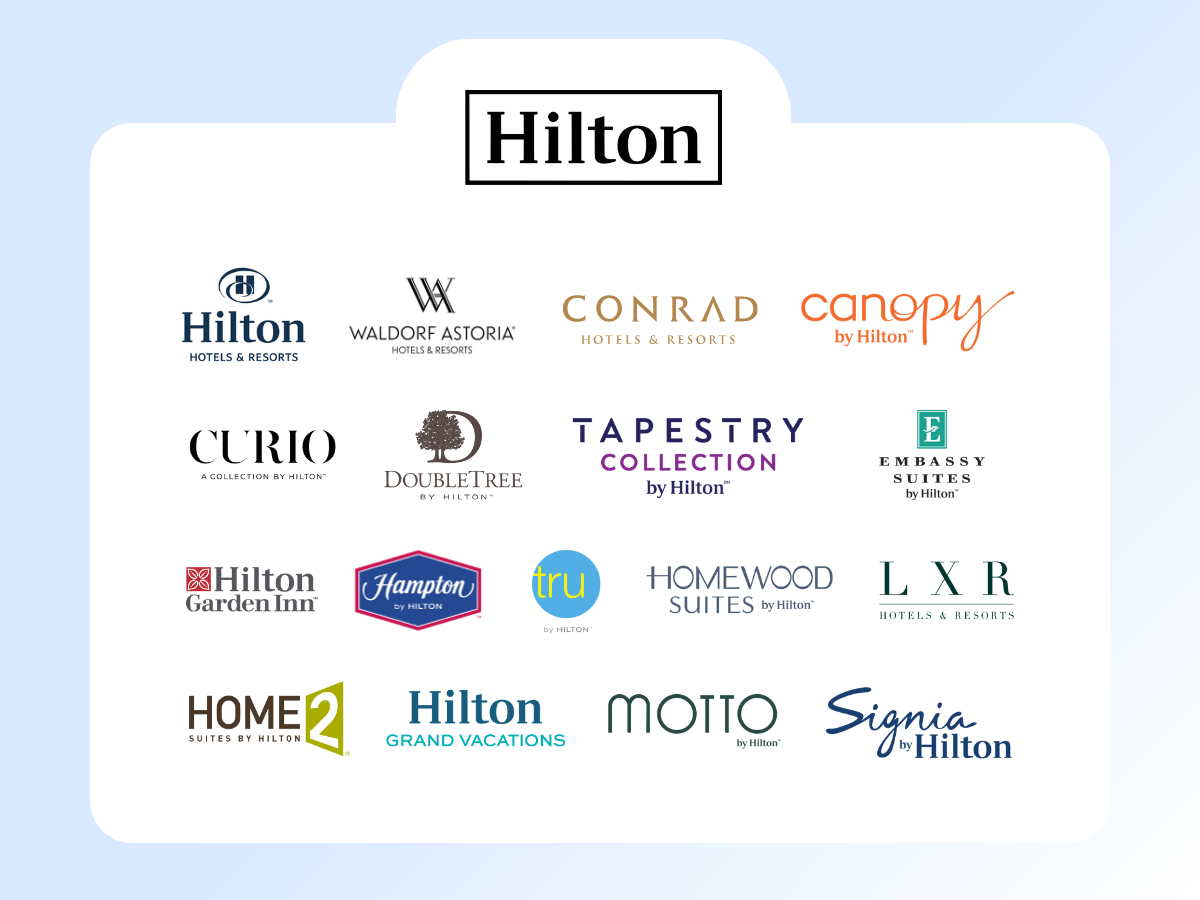
- Luxury: Waldorf Astoria Hotels & Resorts epitomizes timeless luxury; LXR Hotels & Resorts offers distinctive luxury experiences; Conrad Hotels & Resorts provides contemporary luxury in global gateway cities.
- Full Service: Hilton Hotels & Resorts is the flagship brand, globally recognized; DoubleTree by Hilton is known for its warm chocolate chip cookies and comfortable amenities; Embassy Suites by Hilton offers two-room suites with complimentary breakfast.
- Lifestyle: Canopy by Hilton focuses on local culture and vibrant neighborhoods; Tempo by Hilton offers upscale, approachable lifestyle accommodations; Motto by Hilton provides micro-hotel experiences in prime urban locations.
- Select Service & Extended Stay: Hampton by Hilton is a leader in the mid-priced segment; Hilton Garden Inn offers upscale yet affordable stays; Homewood Suites by Hilton and Home2 Suites by Hilton cater to extended-stay guests.
- Collection Brands: Curio Collection by Hilton and Tapestry Collection by Hilton encompass unique, independent hotels, similar to Hyatt’s collections.
- Economy: Tru by Hilton and Spark by Hilton offer essential, value-driven stays.
Loyalty Programs: World of Hyatt vs. Hilton Honors
For frequent travelers, loyalty programs are a significant factor in choosing accommodation. Both companies offer robust programs designed to reward repeat guests, but their structures and perceived values often differ.
World of Hyatt:
World of Hyatt is frequently lauded by critics like Travel + Leisure and Condé Nast Traveler for its high value redemption rates and excellent elite benefits. Due to Hyatt’s smaller footprint, elite status can be perceived as more exclusive and benefits more consistently applied. Members earn points on stays, which can be redeemed for free nights, room upgrades, and other travel experiences. Key benefits for elite members often include complimentary breakfast, lounge access, late checkout, and suite upgrades, enhancing the luxury travel experience.
Hilton Honors:
Hilton Honors is known for its accessibility and extensive global reach, making it easier for members to earn and redeem points across a vast network of properties. With more brands and locations, Hilton Honors offers more opportunities for earning points, even for casual travelers. Elite status, particularly its top tier Diamond status, can provide valuable perks such as complimentary breakfast (often a food and beverage credit), executive lounge access, space-available upgrades, and fifth night free on award stays. The sheer volume of Hilton properties ensures that members can almost always find an option, whether traveling domestically or internationally.
Target Demographics and Niche Markets
While both companies cater to a broad audience, their brand segmentation reveals specific target demographics and niche markets they excel in.
Hyatt often appeals to travelers seeking a more boutique, refined, or luxury experience. Its stronger presence in the upper-upscale and luxury segments means it attracts discerning business travelers, couples on romantic getaways, and individuals prioritizing design and personalized service. Brands like Miraval cater specifically to the wellness tourism niche, while its independent collections attract those looking for unique, culturally immersive accommodation that reflects local culture.
Hilton, with its massive array of brands, cast a wider net. Hampton by Hilton and Home2 Suites by Hilton are staples for family trips, sports teams, and budget travel without compromising on essential comfort. Embassy Suites by Hilton is popular with families and extended-stay guests. Its luxury brands like Waldorf Astoria compete directly with Hyatt’s top-tier offerings for the high-net-worth individual. Hilton also has a very strong presence in the business travel segment across all tiers, offering convenient locations and consistent service for corporate clients.
Competition in the Global Hospitality Landscape
In an increasingly globalized and competitive market, both Hyatt and Hilton continually adapt their strategies to maintain relevance and drive growth. Their distinct approaches contribute to the rich tapestry of choices available to travelers worldwide.
Market Position and Strategic Growth
Hilton maintains one of the largest global footprints in the industry, competing with other giants like Marriott International and InterContinental Hotels Group (IHG). Its strategy often involves expanding into new destinations with a range of brands, from economy to luxury, capitalizing on emerging tourism markets and providing comprehensive coverage for every type of traveler. This includes significant investment in countries across Asia (e.g., China, Japan), the Middle East (e.g., Dubai), and Europe (e.g., London, Paris).
Hyatt, while smaller, focuses on strategic growth in key cities and high-demand resort destinations such as Mexico and the Maldives. Their growth often involves acquiring smaller, independent luxury or lifestyle brands to integrate into their collection, enhancing their niche offerings and appeal to discerning travelers. Hyatt consistently earns accolades from publications like Forbes Travel Guide for its high service standards, demonstrating its commitment to quality within its target segments.
Both companies are engaged in a constant race to innovate, whether through technological advancements in booking and in-room amenities, or through developing new hotel concepts that cater to evolving guest preferences. They also compete fiercely for MICE (Meetings, Incentives, Conferences, and Exhibitions) business, offering extensive conference facilities and tailored services for corporate events.

Navigating Guest Preferences and Trends
The modern traveler’s preferences are constantly evolving, influenced by factors like sustainability, experiential travel, and the desire for authentic local culture. Both Hyatt and Hilton are actively responding to these trends.
Hyatt’s collection brands (The Unbound Collection, JdV by Hyatt, Destination by Hyatt) are prime examples of this adaptation, offering travelers unique stays in historic landmarks or culturally significant properties rather than cookie-cutter experiences. Their emphasis on wellness and bespoke services also aligns with a growing segment of travelers seeking more than just a room.
Hilton leverages its vast network to offer a diverse range of localized experiences through brands like Canopy by Hilton and its collection brands. They also heavily invest in digital innovation, offering seamless booking processes, digital keys, and personalized in-app services to enhance the guest journey. Furthermore, both companies are increasingly focusing on sustainability initiatives, striving to reduce their environmental footprint and contribute positively to the communities where they operate. The ongoing pursuit of enhancing guest reviews and improving their overall comparison among competitors remains a top priority.
In conclusion, while both Hyatt Hotels and Hilton are titans in the global hospitality industry, they operate as distinct and independent entities. Each company brings its unique philosophy, brand identity, and approach to guest service to the table, creating a vibrant and competitive landscape that ultimately benefits the traveler. Whether you prioritize a curated, luxury experience with Hyatt’s World of Hyatt or the extensive global reach and accessibility of Hilton’s Hilton Honors program, understanding their individual strengths allows for more informed and satisfying travel choices. They are not merely competitors, but complementary forces driving innovation and excellence across the diverse world of accommodation.
LifeOutOfTheBox is a participant in the Amazon Services LLC Associates Program, an affiliate advertising program designed to provide a means for sites to earn advertising fees by advertising and linking to Amazon.com. Amazon, the Amazon logo, AmazonSupply, and the AmazonSupply logo are trademarks of Amazon.com, Inc. or its affiliates. As an Amazon Associate we earn affiliate commissions from qualifying purchases.