
Orlando, Florida, often synonymous with world-class theme parks and endless sunshine, is far more than just a tourist hotspot. Beneath the veneer of magical kingdoms and thrilling attractions lies a vibrant, rapidly growing city that serves as the economic and cultural hub of Central Florida. Understanding the population of [Orlando] is crucial for anyone looking to visit, relocate, or invest in this dynamic region, as it directly impacts everything from traffic patterns and local culture to the availability of accommodation and the overall visitor experience.
When discussing the population of [Orlando], it’s important to differentiate between the population of the city proper and the much larger metropolitan statistical area (MSA). As of the most recent estimates, the City of Orlando itself boasts a population of approximately 310,000 to 320,000 residents. This figure positions [Orlando] as one of [Florida]’s largest cities, yet it doesn’t fully capture the sheer scale and economic influence of the wider region.

The Orlando-Kissimmee-Sanford Metropolitan Statistical Area (MSA), which encompasses Orange, Osceola, Seminole, and Lake counties, tells a more comprehensive story. This sprawling metropolitan area is home to well over 2.7 million people, making it one of the largest and fastest-growing MSAs in the southeastern United States. This distinction is vital because much of what people associate with [Orlando]—the major theme parks, expansive resorts, and vast commercial districts—actually falls within this broader metropolitan footprint, often extending into neighboring cities like Kissimmee and Sanford. This significant difference highlights the multifaceted nature of [Orlando]’s demographic landscape and its continuous expansion.
Orlando’s Demographic Snapshot: A Growing Metropolis
The story of [Orlando]’s population is one of impressive and sustained growth. Over the past few decades, the region has consistently ranked among the fastest-growing areas in the [United States]. This isn’t just a recent phenomenon; the influx of new residents has been a steady trend, transforming a once sleepy agricultural town into a bustling international destination.
Current Population Figures and Growth Trends
To fully grasp the magnitude of [Orlando]’s growth, consider these figures. While the City of [Orlando] has seen steady increases in its resident count, the metropolitan area has exploded. Between 2010 and 2020, the [Orlando-Kissimmee-Sanford MSA] grew by over 25%, adding hundreds of thousands of new residents. This rapid expansion continues into the present decade, driven by a confluence of economic opportunities, quality of life factors, and the region’s undeniable appeal.
The latest estimates often place the [Orlando-Kissimmee-Sanford MSA] population near the 2.8 million mark, with projections indicating it will comfortably surpass 3 million in the coming years. This growth isn’t uniform across the entire MSA; while [Orlando] proper continues to densify, significant development and population increases are also seen in suburban areas and surrounding counties, reshaping the entire [Central Florida] landscape. This continuous influx necessitates constant development in infrastructure, housing, and public services to keep pace with demand.
Factors Driving Population Growth
Several key factors contribute to [Orlando]’s enduring allure and robust population growth:
- Economic Opportunity: Beyond tourism, [Orlando] has diversified its economy significantly. It’s a growing hub for technology, healthcare, aerospace, and simulation industries. The University of Central Florida (UCF) is one of the largest universities in the [United States], fostering a talented workforce and encouraging innovation. Major employers, from defense contractors to medical research facilities, draw professionals from across the globe.
- Climate and Lifestyle: [Florida]’s reputation as the “Sunshine State” is well-earned. [Orlando]’s warm climate, abundant natural beauty, and proximity to beaches (both Atlantic and Gulf Coasts) are major draws for retirees, families, and young professionals seeking an active outdoor lifestyle. The absence of state income tax is another significant financial incentive for many.
- Tourism Industry: While often seen as a visitor magnet, the tourism industry itself is a massive employer. From hotel staff and attraction operators to restaurant workers and transportation services, the sheer volume of visitors creates hundreds of thousands of jobs, attracting individuals and families looking for employment opportunities. This interconnectedness between the resident population and the transient visitor population is unique to [Orlando].
- Affordability (Relative): Compared to other major [Florida] cities like Miami or even coastal areas, [Orlando] has historically offered a relatively more affordable cost of living, particularly in terms of housing. While housing costs have risen with demand, it remains an attractive option for many seeking to establish roots in a growing economy.
The Interplay of Population and Tourism: Orlando’s Economic Engine
Nowhere is the relationship between a city’s resident population and its tourism industry more symbiotic than in [Orlando]. The vast number of permanent residents forms the backbone that supports the city’s status as a global tourism leader, while the steady stream of visitors continuously fuels the local economy and shapes the urban environment.
How Residents Support the Tourism Industry
The residents of [Orlando] are not just passive inhabitants; they are integral to the functioning and success of the region’s tourism machine.
- Workforce: A massive permanent workforce is required to operate the immense infrastructure of Walt Disney World Resort, Universal Orlando Resort, SeaWorld Orlando, and countless other attractions, hotels, restaurants, and ancillary businesses. From hospitality professionals and entertainers to technicians and administrators, the resident population provides the skilled and dedicated labor force essential for delivering world-class guest experiences.
- Local Businesses and Services: Beyond the major theme parks, residents support a thriving ecosystem of local businesses—restaurants, shops, service providers, and entertainment venues—that cater to both locals and tourists. This diverse local economy adds depth and authenticity to the city, enriching the visitor experience beyond the main attractions.
- Community Infrastructure: Tax revenues generated by the resident population and local businesses help fund the public services, infrastructure, and amenities that benefit everyone, including visitors. This includes roads, public safety, parks, and cultural institutions like the Dr. Phillips Center for the Performing Arts and the Orlando Museum of Art.
The Transient Population: Visitors and Seasonal Residents
While the permanent population forms the foundation, the transient population is [Orlando]’s lifeblood. Millions of tourists descend upon the city annually, dwarfing the resident count on any given day. In a typical year, [Orlando] welcomes over 75 million visitors, a number that can fluctuate but consistently places it among the most visited destinations globally.
- Impact on Infrastructure: This massive influx of temporary residents places unique demands on [Orlando]’s infrastructure. Roads, airports, public transportation, and utilities must be designed to handle peak seasonal loads that far exceed what a city of 300,000 residents would typically require. This is particularly evident on major thoroughfares like International Drive and around the theme park areas.
- Accommodation Needs: The transient population fuels a colossal accommodation sector, ranging from luxury resorts like the Four Seasons Resort Orlando at Walt Disney World Resort and Waldorf Astoria Orlando to budget-friendly hotels, sprawling vacation home communities, and a robust short-term rental market. The scale and diversity of [Orlando]’s lodging options are unparalleled, directly reflecting the needs of its millions of temporary inhabitants.
- Seasonal Dynamics: [Orlando]’s population effectively swells dramatically during peak seasons (school holidays, summer, major conventions at the Orange County Convention Center). This creates dynamic shifts in traffic, restaurant wait times, and attraction crowd levels, which visitors need to be aware of when planning their trips.
Lifestyle and Accommodation: Living in the Theme Park Capital
Living in [Orlando] offers a unique blend of suburban comfort, urban amenities, and unparalleled entertainment. The city’s growth has fostered diverse neighborhoods, each with its own character, and a broad range of accommodation options catering to both long-term residents and short-term visitors.
Diverse Neighborhoods and Living Experiences
The vast [Orlando] metropolitan area offers a wide spectrum of living experiences, from bustling downtown living to serene suburban enclaves.
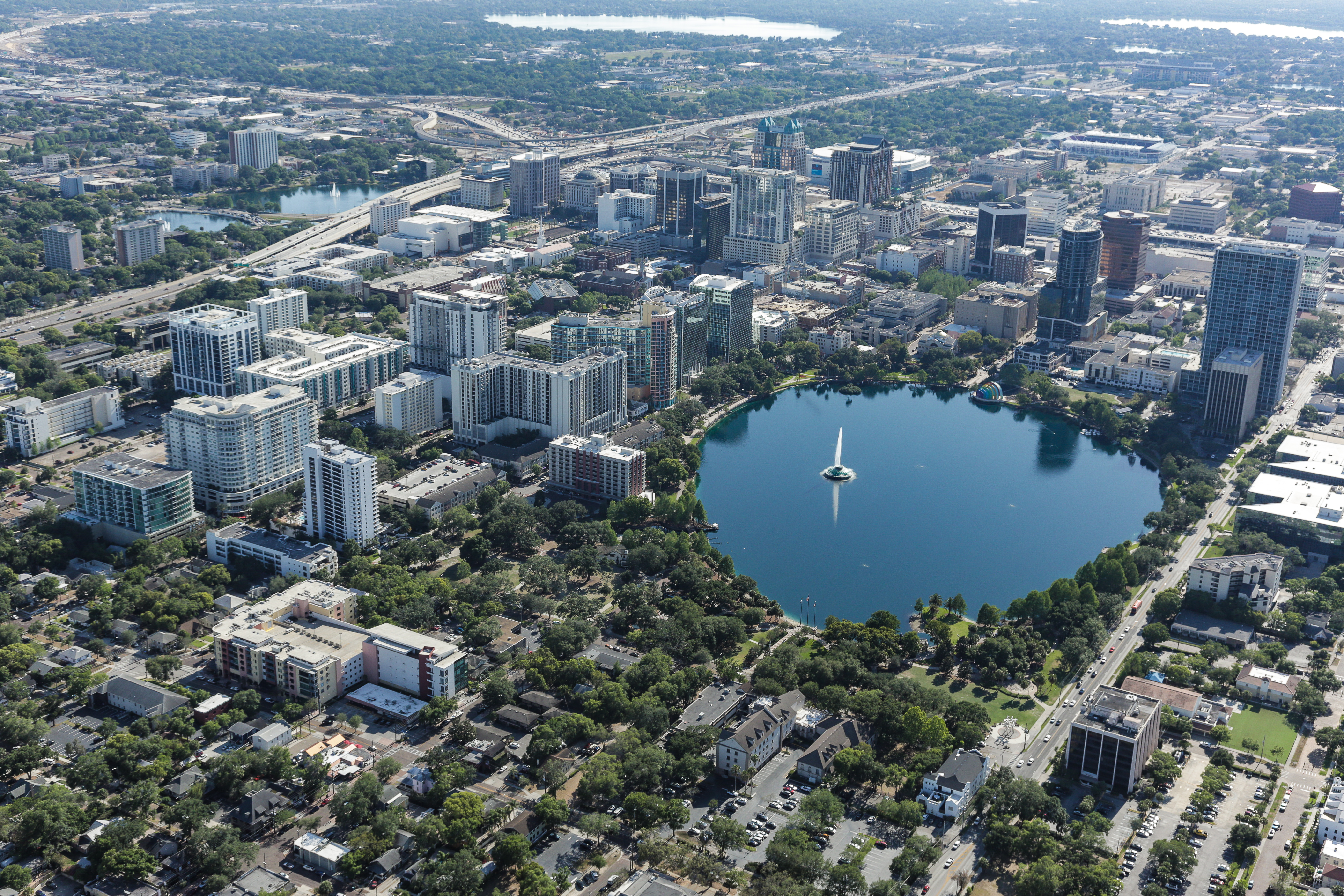
- Downtown Orlando: For those seeking an urban lifestyle, [Downtown Orlando] offers high-rise apartments, vibrant nightlife, diverse dining, and cultural attractions like Lake Eola Park and the Amway Center. It’s a hub for business, arts, and entertainment, attracting young professionals and those who prefer walking or biking to get around.
- Winter Park: Just north of [Downtown Orlando], Winter Park is renowned for its upscale boutiques, fine dining, tree-lined streets, and beautiful chain of lakes. It offers a more refined, historic charm and is popular with families and those seeking a quieter, more affluent community feel.
- Lake Nona: To the southeast, Lake Nona is a master-planned community known for its “Medical City” (Lake Nona Medical City), cutting-edge technology, and focus on health and wellness. It represents [Orlando]’s forward-thinking development, attracting professionals in the medical and tech fields.
- Celebration: Developed by The Walt Disney Company, Celebration is a picturesque, meticulously planned community south of the theme parks, designed with a nostalgic small-town American aesthetic. It’s known for its walkable streets, traditional architecture, and strong community focus.
- Suburban Sprawl: Beyond these distinct areas, numerous suburban communities stretch across Orange, Seminole, Osceola, and Lake Counties, offering diverse housing types, good schools, and family-friendly environments.
Housing Market and Accommodation Options
The dynamic population growth in [Orlando] has profoundly impacted its housing market and the availability of accommodation.
- Residential Housing: The demand for residential housing, both for sale and rent, has been consistently high. While this has led to increased property values and rental rates, [Orlando] still offers a range of options from single-family homes and townhouses to apartments and condos, catering to various budgets and preferences. New developments are constantly emerging to meet the influx of new residents.
- Short-Term Accommodation: For visitors, the sheer volume of choices can be overwhelming but ultimately beneficial. From luxurious five-star resorts directly on theme park property, such as those at [Walt Disney World Resort] and [Universal Orlando Resort], to convention hotels like the Hyatt Regency Orlando or Rosen Shingle Creek on [International Drive], there’s an option for every type of traveler.
- Vacation Rentals: [Orlando] is particularly known for its extensive vacation rental market, especially around the [Kissimmee] area. Large homes with private pools and multiple bedrooms are popular choices for families and groups, often providing more space and amenities than traditional hotel rooms. This segment of the market directly caters to the transient population, offering flexibility and privacy.
- Long-Term Stays: For business travelers, relocation, or extended holidays, [Orlando] also offers a robust selection of extended-stay hotels and furnished apartments, designed for comfort and convenience during longer visits.
Planning Your Visit: Understanding Orlando’s Scale
For tourists, grasping the scale of [Orlando]’s population—both permanent and transient—is essential for a smooth and enjoyable trip. It influences everything from how you navigate the city to the strategies you employ for visiting attractions.
Navigating a Bustling City
With millions of residents and tens of millions of visitors each year, [Orlando] is a constantly bustling environment.
- Traffic: Expect traffic, especially during peak commuter hours (7-9 AM, 4-6 PM) and around major attractions and shopping areas. Familiarity with local highways like I-4, the Florida Turnpike, and various expressways is crucial. Ride-sharing services, taxis, and resort transportation are popular alternatives to driving.
- Public Transportation: While improving, [Orlando]’s public transportation system is primarily designed for residents and not always the most efficient for tourists visiting scattered attractions. However, options like the I-Ride Trolley on [International Drive] can be useful for specific areas.
- Planning Ahead: Reservations for popular restaurants, especially during peak season, are highly recommended. Similarly, purchasing theme park tickets in advance and utilizing park planning apps can save significant time and reduce stress.
Impact on Attractions and Amenities
The high population density and tourist volume directly affect the visitor experience at [Orlando]’s world-renowned attractions.
- Crowd Levels: Theme parks like Magic Kingdom, Epcot, Hollywood Studios, Animal Kingdom at [Walt Disney World Resort], and Universal Studios Florida, Islands of Adventure, and Volcano Bay at [Universal Orlando Resort] are almost always busy. Strategies such as arriving early, staying late, using skip-the-line services (like Disney Genie+ or Universal Express Pass), and visiting during off-peak seasons are invaluable for maximizing your time.
- Diverse Dining and Shopping: The large resident and tourist populations have fostered an incredibly diverse culinary scene, ranging from celebrity chef restaurants to authentic ethnic eateries. Similarly, shopping opportunities abound, from high-end malls like Mall at Millenia to outlet centers and quirky local boutiques.
- Beyond the Parks: The sheer number of people living in and visiting [Orlando] means there’s always something happening. Explore downtown’s nightlife, catch an Orlando Magic basketball game, or venture slightly out to places like the Kennedy Space Center Visitor Complex for a day trip. The vibrant population supports a rich array of activities beyond the main attractions.

Beyond the Numbers: Orlando’s Future
The current population figures for [Orlando] are impressive, but they are just snapshots in the ongoing narrative of a city in constant evolution. Projections indicate continued growth for the foreseeable future, driven by a resilient economy, strategic development, and an unwavering appeal as both a place to visit and a place to call home.
This continuous expansion brings both opportunities and challenges. While it fuels economic prosperity and cultural diversity, it also necessitates ongoing investment in infrastructure, sustainable development, and community planning to maintain the quality of life for residents and the exceptional experience for visitors. [Orlando]’s ability to adapt and innovate in the face of this growth will define its trajectory for decades to come. Whether you’re considering a short visit or a permanent move, understanding the dynamic population of [Orlando], [Florida], provides crucial context for appreciating this truly unique and enchanting destination.
LifeOutOfTheBox is a participant in the Amazon Services LLC Associates Program, an affiliate advertising program designed to provide a means for sites to earn advertising fees by advertising and linking to Amazon.com. Amazon, the Amazon logo, AmazonSupply, and the AmazonSupply logo are trademarks of Amazon.com, Inc. or its affiliates. As an Amazon Associate we earn affiliate commissions from qualifying purchases.