
Embarking on a journey, whether for leisure or business, involves myriad decisions, and among the most crucial is choosing the right accommodation package. While concepts like bed and breakfast, full board, and all-inclusive are widely understood, the term “half board” often sparks questions among travelers. Essentially, a half board hotel offers guests a convenient and balanced approach to their dining during a stay, typically including two main meals within the price of their room. This popular option strikes a compelling balance between the freedom of exploring local culinary scenes and the comfort of having essential meals taken care of. For many, it represents the sweet spot in travel planning, offering both convenience and flexibility, making it a favorite choice across various travel lifestyles, from budget-conscious adventurers to those seeking a touch of luxury without full commitment.
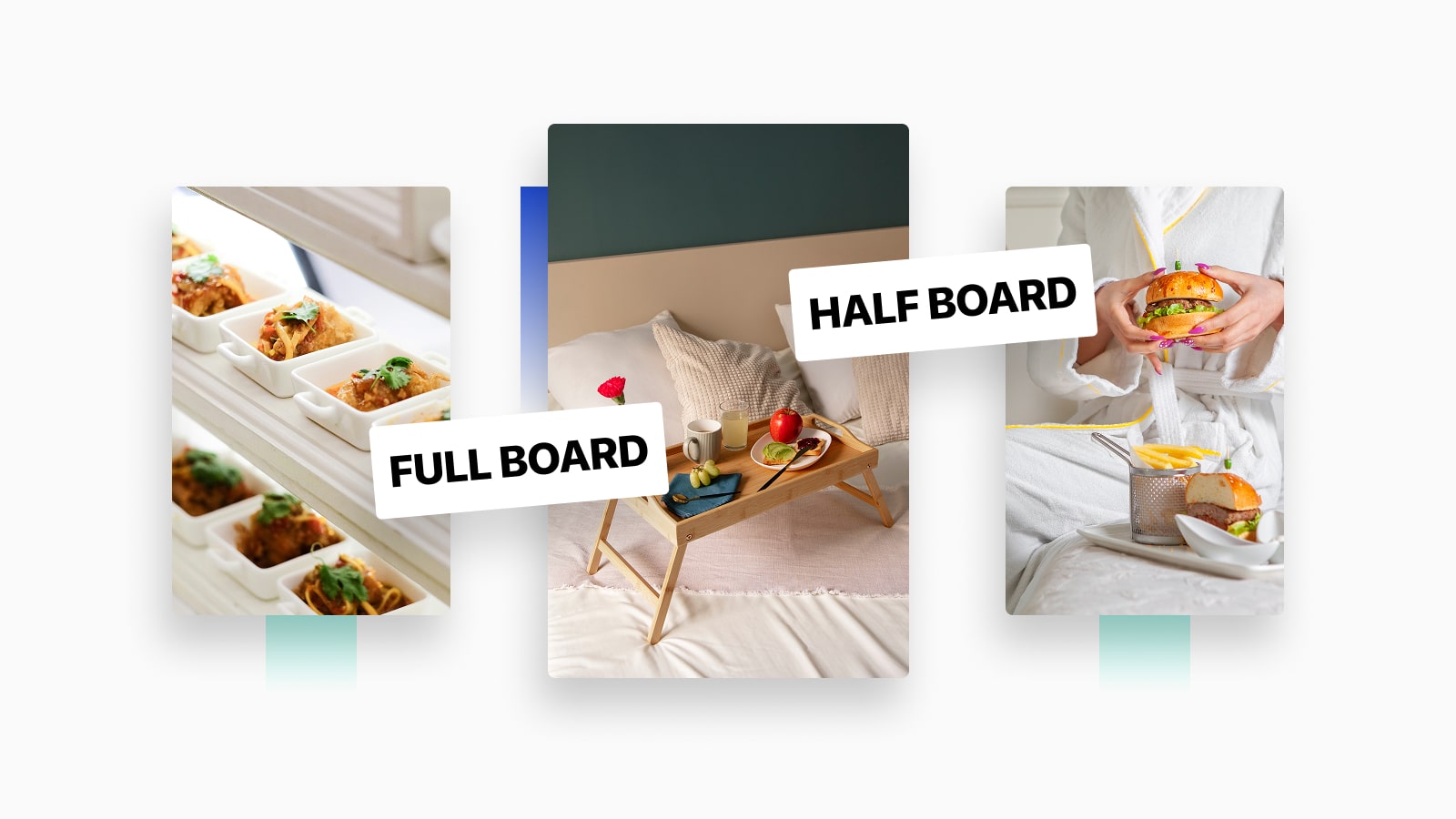
Understanding the Half Board Concept
The core of the half board package lies in its name: it covers half of your daily main meals provided by the hotel. This arrangement is particularly appealing to travelers who appreciate the security of having breakfast and dinner sorted but desire the liberty to explore a destination’s local food scene during the midday. It’s a pragmatic solution that caters to a diverse range of travel styles and preferences, making it a cornerstone of accommodation offerings worldwide.
What’s Included in Half Board?
When you book a half board stay, you are typically entitled to breakfast and dinner at your chosen hotel.
- Breakfast: This is almost always included and usually takes the form of a buffet, offering a wide selection of dishes ranging from continental pastries, cereals, fruits, and yogurts to hot cooked items like eggs, bacon, and sausages. The standard of breakfast can vary greatly, from simple continental spreads in boutique hotels to elaborate international buffets in larger resorts.
- Dinner: The evening meal is the other cornerstone of the half board package. This can manifest in several ways, depending on the hotel. It might be a lavish buffet featuring various cuisines, a set menu with a limited choice of appetizers, main courses, and desserts, or occasionally, a credit towards an à la carte restaurant within the hotel. It is crucial to remember that drinks, including water, soft drinks, and alcoholic beverages, are almost always excluded from the half board price during dinner and must be paid for separately. This is a common point of confusion for first-time half board guests and something to budget for.
The distinction between half board and other meal plans is vital. While Bed & Breakfast (B&B) only covers the morning meal, and Full Board extends to include lunch, half board wisely omits lunch, providing that crucial window for external exploration. All-Inclusive packages, of course, encompass all meals, snacks, and often a selection of drinks and activities, representing the highest level of in-hotel provisioning. Understanding these differences allows travelers to make an informed choice that best aligns with their trip’s purpose and personal preferences.
Why Choose Half Board?
The decision to opt for a half board package often boils down to a desire for balance. Here are some compelling reasons why travelers frequently choose this option:
- Flexibility for Lunch and Exploration: The most significant advantage is the freedom it offers for your midday meal. This is particularly valuable for sightseers, cultural enthusiasts, and adventurers who plan day trips, excursions, or simply want to wander through local markets and sample street food. Imagine spending a morning exploring the ancient wonders of Rome or the artistic treasures of the Louvre Museum in Paris, then casually picking a charming local bistro for lunch without being tied back to your hotel. This flexibility allows for a more immersive travel experience, allowing you to discover hidden gems and authentic flavors.
- Cost-Effectiveness Compared to Full Board/All-Inclusive: For many, half board represents a smart financial choice. If your daily itinerary involves being out and about, eating every lunch at the hotel might be unnecessary or even restrictive. By paying for only breakfast and dinner, you often save money compared to full board or all-inclusive packages, especially if you plan to have lighter, cheaper lunches or enjoy inexpensive local delicacies. This saving can then be reallocated to other aspects of your trip, such as tours, souvenirs, or unique experiences.
- Opportunity to Experience Local Cuisine: For foodies and cultural travelers, half board is a gateway to the authentic culinary landscape of a destination. It encourages guests to venture beyond hotel walls and sample the local specialties that make a place unique. Whether it’s tapas in Barcelona, sushi in Tokyo, or a traditional pastrami sandwich in New York City, half board actively promotes these enriching experiences, transforming a meal into a part of the travel adventure itself.
- Ideal for Specific Trip Types: Half board excels in particular scenarios. For a city break, where you’ll be out exploring landmarks like the Eiffel Tower or the Colosseum all day, it’s perfect. On a ski holiday, where lunch is typically grabbed on the slopes, it makes practical sense. Even on a beach holiday in the Maldives or Santorini, many prefer a light snack by the beach rather than a full hotel lunch. It’s about aligning the meal plan with your expected daily rhythm.
The Advantages of a Half Board Stay
Choosing a half board package goes beyond merely saving money; it significantly enhances the overall travel experience by offering a blend of structure and spontaneity. It allows guests to enjoy the comforts of their accommodation while simultaneously fostering a deeper engagement with their chosen destination.
Culinary Freedom and Local Exploration
The most celebrated benefit of half board is the culinary freedom it bestows upon travelers. With breakfast and dinner secured, the entire midday is yours to command. This is not just about eating; it’s about discovery:
- Venturing Out for Lunch: Without the obligation to return to the hotel for lunch, you’re free to explore. Imagine stumbling upon a quaint café down a cobblestone alley in Europe, or a bustling food stall in Asia, offering authentic dishes that you might never encounter within a hotel setting. This encourages spontaneous decisions and genuine cultural immersion.
- Discovering Local Restaurants, Street Food, and Cafes: Half board empowers you to seek out places frequented by locals, tasting regional specialties that are often more affordable and authentic than hotel fare. This could be anything from gourmet sandwiches near the Golden Gate Bridge to fresh seafood along the [Mediterranean](https://lifeoutofthebox.com/mediterranean coast. Each lunch becomes an opportunity to savor the true flavors of your temporary home.
- Experiencing the Authentic Culture of a Destination: Food is inextricably linked to culture. By dining out for lunch, you engage with local businesses, observe daily life, and interact with residents, turning a simple meal into a memorable cultural exchange. This is particularly rewarding in places like Kyoto, where the culinary scene is as rich in history as its temples. This hands-on experience provides a more holistic and vibrant understanding of your surroundings.
Budget Management and Value
Beyond cultural enrichment, half board offers tangible benefits for managing your travel budget effectively:
- Often Cheaper than Full Board/All-Inclusive: For many travelers, especially those who aren’t huge lunch eaters or who prefer lighter, on-the-go meals, half board presents a significant cost saving compared to the more comprehensive packages. You pay for the meals you are most likely to eat at the hotel, avoiding unnecessary expenses.
- Provides a Safety Net for Two Meals: Knowing that two substantial meals are pre-paid offers peace of mind. It removes the daily stress of finding suitable breakfast and dinner options, especially after a long day of sightseeing or travel. This allows you to relax and enjoy your evenings without worrying about where your next meal is coming from.
- Allows for Budget Allocation to Other Activities: The savings from not opting for full board can be wisely reinvested. This could mean splurging on an exclusive excursion, enjoying a more premium shopping experience, or adding an extra night to your stay. For example, the money saved could fund a visit to Machu Picchu or a show in London. It provides financial flexibility that enhances the overall quality of your trip.
- Comparison to Self-Catering: While self-catering offers maximum flexibility, it also requires time and effort for grocery shopping and cooking. Half board eliminates this chore while still providing more dining freedom than full board, making it an attractive middle-ground for those who want convenience without full culinary restriction.
Convenience Without Commitment
Half board excels at providing convenience without the feeling of being “tied down” to the hotel:
- No Need to Plan Breakfast or Dinner Daily: The routine of having breakfast and dinner readily available is a major stress-reducer, particularly beneficial for families or busy travelers. You wake up knowing breakfast is waiting, and after a day of exploration, dinner is a simple return to the hotel.
- Relaxed Mornings and Evenings: This structured approach to two meals fosters a more relaxed pace. Mornings can start calmly with a leisurely breakfast, and evenings can conclude with a satisfying dinner, allowing you to unwind and reflect on the day’s adventures without the added task of finding a dinner spot.
- Still Offers Flexibility for Daytime Activities: Unlike full board or all-inclusive where there’s often an incentive to return for lunch, half board gives you the freedom to embark on full-day tours, visit distant landmarks, or simply spend more time exploring without watching the clock for the next meal. Whether you’re admiring the Sydney Opera House or hiking in a national park, your lunch options remain open.
- Less Restrictive Than Full Board: For many, the idea of eating every single meal at the same hotel, even with diverse options, can become monotonous. Half board breaks this potential monotony, offering a perfect balance that allows guests to savor hotel amenities for two meals while venturing out for one, keeping the dining experience fresh and exciting throughout the trip.
Who Should Consider a Half Board Option?
While half board holds broad appeal, it truly shines for specific types of travelers and trip itineraries. Understanding if you fall into one of these categories can help you determine if it’s the ideal choice for your next adventure.
Travelers Who Love to Explore
The half board option is a dream come true for those whose travel philosophy centers around discovery and immersion:
- Sightseers, Adventurers, and Cultural Enthusiasts: If your idea of a perfect day involves visiting museums, exploring historical sites, embarking on challenging hikes, or diving deep into local traditions, half board provides the perfect backdrop. You’ll have the energy from a hearty breakfast and the promise of a satisfying dinner, but your midday hours are completely flexible for pursuing your passions, whether that’s admiring the Big Ben in London or navigating the souks of Africa.
- Those Who Plan Day Trips: Many itineraries involve venturing away from the main accommodation for a significant portion of the day. For instance, if you’re staying in South America and planning an excursion to a remote village, or exploring national parks in North America or Australia, a packed lunch or a meal at a roadside eatery is often more practical than returning to your hotel. Half board supports these extended outings seamlessly.
- Families with Older Children: While full board might seem convenient for families, older children often have more adventurous palates and enjoy trying new foods. Half board allows families to try a variety of local eateries for lunch, catering to different tastes and adding another layer of fun to the family trip experience.
Budget-Conscious Yet Comfort-Seeking Guests
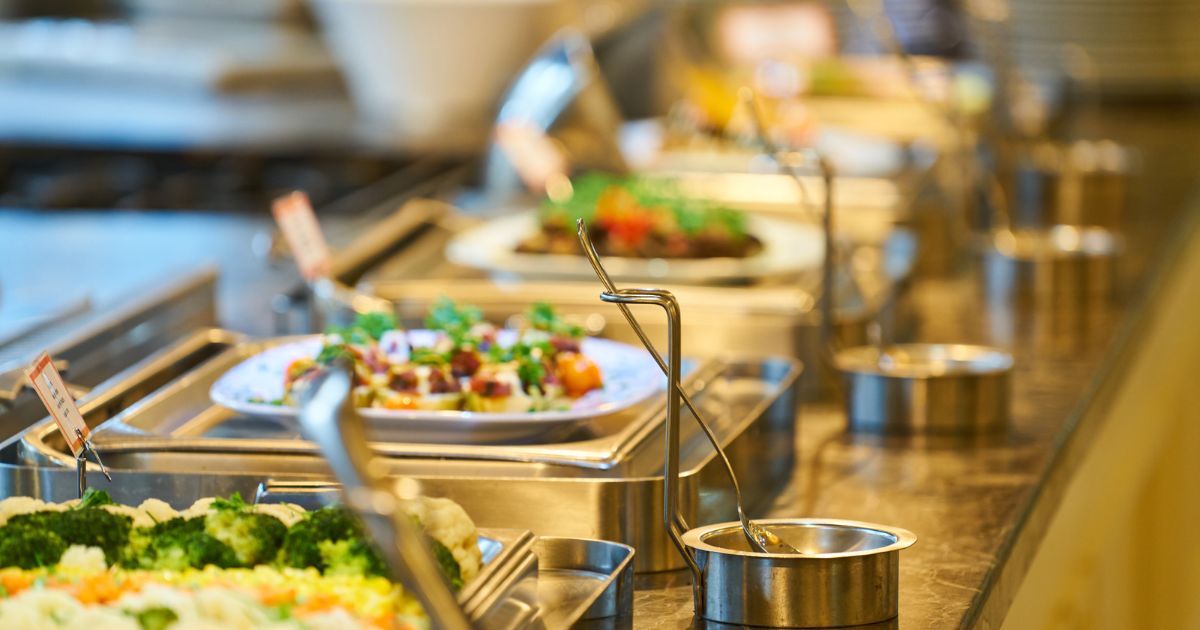
Not everyone wants to cook every meal, nor does everyone want to pay top dollar for an all-inclusive resort. Half board serves as an excellent middle ground:
- People Who Want a Good Deal but Don’t Want to Self-Cater Completely: If you appreciate the comfort of hotel services and a prepared meal but find full board too expensive or restrictive, half board is ideal. It offers a degree of luxury and convenience without breaking the bank, providing excellent value for money.
- Couples on a Romantic Getaway: For couples seeking a blend of intimate hotel dining and romantic culinary explorations, half board is perfect. They can enjoy leisurely breakfasts together, venture out for a charming lunch date, and then reconvene for a relaxing dinner at the hotel.
- Business Travelers on Leisure Extensions: A common trend involves adding a few leisure days to a business trip. Half board works well here, as business meals are often covered separately during the work portion, and the leisure extension can benefit from the flexibility to explore without being tied to a full meal plan.
Specific Destinations and Trip Types
Certain destinations and holiday types are inherently better suited for half board:
- City Breaks: In vibrant cities teeming with restaurants, street food vendors, and cafes, paying for hotel lunches can be a missed opportunity. Half board in cities like London, Paris, or Tokyo allows you to fully immerse yourself in the urban culinary scene.
- Beach Holidays Where One Might Picnic or Grab Light Lunches: While some beach resorts offer fantastic full board options, many beachgoers prefer lighter fare for lunch—a fresh salad, a seafood wrap from a beachside shack, or a simple picnic. Half board accommodates this preference perfectly.
- Ski Holidays: On the slopes, lunch is almost always taken at a mountain restaurant or hut. Opting for half board on a ski trip makes perfect sense, as you’re rarely at the hotel during lunchtime.
Common Misconceptions and Important Considerations
While half board offers many advantages, travelers should be aware of a few key details to avoid surprises and maximize their experience. Understanding these nuances ensures a smoother, more enjoyable trip.
Drinks are Usually Extra
This is perhaps the most frequent point of misunderstanding for guests booking half board:
- Clarify That Even Water Often Costs Money at Dinner: Unlike some all-inclusive packages, where drinks are part of the deal, half board almost universally means that beverages, even basic water, juice, or coffee, are not included with dinner. You will be presented with a bill for these items.
- Emphasize Checking Policies: Always confirm the hotel’s specific drink policy upon booking or arrival. Some hotels might offer a welcome drink, or have specific packages that include a glass of wine with dinner, but these are exceptions rather than the norm. Budgeting for drinks is an important part of your overall travel expenses.
Meal Times and Restaurant Options
The dining experience within a half board package comes with its own set of structures:
- Fixed Meal Times: Hotels typically operate on fixed schedules for breakfast and dinner. While breakfast usually has a generous window, dinner might be more rigid. Missing these designated times usually means forfeiting the meal, as hotels are generally not obliged to offer alternatives or refunds for missed meals.
- Limited Choice of Restaurants Within the Hotel: In many half board hotels, especially mid-range ones, dinner might be served in one main buffet restaurant. While larger resorts might have multiple dining venues, the half board package often restricts you to a specific one, or offers limited options in others. This can sometimes lead to a feeling of repetition if staying for an extended period.
- Booking Requirements for À La Carte Options: If your hotel does offer a credit towards an à la carte restaurant as part of its half board, it’s almost always advisable, and often mandatory, to make reservations in advance. These restaurants tend to be more popular and have limited seating.
Flexibility vs. Structure
Half board is about balance, but it’s important to understand where that balance lies for you personally:
- Understand the Balance Between Freedom and Scheduled Meals: While half board grants lunchtime freedom, it does impose a structure on your mornings and evenings. If you are someone who prefers extreme spontaneity for all meals, even breakfast and dinner, then half board might feel slightly restrictive.
- Not Ideal for Those Who Prefer Extreme Spontaneity for All Meals: Travelers who thrive on absolute flexibility—deciding where and when to eat on a whim for every single meal—might find themselves slightly constrained by the fixed dinner times. For them, a Bed & Breakfast or even room-only option might be more suitable, allowing for complete culinary autonomy throughout the day.
Booking Your Half Board Stay: Tips and Tricks
Making the most of your half board experience starts with smart planning and booking. A little research and attention to detail can significantly enhance your trip.
Researching Hotels and Menus
Before committing to a half board package, delve into the details of the hotel’s dining offerings:
- Check Hotel Reviews for Food Quality: Online review platforms (like TripAdvisor or Google Reviews) are invaluable. Look for specific comments about the quality and variety of the breakfast and dinner buffets or set menus. A hotel might be beautiful, but if the food is consistently criticized, it could detract from your half board experience.
- Look at Sample Menus Online: Many hotels, especially those catering to international guests, will publish sample menus for their restaurants online. This gives you a preview of the culinary style, variety, and whether it caters to your dietary preferences or restrictions.
- Consider Dietary Restrictions: If you have allergies, dietary requirements (vegetarian, vegan, gluten-free), or specific preferences, it is absolutely essential to check if the hotel can accommodate them within their half board offering. Contacting the hotel directly beforehand can save a lot of hassle during your stay.
Location Matters
The immediate surroundings of your hotel play a crucial role in maximizing the half board benefits:
- Proximity to Lunch Options and Attractions: Since you’ll be eating lunch outside the hotel, choose accommodation that is conveniently located near various restaurants, cafes, or street food vendors. Also, consider its proximity to the main attractions you plan to visit, reducing travel time and maximizing your exploration. A hotel in the heart of Vatican City is different from one on the outskirts.
- Ease of Access to Public Transport: Even if your hotel isn’t in the absolute center, good public transport links can make all the difference. This allows you to easily venture out for lunch and return for dinner without excessive travel costs or time.
Comparing Rates and Packages
Always perform a thorough comparison to ensure you’re getting the best deal:
- Use Booking Platforms: Utilize reputable online travel agencies (OTAs) and the hotel’s official website to compare half board rates. Sometimes, the hotel’s direct booking site offers exclusive deals or added perks.
- Compare Half Board with B&B and Full Board: Do a quick cost analysis. Calculate how much you anticipate spending on lunches if you chose B&B, and compare that to the price difference for half board. Similarly, consider if the price jump to full board is truly worth it based on your planned activities. For a quiet, relaxing resort stay where you don’t plan to leave much, full board might be more economical. For an active, exploring holiday, half board or even B&B might win out.
- Look for Special Offers: Hotels often run promotions, especially during off-peak seasons. Keep an eye out for packages that include half board, or offer discounts for longer stays. Subscribing to hotel newsletters can often provide early access to these deals.
In conclusion, a half board hotel offers a compelling and flexible accommodation solution that caters to a wide spectrum of travelers. It’s an ideal choice for those who seek the comfort and convenience of hotel dining for breakfast and dinner, coupled with the exciting freedom to explore the local culinary scene and cultural offerings during the midday. By understanding what’s included, recognizing its advantages, knowing who it best serves, and considering practical tips for booking, you can confidently choose a half board stay that perfectly complements your travel style, enriching your journey with both planned meals and delightful spontaneous discoveries. It’s an invitation to savor the best of both worlds – the secure comfort of your hotel and the vibrant authenticity of your chosen destination.
LifeOutOfTheBox is a participant in the Amazon Services LLC Associates Program, an affiliate advertising program designed to provide a means for sites to earn advertising fees by advertising and linking to Amazon.com. Amazon, the Amazon logo, AmazonSupply, and the AmazonSupply logo are trademarks of Amazon.com, Inc. or its affiliates. As an Amazon Associate we earn affiliate commissions from qualifying purchases.