
Understanding the legal landscape surrounding personal relationships and interactions is crucial for anyone visiting or residing in a particular jurisdiction. This is especially true when it comes to the age of consent, a fundamental aspect of law that protects individuals and defines the boundaries of consensual sexual activity. In the state of Nevada, like all other U.S. states, a specific age of consent is established by law. This article aims to provide a clear and comprehensive overview of Nevada’s age of consent laws, offering insights into their implications and the legal framework within which they operate. While this topic is primarily a legal one, its understanding is indirectly relevant to broader discussions of safety, personal well-being, and responsible engagement within any society, including the vibrant and diverse communities found across Nevada.
Understanding the Legal Framework of Consent in Nevada
The age of consent is the minimum age at which an individual is considered legally capable of consenting to sexual activity. In Nevada, this age is a critical threshold that, when crossed, distinguishes between lawful and unlawful sexual conduct. The concept of consent is rooted in the principle of autonomy – the right of individuals to make their own decisions regarding their bodies and relationships. Laws surrounding the age of consent are designed to protect minors from sexual exploitation and abuse.
The Specific Age of Consent in Nevada
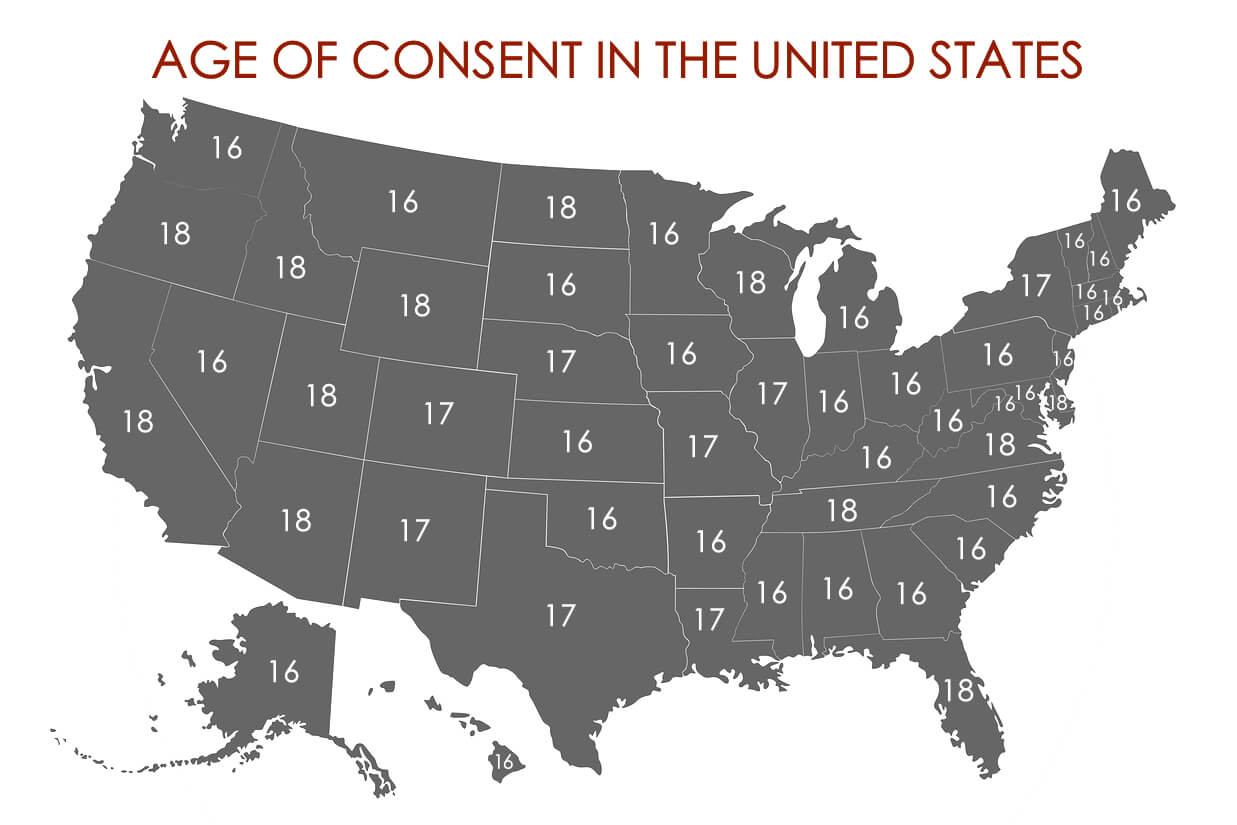
In the state of Nevada, the age of consent is set at 16 years old. This means that for any sexual activity to be considered legal, both individuals involved must be 16 years of age or older, and they must both freely and voluntarily consent to the activity. This applies universally, regardless of marital status or other circumstances, with specific exceptions and nuances to be explored.
Implications of Age Differences: The “Romeo and Juliet” Laws
While the general age of consent in Nevada is 16, the law recognizes that relationships can exist between individuals with age differences where one party is close to the age of consent. To address this, Nevada has what are often referred to as “Romeo and Juliet” laws, or more formally, exceptions based on age proximity. These exceptions generally apply when the age difference between the consenting individuals is relatively small, and the older party is not significantly older or in a position of authority.
Specifically, in Nevada, if an individual is 18 years old or older, they can engage in sexual activity with a person who is 16 or 17 years old, provided that the age difference between them is no more than two years. This exception is designed to avoid criminalizing relationships between individuals who are close in age and who are both approaching adulthood. However, it is crucial to understand that this exception only applies if the older party is not more than two years older than the younger party. If the age difference exceeds two years, or if the older party is under 18, then engaging in sexual activity with someone under 16 would be a violation of the law, regardless of consent.
It is important to note that even with these exceptions, the principle of voluntary consent remains paramount. The age of consent laws in Nevada are designed to protect individuals, particularly minors, from exploitation. Therefore, any situation involving coercion, force, or deception will render the “consent” invalid, even if both parties meet the age requirements.
Navigating Legal Nuances and Related Offenses
Understanding the age of consent is foundational, but it is equally important to be aware of related legal offenses that can arise in Nevada concerning sexual activity involving minors. These laws are in place to provide a comprehensive shield against various forms of sexual misconduct.
Statutory Rape and Its Degrees
In Nevada, sexual activity with a person under the age of consent is classified as statutory rape. The severity of the offense and the corresponding penalties can vary depending on the age of the victim and the age of the perpetrator.
- Third Degree Statutory Rape: This typically occurs when an individual who is 18 years of age or older engages in sexual intercourse with a person who is 16 or 17 years old, and the age difference is greater than two years. This is considered a felony in Nevada and carries significant penalties, including imprisonment and fines.
- Second Degree Statutory Rape: This offense is generally more serious and involves sexual intercourse with a person under the age of 16. The penalties for second-degree statutory rape are more severe than for third-degree statutory rape, reflecting the increased vulnerability of younger victims.
- First Degree Statutory Rape: This is the most serious form of statutory rape and usually involves acts with a child under the age of 14, or cases involving aggravating factors such as force or coercion. The penalties are the most stringent, aiming to deter the gravest forms of sexual offenses against children.

The specific definitions and penalties for each degree are detailed within Nevada Revised Statutes (NRS). Ignorance of the law is generally not a valid defense, making it imperative for individuals to be fully informed.
Age of Consent and Marriage Laws
The age of consent laws in Nevada are distinct from, yet related to, marriage laws. While the general age of consent for sexual activity is 16, individuals seeking to marry have different age requirements.
- Marriage Without Parental Consent: In Nevada, individuals must be 18 years of age or older to marry without the consent of their parents or guardians.
- Marriage With Parental Consent: Minors who are 16 or 17 years old can marry in Nevada, but only with the written consent of their parents or legal guardians. In some circumstances, a court may also need to grant permission.
It is important to understand that marriage does not automatically negate the age of consent laws. Even if a minor is married, engaging in sexual activity with someone who is significantly older and outside the permissible age difference exceptions could still constitute a crime. The legal age of consent for sexual activity remains the primary determinant of lawful sexual conduct.
Legal Protections and Reporting Mechanisms
The legal framework surrounding the age of consent in Nevada is supported by robust protective measures and clear reporting mechanisms designed to ensure justice and safety for all individuals.
Protecting Minors and Vulnerable Individuals
Nevada’s laws are designed to offer comprehensive protection to minors and other vulnerable populations. The age of consent laws are a cornerstone of this protection, criminalizing sexual contact with individuals who have not yet reached the legal age to consent. Beyond the age of consent, Nevada also has laws against child abuse, child neglect, and exploitation, which provide additional layers of safety. Law enforcement agencies and child protective services work collaboratively to investigate allegations and ensure the well-being of children and adolescents.
Reporting Suspected Abuse or Exploitation
If an individual suspects that a minor or another vulnerable person is being subjected to sexual abuse or exploitation, it is crucial to report these concerns. Nevada has established channels for reporting such incidents to ensure timely intervention and support.
- Child Protective Services: In cases involving minors, the primary reporting agency is Child Protective Services (CPS). Reports can be made to the local CPS office or through a statewide hotline.
- Law Enforcement: For immediate threats or ongoing crimes, contacting local law enforcement, such as the Las Vegas Metropolitan Police Department or county sheriff’s offices, is essential.
- National Resources: Organizations like the National Sexual Assault Hotline (RAINN) offer confidential support and resources for victims and those who wish to report incidents.
These reporting mechanisms are vital for holding offenders accountable and providing crucial support to victims. The state of Nevada is committed to creating a safe environment for all its residents and visitors, and understanding and adhering to the age of consent laws is a significant part of that collective responsibility.
Conclusion: Upholding Consent and Legal Standards
The age of consent in Nevada is a clear legal standard, set at 16 years old, with specific exceptions for age proximity. These laws are not merely technicalities; they are fundamental safeguards designed to protect individuals, particularly minors, from exploitation and to uphold the principle of voluntary consent in all personal interactions. Whether you are a resident of Nevada, planning a visit to its famous attractions like the Bellagio Fountains or the Hoover Dam, or engaging with the local culture in cities like Reno, understanding these legal boundaries is paramount. Upholding these standards ensures that all individuals can engage in relationships and activities with the assurance of legal protection and respect for personal autonomy. Awareness and adherence to Nevada’s age of consent laws contribute to a safer and more responsible society for everyone.
LifeOutOfTheBox is a participant in the Amazon Services LLC Associates Program, an affiliate advertising program designed to provide a means for sites to earn advertising fees by advertising and linking to Amazon.com. Amazon, the Amazon logo, AmazonSupply, and the AmazonSupply logo are trademarks of Amazon.com, Inc. or its affiliates. As an Amazon Associate we earn affiliate commissions from qualifying purchases.