
The chilling saga of the Overlook Hotel in Stanley Kubrick’s seminal horror film, The Shining, has haunted the imaginations of audiences for decades. Its isolated grandeur, labyrinthine corridors, and unsettling aura are as much a character in the film as Jack Torrance himself. But the question that often lingers long after the credits roll is: “Did the Overlook Hotel really exist?”
The answer, like the film itself, is complex, weaving together real-world locations, a novelist’s terrifying experience, and the meticulous artistry of filmmaking. While the Overlook Hotel as depicted in the movie is a masterful studio creation, its roots are firmly planted in several magnificent and historically rich hotels across the United States, each contributing a unique element to its iconic and terrifying persona. For travel enthusiasts and film buffs alike, exploring these inspirations offers a fascinating journey into the intersection of cinema and some of America’s most remarkable destinations.

Unraveling the Mystery of the Overlook Hotel’s Origins
To understand the true genesis of the Overlook Hotel, we must delve into two primary sources of inspiration: the exterior shots that graced the silver screen and the real-life hotel encounter that inspired Stephen King’s original novel. These locations, distinct yet interconnected through their shared legacy with The Shining, offer distinct travel experiences, ranging from high-altitude adventure to historical hauntings.
The Iconic Exterior: Timberline Lodge
The most recognizable face of the Overlook Hotel for film fans is undoubtedly the Timberline Lodge. This magnificent hotel, perched majestically on the southern flank of Mount Hood in Oregon, served as the exterior of the fictional hotel in Stanley Kubrick’s film. Its imposing stone and timber facade, set against the dramatic backdrop of the Cascade Range, immediately conveys a sense of isolation and grandeur perfectly suited to the film’s chilling narrative.
The Timberline Lodge is more than just a film set; it’s a National Historic Landmark with a rich history. Constructed between 1936 and 1938 as a Works Progress Administration (WPA) project during the Great Depression, the lodge stands as a testament to American craftsmanship and resilience. Hundreds of artisans, many of whom were unemployed, meticulously built the lodge using local materials, showcasing stunning examples of rustic architecture, hand-carved woodwork, and intricate stonework. Its purpose was to provide recreational opportunities and serve as a symbol of economic recovery, attracting tourists to the pristine wilderness of Mount Hood.
Today, the Timberline Lodge continues to operate as a fully functional ski lodge and hotel, drawing visitors from around the globe. Its unique blend of historical significance, architectural beauty, and cinematic fame makes it a prime destination for various types of travelers. Skiers and snowboarders flock to its slopes in winter, enjoying one of the longest ski seasons in North America. In warmer months, hikers and mountaineers explore the vast network of trails, including portions of the Pacific Crest Trail, which winds through the breathtaking scenery surrounding the lodge.
For film buffs, a stay at the Timberline Lodge offers a tangible connection to The Shining. While the interior shots of the film were not filmed here (a request by the lodge’s management to avoid associating a specific room with the film’s horrors led to the infamous Room 237 being changed from the book’s Room 217), visitors can still walk the same grounds where the Overlook Hotel came to life on screen. The imposing exterior, the entrance to the lodge, and the surrounding snowy landscapes seen in the film’s famous opening sequence are all instantly recognizable. The lodge has embraced its cinematic fame, often displaying memorabilia and information about its role in the movie, though always with a good-natured nod to the fact that it’s a family-friendly resort, not a haunted house.
The Author’s Inspiration: The Stanley Hotel
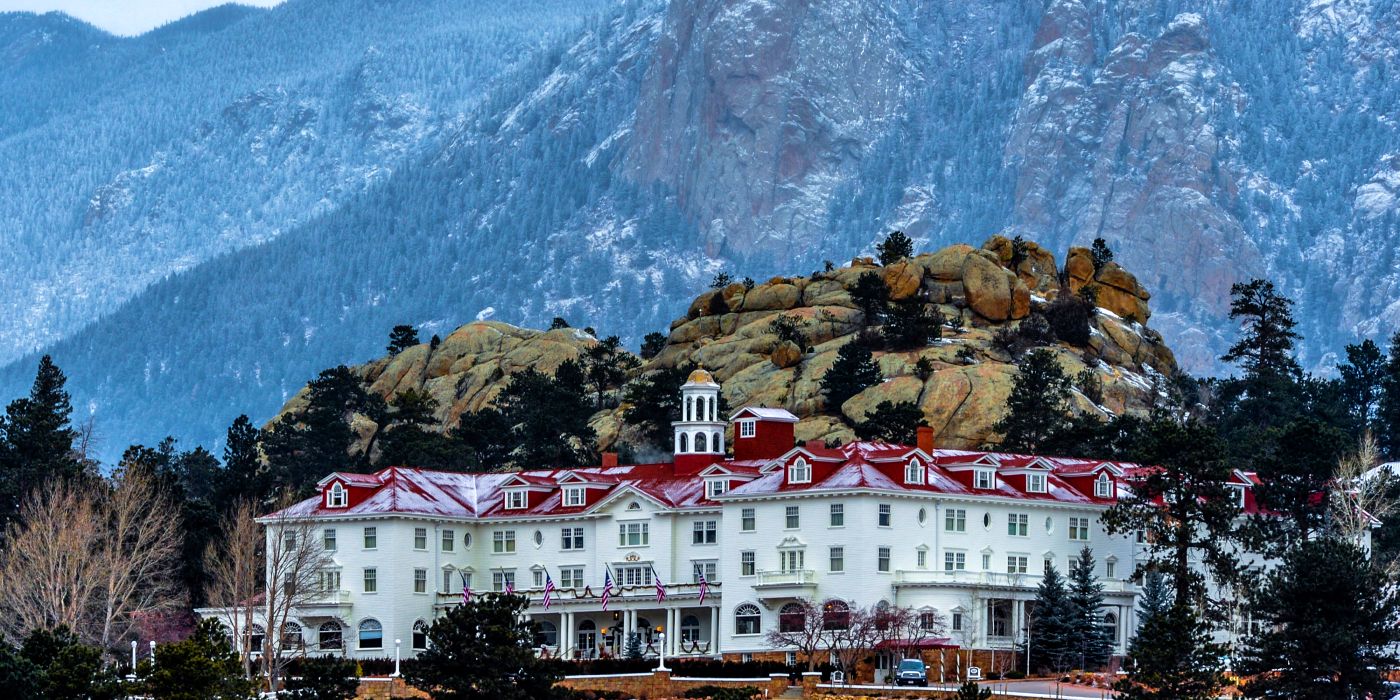
While the Timberline Lodge provided the visual blueprint for the Overlook Hotel’s exterior, the true genesis of the terrifying story lies with Stephen King’s personal experience at The Stanley Hotel in Estes Park, Colorado. In 1974, King and his wife checked into The Stanley Hotel just as it was closing for the winter season. They were the only overnight guests, experiencing an eerie isolation that would prove to be the perfect fertile ground for his imagination. Staying in Room 217 (the notorious room number from the novel), King later recounted a vivid nightmare involving his son being chased by a fire hose through the hotel’s corridors—a dream that famously sparked the concept for The Shining.
The Stanley Hotel itself boasts a fascinating history, predating King’s fateful stay by several decades. Built by inventor F.O. Stanley (of Stanley Steamer fame) in 1909, the hotel was envisioned as a luxurious resort for wealthy Easterners suffering from tuberculosis, offering them the clean mountain air of the Rocky Mountains. Its grand Colonial Revival architecture, set against the breathtaking backdrop of Estes Park and the peaks of the national park, exudes an old-world charm and elegance.
However, beyond its historical significance and architectural beauty, The Stanley Hotel is perhaps most famous for its reputation as one of America’s most haunted hotels. Guests and staff have reported numerous paranormal occurrences over the years, from disembodied voices and objects moving on their own to apparitions of F.O. Stanley and his wife. This pre-existing haunted lore undoubtedly amplified King’s experience and solidified the hotel’s place in supernatural legend.

Today, The Stanley Hotel capitalizes on its dual fame—as Stephen King’s inspiration and a hub of paranormal activity. It offers a range of accommodations, from historic rooms to modern suites, catering to luxury travelers, history buffs, and ghost hunters alike. The hotel hosts popular ghost tours, allowing visitors to explore its most reportedly active areas, including the famous Room 217. It has become a significant tourist attraction in Estes Park, drawing countless visitors eager to experience a piece of literary and supernatural history. Moreover, it served as the primary filming location for the 1997 television miniseries adaptation of The Shining, a project Stephen King was more directly involved with, fulfilling his vision for the Overlook Hotel that diverged from Kubrick’s film.
Crafting the Chilling Interiors: Studio Magic
While the exterior of the Overlook Hotel was found in Oregon and the literary inspiration in Colorado, the terrifying interiors that became so emblematic of The Shining were meticulously constructed on soundstages. Stanley Kubrick, known for his perfectionism and control, chose to build elaborate sets at Elstree Studios in England rather than film in existing hotel interiors. This decision allowed him complete artistic freedom to design spaces that were not just visually stunning but also psychologically unsettling, perfectly tailored to the film’s narrative.
Architectural Echoes and Design Inspirations
Kubrick’s team, led by production designer Roy Walker, drew inspiration from various sources to create the Overlook Hotel’s distinct interior aesthetic. One notable influence was the Ahwahnee Hotel (now known as the Majestic Yosemite Hotel) located in Yosemite National Park, California. The Ahwahnee, a grand hotel celebrated for its rustic elegance and monumental scale, contributed elements like its soaring lobbies, Native American-inspired patterns, and intricate woodwork to the Overlook sets. The imposing fireplace in the Overlook Hotel’s Gold Room, for instance, bears a striking resemblance to the one found in the Ahwahnee’s great lounge.
Other luxury hotels and resorts of the era also provided inspiration, contributing to the Overlook Hotel’s opulent yet slightly dated feel. The famous hexagonal carpet pattern, which became a character in itself, was not directly copied from a single source but was a bespoke design, carefully chosen for its disorienting effect and visual rhythm throughout the hotel’s expansive corridors. The sheer size and intricate details of the sets—from the vastness of the Colorado Lounge to the unnerving symmetry of the hallways—were all crafted to evoke a sense of unease, claustrophobia, and eventually, madness. This meticulous attention to detail in set design highlights Kubrick’s vision for the hotel as an active participant in the horror, subtly manipulating the perception and sanity of its inhabitants.
Beyond the specific architectural elements, the studio sets provided a practical advantage for Kubrick’s lengthy and complex shooting schedule, especially for tracking shots through the hotel with his then-revolutionary Steadicam. This allowed him to create the iconic, gliding perspectives that heighten the film’s sense of dread and exploration, something that would have been logistically impossible in a real, operational hotel.
Beyond the Screen: Visiting The Shining’s Real-World Haunts
For those captivated by the mystique of The Shining and keen to immerse themselves in its real-world inspirations, a journey to these historical and cinematic landmarks offers an unforgettable travel experience. Each location provides a different facet of the Overlook Hotel’s legacy, blending natural beauty with human-made marvels and a touch of the supernatural.
A Legacy of Mystery and Tourism
The Timberline Lodge on Mount Hood, Oregon: For travelers seeking adventure, stunning natural scenery, and a connection to film history, the Timberline Lodge is a must-visit. Its majestic location offers year-round outdoor activities, including skiing, snowboarding, hiking, and mountaineering. Accommodations range from cozy standard rooms to deluxe suites, providing a comfortable base for exploring the Mount Hood National Forest. While you won’t find the exact interiors of the Overlook Hotel here, simply standing before its iconic facade, instantly recognizable from the film, is a powerful experience. It’s a testament to the enduring power of architecture and landscape in cinema. The lodge also serves as a beautiful backdrop for family vacations, offering a blend of historical charm and modern amenities in a breathtaking natural setting.
The Stanley Hotel in Estes Park, Colorado: If your interest leans more towards the paranormal, literary history, and a touch of luxury, The Stanley Hotel is your destination. Situated at the gateway to Rocky Mountain National Park, it combines historical elegance with its famously haunted reputation. Guests can choose to stay in various themed rooms, including those rumored to be particularly active with spirits. The hotel offers daily history and ghost tours, appealing to those interested in its past and its spectral residents. This makes for a unique tourism experience, blending local culture, historical insights, and spine-tingling activities. Dining options range from fine dining to casual fare, ensuring a well-rounded stay. It’s a perfect destination for intrepid travelers, Stephen King fans, and those seeking a unique accommodation experience.
The Majestic Yosemite Hotel (formerly Ahwahnee Hotel) in Yosemite National Park, California: For those keen on exploring the architectural inspirations, a visit to the Majestic Yosemite Hotel offers a glimpse into the grandeur that influenced Kubrick’s interior sets. This historic hotel, nestled within the unparalleled beauty of Yosemite Valley, is an experience in itself. Its magnificent interiors, grand public spaces, and stunning views of landmarks like Half Dome provide a luxurious and historically rich stay. While not directly featured in the film, recognizing elements that informed the Overlook Hotel’s design provides a fascinating layer to your travel experience in one of America’s most cherished national parks. It exemplifies luxury travel within a wild, natural setting.
Furthermore, it’s worth noting that the stunning opening shots of The Shining, showcasing the aerial views of the Torrance family’s car winding through mountains, were filmed along the Going-to-the-Sun Road in Glacier National Park, Montana. This iconic road, celebrated for its engineering marvel and breathtaking vistas, adds another incredible natural landmark to the film’s geographical tapestry. Visiting Glacier National Park offers an opportunity to traverse some of the same incredible landscapes that set the stage for the Overlook Hotel’s isolation.
In conclusion, the legendary Overlook Hotel from The Shining is not a singular, existing entity but a magnificent tapestry woven from real-world locations, literary inspiration, and cinematic artistry. From the imposing facade of the Timberline Lodge to the haunted halls of The Stanley Hotel, and the architectural grandeur influencing its studio sets, each piece contributes to the enduring power of this fictional landmark. For travelers and film enthusiasts, these destinations offer a unique opportunity to step into the world of The Shining, experiencing the chilling beauty and historical depth that inspired one of cinema’s most iconic hotels. Whether you seek outdoor adventure, paranormal encounters, or simply a deep dive into film history, these real-world haunts promise a travel experience as memorable as the movie itself.
LifeOutOfTheBox is a participant in the Amazon Services LLC Associates Program, an affiliate advertising program designed to provide a means for sites to earn advertising fees by advertising and linking to Amazon.com. Amazon, the Amazon logo, AmazonSupply, and the AmazonSupply logo are trademarks of Amazon.com, Inc. or its affiliates. As an Amazon Associate we earn affiliate commissions from qualifying purchases.