
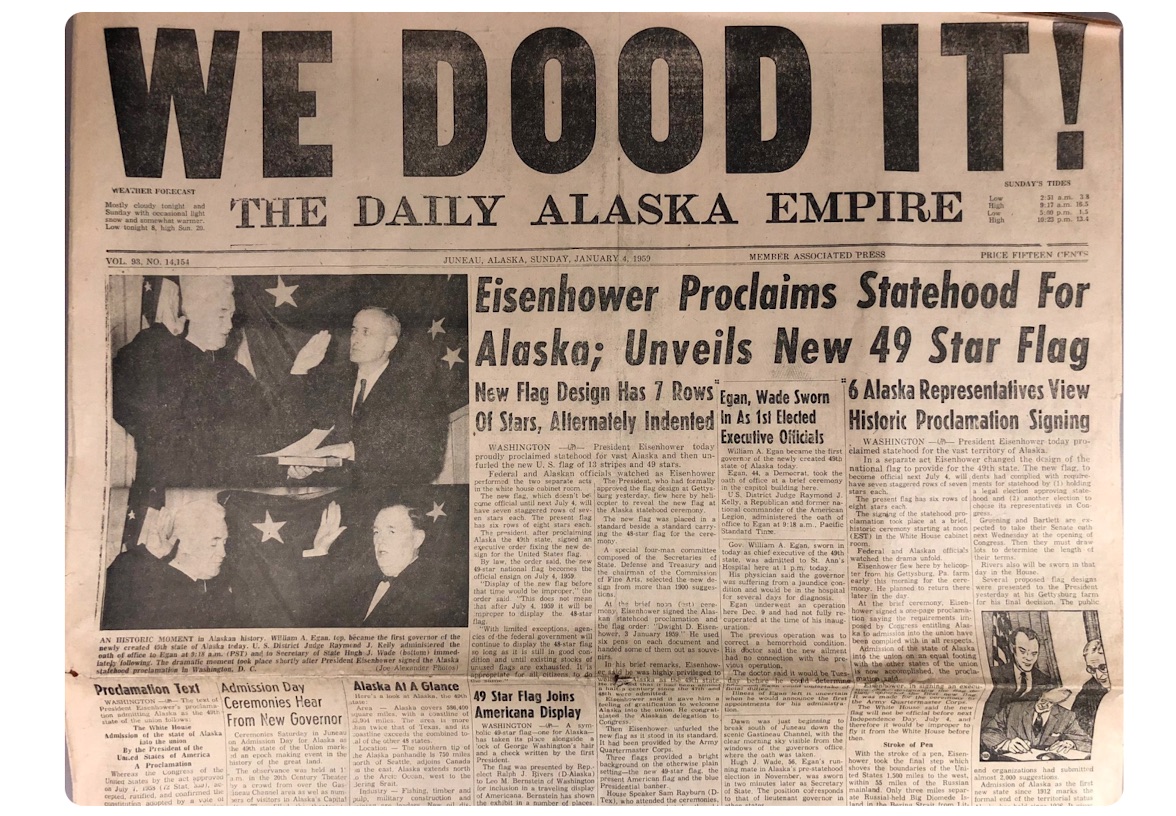
The mid-20th century marked a pivotal moment in United States history, as the nation expanded its borders to officially welcome two incredibly unique and geographically disparate territories: Alaska and Hawaii. These two states, often referred to as America’s “Last Frontier” and “Paradise,” respectively, joined the Union in 1959, adding distinct cultural, historical, and natural dimensions to the country. Alaska was admitted as the 49th state on January 3, 1959, followed swiftly by Hawaii as the 50th state on August 21, 1959. This dual admission transformed the American map, extending its reach into the Arctic Circle and deep into the Pacific Ocean, forever changing the landscape of American identity and, crucially, opening up these breathtaking destinations to a new era of travel and tourism.
Beyond the historical dates, understanding the journeys of Alaska and Hawaii to statehood provides invaluable context for appreciating their unique appeals as travel destinations. Their pasts shaped their cultures, their landscapes, and the very experiences that draw millions of visitors annually. From the rugged wilderness and indigenous heritage of Alaska to the volcanic islands, vibrant Polynesian traditions, and pristine beaches of Hawaii, these states represent the pinnacle of natural beauty and diverse cultural immersion, offering a lifetime of exploration for any traveler.
Alaska’s Journey to Statehood: The Last Frontier’s Enduring Appeal
Alaska’s path to becoming the 49th state was a long and arduous one, reflecting its vastness, remote location, and extraordinary natural resources. Its story is one of exploration, acquisition, and a relentless spirit of independence. Today, this rich history underpins its identity as a premier destination for adventure seekers and nature enthusiasts, boasting unparalleled wilderness and unique cultural experiences.
From Russian America to the 49th State
The history of Alaska as part of the United States began not with a war, but with a transaction. Previously known as Russian America, the territory was acquired from Russia in 1867 through the Alaska Purchase for $7.2 million, an act initially mocked by critics as “Seward’s Folly” after Secretary of State William H. Seward. For decades, the region remained largely undeveloped, a sparsely populated district with little direct governance. However, the late 19th and early 20th centuries saw significant growth, fueled by the Klondike Gold Rush and subsequent discoveries of oil and other natural resources. These booms attracted a diverse population, sparking calls for greater self-governance.
The strategic importance of Alaska became undeniable during World War II, particularly after the Japanese invasion of the Aleutian Islands. This conflict highlighted the territory’s vulnerability and the need for stronger infrastructure and political representation. Following the war, momentum for statehood grew rapidly, driven by desires for political equality, economic development, and self-determination. Despite initial congressional resistance, primarily due to concerns about Alaska’s small population and perceived economic viability, the Alaska Statehood Act was finally passed by Congress in 1958 and signed into law by President Dwight D. Eisenhower. On January 3, 1959, Alaska officially became the 49th state, embarking on a new chapter as a full member of the United States.
Experiencing Alaska: A Wilderness and Cultural Odyssey
Statehood provided the stability and infrastructure necessary to truly open up Alaska to the world. Today, it stands as a bucket-list destination, a place where the wild reigns supreme and adventure awaits at every turn. From the majestic peaks of Denali National Park (home to Denali, North America’s highest mountain) to the intricate waterways of the Inside Passage, Alaska offers a plethora of attractions and experiences.
Travelers can explore vibrant cities like Anchorage, the state’s largest city and a hub for arts and culture, or discover the charm of the capital, Juneau, accessible only by air or sea. Fairbanks, located near the Arctic Circle, is renowned as one of the best places on Earth to witness the ethereal Northern Lights dancing across the winter sky. Beyond the urban centers, the true magic of Alaska lies in its natural wonders. Visitors can embark on scenic drives along the Seward Highway, leading to picturesque towns like Seward and the stunning Kenai Fjords National Park, where glaciers calve into the ocean and diverse marine wildlife thrives. Glacier Bay National Park offers another spectacular display of glacial power and pristine wilderness.
Accommodation options in Alaska range from luxurious wilderness lodges that offer unparalleled access to nature, such as the Alyeska Resort in Girdwood with its ski slopes and spa, to cozy bed and breakfasts in quaint towns like Talkeetna or unique experiences like Chena Hot Springs Resort near Fairbanks. Cruising the Inside Passage remains one of the most popular ways to experience Alaska’s coastal grandeur, offering opportunities to spot whales, bears, and eagles while visiting charming port towns like Ketchikan, Sitka, and marvel at natural landmarks like Mendenhall Glacier. Whether you’re interested in dog sledding, fishing, hiking, or simply soaking in the silence of vast untouched landscapes, Alaska promises an unforgettable adventure that truly embodies the spirit of the “Last Frontier.”
Hawaii’s Path to Paradise: The Aloha State’s Transformation
While Alaska represents the raw power of the wilderness, Hawaii embodies the enchanting allure of tropical paradise. Its journey to statehood was equally complex, marked by a rich indigenous history, colonial influence, and profound cultural shifts. Today, these islands are not just a travel destination but a vibrant testament to resilience, beauty, and the enduring spirit of Aloha.
A Rich and Complex History Leading to the 50th State
The Hawaiian Islands, formed by volcanic activity, were first settled by Polynesians sailing across the Pacific Ocean centuries ago, establishing a thriving and complex society. The arrival of Captain James Cook in 1778 marked the beginning of significant contact with the Western world, eventually leading to the unification of the islands under King Kamehameha I to form the Kingdom of Hawaii. For much of the 19th century, Hawaii maintained its independence, a sovereign nation with its own monarchy and international relations.
However, growing American business interests, particularly in the sugar and pineapple industries, exerted increasing political influence. This culminated in the overthrow of Queen Liliʻuokalani in 1893 by American and European businessmen, supported by the U.S. Marines. This led to the establishment of the Republic of Hawaii, which then sought annexation by the United States. In 1898, Hawaii was formally annexed as a U.S. territory. For over half a century, Hawaii operated under the Organic Act of 1900, administered by the federal government, albeit with limited self-governance.
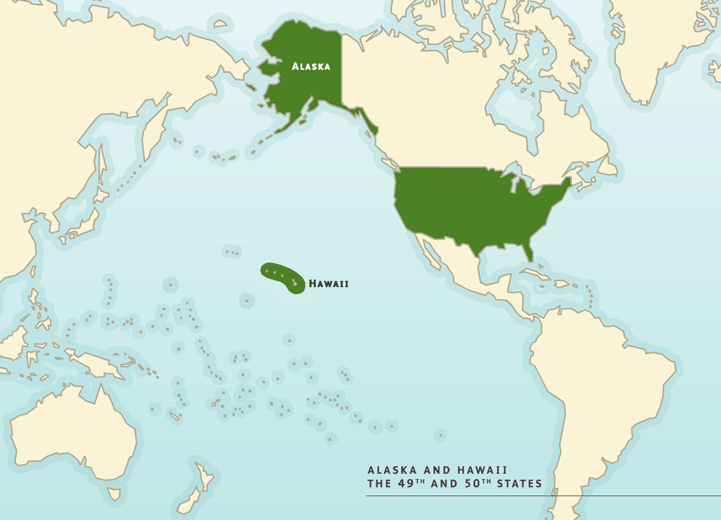
The attack on Pearl Harbor in 1941, which thrust the United States into World War II, underscored Hawaii’s crucial strategic importance. Post-war, the argument for statehood gained undeniable traction, advocating for full democratic rights and representation for its diverse population. After decades of petitions, debates, and a critical Dillingham Commission report endorsing statehood, the Hawaii Admission Act was passed by Congress in March 1959. A plebiscite held in Hawaii showed overwhelming public support, and on August 21, 1959, Hawaii proudly became the 50th state of the United States, forever known as the “Aloha State.”
The Allure of Hawaii: Island Hopping and Cultural Immersion
With statehood, Hawaii solidified its status as a top-tier global travel destination. The ease of access for American citizens, combined with significant investment in infrastructure, hotels, and tourism services, transformed the islands into the iconic paradise we know today. Each of Hawaii’s main islands offers a distinct flavor and a wealth of experiences.
Oahu: Often called “The Gathering Place,” Oahu is home to the bustling capital city of Honolulu and the world-famous Waikiki Beach. Here, visitors can immerse themselves in history at Pearl Harbor and the USS Arizona Memorial, explore the regal halls of Iolani Palace, the only official residence of royalty in the United States, or catch a wave where legendary surfer Duke Kahanamoku once rode. Luxury resorts like the Hilton Hawaiian Village Waikiki Beach Resort offer a blend of comfort and convenience.
Maui: Known as “The Valley Isle,” Maui is celebrated for its stunning beaches, lush landscapes, and the scenic Road to Hana. Watching the sunrise from the summit of Haleakala National Park’s dormant volcano is a spiritual experience. The upscale town of Lahaina, once a whaling village, now teems with art galleries and fine dining. Resorts like The Ritz-Carlton, Kapalua offer world-class amenities and breathtaking ocean views.
Kauai: “The Garden Isle” is a haven for nature lovers, famed for its dramatic cliffs of the Na Pali Coast, verdant rainforests, and the awe-inspiring Waimea Canyon, often called the “Grand Canyon of the Pacific.” Activities here focus on hiking, kayaking, and exploring unspoiled natural beauty, with charming towns like Koloa offering a glimpse into old Hawaii.
Big Island (Hawaii Island): The largest island, the Big Island, is home to Hawaii Volcanoes National Park, where visitors can witness active volcanoes like Kilauea and marvel at ongoing geological creation. From the black sand beaches of Punalu’u to the snow-capped summit of Mauna Kea, the Big Island offers unparalleled ecological diversity. The towns of Hilo and Kona provide different atmospheres, with Kona known for its coffee farms and sunny beaches.
Beyond these, the smaller islands of Molokai and Lanai offer quieter, more secluded experiences, focusing on cultural preservation and luxury escapes, respectively. Throughout Hawaii, visitors can indulge in local food, attend a traditional luau, learn to surf, snorkel in vibrant coral reefs, or simply relax on sun-drenched beaches. The “Aloha Spirit” permeates every experience, making Hawaii a destination that nourishes both the body and the soul.
The Transformative Impact of Statehood on Travel and Tourism
The admission of Alaska and Hawaii into the United States as states had a monumental and enduring impact on their development, particularly in the realm of travel and tourism. Before statehood, both territories faced significant challenges. Alaska was perceived as a remote, frozen expanse, largely inaccessible and lacking in modern amenities. Hawaii, while exotic, still felt distant and was subject to the complexities of territorial governance.
Statehood changed everything. It provided the political stability and federal funding necessary to spur infrastructure development. Airports were expanded, roads were built or improved (like Alaska’s extensive highway system and Hawaii’s inter-island transportation networks), and essential services were upgraded. This made both states significantly more accessible to mainland Americans, who no longer needed passports or faced the same bureaucratic hurdles.
The perception of these destinations also shifted dramatically. They were no longer “foreign” or “territories” but integral parts of the American fabric, making them more appealing and less intimidating for domestic travelers. This led to a boom in tourism. Developers invested heavily in hotels, resorts, and vacation rentals, from grand luxury properties in Waikiki to wilderness lodges nestled deep in Alaska’s interior. Tour operators flourished, offering packaged trips, cruises, and specialized adventure travel experiences that capitalized on the unique natural assets of each state.
Furthermore, statehood brought increased attention to the cultural and environmental preservation needs of these regions. National parks, monuments, and wildlife refuges received enhanced protection and funding, ensuring that the natural wonders that attract so many visitors would be conserved for future generations. Local communities gained a stronger voice in determining the future of their tourism industries, allowing for more sustainable practices and the promotion of authentic cultural experiences, such as Hawaiian luaus and Alaskan indigenous art. The economic benefits of tourism became a vital part of both states’ economies, creating jobs, stimulating local businesses, and providing resources for further development, all while sharing their unique legacies with the world.

Planning Your Unforgettable Journey to America’s Northernmost and Southernmost States
Visiting Alaska or Hawaii is more than just a trip; it’s an immersion into landscapes and cultures unlike anywhere else in the United States. Planning your adventure well in advance is key to making the most of these incredible destinations, leveraging insights from their history and current tourism offerings.
For an Alaskan adventure, consider the time of year carefully. Summer (June-August) is ideal for cruises, hiking, wildlife viewing, and enjoying the long daylight hours, particularly along the Seward Highway or in Denali National Park. If witnessing the Northern Lights is on your bucket list, plan for late autumn or winter (September-March) and head to cities like Fairbanks or even Anchorage. Accommodation ranges from bustling downtown hotels in Anchorage to remote, rustic cabins in national forests. Booking lodges or resorts like Alyeska Resort well ahead is crucial, especially during peak season. Don’t miss out on local cuisine, from fresh salmon and king crab to unique dishes influenced by native traditions. Consider guided tours or small-group expeditions to truly experience the vast wilderness safely.
For a Hawaiian escape, decide which islands best fit your desired experience. Oahu offers a blend of city life and beaches, Maui for romance and scenic drives, Kauai for rugged beauty, and the Big Island for volcanic wonders. Island hopping is a popular way to see different facets of the state, often via short inter-island flights. When it comes to accommodation, Hawaii boasts everything from ultra-luxury resorts such as the Four Seasons Resort Maui at Wailea or The Ritz-Carlton, Kapalua to more budget-friendly apartments and vacation rentals. Peak season typically runs from mid-December to March and during summer, so book flights and hotels far in advance. Embrace the local culture by attending a luau, trying poke bowls and shave ice, and respecting local customs and traditions. Exploring landmarks like Pearl Harbor or Haleakala National Park provides deep historical and natural insights.
Both Alaska and Hawaii offer unparalleled opportunities for adventure, relaxation, and cultural discovery. Their distinct paths to statehood created the stable foundations upon which their thriving tourism industries were built, allowing millions to explore their unique ecosystems, delve into their rich histories, and experience the warm hospitality that defines them. Whether you seek the thrill of the wild frontier or the serenity of a tropical paradise, America’s 49th and 50th states await with open arms, ready to create memories that will last a lifetime.
LifeOutOfTheBox is a participant in the Amazon Services LLC Associates Program, an affiliate advertising program designed to provide a means for sites to earn advertising fees by advertising and linking to Amazon.com. Amazon, the Amazon logo, AmazonSupply, and the AmazonSupply logo are trademarks of Amazon.com, Inc. or its affiliates. As an Amazon Associate we earn affiliate commissions from qualifying purchases.