
Florida, renowned globally for its sun-kissed beaches, vibrant cities, and world-class attractions, draws millions of visitors each year. From the magical theme parks of Orlando to the historic charm of St. Augustine and the breathtaking natural beauty of the Everglades National Park, the Sunshine State offers an unparalleled array of experiences for every traveler. Yet, amidst the excitement and allure of travel, it’s crucial to acknowledge the importance of safety and preparedness, particularly when it involves vulnerable individuals. This is where the Silver Alert system plays a vital, life-saving role in Florida.

A Silver Alert is an emergency public notification system that broadcasts information about missing persons, typically seniors, who suffer from Alzheimer’s disease, dementia, or other mental disabilities. It’s a critical tool designed to quickly disseminate information to the public, increasing the chances of locating and safely returning these individuals. While often associated with residents, understanding the Silver Alert system is equally important for tourists and families traveling with elderly loved ones, adding a layer of security to their Florida adventures. For anyone considering a family trip or long-term stay in the state, knowing about this system contributes to a holistic understanding of safety and community support.
Understanding the Silver Alert System
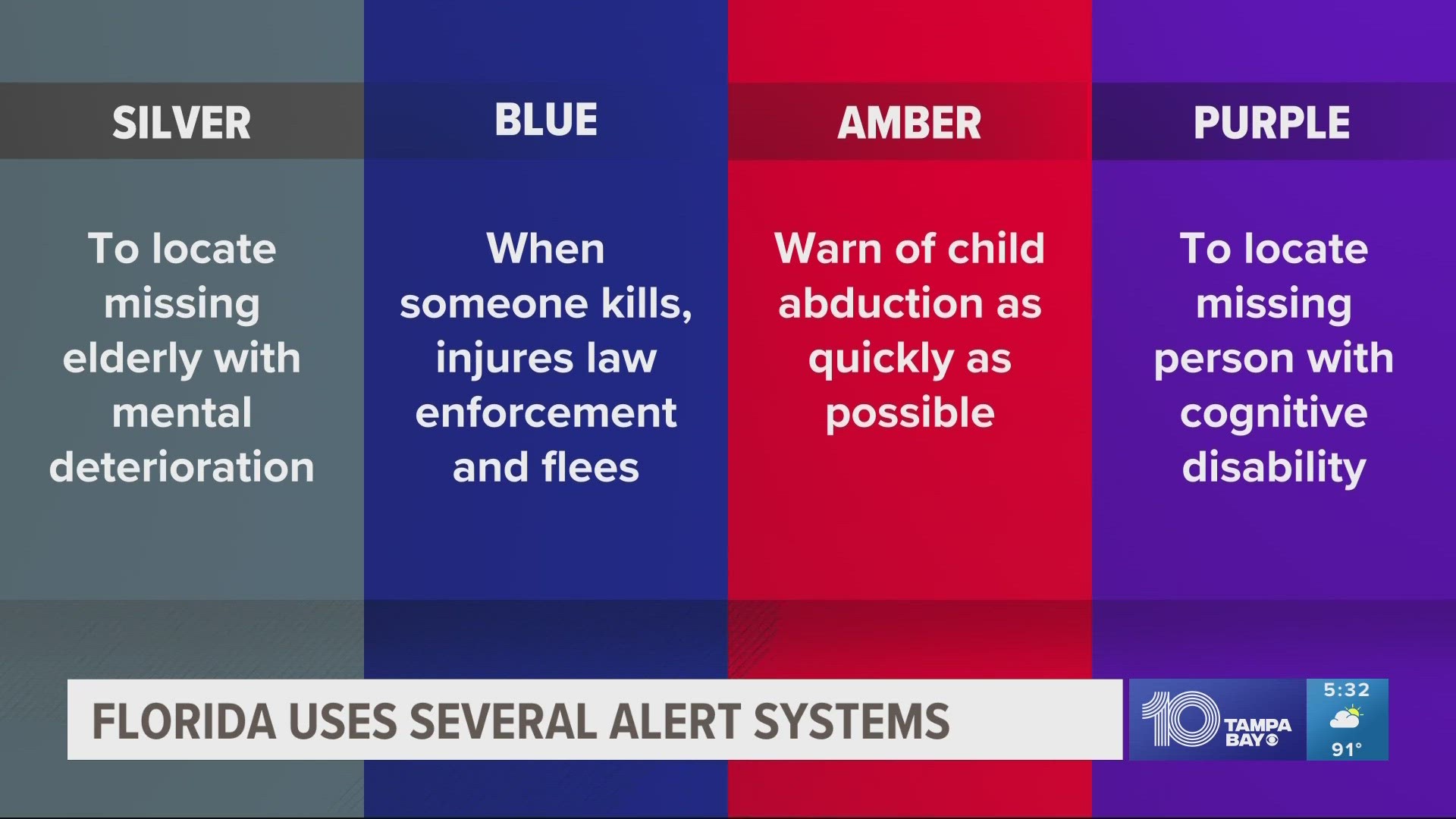
The concept of a Silver Alert originated from a growing need to address the specific challenges associated with locating missing vulnerable adults. Unlike the Amber Alert, which focuses on abducted children, Silver Alerts are tailored to the unique circumstances of cognitively impaired individuals who may wander and become disoriented. Their ability to communicate their identity or navigate back home is often compromised, making quick public engagement absolutely essential.
The Genesis and Purpose of Silver Alerts
The idea for Silver Alerts gained significant traction in the United States in the early 2000s, driven by high-profile cases of missing seniors and advocacy from organizations like the Alzheimer’s Association. Florida was one of the pioneering states to implement a statewide Silver Alert program, recognizing the significant senior population within its borders, many of whom are snowbirds or retirees. The official launch of Florida’s Silver Alert Plan occurred in 2008, following legislative efforts to create a coordinated, rapid response system.
The primary purpose of a Silver Alert is simple yet profound: to save lives. By quickly engaging the public through various broadcast channels, the system aims to create a vast network of eyes and ears that can assist law enforcement in locating a missing vulnerable adult before they come to harm due to exposure, injury, or lack of essential medication. It’s not just about finding someone; it’s about finding them safely and efficiently, minimizing the time they are exposed to danger. For families planning a visit to Miami or a resort stay in Naples, understanding this safety net provides immense peace of mind.
Criteria for Activation in Florida
The activation of a Silver Alert in Florida is not taken lightly; it follows a stringent set of criteria to ensure the system’s effectiveness and avoid alert fatigue. These guidelines are established by the Florida Department of Law Enforcement (FDLE), the central coordinating agency for the program. For a Silver Alert to be issued, several conditions must typically be met:
- Age and Condition: The missing person must be 60 years of age or older and suffer from Alzheimer’s disease or a dementia-related disorder, or another cognitive impairment that places them at risk. In some exceptional cases, younger individuals with similar cognitive impairments may also qualify.
- Imminent Danger: There must be a clear indication that the missing individual is in danger. This danger could arise from their medical condition, environmental factors, or the potential for exploitation.
- Recent Disappearance: The disappearance must be recent, typically within the last 24 to 48 hours, though this can be flexible based on circumstances. Early reporting is crucial for a successful outcome.
- Sufficient Descriptive Information: Law enforcement must have enough descriptive information about the missing person (e.g., name, age, last known clothing, physical description, known medical conditions, vehicle information if applicable) to disseminate effectively to the public.
- Law Enforcement Investigation: A law enforcement agency must already be actively investigating the disappearance and have determined that the Silver Alert criteria are met. The family of the missing person must have filed an official report.
These criteria ensure that Silver Alerts are used for the most urgent and appropriate cases, maximizing their impact and the public’s responsiveness. Whether you’re enjoying a cruise from Fort Lauderdale or exploring the nature trails near Sarasota, seeing a Silver Alert means a fellow community member is in urgent need of assistance.
The Mechanism of a Silver Alert
Once the criteria for a Silver Alert are met, the mechanism for public notification swings into action, utilizing a variety of channels to reach the widest possible audience across Florida. This multi-faceted approach is key to generating rapid public awareness and participation in the search efforts.
How the Public is Notified
The reach of a Florida Silver Alert is extensive, ensuring that individuals across different platforms and locations receive the urgent message. Key notification methods include:
- Television and Radio Broadcasts: Local and statewide television and radio stations interrupt regular programming to broadcast details of the Silver Alert, including the missing person’s description and any vehicle information. This is a primary method for reaching a broad audience.
- Electronic Highway Signs: The Florida Department of Transportation (FDOT) activates dynamic message signs on major roadways, such as Interstate 4 and Interstate 95, displaying critical information. This is especially effective for travelers and commuters passing through areas like Tampa or Jacksonville.
- Wireless Emergency Alerts (WEA): Similar to Amber Alerts, Silver Alerts can be pushed directly to cell phones in a specific geographical area, much like a weather warning. This ensures that even those without access to traditional media or traveling through the state receive direct notification.
- Media and Social Media: News outlets, both traditional and online, widely share Silver Alert information. Government agencies and law enforcement also utilize their social media platforms (Facebook, X, etc.) to disseminate details, often including photographs.
- Lottery Terminals: In a unique approach, Florida also uses its lottery terminals in retail locations to display Silver Alert information, reaching a significant segment of the population in places they frequent.
This comprehensive notification strategy aims to saturate the information landscape, making it difficult for residents or visitors to be unaware of an active Silver Alert. Whether you’re dining at a local eatery in Key West or checking into a Grand Hyatt Hotel in Orlando, the system strives to bring these urgent messages to your attention.
The Role of Law Enforcement and the Community
While the public notification is vital, the backbone of the Silver Alert system is the coordinated effort of law enforcement agencies. The Florida Department of Law Enforcement acts as the central hub, working with local police departments, county sheriff’s offices (such as Miami-Dade County or Orange County Sheriff’s Offices), and the Florida Highway Patrol. These agencies conduct active searches, follow leads, and coordinate volunteers when appropriate.
However, the success of a Silver Alert ultimately hinges on community involvement. Every individual who sees, hears, or reads an alert has the potential to make a difference. The role of the public includes:
- Vigilance: Paying attention to the details of the alert – the missing person’s description, clothing, and any vehicle information.
- Reporting Sightings: Immediately contacting 911 if they spot an individual matching the description. It’s crucial not to approach the individual, as this could startle or disorient them further. Instead, provide law enforcement with the exact location and any relevant observations.
- Sharing Information: Disseminating the alert within their personal networks or on social media, especially if they live or travel in the area where the person went missing.
This collaborative effort transforms ordinary citizens into vital partners in life-saving searches, embodying the spirit of community support that makes Florida such a welcoming place.
Silver Alerts and Travel in Florida: Safety for Vulnerable Travelers
For families traveling to or residing in Florida with elderly relatives who have cognitive impairments, the Silver Alert system is a crucial safety net. Integrating safety planning into your travel itinerary, whether it’s for a short vacation to Disney World or an extended stay in a comfortable villa near Kissimmee, is paramount.

Precautionary Measures for Families Visiting Florida
While the Silver Alert system is a robust response mechanism, prevention and preparedness are always the first line of defense. Families traveling with vulnerable adults should consider these proactive measures:
- Identification: Ensure the individual always carries clear identification, ideally with emergency contact information. Consider medical alert bracelets or necklaces that indicate their condition (e.g., “memory impaired,” “Alzheimer’s”) and contact details. Modern GPS trackers or smart devices can also provide an extra layer of security.
- Recent Photo: Always have a recent, clear photograph of the individual on hand. This will be invaluable if you need to file a missing person report.
- Caregiver Awareness: Ensure all caregivers or family members accompanying the individual are aware of their condition and specific needs. Establish a “buddy system” in crowded places like theme parks or busy beaches such as South Beach.
- Routine and Environment: Try to maintain as much of a consistent routine as possible, even while traveling. Be mindful of new and unfamiliar environments, which can be disorienting. Discuss potential wandering behaviors with hotel staff or accommodation providers if you’re staying in an apartment or resort.
- Emergency Plan: Have a clear, rehearsed plan of action in case the individual goes missing. This includes knowing who to call (911 immediately), what information to provide, and designated meeting points.
- FDLE Registration (if applicable): While primarily for residents, families planning extended stays might consider programs that allow pre-registration of individuals at risk of wandering with local law enforcement. This can expedite the information gathering process if an incident occurs.
By taking these steps, families can significantly reduce the risk of a wandering incident and enhance their peace of mind while enjoying Florida’s many attractions.
What Tourists Should Know and Do
Even if you’re not traveling with a vulnerable adult, as a tourist in Florida, you become part of the community’s safety network. Knowing what to do when a Silver Alert is issued is a civic responsibility that can directly contribute to someone’s safety.
- Stay Informed: Pay attention to local news, highway signs, and your cell phone’s Wireless Emergency Alerts. These alerts are localized, so if you’re in Gainesville or Tallahassee, you’ll likely receive alerts relevant to that region.
- Understand the Urgency: Recognize that a Silver Alert signifies an immediate and serious threat to the missing person’s well-being.
- Do Not Intervene Directly: If you spot an individual matching a Silver Alert description, do not attempt to apprehend or confront them yourself. These individuals may be disoriented, confused, or frightened, and direct intervention could cause them distress or lead them to flee further.
- Call 911 Immediately: The most important action is to call 911 as soon as possible. Provide dispatchers with:
- Your exact location.
- A clear description of the individual and what they are wearing.
- The direction they were headed.
- Any other distinguishing features or observations (e.g., whether they seem distressed, are carrying anything).
- Be a Good Neighbor: Whether you’re exploring the historic streets of St. Augustine or relaxing at a beach resort in Daytona Beach, remember that everyone plays a role in community safety. A quick phone call could be the critical link that brings someone home.
Broader Impact and Community Involvement
The Silver Alert system in Florida is more than just an emergency broadcast; it’s a testament to the power of community, technology, and empathy coming together to protect the most vulnerable among us. Its success stories highlight its profound impact.
Success Stories and Ongoing Efforts
Countless lives have been saved and families reunited thanks to the swift activation of Silver Alerts and the public’s keen participation. From an elderly woman found safe after wandering away from her family during a trip to Walt Disney World Resort, to a man with dementia located on a remote road in Broward County thanks to a tip from a passing motorist, these narratives underscore the system’s effectiveness. Each success story reinforces the value of public awareness and the critical need for continued support.
Ongoing efforts include refining the alert criteria, enhancing technological integrations for faster dissemination, and increasing public education campaigns. These improvements ensure the system remains agile and responsive to the evolving needs of Florida’s diverse population and its millions of visitors.
Resources for Families and Caregivers
For families and caregivers in Florida, whether residents or those considering a long-term stay, numerous resources are available to provide support, information, and proactive strategies to prevent wandering incidents:
- Alzheimer’s Association (Florida Chapters): Offers comprehensive support groups, educational programs, and resources on managing dementia and preventing wandering. Their “MedicAlert + Safe Return” program is specifically designed to assist those who wander.
- Local Law Enforcement Agencies: Many county sheriff’s offices and police departments offer community programs, such as “Project Lifesaver,” which provides tracking devices for at-risk individuals.
- Area Agencies on Aging: These agencies provide information on local services, support, and resources for seniors and their caregivers.
- Florida Department of Elder Affairs: A state agency offering a wealth of information, services, and advocacy for older adults in Florida.
Utilizing these resources can empower caregivers and provide invaluable assistance in creating a safe environment, whether at home or during travels within the state.
Navigating Florida Responsibly: A Holistic Approach to Safety
Visiting or living in Florida offers incredible opportunities for enjoyment, relaxation, and adventure. By understanding and appreciating the state’s safety mechanisms, like the Silver Alert system, we can all contribute to a more secure and compassionate environment for everyone.
Beyond Silver Alerts: General Safety Tips
While Silver Alerts address a specific vulnerability, general safety practices enhance the experience for all travelers. For families planning trips to popular destinations like Universal Orlando Resort or Busch Gardens Tampa Bay, consider:
- Travel Insurance: Especially for international visitors or those with complex medical needs, comprehensive travel insurance can cover unexpected medical emergencies or trip interruptions.
- Hydration and Sun Protection: Florida’s sun can be intense. Stay hydrated and use high-SPF sunscreen, particularly when visiting outdoor attractions like Kennedy Space Center Visitor Complex or exploring the beaches of Sanibel Island.
- Awareness of Surroundings: Be mindful of your belongings in crowded tourist areas and exercise caution when walking alone at night.
- Driving Safety: Be aware of local driving laws and traffic patterns, especially on busy expressways like Florida’s Turnpike or in congested city centers like Orlando and Miami.
- Weather Preparedness: Florida is susceptible to hurricanes and tropical storms, especially during hurricane season (June 1st to November 30th). Stay informed about weather forecasts and follow local advisories.
These tips, combined with an understanding of emergency alert systems, ensure a more relaxed and secure travel experience.
Embracing Florida’s Beauty with Peace of Mind
Ultimately, the Silver Alert system is a powerful symbol of Florida’s commitment to the well-being of its residents and visitors. It underscores the idea that a truly enriching travel or living experience is built not only on remarkable destinations and luxurious accommodation, but also on a foundation of safety, community, and mutual care.
Whether you’re exploring the remote beauty of Dry Tortugas National Park, enjoying the vibrant nightlife of Boca Raton, or simply savoring a quiet moment in one of Florida’s charming towns, knowing that a robust system like the Silver Alert is in place allows everyone to embrace the Sunshine State with greater confidence and peace of mind. By being informed, prepared, and willing to participate, we all contribute to making Florida a safer and more welcoming place for families, seniors, and travelers of all ages.
LifeOutOfTheBox is a participant in the Amazon Services LLC Associates Program, an affiliate advertising program designed to provide a means for sites to earn advertising fees by advertising and linking to Amazon.com. Amazon, the Amazon logo, AmazonSupply, and the AmazonSupply logo are trademarks of Amazon.com, Inc. or its affiliates. As an Amazon Associate we earn affiliate commissions from qualifying purchases.