
The enchanting world of Hotel Transylvania, a fantastical resort where classic monsters can truly be themselves, has captivated audiences worldwide since its debut. This animated franchise, celebrated for its unique blend of humor, heart, and vibrant animation, offers a playful take on the horror genre while subtly exploring themes deeply resonant with travel, accommodation, and diverse lifestyles. But who were the creative minds and the powerhouse studio that brought this monstrously fun destination to life, crafting an entire universe around a single, extraordinary hotel? The journey begins with a renowned animation studio and a visionary director whose distinct style became the very blueprint for this unforgettable retreat.

The Visionaries Behind the Monstrously Fun Retreat
The inception of Hotel Transylvania is a testament to the collaborative spirit and creative prowess found within the animation industry, particularly at one of its most innovative studios. The concept of a hidden, luxurious resort exclusively for monsters, far from the prying eyes of humans, was ripe with potential for both comedy and heartfelt storytelling. The success of the franchise lies firmly in the hands of the studio and the lead creative force who masterfully sculpted its identity.
Genesis at Sony Pictures Animation
The primary architect behind the Hotel Transylvania franchise is Sony Pictures Animation. Founded in 2002, this Culver City, California-based studio quickly established itself as a significant player in the realm of computer-animated films. Known for its distinct visual style and its willingness to experiment with various animation techniques, Sony Pictures Animation has been responsible for a myriad of beloved films, ranging from the visually groundbreaking Spider-Man: Into the Spider-Verse to the hilariously inventive Cloudy with a Chance of Meatballs. Their approach often emphasizes strong character design, dynamic camera work, and a playful disregard for conventional physics, all elements that became hallmark features of the Hotel Transylvania series.
The studio’s decision to greenlight a project centered on an isolated monster resort presented an incredible opportunity to explore themes relevant to “accommodation” and “lifestyle” from a wholly unique perspective. Imagine the meticulous planning involved in designing a hotel that caters specifically to vampires, mummies, werewolves, and the Frankenstein monster – from the gravity-defying breakfast buffets to the spa treatments involving mud baths for the Gill-man. Sony Pictures Animation provided the infrastructure, technological expertise, and creative environment necessary to translate this ambitious vision from concept art to fully rendered digital worlds. Their commitment to innovation meant that the hotel, rather than just a backdrop, became a character in itself, embodying the very essence of a safe haven for its unusual clientele, a true “landmark” in animated hospitality.
Genndy Tartakovsky’s Creative Direction
While Sony Pictures Animation laid the foundational support, the distinctive artistic flair and kinetic energy that define Hotel Transylvania are largely attributable to its lead director, Genndy Tartakovsky. A celebrated figure in the animation world, Genndy Tartakovsky is renowned for his signature style characterized by fluid motion, expressive character animation, and a strong sense of visual storytelling often reliant on minimal dialogue. Before helming the monster mash-up, he had already garnered immense critical acclaim and a devoted fanbase through his iconic television series, including Dexter’s Laboratory and the Emmy-winning Samurai Jack.
Tartakovsky’s unique vision was instrumental in shaping the look and feel of Hotel Transylvania. He infused the film with a classic cartoony aesthetic reminiscent of Tex Avery and Chuck Jones, bringing an exaggerated, squash-and-stretch quality to characters like Count Dracula and his daughter, Mavis. This style ensured that despite their monstrous appearances, the characters remained endearing and relatable, performing physical comedy that transcended language barriers. He meticulously crafted the “travel” experiences within the film, from the frantic dash through the hotel’s sprawling corridors to the exhilarating flight sequences, making every journey an adventure. His direction transformed the gothic “landmarks” of traditional monster lore into vibrant, dynamic spaces, perfectly suited for the zany antics of a monster vacation. The film’s energy, its rapid-fire jokes, and its ability to seamlessly blend slapstick with genuine emotion are all hallmarks of Tartakovsky’s masterful storytelling. He not only made the monsters funny but also gave them a distinct “lifestyle” that was both chaotic and utterly charming.
Crafting a World of Unique Accommodation and Adventure
The concept of Hotel Transylvania wasn’t just about gathering famous monsters under one roof; it was about imagining a fully functional, highly specific ecosystem designed for their unique needs and desires. This required a deep dive into the practicalities and eccentricities of monster “accommodation,” and how such a place would operate as a “resort” and a “destination.”
Designing the Ultimate Monster Resort
The centerpiece of the entire franchise is, undoubtedly, the hotel itself. Count Dracula’s magnificent, sprawling Hotel Transylvania is far more than just a building; it’s a meticulously designed “accommodation” that serves as a sanctuary from the human world. Its architecture blends classic gothic elements – towering spires, intricate gargoyles, vast dungeons, and secret passages – with modern resort amenities tailored for the supernatural. Imagine a swimming pool filled with green slime, a dining hall serving screaming cheese and monster-friendly dishes, or a health spa equipped with mud baths for swamp creatures and sun protection for vampires. The detail in its design truly elevates it to an iconic “landmark” within the animated world, inspiring awe and a touch of spooky fun.
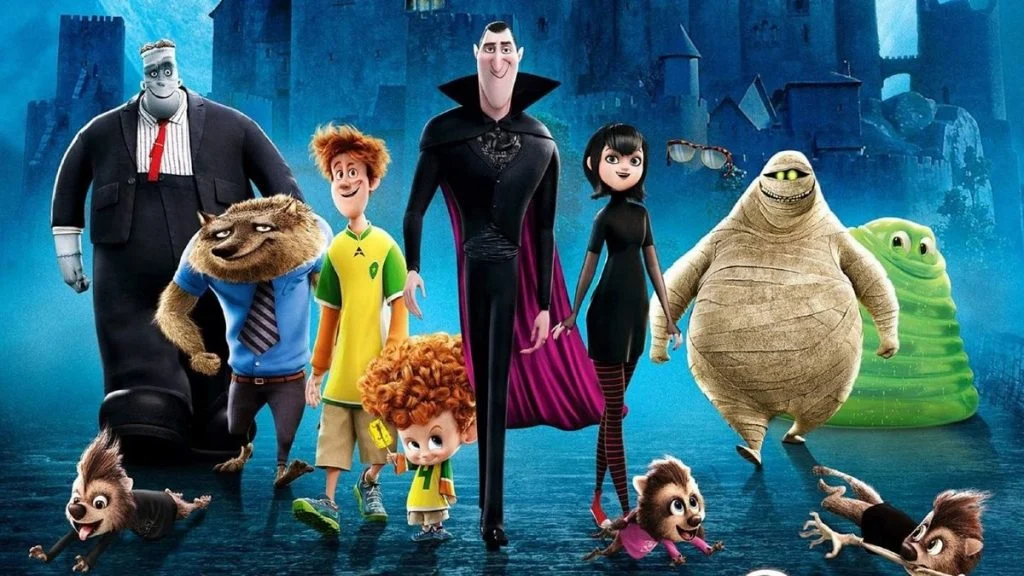
The hotel acts as a pristine example of specialized “accommodation,” similar to real-world luxury “resorts” that cater to niche markets. Every aspect, from its remote location in Transylvania to its hidden entrances, speaks to a desire for privacy and exclusivity. For the monsters, it’s not just a place to stay; it’s a home away from home, a place where they can drop their intimidating facades and enjoy a relaxing “lifestyle” without fear of persecution. This concept resonates deeply with the “travel” industry’s goal of offering bespoke experiences, creating a sense of belonging for every guest, no matter how unusual. The brilliance lies in how the creators envisioned every nook and cranny, ensuring that the hotel felt both fantastical and believable within its own monstrous logic, making it a compelling “destination” for fictional creatures and, by extension, for the audience’s imagination.
The Narrative Journey: Travel, Tourism, and Inclusivity
Beyond the ingenious design of the hotel, the narrative threads woven through the Hotel Transylvania films offer rich commentary on “travel,” “tourism,” and ultimately, inclusivity. The initial premise sees Count Dracula building the hotel as a safe haven for monsters, protecting his daughter Mavis from the perceived dangers of the human world. However, the arrival of the human backpacker, Johnny, inadvertently turns the isolated resort into an accidental “tourism” destination, forcing monsters to confront their long-held prejudices.
Johnny’s character embodies the inquisitive spirit of a modern traveler, eager to explore new “destinations” and experience local “culture,” even if that culture is monstrous. His journey into the hotel is a classic fish-out-of-water scenario, highlighting the awkward yet often humorous encounters that arise when different “lifestyles” collide. Mavis’ own yearning for “travel” and exploration outside the confines of the hotel drives much of the initial film’s emotional core, mirroring the human desire to see the world and broaden one’s horizons.
As the series progresses through Hotel Transylvania 2, Hotel Transylvania 3: Summer Vacation, and Hotel Transylvania: Transformania, the monsters themselves embark on grander “travel” adventures – from cruises to beach vacations, and even a journey through the Amazon rainforest. These storylines further emphasize the idea that “tourism” and exploring new “destinations” are universal desires, transcending species. The films cleverly use these travel narratives to preach messages of acceptance, demonstrating that fear often stems from misunderstanding and that embracing diversity enriches everyone’s “lifestyle.” The narrative journey is one of bridging divides, finding common ground, and celebrating the joy of experiencing new places and people (or monsters), making the franchise a delightful parable for global “tourism” and cultural exchange.
The Franchise’s Impact on Entertainment and Travel Imagination
The legacy of Hotel Transylvania extends far beyond its individual films. It has left an indelible mark on animated entertainment and continues to inspire imaginative connections to the real-world concepts of travel and hospitality. Its blend of humor, heart, and visual ingenuity has cemented its place as a beloved series for families globally.
Box Office Success and Critical Reception
The Hotel Transylvania franchise has been a resounding commercial success, consistently performing well at the global box office. The original film, released in 2012, was a major hit, paving the way for multiple sequels. Each subsequent film, including Hotel Transylvania 2, Hotel Transylvania 3: Summer Vacation, and the concluding Hotel Transylvania: Transformania, built upon the established universe, introducing new characters and expanding the scope of the monster world. This consistent success underscores the widespread appeal of the concept, the characters, and Genndy Tartakovsky’s’s creative direction. Critics often lauded the films for their vibrant animation, snappy dialogue, and surprisingly wholesome themes, especially the underlying message of family and acceptance. The films didn’t just entertain; they created a lasting “landmark” in children’s animation, demonstrating that monster stories could be both hilariously fun and deeply meaningful.
The franchise’s success is also a testament to Sony Pictures Animation’s ability to create enduring intellectual property. The films have spawned short films, video games, and even a television series, further cementing the brand’s presence in popular culture. This longevity highlights the strength of the original concept: a “hotel” that is a character in itself, filled with engaging personalities and endless possibilities for adventure, perfectly aligning with the desire for unique “travel” and “accommodation” experiences that resonate with audiences of all ages.

Inspiring Themed Experiences and Destinations
The imaginative world of Hotel Transylvania serves as a fantastic case study in how fictional “landmarks” and themed “accommodations” can capture the public imagination and even subtly influence real-world “tourism” and “lifestyle” aspirations. While there isn’t a direct, real-life Hotel Transylvania (yet!), the films echo the appeal of themed “resorts” and “attractions” found globally. Think of the immersive environments at places like Disneyland or Universal Studios Hollywood, where fantastical worlds are brought to life, offering guests a unique “travel” experience that transcends a mere hotel stay.
The charm of a secluded castle in Transylvania that doubles as a luxury retreat for extraordinary beings speaks to the human desire for escapism and adventure. It encourages viewers to think about what makes a “destination” truly special and how “accommodation” can be an integral part of the adventure. For some, it might inspire a trip to real-world castles in Europe or themed hotels designed to transport guests to another realm. The film series, through its vibrant portrayal of monster “lifestyle” and “tourism,” champions the idea that everyone deserves a vacation, a safe space, and the chance to experience the world beyond their familiar confines. It subtly promotes the idea of embracing diverse “travel” options and seeking out “accommodations” that offer more than just a place to sleep, but an entire experience.
In conclusion, the enchanting universe of Hotel Transylvania was masterfully created by Sony Pictures Animation under the visionary direction of Genndy Tartakovsky. Their combined genius brought forth not just a series of animated films, but an entire, vibrant world that cleverly intertwines with the themes of travel, accommodation, tourism, landmarks, and diverse lifestyles. Through its unique monster resort, compelling characters, and heartwarming narratives, Hotel Transylvania stands as a creative masterpiece and a beloved animated landmark that continues to charm and inspire audiences to embrace adventure and acceptance, one monstrous vacation at a time.
LifeOutOfTheBox is a participant in the Amazon Services LLC Associates Program, an affiliate advertising program designed to provide a means for sites to earn advertising fees by advertising and linking to Amazon.com. Amazon, the Amazon logo, AmazonSupply, and the AmazonSupply logo are trademarks of Amazon.com, Inc. or its affiliates. As an Amazon Associate we earn affiliate commissions from qualifying purchases.