
The Roosevelt Hotel, a name that once conjured images of grandeur, jazz-infused evenings, and the bustling energy of New York City, stands as a poignant symbol of architectural heritage facing an uncertain future. For nearly a century, this majestic edifice graced the skyline of Midtown Manhattan, a testament to a bygone era of lavish hospitality and a vibrant cultural hub. Its doors, however, have been closed since the end of 2020, leaving many to wonder about the fate of such a significant landmark. The question, “Who owns The Roosevelt Hotel?” is not just a query about property deeds, but a deeper dive into its rich history, the challenges faced by historic properties, and the complex interplay of international investment and urban development in one of the world’s most dynamic cities.
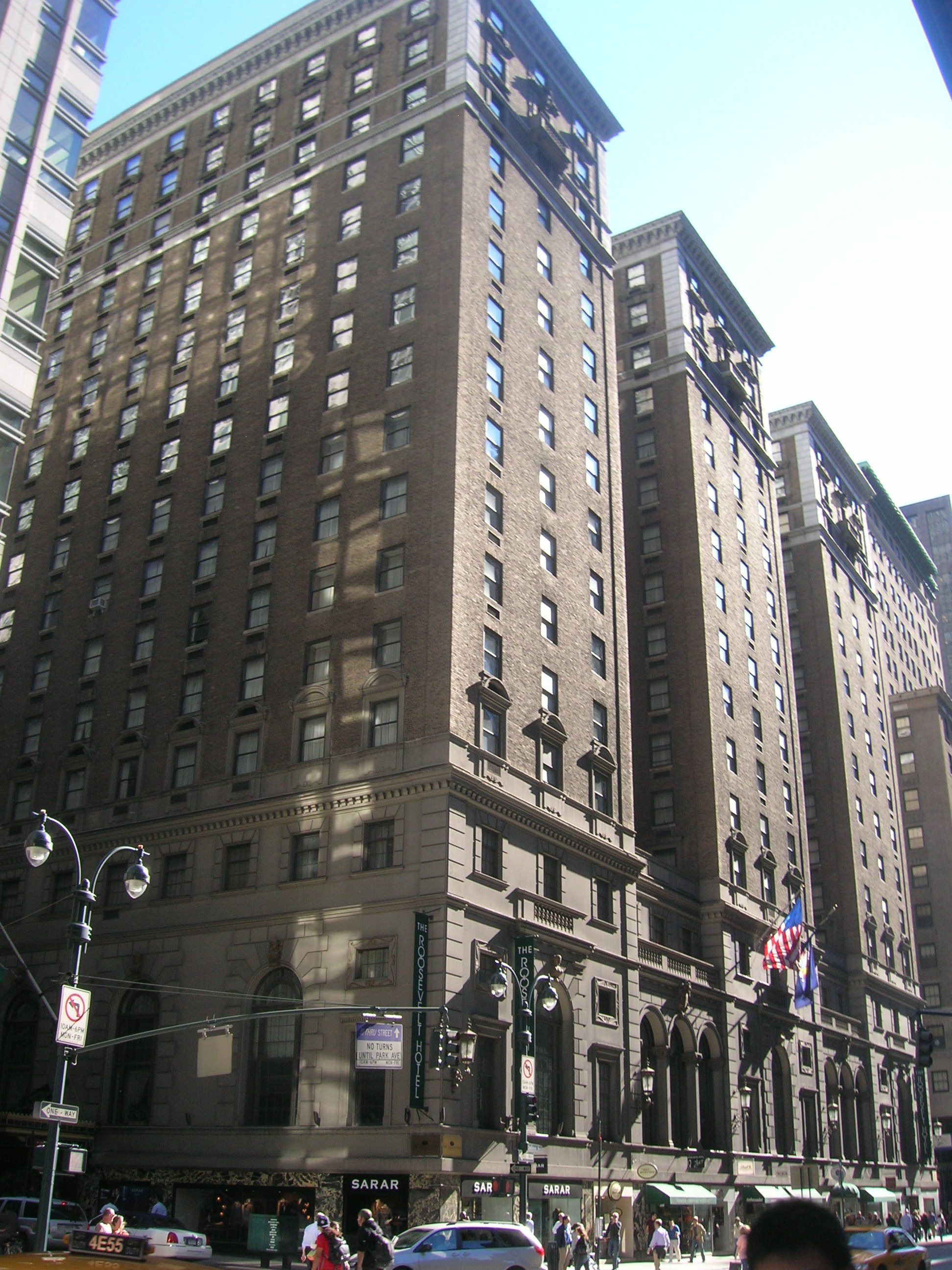
The journey to understand its ownership is intertwined with its storied past, its role in the city’s social fabric, and the economic pressures that ultimately led to its dormancy. From its opulent beginnings to its present state, the Roosevelt Hotel represents more than just a building; it embodies a piece of New York’s soul, a beacon of classic American luxury that has witnessed countless historical moments and hosted generations of travelers, celebrities, and business moguls. Its legacy, therefore, demands a comprehensive understanding of the forces that shaped its existence and continue to determine its destiny.
A Grand Dame of Midtown Manhattan: The Roosevelt Hotel’s Legacy
Opened in 1924, the Roosevelt Hotel quickly established itself as a premier destination in New York City. Designed by George B. Post & Sons, this 20-story architectural marvel was envisioned as a luxurious retreat for travelers and a vibrant social center. Its strategic location at 45 East 45th Street, just steps away from Grand Central Terminal, made it an irresistible choice for visitors arriving by train and a convenient base for exploring the city’s offerings. The hotel’s design blended classic elegance with modern amenities of its time, featuring expansive ballrooms, exquisite dining rooms, and meticulously appointed guest suites that epitomized the Jazz Age’s sense of glamour and sophistication.
Its proximity to key Manhattan attractions like Times Square and Broadway, coupled with its own intrinsic charm, ensured its place as a cornerstone of Midtown Manhattan’s hospitality landscape. The Roosevelt Hotel was not merely a place to sleep; it was an experience, a destination in itself that offered a window into the opulent lifestyle of the era. Its grand lobbies and corridors whispered tales of whispered conversations, momentous decisions, and joyous celebrations that unfolded within its walls.
Architectural Splendor and Early Days
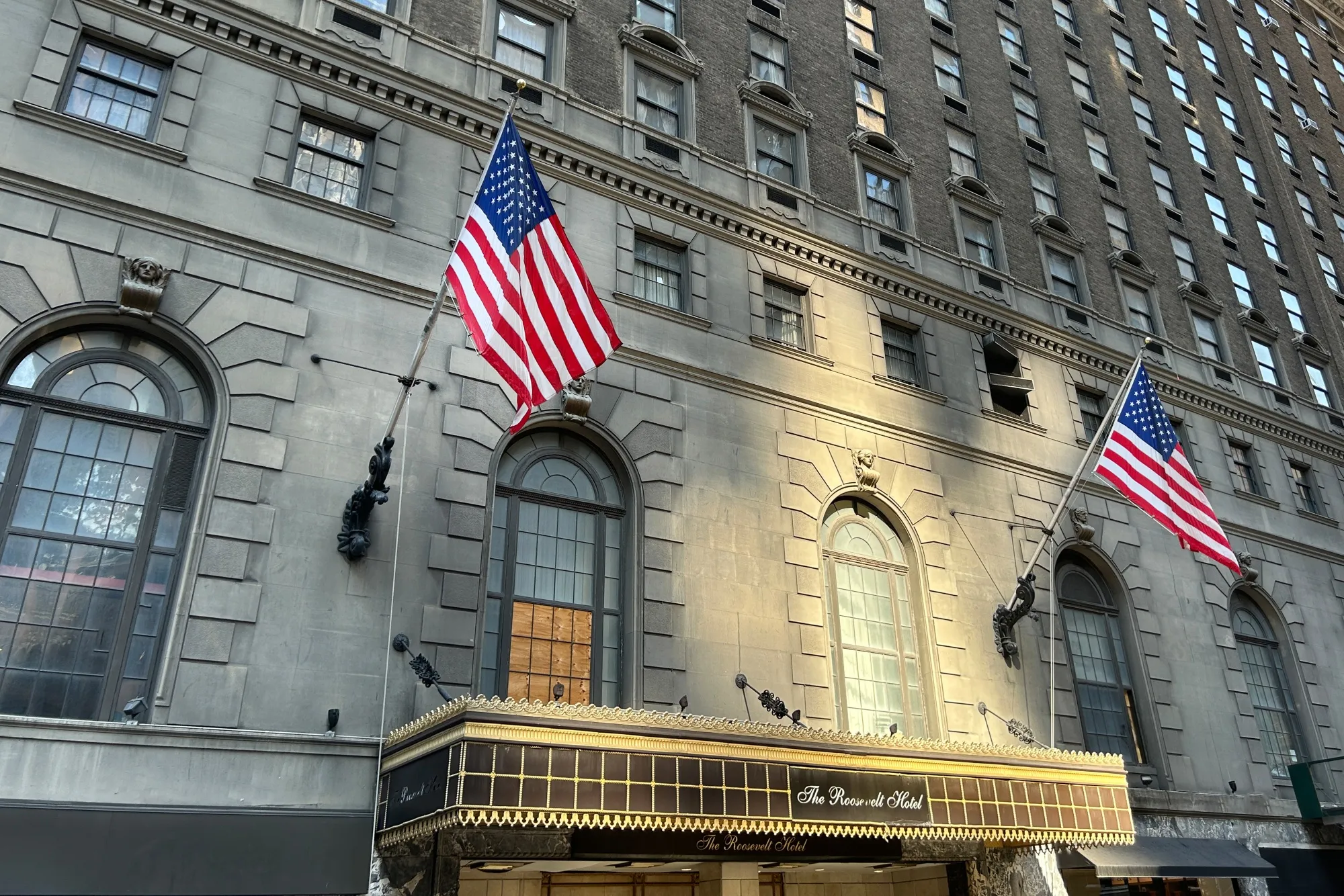
The architectural style of the Roosevelt Hotel is a testament to the Beaux-Arts influence prevalent in early 20th-century American architecture. Its facade, adorned with intricate detailing, grand arches, and a stately presence, immediately conveyed a sense of importance and luxury. Inside, guests were greeted by soaring ceilings, marble floors, ornate chandeliers, and rich wood paneling, all contributing to an atmosphere of timeless elegance. The hotel’s design was meticulously planned to cater to the discerning tastes of its clientele, offering spacious rooms, state-of-the-art facilities for the time, and unparalleled service. From its inception, the Roosevelt Hotel was intended to be more than just a lodging establishment; it was designed as a social landmark, a place where people gathered, celebrated, and made history. Its impressive scale and intricate craftsmanship set a high standard for luxury accommodation in New York City, rivaling contemporaries like the Waldorf Astoria and the Plaza Hotel in its grandeur and reputation.
A Hub of Culture and Celebrity
Throughout its operational years, the Roosevelt Hotel became synonymous with music, entertainment, and celebrity. Its Grill Room and other entertainment venues hosted some of the biggest names in the jazz and big band eras. Legendary trumpeter Louis Armstrong famously played at the hotel, and bandleader Guy Lombardo and His Royal Canadians made it their home for over three decades, broadcasting their New Year’s Eve performances live from the Roosevelt to millions across the nation. These broadcasts became a cherished tradition, firmly cementing the hotel’s place in American popular culture. Beyond music, the Roosevelt Hotel served as a backdrop for numerous film productions and television shows, further enhancing its iconic status. Its timeless interiors and classic New York ambiance made it a favorite location for filmmakers seeking to capture the essence of the city’s golden age. Celebrities, politicians, and business leaders frequented its halls, contributing to its reputation as a place where important deals were struck, and memorable moments unfolded. It was a place where luxury travel and a vibrant lifestyle converged, offering guests an unparalleled experience of New York’s sophisticated side.
The Shifting Sands of Ownership and Financial Straits
The ownership history of the Roosevelt Hotel is a complex narrative, reflective of global economic shifts and the evolving landscape of the hospitality industry. While initially conceived and developed by a consortium of investors, including the influential New York Central Railroad, control of the hotel transitioned over the decades through various corporate entities before settling with its most long-standing proprietor. Understanding these shifts provides critical insight into how a property of such historical significance navigates the challenges of changing markets, property values, and international relations.
Initial Visionaries and Corporate Hands
Upon its grand opening, the Roosevelt Hotel was part of a larger vision for Midtown Manhattan’s development around Grand Central Terminal. Early ownership was primarily domestic, involving prominent American railway and real estate interests. In its initial decades, operations were frequently managed by major American hotel chains, notably the Hilton Hotels Corporation for a significant period. These management agreements allowed the hotel to benefit from established operational expertise and marketing reach, maintaining its high standards of service and luxury accommodation. However, as the global economy diversified and international investment in prime United States real estate grew, the potential for foreign entities to acquire iconic properties increased. This paved the way for a pivotal change in the hotel’s ownership structure.
Pakistani International Airlines (PIA) and Decades of Stewardship
The most significant and long-lasting chapter in the Roosevelt Hotel’s ownership began in 1979 when Pakistani International Airlines (PIA), the national flag carrier of Pakistan, acquired a controlling interest in the property. Initially, PIA purchased 50% of the hotel’s shares from the former owners, and a few years later, in 2005, it acquired the remaining 50% from the Saudi Arabian government, making PIA the sole owner. This acquisition was part of a broader strategy for the airline to diversify its assets and establish a foothold in key international travel hubs. For over four decades, PIA meticulously maintained the Roosevelt Hotel’s operations, often investing in renovations and upgrades to preserve its historic charm while adapting to modern guest expectations. Under PIA’s stewardship, the hotel continued to welcome guests from around the world, including dignitaries and tourists, further cementing its status as an international landmark. This period underscored the growing trend of global entities investing in prime real estate as both a financial asset and a strategic operational hub.
The Challenges of Modern Hospitality
Despite its rich history and prime location on Vanderbilt Avenue and 45th Street, the Roosevelt Hotel faced increasing financial pressures in the 21st century. Operating a large, historic property in a competitive market like New York City comes with substantial overheads, including maintenance, staff salaries, property taxes, and the constant need for modernization to keep pace with newer, more technologically advanced hotels. The advent of online booking platforms, the proliferation of boutique hotels, and changing traveler preferences also contributed to a challenging environment for traditional large-scale accommodations.
For PIA, the hotel became a significant asset but also a financial responsibility. The airline itself faced its own economic hurdles, and managing a luxury hotel remotely from Pakistan presented unique logistical and financial complexities. Reports of the hotel running into operational losses and the increasing burden of its upkeep became more frequent leading up to its eventual closure. The global hospitality landscape demands continuous innovation, substantial capital investment, and agile management, all of which became increasingly difficult for the Roosevelt Hotel to sustain under these circumstances.
Closure, Controversy, and the Quest for a Future
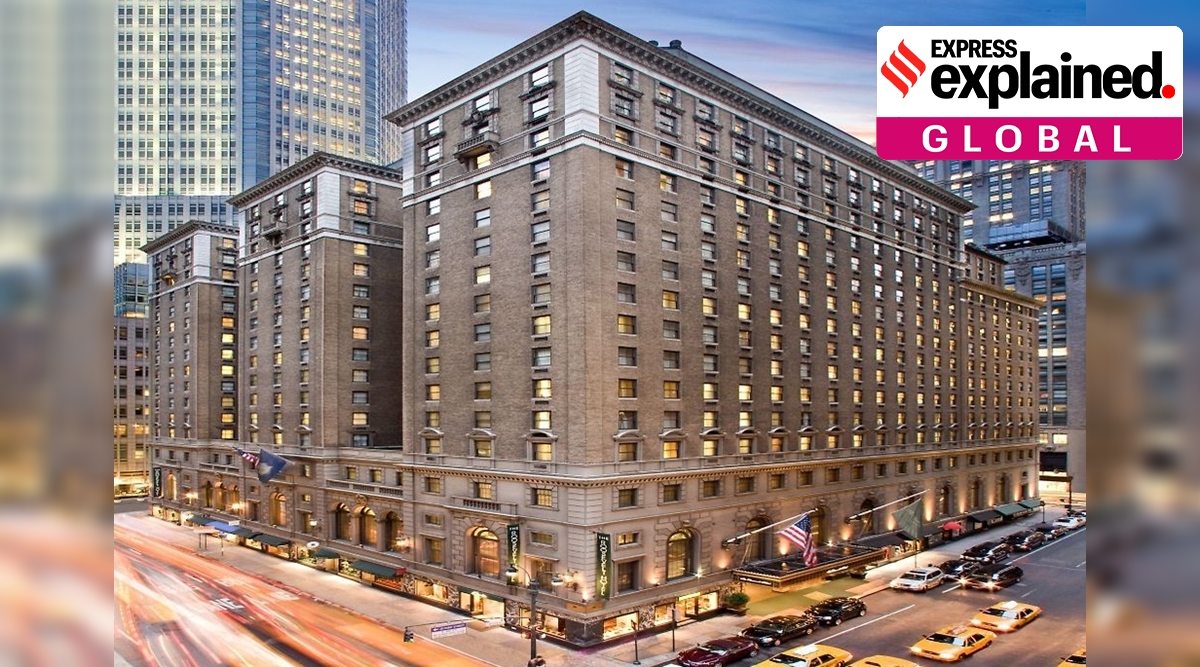
The closure of the Roosevelt Hotel in December 2020 marked a somber moment for New York City and the global hospitality industry. While the decision was deeply rooted in the hotel’s long-standing financial challenges, the timing was undeniably accelerated and exacerbated by an unprecedented global crisis. This closure not only put an end to decades of operation but also ignited a public debate about the preservation of historic landmarks, the future of urban tourism, and the complex real estate dynamics of Manhattan.
The Pandemic’s Unforeseen Impact
The COVID-19 pandemic delivered a crushing blow to the global travel and tourism sectors, and New York City’s hotels were among the hardest hit. With international travel halted, business conventions canceled, and leisure tourism grinding to a halt, occupancy rates plummeted across the city. For a hotel already grappling with substantial operational costs and a need for significant capital investment, the sudden and drastic loss of revenue proved insurmountable. PIA cited the “unprecedented and devastating impact of the COVID-19 pandemic” as the primary reason for its decision to cease operations. The economic fallout made it impossible to sustain the Roosevelt Hotel’s expenses, leading to the heartbreaking announcement that its doors would close permanently. The hotel, briefly repurposed as temporary accommodation for essential workers, could not weather the storm, becoming another casualty of the pandemic’s pervasive reach into the urban landscape.
The Debate Over Redevelopment
Following its closure, discussions surrounding the Roosevelt Hotel’s future intensified. As a prime piece of real estate in Midtown Manhattan, its potential redevelopment has been a subject of considerable speculation and debate. PIA, as the owner, explored various options, including a complete teardown and rebuilding of a modern, multi-use skyscraper, or a renovation that would preserve the historic facade while updating the interior. The concept of converting the site into a mixed-use development, potentially combining hotel, residential, and commercial spaces, is a common strategy for maximizing the value of such properties in high-demand areas.
However, any plans for demolition or significant alteration are met with considerable opposition from preservationists and local historical societies who advocate for the retention of the Roosevelt Hotel’s architectural integrity. They argue that the building is an irreplaceable piece of New York’s heritage and that its historical significance warrants protection. The debate highlights the perpetual tension between urban development pressures and the desire to preserve the architectural and cultural fabric of a city. The future of the Roosevelt Hotel remains a live issue, balancing economic viability with historical stewardship.
The Hotel as a Symbol of NYC’s Real Estate Dynamics
The predicament of the Roosevelt Hotel serves as a potent microcosm of New York City’s complex real estate market. Its story reflects the immense value placed on prime Manhattan property, the challenges of operating historic buildings, and the powerful influence of global investment. The hotel’s ownership by a foreign entity like PIA also illustrates the international nature of real estate investment in world-class cities, where properties are not just local assets but global commodities.
The continuous discussions around its fate—whether to preserve, renovate, or completely redevelop—underscore the high stakes involved. Each decision has massive financial implications, impacts the cityscape, and affects the narrative of New York’s evolution. The Roosevelt Hotel stands as a monument not only to its own past but also to the ongoing saga of urban renewal, economic pressures, and the unyielding allure of owning a piece of the world’s most famous city. It’s a testament to the fact that in New York, every square foot tells a story, and the grand old hotels are chapters unto themselves.
What Does the Roosevelt’s Fate Mean for NYC and Historic Landmarks?
The closure and uncertain future of the Roosevelt Hotel reverberate beyond its immediate vicinity, prompting broader questions about the preservation of historic landmarks in New York City and the evolving nature of its hospitality sector. The outcome of this iconic property will likely set a precedent for how the city balances its relentless drive for modernization with the irreplaceable value of its architectural and cultural heritage.
Preserving Architectural Heritage
The debate surrounding the Roosevelt Hotel underscores the ongoing challenge of preserving architectural heritage in a city that is constantly reinventing itself. New York City boasts numerous landmarked buildings, from residential brownstones to commercial skyscrapers, each contributing to its unique character. However, landmark status can sometimes be a double-edged sword, protecting buildings from demolition but also imposing strict renovation requirements that can be costly and restrict development potential. The Roosevelt Hotel has not been formally designated as a city landmark, which gives its owner, PIA, more flexibility regarding its future. This lack of protection fuels the urgency among preservationists, who fear the loss of its distinctive design and historical narrative. The potential loss of the Roosevelt Hotel would represent a significant blow to the preservation movement, diminishing the city’s collection of grand hotels that tell the story of its early 20th-century luxury. It calls into question how cities can incentivize the maintenance and adaptive reuse of historic structures, rather than allowing them to fall victim to demolition for new construction.
The Future of Hospitality in a Dynamic City
The closure of such a prominent hotel also sparks contemplation on the future trajectory of New York City’s hospitality industry. While the city remains a global magnet for tourism and business travel, the pandemic significantly altered demand and operating models. The trend towards boutique hotels, serviced apartments, and more personalized experiences continues to grow, posing challenges for older, larger establishments designed for a different era of travel. The Roosevelt Hotel’s fate could influence investment decisions for other historic properties, prompting owners to either commit to extensive renovations to meet modern expectations or explore alternative uses for their valuable real estate. The future of hospitality in New York will likely involve a mix of innovative new constructions and sensitively restored heritage properties, each offering unique experiences. The eventual decision regarding the Roosevelt Hotel will be closely watched by developers, preservationists, and travelers alike, as it will signal the city’s approach to its past while building its future.
The Enduring Allure of Historic Hotels
Despite the challenges faced by properties like the Roosevelt Hotel, the appeal of historic hotels remains powerful for a significant segment of travelers. These grand establishments offer more than just a room; they provide a direct connection to history, an immersive cultural experience, and a sense of timeless luxury that modern hotels often strive to emulate but rarely fully capture. Their unique character, rich narratives, and architectural beauty continue to draw guests who seek an experience beyond the ordinary, valuing legacy as much as contemporary convenience.
Beyond Just a Stay: An Experience
For many, staying in a historic hotel is akin to stepping back in time. It’s an opportunity to inhabit spaces where legends once walked, where significant events unfolded, and where the echoes of a bygone era still resonate. From the ornate lobbies of the Roosevelt Hotel to the gilded ballrooms of the Plaza Hotel, these venues offer a sense of place that is deeply ingrained in the local culture and history. Guests are not merely booking accommodation; they are investing in an experience that combines luxury travel with cultural immersion. Such hotels often feature unique architectural details, curated art collections, and a level of service perfected over decades, providing a distinctive atmosphere that cannot be replicated by newer, more generic properties. This focus on “experience” over mere functionality is a cornerstone of modern tourism and lifestyle travel, making historic hotels enduringly relevant for discerning visitors seeking depth and character in their journeys across Europe, Asia, and the United States.
The Investment in Legacy
The decision to preserve and revitalize historic hotels represents an investment not just in real estate, but in legacy. These properties contribute significantly to the cultural fabric and tourist appeal of their respective cities. They are landmarks that define skylines, attract visitors, and generate economic activity through tourism. The challenges of maintaining and updating them are substantial, requiring careful balancing of preservation with commercial viability. However, when done successfully, the rewards can be immense, offering unique selling propositions that differentiate them in a crowded market. The ongoing discussion around the Roosevelt Hotel’s future highlights this very tension: the economic pressures to maximize the value of prime real estate versus the cultural imperative to preserve a piece of New York City’s soul. Ultimately, the question of “Who owns The Roosevelt Hotel?” evolves into a broader question: “Who owns the responsibility for its legacy?” The answer lies with its current owners, PIA, but also implicitly with the citizens and authorities of New York City, who cherish these grand dames of hospitality as irreplaceable parts of their shared history and future.
LifeOutOfTheBox is a participant in the Amazon Services LLC Associates Program, an affiliate advertising program designed to provide a means for sites to earn advertising fees by advertising and linking to Amazon.com. Amazon, the Amazon logo, AmazonSupply, and the AmazonSupply logo are trademarks of Amazon.com, Inc. or its affiliates. As an Amazon Associate we earn affiliate commissions from qualifying purchases.