
The allure of the American Southwest is undeniable, drawing travelers with its dramatic landscapes, vibrant cultures, and unique experiences. Nestled within this vast and captivating region are two destinations that, despite their proximity, offer strikingly different worlds: Las Vegas, Nevada, the dazzling entertainment capital, and Sedona, Arizona, a serene haven celebrated for its majestic red rock formations and spiritual energy. Many visitors to Las Vegas find themselves contemplating a journey to Sedona, seeking a contrasting experience of natural beauty and tranquility. The question “How far is Sedona from Las Vegas?” is often the first step in planning such an adventure, and the answer reveals not just a distance, but an opportunity for an unforgettable road trip.

The direct driving distance between Las Vegas and Sedona is approximately 280 miles (about 450 kilometers). This translates to a non-stop driving time of around 4.5 to 5 hours, depending on traffic conditions and how often you stop for gas or refreshments. While this might seem like a substantial journey, the route is well-maintained and remarkably scenic, making it a popular choice for those looking to combine the neon glow of the city with the earthy splendor of the desert. The drive itself becomes an integral part of the travel experience, transitioning from bustling highways to the peaceful, expansive vistas of the high desert.
The Journey: Distance, Driving Routes, and Iconic Stops
Embarking on a road trip from Las Vegas to Sedona offers more than just a means of transport; it’s an odyssey through some of America’s most iconic landscapes. The decision between a direct route and a scenic detour often depends on the traveler’s available time and their desire to explore additional natural wonders.
Direct Route via US-93 S and I-40 E
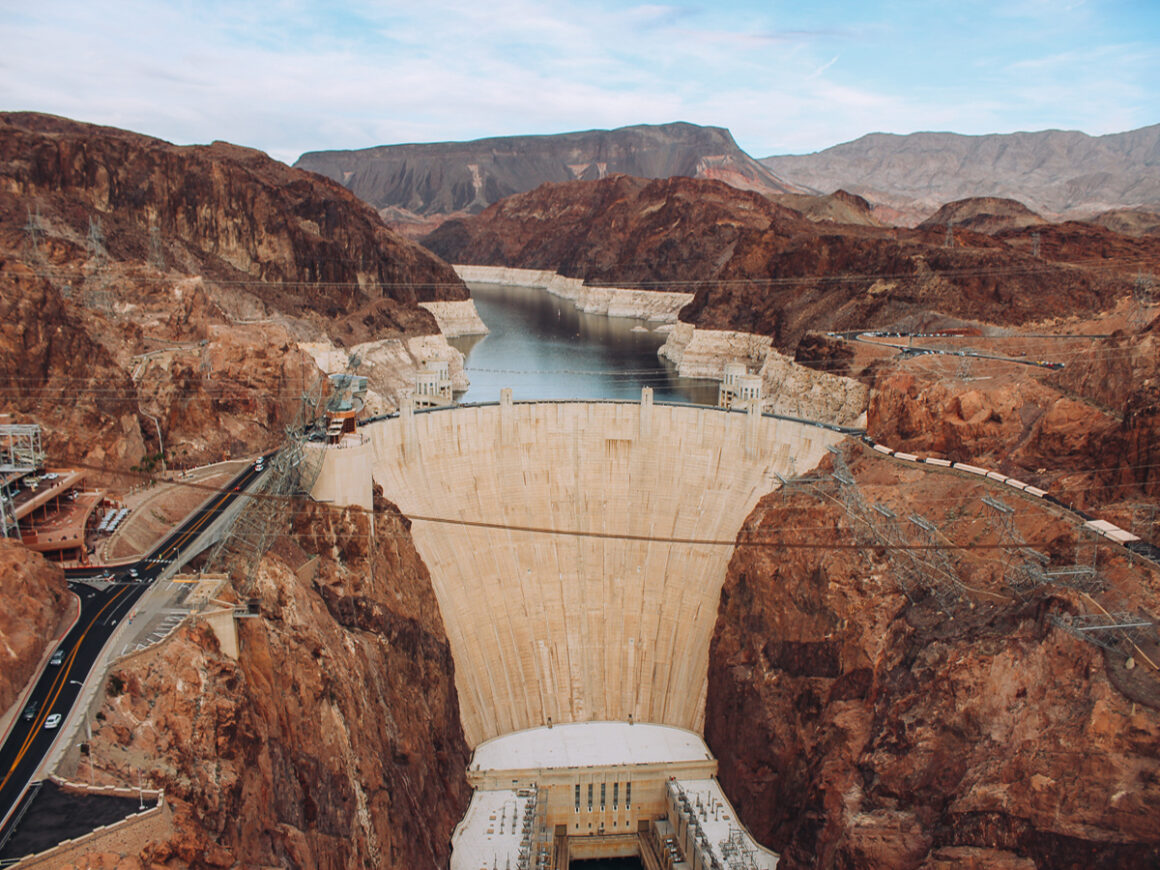
The most straightforward and efficient way to reach Sedona from Las Vegas involves a journey primarily along US-93 S and I-40 E. After departing Las Vegas, you’ll head south on US-93 S, passing through Boulder City. This initial stretch provides an excellent opportunity to marvel at the engineering marvel that is the Hoover Dam and the expansive beauty of the Lake Mead National Recreation Area. While the dam is a slight detour off the most direct path, it’s a historically significant landmark and a popular tourist attraction worth considering for a quick stop and photo opportunity, adding maybe an hour to your trip.
Continuing south, the landscape gradually shifts, with the stark desert giving way to more rugged terrain. You’ll pass through Kingman, Arizona, a historic town that serves as a gateway to portions of the legendary Route 66. From Kingman, you’ll merge onto I-40 E, heading towards Flagstaff. This segment of the journey takes you through picturesque high desert and eventually into the pine forests surrounding Flagstaff, which sits at a higher elevation. Flagstaff itself is a vibrant mountain town, often serving as a hub for adventurers heading to the Grand Canyon or ski resorts. From Flagstaff, Sedona is only about an hour’s drive south via the scenic Highway 89A, which winds down through the breathtaking Oak Creek Canyon, offering stunning views and a dramatic descent into the red rock country. This final stretch is incredibly picturesque and a taste of the natural beauty awaiting you in Sedona.
The Scenic Detour: Incorporating the Grand Canyon South Rim
For those with more time and an appetite for one of the world’s most spectacular natural wonders, integrating the Grand Canyon South Rim into your itinerary is highly recommended. This detour significantly extends the journey, turning it into a full-day excursion or even an overnight stay, but the unparalleled views and profound experience are well worth the extra effort.
From Las Vegas, you’ll still take US-93 S to Kingman, then I-40 E. Instead of heading directly to Flagstaff and then Sedona, you’ll take Highway 64 N from Williams (a charming Route 66 town) directly to the Grand Canyon South Rim. This route adds approximately 1.5 to 2 hours of driving each way to the direct route, not including the time spent exploring the canyon.
Within the Grand Canyon National Park, you can explore Grand Canyon Village, walk along the rim, and take in various viewpoints like Mather Point or Hopi Point. Accommodation options range from historic lodges within the park, such as the El Tovar Hotel or the Bright Angel Lodge, to hotels and motels in nearby Tusayan or Williams. Booking well in advance, especially for in-park lodging, is crucial due to high demand, particularly during peak travel seasons. After soaking in the grandeur of the Grand Canyon, you would then head south on Highway 64 to Flagstaff and continue on to Sedona via Highway 89A. This detour transforms a simple drive into a multi-day travel experience, connecting two of Arizona’s most famous landmarks.
Planning Your Trip: What to Consider for an Optimal Experience
A well-planned trip enhances the overall experience, ensuring comfort, convenience, and opportunities to make the most of your journey and stay. From choosing the right time to visit to securing appropriate accommodation and understanding transportation needs, careful consideration of these factors will contribute to a seamless adventure.
Best Time to Visit Sedona
The ideal time to visit Sedona largely depends on your priorities regarding weather, crowd levels, and activity preferences.
- Spring (March-May): Generally considered the most popular time to visit. Temperatures are mild and pleasant, perfect for hiking and outdoor activities. Wildflowers bloom, adding bursts of color to the red rocks. However, this is also peak season, meaning higher prices for hotels and more crowded trails and attractions.
- Fall (September-November): Another excellent time, offering comfortable temperatures and beautiful fall foliage, especially in Oak Creek Canyon. Crowds are still present but tend to thin out by late fall.
- Summer (June-August): Temperatures can be very hot, often exceeding 100°F (38°C). Hiking is best done in the early morning. Summer is also monsoon season, bringing afternoon thunderstorms that can be dramatic but also refreshing. Despite the heat, summer sees a significant number of visitors, particularly families.
- Winter (December-February): Offers cooler temperatures, and occasionally, a light dusting of snow on the red rocks, creating a magical contrast. This is the off-peak season, meaning fewer crowds and potentially lower accommodation rates. While some trails might be icy, many remain accessible, and the crisp air is invigorating.
Consider the weather along your driving route as well; Flagstaff and the Grand Canyon can experience significant snowfall in winter, which might affect driving conditions.
Accommodation Choices in Sedona
Sedona offers a diverse range of accommodation options to suit every preference and budget, aligning with various lifestyle choices from luxury travel to budget travel.
- Luxury Resorts: For those seeking an indulgent experience, Sedona boasts world-class resorts like Enchantment Resort, known for its stunning views of Boynton Canyon and its spa services, or L’Auberge de Sedona, offering a serene creekside setting. These properties often include exceptional dining, private villas or suites, and comprehensive amenities for a truly pampering stay.
- Boutique Hotels and Inns: Many charming boutique hotels and bed-and-breakfasts provide a more intimate and personalized experience. These often feature unique architecture, locally inspired decor, and excellent service.
- Vacation Rentals: For families or groups, or those planning a long-term stay, vacation rentals (homes, apartments, cabins) are a popular choice, offering privacy, kitchens, and often more space.
- Budget-Friendly Motels: While Sedona can be an expensive destination, there are still several motels and standard hotels that offer comfortable stays at more affordable price points, particularly outside of the busiest seasons.
Regardless of your choice, it is highly recommended to make booking arrangements well in advance, especially during peak season, to secure your preferred accommodation and potentially benefit from better rates. Always check reviews and comparison sites before finalizing your reservation.
Transportation Logistics
A rental car is almost essential for a trip from Las Vegas to Sedona. You can easily pick up a vehicle at Harry Reid International Airport (formerly McCarran) or various downtown Las Vegas locations. Having your own vehicle provides the flexibility to explore at your own pace, stop at viewpoints, and access trailheads in Sedona which are spread out. While there are shuttle services and organized tours that go from Las Vegas to the Grand Canyon, direct public transportation options to Sedona are limited and inconvenient, making a personal vehicle the most practical choice for independent travelers. Ensure your rental includes unlimited mileage and check for any additional fees or insurance needs.
Unveiling Sedona’s Charms: A Destination Guide
Once you arrive in Sedona, you’ll discover a town deeply connected to its natural surroundings and a vibrant tourism scene that caters to a wide array of interests, from outdoor adventure to spiritual enlightenment and cultural immersion.
Iconic Red Rock Landscapes and Outdoor Activities
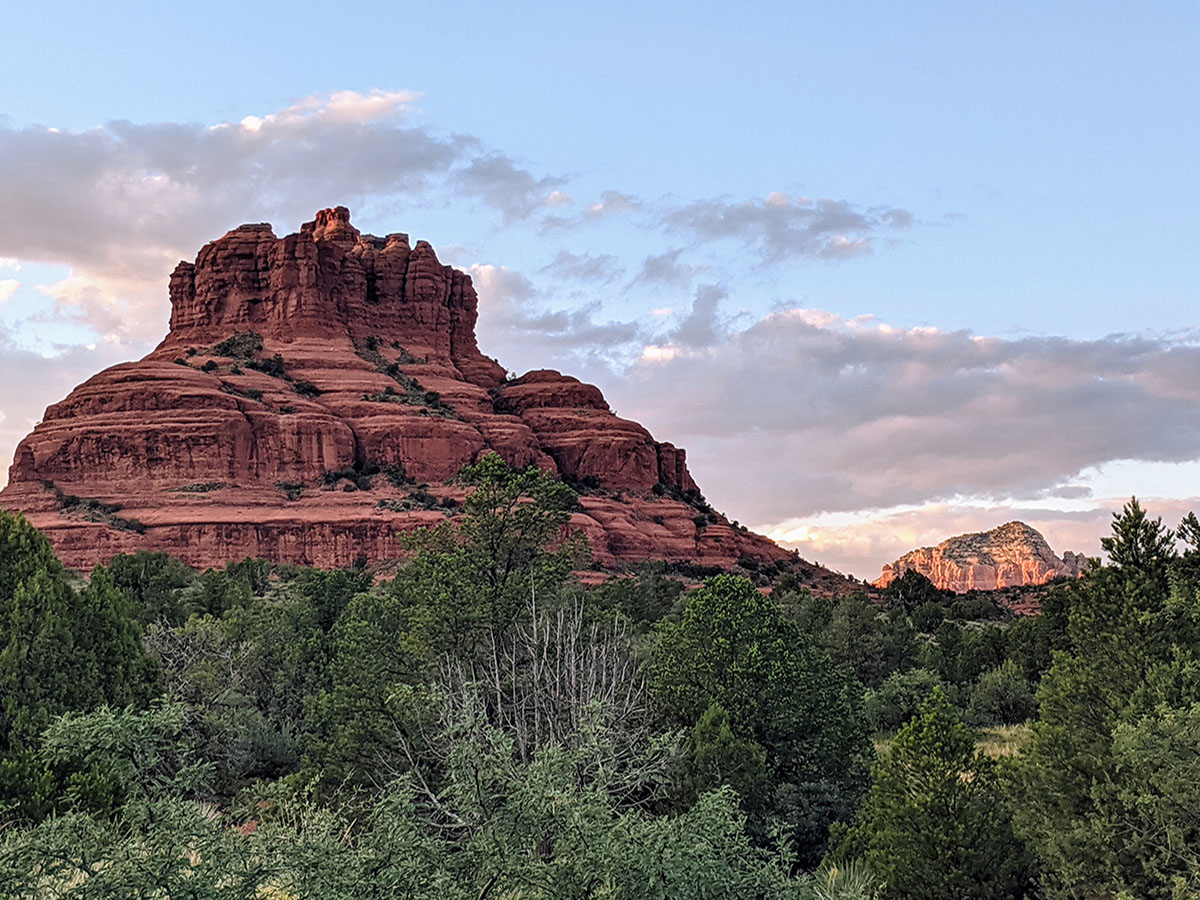
Sedona’s reputation as an outdoor paradise is built upon its extraordinary geological formations. The towering crimson cliffs and mesas, sculpted by millions of years of wind and water, create a dramatic backdrop for countless adventures.
- Hiking and Biking: The area boasts hundreds of miles of trails, catering to all skill levels. Popular trails lead to famous formations like Bell Rock, Cathedral Rock, and Airport Mesa, many of which are considered vortex sites (areas believed to emit a special energy). Mountain biking is equally popular, with numerous singletrack trails winding through the red rocks. Red Rock State Park offers guided nature walks and picturesque trails, while Slide Rock State Park provides a unique opportunity to cool off in natural water slides during warmer months.
- Jeep Tours: For those who prefer a less strenuous but equally thrilling experience, guided jeep tours are a fantastic way to explore rugged terrain and reach viewpoints inaccessible by regular vehicles. These tours often include insights into Sedona’s geology, history, and local culture.
- Photography: Every turn in Sedona offers a postcard-perfect view, making it a dream destination for photographers. Sunrise and sunset paint the rocks in spectacular hues, creating breathtaking scenes.
Exploring Sedona’s Culture and Lifestyle
Beyond its natural beauty, Sedona offers a rich tapestry of culture, art, and lifestyle experiences.
- Art Galleries and Shopping: Sedona has long been an artist’s haven, and its numerous galleries showcase a wide range of styles, from Native American art to contemporary pieces. Tlaquepaque Arts and Shopping Village, modeled after a traditional Mexican village, is a beautiful place to browse galleries, shops, and enjoy fine dining.
- Wellness and Spiritual Retreats: Known for its vortex sites and tranquil atmosphere, Sedona attracts many seeking spiritual renewal and wellness. There are numerous centers offering yoga, meditation, energy healing, and other holistic practices. The iconic Chapel of the Holy Cross, built into the red rocks, offers both architectural beauty and a serene space for contemplation.
- Dining Experiences: The food scene in Sedona ranges from casual cafes to upscale restaurants offering gourmet cuisine with stunning views. Many establishments focus on fresh, local ingredients, catering to diverse palates.
- Stargazing: Due to its dark skies, Sedona is an International Dark Sky Community, offering incredible opportunities for stargazing. Far from the light pollution of Las Vegas, the night sky here is a dazzling display of stars, planets, and the Milky Way.
Maximizing Your Journey: Essential Tips for Travelers
To ensure a smooth and enjoyable travel experience, a few practical tips can make a significant difference, whether you’re embarking on a family trip, a romantic getaway, or a solo adventure.
Budgeting and Saving
Traveling from Las Vegas to Sedona can be adapted to various budgets.
- Accommodation: As mentioned, booking in advance and considering shoulder seasons can help save on hotel costs. Look into vacation rentals for group savings.
- Food: While Sedona has excellent dining, eating out for every meal can add up. Consider packing snacks and drinks for your road trip and perhaps bringing ingredients for a few meals if your accommodation has kitchen facilities. Local grocery stores are readily available.
- Activities: Many of Sedona’s best attractions—its hiking trails and red rock views—are free or require only a small Red Rock Pass for parking at trailheads. Prioritize free outdoor activities and choose one or two paid experiences like a jeep tour or spa treatment if your budget allows.
- Gas Costs: Factor in the cost of fuel for your approximate 560-mile round trip (without the Grand Canyon detour) and local driving in Sedona. Gas prices can fluctuate, so keep an eye on them.
Packing Essentials
Given the diverse activities and varying weather conditions in the Southwest, smart packing is key.
- Layers: Even if you visit during a warm season, temperatures can drop significantly in the evenings, especially in the high desert. Pack layers, including light jackets or sweaters.
- Hiking Gear: Comfortable hiking shoes or boots are a must if you plan to hit the trails. Sun protection (hat, sunglasses, sunscreen) is crucial year-round.
- Water: Bring reusable water bottles and stay hydrated, especially when hiking. The desert climate can be deceptively dry.
- Camera: With such stunning scenery, you’ll want to capture every moment. Don’t forget extra batteries or memory cards.
- Navigation: While cell service is generally good, having an offline map downloaded or a physical map can be helpful for areas with spotty reception.
Safety and Preparedness
A little preparation goes a long way in ensuring a safe and stress-free journey.
- Vehicle Check: Before departing Las Vegas, ensure your rental car is in good condition, with sufficient tire pressure and fluid levels.
- Roadside Assistance: Have contact information for your rental car company’s roadside assistance program.
- Inform Others: Let someone know your travel plans and expected arrival time, especially if you plan to do any remote hiking.
- Wildlife Awareness: Be aware of local wildlife, particularly when driving at dawn or dusk, and maintain a respectful distance from animals on trails.
- Respect Nature: Follow Leave No Trace principles when enjoying the outdoors. Stay on marked trails, pack out all trash, and protect the delicate desert ecosystem.
In conclusion, the distance from Las Vegas to Sedona is a manageable 280-mile drive that opens the door to an incredible transformation from urban entertainment to natural serenity. Whether you opt for the direct path through the high desert or choose the longer, awe-inspiring detour via the Grand Canyon South Rim, the journey itself is rich with changing landscapes and unique experiences. With careful planning regarding the best time to visit, suitable accommodation, and essential travel tips, you can seamlessly transition from the vibrant energy of Las Vegas to the tranquil, spiritual beauty of Sedona’s red rocks, creating memories that will last a lifetime. This trip isn’t just about covering miles; it’s about discovering two distinct facets of the American Southwest.
LifeOutOfTheBox is a participant in the Amazon Services LLC Associates Program, an affiliate advertising program designed to provide a means for sites to earn advertising fees by advertising and linking to Amazon.com. Amazon, the Amazon logo, AmazonSupply, and the AmazonSupply logo are trademarks of Amazon.com, Inc. or its affiliates. As an Amazon Associate we earn affiliate commissions from qualifying purchases.