
For many visitors planning a trip to the dazzling oasis of Las Vegas, a common question often surfaces amidst the excitement of booking luxury suites, researching thrilling attractions, and mapping out the perfect itinerary: “Is the tap water safe to drink?” This seemingly simple query touches upon fundamental aspects of travel and lifestyle, from health and hydration to budget and environmental consciousness. Given Las Vegas’s unique location in the arid Mojave Desert and its reputation as a city of excess, it’s understandable why travelers might harbor doubts. However, the resounding answer, backed by rigorous scientific testing and state-of-the-art infrastructure, is a confident yes.

The Verdict: Is Las Vegas Tap Water Safe to Drink?
Stepping off the plane into the vibrant energy of Las Vegas, one might be forgiven for a momentary pause regarding the local water supply. Surrounded by vast stretches of desert, it feels counter-intuitive that a city renowned for its elaborate fountains, sprawling pool complexes, and lush golf courses could sustain such lavish water usage, let alone provide potable tap water straight from the faucet. Yet, this perception often belies the sophisticated reality of Las Vegas’s water management.
A Resounding Yes: High-Quality and Regulated
The tap water in Las Vegas, and indeed across the entire Southern Nevada region, is not only safe but also consistently meets or exceeds all federal and state drinking water standards. This high quality is thanks to the diligent efforts of the Southern Nevada Water Authority (SNWA), the regional water wholesaler, which is responsible for treating and delivering water to more than 2.3 million residents and millions of annual visitors. The SNWA operates under strict guidelines set forth by the United States Environmental Protection Agency (EPA) and the Nevada Division of Environmental Protection (NDEP).
Every day, hundreds of tests are performed on water samples taken from various points across the system, ensuring that what comes out of your tap, whether in a grand hotel on The Strip or a cozy Airbnb in a residential neighborhood, is clean, clear, and safe for consumption. These tests monitor for a wide array of potential contaminants, including bacteria, viruses, lead, pesticides, and other substances, consistently affirming the water’s potable status. This commitment to quality means that visitors can confidently fill up a reusable bottle, drink from a hotel room tap, or enjoy a glass of water at any restaurant without health concerns.
Dispelling the Myths: Desert Oasis vs. Reality
The myth that Las Vegas tap water is unsafe often stems from a few misconceptions. Firstly, the city’s desert location naturally leads some to assume water scarcity translates to poor quality, or that the water must be heavily desalinated or chemically treated to be usable. In reality, while water conservation is paramount in Las Vegas, the source and treatment processes are entirely conventional and highly effective.
Secondly, the very image of Las Vegas as a hedonistic playground can sometimes create an association with a lack of basic civic services or infrastructure. However, behind the flashing lights and extravagant shows lies a city with robust urban planning, sophisticated utilities, and a deep commitment to public health and safety, mirroring any major city in the United States. Tourists are often surprised to learn that the city’s infrastructure, particularly its water system, is among the most advanced in the nation. This level of investment ensures that the quality of life, and indeed the quality of tap water, is maintained to the highest standards, ensuring a comfortable and worry-free experience for residents and travelers alike.
Where Does Las Vegas Get Its Water?
Understanding the source of Las Vegas’s water is key to appreciating its safety and the incredible engineering required to sustain a bustling metropolis in such an arid environment. It’s a testament to human ingenuity and foresight that a city of this magnitude can thrive, drawing life from a distant, yet carefully managed, natural resource.
The Lifeline of the Colorado River and Lake Mead
Approximately 90% of Las Vegas’s municipal water supply originates from the mighty Colorado River. This legendary river, spanning over 1,450 miles, is a vital artery for seven U.S. states and parts of Mexico, supplying water for agriculture, industry, and municipal use. Before reaching Las Vegas, the Colorado River water is impounded in Lake Mead, one of the largest man-made reservoirs in the world, created by the iconic Hoover Dam.
Lake Mead serves as the primary storage and delivery point for Southern Nevada. The water drawn from Lake Mead isn’t directly consumed; rather, it undergoes an extensive purification process before it ever reaches a tap. The remaining 10% of Las Vegas’s water supply comes from groundwater sources, primarily from deep aquifers located within the Las Vegas Valley. This blend ensures a robust and resilient water system, capable of meeting the demands of a growing population and a thriving tourism industry.
The long journey from the Rocky Mountains, through the Colorado River basin, and into Lake Mead means the water naturally accumulates various minerals along the way. While these minerals contribute to the distinct “taste” of Las Vegas water, they are not harmful and are a natural component of many municipal water supplies sourced from rivers and reservoirs.
The Sophisticated Treatment Process
Once extracted from Lake Mead through massive intake pipes, the raw water is transported to one of the SNWA’s advanced water treatment facilities. These facilities are engineering marvels, employing multiple barriers and sophisticated technologies to transform raw lake water into pristine drinking water. The multi-stage treatment process typically includes:
- Coagulation and Flocculation: Chemicals are added to the water to bind small particles together, forming larger, heavier “floc” that can be easily removed.
- Sedimentation: The flocculated water is then moved to large settling basins where gravity causes the heavier floc particles to sink to the bottom.
- Filtration: The water passes through layers of sand, gravel, and charcoal filters, which physically remove any remaining suspended particles, parasites, and bacteria. This step is crucial for clarity and purity.
- Disinfection: To eliminate any remaining harmful microorganisms, the water is disinfected, primarily using chloramines (a combination of chlorine and ammonia). Chloramines provide long-lasting disinfection as the water travels through the distribution system to homes and hotels, preventing bacterial regrowth.
- Corrosion Control: Adjustments are made to the water’s pH and alkalinity to prevent corrosion in pipes, which helps reduce the potential for lead and copper leaching from older plumbing systems.
This meticulous treatment process ensures that by the time the water leaves the treatment plant, it is free from harmful contaminants and safe for human consumption.
Rigorous Testing and Standards by SNWA
The work doesn’t stop at the treatment plant. The SNWA’s state-of-the-art laboratory continuously monitors water quality. Over 300,000 analyses are performed annually on thousands of water samples collected throughout the distribution system. These tests check for more than 100 regulated and unregulated contaminants, far exceeding basic regulatory requirements.
The SNWA publishes an annual Water Quality Report, also known as a Consumer Confidence Report (CCR), which is readily available to the public. This report details the source of the water, the contaminants detected, and how the water quality compares to state and federal standards. Transparency is a cornerstone of their operation, ensuring that consumers in Southern Nevada are fully informed about their drinking water. This commitment to rigorous testing and open reporting should provide immense reassurance to any visitor concerned about the safety of Las Vegas tap water.
Understanding the Taste and Quality
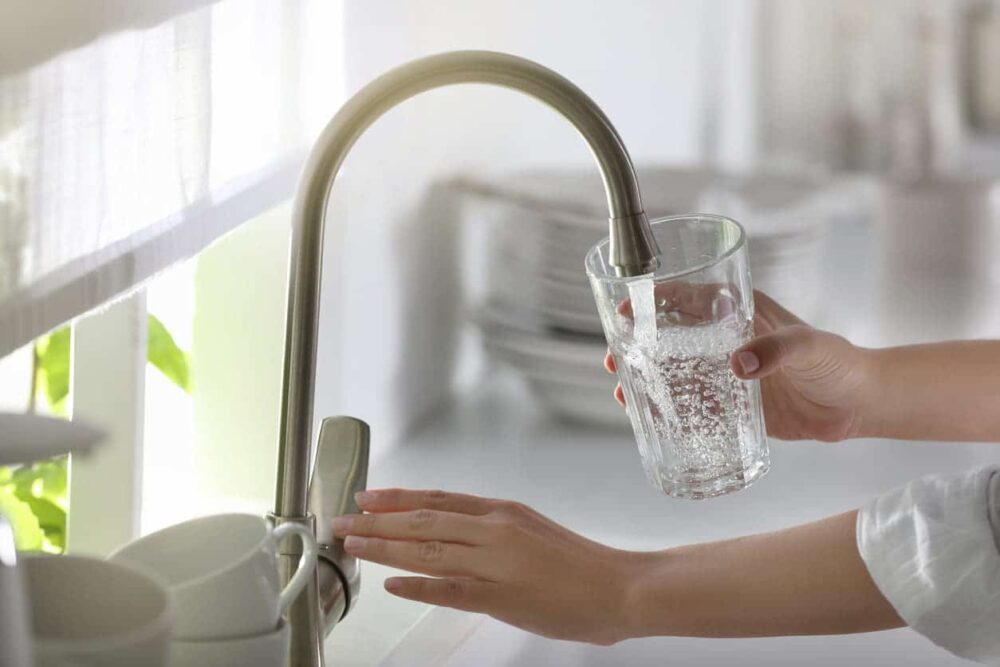
While safety is paramount, taste is often the next factor that comes to mind when considering tap water. Many travelers have experienced municipal water supplies with distinctive tastes that, while harmless, might not be to everyone’s preference. Las Vegas tap water is no exception, possessing a unique flavor profile influenced by its source and treatment.
What Influences the Flavor? (Chlorine, Minerals)
The taste of Las Vegas tap water is primarily influenced by two factors: minerals and disinfectants.
- Minerals: As water travels from the Colorado River through various geological formations to Lake Mead, it naturally picks up dissolved minerals like calcium, magnesium, and bicarbonates. These minerals contribute to what is often referred to as “hard water.” While harmless, these minerals can impart a slightly earthy or mineral-rich taste that differs from softer water sources found in other regions. Some people find this taste refreshing, while others, particularly those accustomed to very soft or filtered water, might notice it more distinctly.
- Disinfectants (Chloramines): As mentioned earlier, chloramines are used to disinfect the water and maintain its quality throughout the distribution system. While essential for public health, chloramines can sometimes impart a faint chemical or “chlorine-like” smell or taste, especially if you are sensitive to it. This is more common in warmer water or if the water has been sitting in pipes for a while.
It’s important to reiterate that these flavor characteristics do not indicate contamination or unsafe water. They are simply byproducts of the natural environment and necessary public health measures.
The Science Behind the Softness/Hardness
Las Vegas water is generally considered moderately hard to hard. Water hardness is determined by the concentration of dissolved calcium and magnesium. While hardness doesn’t pose any health risks, it can manifest in noticeable ways:
- Soap Scum: Hard water can make it harder for soap to lather effectively, leading to more soap scum in sinks and showers.
- Mineral Deposits: You might notice white mineral deposits (limescale) on faucets, showerheads, or in kettles, especially after the water has evaporated.
- Dry Skin/Hair: Some people report feeling that hard water leaves their skin or hair feeling drier after showering.
Despite these aesthetic and practical considerations, the hardness of the water does not affect its potability. Many residents and hotels in Las Vegas use water softeners to mitigate these effects, but the water coming into the property is still safe to drink even without softening.
Common Concerns and Solutions (Filters)
For visitors who are particularly sensitive to the taste of tap water or prefer the purest possible flavor, there are simple solutions:
- Water Filters: Many hotels, particularly those offering extended stays or apartment-style accommodations, might have filtered water systems in their rooms. If not, a portable water filter pitcher or a bottle with an integrated filter can significantly improve the taste by removing chlorine and some mineral compounds.
- Chilling the Water: A common trick to reduce the perception of chlorine taste is to chill the water. Keep a pitcher of tap water in the refrigerator for a few hours before drinking.
- Adding Flavor: A slice of lemon, lime, cucumber, or a few berries can naturally enhance the taste of tap water, making it more palatable and refreshing.
Ultimately, while the taste might differ from what you’re accustomed to, the underlying quality and safety of Las Vegas tap water remain consistently high.
Hydration in the Desert: Practical Tips for Visitors
Visiting Las Vegas means stepping into a desert environment, where temperatures can soar, especially during the summer months. Proper hydration isn’t just a recommendation; it’s a necessity for enjoying your trip safely and comfortably. Leveraging the readily available and safe tap water is an excellent strategy for staying hydrated.
Staying Hydrated on the Strip and Beyond
Whether you’re exploring the colossal resorts like Caesars Palace, Bellagio, or The Venetian, hiking through the stunning Red Rock Canyon just a short drive away, or simply strolling down The Strip, it’s easy to become dehydrated without realizing it. The dry air and often high temperatures can accelerate fluid loss through perspiration.
Here are some practical tips for staying hydrated:
- Carry a Reusable Water Bottle: This is the most effective and eco-friendly way to ensure you always have water on hand. Many resorts and public areas have water fountains or bottle-filling stations.
- Drink Proactively: Don’t wait until you feel thirsty. Sip water regularly throughout the day, especially if you’re engaging in activities, gambling, or consuming alcoholic beverages. Alcohol is a diuretic and will increase your need for water.
- Utilize Hotel Room Tap Water: Your hotel room faucet provides a safe and free source of drinking water. Fill your bottle before heading out for the day or replenish it upon your return.
- Ask for Tap Water at Restaurants: In any restaurant or bar in Las Vegas, you can confidently ask for a glass of tap water, which will be served chilled and is perfectly safe.
- Be Mindful of Activity Levels: If you’re planning strenuous activities like a long walk along The Strip, a round of golf, or an excursion to places like Valley of Fire State Park or the Grand Canyon, increase your water intake significantly.
Environmentally Conscious Choices: Reusable Bottles
Choosing to drink tap water and using a reusable bottle aligns perfectly with sustainable travel practices. The environmental impact of single-use plastic water bottles is substantial, contributing to landfills and ocean pollution. By opting for tap water, you not only save money (bottled water can be surprisingly expensive in tourist areas) but also reduce your carbon footprint. Many Las Vegas establishments, particularly newer ones or those with a focus on wellness, are increasingly offering filtered water stations to encourage this eco-friendly choice. This small lifestyle adjustment can make a big difference, allowing you to enjoy your luxury travel experience responsibly.
Tap Water in Hotels and Restaurants
You can rest assured that any water provided by hotels, resorts, and restaurants in Las Vegas is held to the same high standards as the water flowing through the city’s municipal system. Whether it’s the water served with your meal, the ice in your drink, or the tap water in your suite’s bathroom, it comes from the same treated, tested, and safe supply. This extends to even the most opulent accommodations; a stay at properties like the Four Seasons Las Vegas or Aria Resort & Casino guarantees access to perfectly potable water. Many hotels also provide complimentary bottled water in rooms, a nice amenity, but not a necessity for safety reasons.
For those planning longer stays or opting for vacation rentals, having access to safe tap water simplifies daily life and budgeting. You won’t need to constantly purchase bottled water, freeing up funds for more attractions, dining experiences, or even a few extra spins at the casino.
In conclusion, when you visit Las Vegas, you can confidently drink the tap water. It is safe, thoroughly treated, and constantly monitored to meet stringent quality standards. Embracing this reliable resource allows you to stay well-hydrated, save money, and make an environmentally responsible choice, contributing to a more enjoyable and sustainable travel experience in the Entertainment Capital of the World.
LifeOutOfTheBox is a participant in the Amazon Services LLC Associates Program, an affiliate advertising program designed to provide a means for sites to earn advertising fees by advertising and linking to Amazon.com. Amazon, the Amazon logo, AmazonSupply, and the AmazonSupply logo are trademarks of Amazon.com, Inc. or its affiliates. As an Amazon Associate we earn affiliate commissions from qualifying purchases.