
Welcome to Las Vegas, the dazzling oasis in the Nevada desert, a city synonymous with bright lights, endless entertainment, and a vibrant energy that seems to defy the very concept of time. Yet, beneath the perpetual glow of neon and the round-the-clock allure of its casinos, Las Vegas operates on a very specific schedule. For travelers planning their dream escape to this extraordinary destination, understanding the local time zone isn’t just a trivial detail; it’s a fundamental piece of information that can significantly impact everything from flight schedules and hotel check-ins to showtimes and day trip itineraries. So, to answer the burning question directly: Yes, Las Vegas observes Pacific Standard Time (PST) for part of the year and Pacific Daylight Time (PDT) during Daylight Saving Time. This means it is GMT-8 during standard time and GMT-7 during Daylight Saving Time.

While the city’s reputation for never sleeping might suggest it exists outside conventional temporal constraints, Las Vegas adheres to the rhythm of the clock like any other major United States city. For those venturing from different corners of the globe or even other states within the United States, a clear grasp of this time zone is essential for a seamless and enjoyable travel experience. In the following sections, we’ll delve deeper into what Pacific Standard Time entails, how Daylight Saving Time affects Las Vegas, and crucial tips for managing your schedule to maximize every moment in this incredible city.
Understanding Time Zones in the United States
The United States is a vast country spanning several degrees of longitude, necessitating the division into multiple standard time zones to accommodate the Earth’s rotation and ensure a consistent daily rhythm for its inhabitants. These time zones are crucial for everything from national broadcasting schedules to coordinating business operations across state lines.
The Pacific Standard Time Zone Explained
The Pacific Standard Time (PST) zone is one of the four primary time zones observed in the continental United States. It is observed in states primarily located along the Pacific coast, hence its name. PST is eight hours behind Coordinated Universal Time (UTC-8), which is the primary time standard by which the world regulates clocks and time. UTC is essentially interchangeable with Greenwich Mean Time (GMT) for practical purposes.
States that primarily observe PST include California, Oregon, Washington, and Nevada. Portions of Idaho also fall within this zone. This means that when it’s noon in Las Vegas, it’s 1 PM in the Mountain Time Zone (e.g., Denver, Colorado), 2 PM in the Central Time Zone (e.g., Chicago, Illinois), and 3 PM in the Eastern Time Zone (e.g., New York City, Florida). This difference becomes particularly important for travelers arriving from or coordinating with individuals in these other time zones. For instance, if you’re trying to call home to the East Coast, you’ll need to remember that they are three hours ahead, making a late-night call in Las Vegas an even later one for your family or friends.
Daylight Saving Time and its Impact on Las Vegas
Like most of the United States, Las Vegas observes Daylight Saving Time (DST). This practice involves advancing clocks by one hour during warmer months so that evening daylight lasts longer, while sacrificing normal sunrise times. In the United States, DST typically begins on the second Sunday in March and ends on the first Sunday in November.
When Daylight Saving Time is in effect, Las Vegas switches from Pacific Standard Time (PST, UTC-8) to Pacific Daylight Time (PDT, UTC-7). This means that during the spring, summer, and early fall, the city is only seven hours behind Coordinated Universal Time. For visitors, this shift can mean an extra hour of daylight in the evenings, perfect for enjoying outdoor attractions like the Bellagio Fountains or exploring the Las Vegas Strip under a natural glow before the neon fully takes over.
It’s crucial for travelers to be aware of these transitions, especially if their trip coincides with the “spring forward” or “fall back” dates. Arriving a day after the clocks change could mean an unexpected hour difference, potentially impacting flight connections or early morning plans. It’s always advisable to confirm the current time zone status when booking travel, particularly for international flights or meticulously planned itineraries. One notable exception to DST in the region is Arizona, which does not observe it, remaining on Mountain Standard Time year-round. While not directly affecting Las Vegas, it’s a detail to remember if you’re planning a day trip to the Grand Canyon or other attractions bordering Arizona.
Las Vegas and its Unique Relationship with Time
Las Vegas is often described as a city that never sleeps, a place where the concept of time seems to blur amidst the constant entertainment, late-night dining, and 24/7 casino floors. While this vibrant atmosphere contributes to its legendary appeal, it doesn’t exempt the city from the practicalities of a standard time zone.
Why the Time Zone Matters for Visitors
Beyond merely knowing what time it is, understanding the Pacific Time Zone is vital for several aspects of a Las Vegas vacation. First and foremost, flights and transportation schedules strictly adhere to local time. Arriving from a different time zone means your body clock will need to adjust. For example, East Coast travelers face a three-hour time difference, meaning an 8 PM show in Las Vegas might feel like 11 PM to their internal clock, impacting their energy levels and ability to fully enjoy the experience.
Hotel check-in and check-out times are rigid. Most hotels in Las Vegas, from luxury resorts like The Venetian Resort Las Vegas and Aria Resort & Casino to more budget-friendly accommodations, will have specific times, often around 3 PM for check-in and 11 AM for check-out, all based on PST/PDT. Missing these windows due to miscalculated time differences can lead to additional fees or delays.
Furthermore, day trips and excursions outside the city often involve travel across different state lines and potentially different time zones. A popular example is a trip to the Grand Canyon, where the South Rim is in Arizona and, as mentioned, Arizona doesn’t observe Daylight Saving Time. This means that during DST, the time in Arizona will be an hour ahead of Las Vegas, potentially causing confusion for guided tour departure times or self-driving schedules. Even a trip to the nearby Hoover Dam, which straddles the Nevada and Arizona border, can present minor time zone quirks depending on which side you are viewing it from during Daylight Saving Time.
The City That Never Sleeps (But Still Follows the Clock)
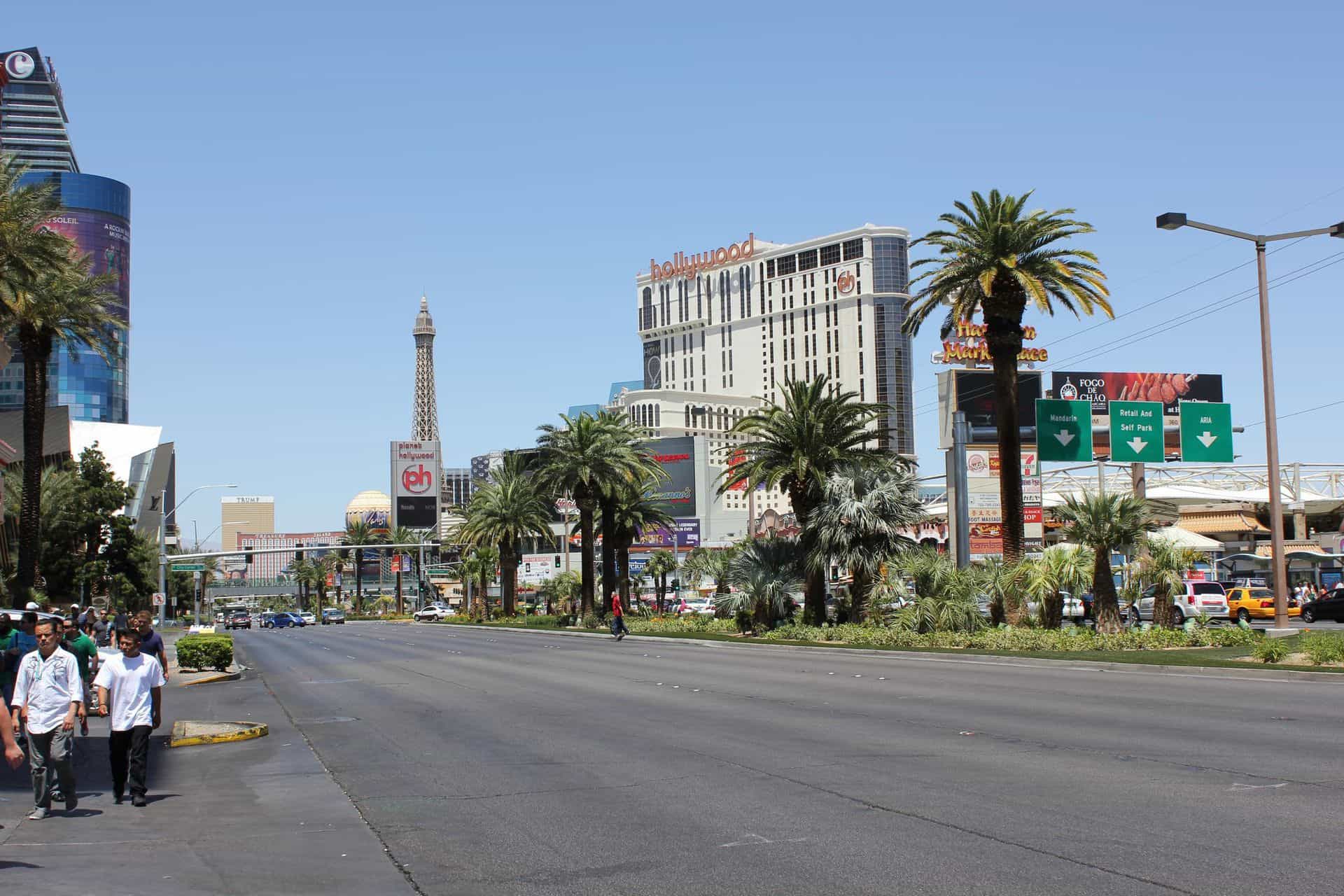
While the vibrant atmosphere of Las Vegas certainly gives the impression of a timeless realm, the reality is that the entire ecosystem of the city is meticulously orchestrated around its time zone. Shows, like those by Cirque du Soleil at venues like Bellagio or MGM Grand, adhere to strict curtain times. Reservations at world-class restaurants, from celebrity chef eateries at Caesars Palace to more casual dining spots, are all based on PST/PDT. Even the operational hours of attractions like the High Roller Observation Wheel or retail stores in mega-resorts such as Resorts World Las Vegas are governed by the clock.
The illusion of timelessness comes from the city’s unique ability to cater to every whim, regardless of the hour. You can find breakfast at 3 AM, play blackjack at 5 AM, or enjoy a gourmet meal at midnight. This 24/7 availability creates an environment where visitors might lose track of the actual time, but the city itself is always on schedule. This characteristic is part of the allure; it allows travelers to construct their own internal clock, adapting to the city’s pace rather than their usual daily routines. However, for those crucial bookings and appointments, knowing the correct local time is paramount.
Planning Your Las Vegas Trip Around Time
Strategic planning, especially regarding time, can transform a good trip to Las Vegas into an exceptional one. Accounting for time zone differences and effectively managing your schedule will help you avoid potential pitfalls and fully immerse yourself in all the city has to offer.
Adjusting to the Time Difference: Tips for Travelers
For visitors traveling from distant time zones, particularly those from the East Coast or international destinations, jet lag can be a real challenge. The three-hour difference from the Eastern Time Zone in the United States, and even greater differences from Europe or Asia, can leave you feeling disoriented and fatigued. Here are some tips to help you adjust:
- Shift Gradually Before You Go: A few days before your trip, try to adjust your sleep schedule by an hour or so each day towards Pacific Time.
- Hydrate: Drink plenty of water before, during, and after your flight to combat dehydration, which can worsen jet lag symptoms.
- Adjust Immediately Upon Arrival: Once you land in Las Vegas, set your watch to local time and try to stick to that schedule for meals and sleep, even if you’re not feeling hungry or tired. Resist the urge to nap for too long during the day.
- Seek Sunlight: Natural light helps reset your body clock. Spend some time outdoors during the day, perhaps by the pool or strolling along the Las Vegas Strip.
- Avoid Excessive Alcohol and Caffeine: While tempting, these can disrupt your sleep patterns and exacerbate jet lag.
- Plan Your First Day Lightly: Don’t schedule too many demanding activities on your arrival day. Allow yourself time to settle in and explore at a relaxed pace. This is especially true if you’re indulging in luxury travel, where comfort and relaxation are paramount.
Scheduling Shows, Dining, and Attractions
With Las Vegas’s incredible array of entertainment, dining, and attractions, careful scheduling is key. All bookings for these experiences will be in local Pacific Standard Time (or Pacific Daylight Time during DST).
- Shows: Whether you’re seeing a magic act, a concert, or a world-renowned production like O by Cirque du Soleil at the Bellagio, showtimes are firm. Arriving late means missing parts of the performance or even being denied entry. Double-check your tickets for the exact time and plan to arrive at least 30 minutes early, especially for large venues like the Colosseum at Caesars Palace or the Park Theater at Park MGM, to allow for seating and concessions.
- Dining Reservations: Las Vegas boasts some of the finest restaurants in the world. Popular eateries, especially those for fine dining, often require reservations well in advance. Always confirm your reservation time in local time. Being late for a reservation can result in losing your table, particularly during peak hours.
- Attractions and Excursions: From venturing to the top of the Stratosphere Tower to embarking on a helicopter tour over the Grand Canyon or visiting the Mob Museum, most attractions have specific operating hours. Guided tours will have strict departure times. If you’re planning a bus tour or renting a car for a day trip to sites like the Valley of Fire State Park or Red Rock Canyon National Conservation Area, always account for travel time in Pacific Time.
For business stays, adherence to the local time is even more critical. Conferences, meetings, and conventions run on tight schedules. Being punctual is not just good etiquette but a necessity for successful networking and engagement. Always synchronize your devices to local Las Vegas time upon arrival.
Beyond the Clock: Time and the Las Vegas Experience
While understanding the exact time zone is practical, the unique relationship Las Vegas has with the concept of time extends beyond mere scheduling. It plays a significant role in the overall atmosphere and lifestyle the city offers.
Impact on Business and Conventions
Las Vegas is not just a leisure destination; it’s a global hub for conventions and business travel. Major events, trade shows, and corporate gatherings take place year-round at expansive venues like the Las Vegas Convention Center or within the dedicated convention spaces of mega-resorts such as MGM Grand and Mandalay Bay. The adherence to Pacific Standard Time ensures consistency for national and international attendees. For business travelers, this means precise scheduling for meetings, keynote speeches, and networking events. Coordinating with colleagues in different time zones requires meticulous planning, often involving early mornings or late evenings for one party to match the working hours of another. The seamless operation of these large-scale events hinges on everyone being synchronized to the local Las Vegas time. This precision underscores the city’s professionalism as a business destination, even amid its entertainment reputation.
The Perpetual Energy of the Las Vegas Strip
Perhaps the most captivating aspect of Las Vegas’s relationship with time is the way it manages to create a perpetual sense of excitement and energy that often makes visitors forget what hour it is. The Las Vegas Strip, a roughly 4.2-mile stretch of Las Vegas Boulevard South, is a testament to this. Here, daylight hours melt into vibrant nights almost imperceptibly.
The architecture of the major resorts, such as Caesars Palace with its Romanesque grandeur, The Venetian Resort Las Vegas recreating Venice‘s canals, or the futuristic designs of Aria Resort & Casino, are designed to be stunning at any time of day or night. Inside the casinos, the absence of natural light, coupled with the constant hum of slot machines and table games, can truly disorient one’s sense of time, contributing to the feeling of an endless present. This carefully curated environment allows for an uninterrupted flow of experiences, from late-night shows to early-morning spa treatments.
For the budget traveler, this means that activities and dining options are available around the clock, allowing flexibility in planning to stretch their dollars further. For the luxury traveler, it translates into bespoke services and amenities accessible whenever desired. Family trips can also benefit from this adaptability, as it allows for varied schedules to accommodate different age groups and preferences, though monitoring actual clock time is still important for ensuring children get adequate rest. The city’s ability to maintain this level of constant activity and service, all while adhering to the Pacific Time Zone, is a remarkable feat of urban planning and hospitality. It is this paradoxical blend of a fixed time zone and a seemingly timeless experience that truly defines the magic of Las Vegas.
In conclusion, Las Vegas does indeed operate on Pacific Standard Time (PST) and observes Daylight Saving Time, shifting to Pacific Daylight Time (PDT) during the warmer months. While the city’s vibrant 24/7 atmosphere might make you forget the hour, understanding and planning around this time zone is crucial for a smooth and enjoyable visit. By taking into account flight schedules, hotel timings, show curtain calls, and dining reservations, travelers can fully immerse themselves in the unique experiences Las Vegas has to offer, making the most of every precious moment in this unforgettable destination.
LifeOutOfTheBox is a participant in the Amazon Services LLC Associates Program, an affiliate advertising program designed to provide a means for sites to earn advertising fees by advertising and linking to Amazon.com. Amazon, the Amazon logo, AmazonSupply, and the AmazonSupply logo are trademarks of Amazon.com, Inc. or its affiliates. As an Amazon Associate we earn affiliate commissions from qualifying purchases.