
For many travelers, Southwest Airlines represents a preferred choice for its customer-friendly policies, direct flights, and competitive fares. However, when dreaming of a journey to the majestic wilderness of Alaska, a common question arises: does Southwest Airlines extend its wings to the Last Frontier? The concise answer, as of now, is no. Southwest Airlines does not offer direct flights to any destinations within Alaska. This may come as a surprise to some, given their extensive network across the United States and select international locations. Understanding the strategic decisions behind Southwest Airlines’ route planning, and exploring the fantastic alternatives available, is key to charting your course for an unforgettable Alaskan adventure.
Southwest Airlines’ Network: A Strategic Focus
Southwest Airlines has built its reputation on a distinct operational model that prioritizes efficiency, customer value, and a robust point-to-point network. This strategy has largely defined its reach, explaining why certain destinations, like Alaska, currently remain outside its flight path.
Understanding Southwest’s Business Model
Southwest Airlines operates primarily within the continental United States, focusing on high-frequency, short to medium-haul routes. Their business model emphasizes direct flights between cities, often bypassing traditional hub-and-spoke systems, which helps them maintain lower operating costs and pass savings onto passengers. This model has been incredibly successful, making them a dominant carrier in many domestic markets. Their network extends beyond the contiguous states to popular leisure destinations such as Hawaii, the Caribbean, Mexico, and Central America, typically serving major tourist centers with relatively straightforward operational requirements.
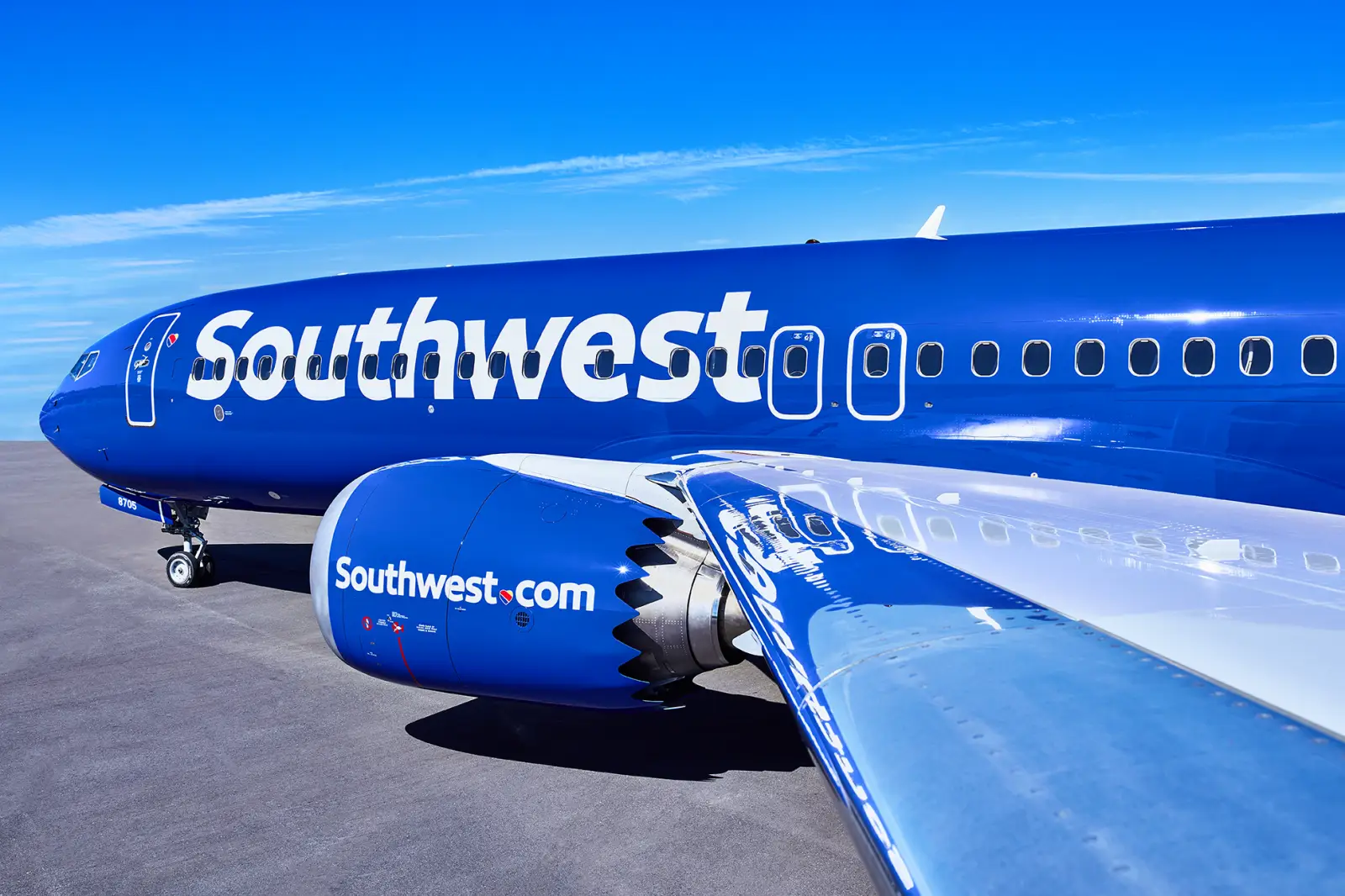
The airline’s fleet is another defining characteristic. Southwest Airlines exclusively operates Boeing 737 aircraft. While the Boeing 737 is a highly versatile and efficient plane for most of their routes, it has certain range limitations compared to larger, wide-body jets used by other airlines for longer, more remote flights. Flying to Alaska from many of the major population centers in the lower 48 states often entails significant distances that challenge the optimal range and fuel efficiency of a Boeing 737 for a point-to-point, non-stop service without substantial payload restrictions. This fleet standardization contributes to their operational simplicity and cost control but also subtly shapes their network expansion decisions.
The Operational Realities of Alaskan Travel
Alaska presents unique operational challenges for airlines. The sheer vastness of the state, coupled with its often extreme weather conditions, requires a different set of considerations for flight planning and execution. Winters bring heavy snow, ice, and reduced visibility, while even summers can see unpredictable weather patterns that can impact flight schedules. Many Alaskan airports, while well-equipped, may have different infrastructure and support services compared to the bustling metropolitan airports Southwest Airlines typically serves.
Furthermore, the demand for travel to Alaska tends to be highly seasonal, with peak tourism occurring during the summer months. This seasonality can make it challenging for an airline like Southwest to maintain consistent, profitable service year-round, which is a cornerstone of their operational model. While Southwest Airlines continuously evaluates new markets, the unique blend of long distances, challenging weather, and seasonal demand likely plays a significant role in their current absence from the Alaskan skies.
Your Gateway to the Last Frontier: Alternative Airlines for Alaska
While Southwest Airlines may not be an option, numerous other reputable airlines offer extensive service to Alaska, ensuring that your dream trip to explore its stunning natural beauty, vibrant local culture, and incredible wildlife is well within reach. These carriers are well-versed in the specific demands of Alaskan travel and provide a variety of routes, schedules, and service levels to suit every traveler’s needs.
Major Carriers Serving Alaska
When planning your journey to Alaska, you’ll find a strong presence from several major U.S. carriers, each offering distinct advantages:

- Alaska Airlines: As the namesake carrier, Alaska Airlines is undoubtedly the dominant player. With a comprehensive network across the state, including many smaller regional communities, they are the go-to choice for domestic Alaskan travel. Their main hub in Seattle offers numerous daily flights to major Alaskan cities like Anchorage and Fairbanks, as well as to destinations along the Inside Passage. Their deep understanding of the region’s unique operational requirements makes them a reliable and experienced choice.
- Delta Air Lines: Delta offers extensive service to Alaska from its major hubs, particularly Seattle, Minneapolis, and Salt Lake City. They provide a comfortable travel experience with connections from across their global network, making them an excellent option for travelers coming from various parts of the United States or even internationally.
- United Airlines: United also serves Alaska with flights primarily from its hubs in Denver, Chicago, Houston, and San Francisco. They offer a wide range of flight times and connectivity, catering to both leisure and business travelers looking to reach Anchorage or Fairbanks.
- American Airlines: American Airlines provides seasonal service to Alaska during the peak summer months, primarily from hubs like Dallas/Fort Worth, Phoenix, and Charlotte. Their seasonal routes are a convenient option for travelers from the southern and eastern United States.
- Sun Country Airlines: This low-cost carrier offers seasonal flights to Anchorage from its base in Minneapolis. Sun Country can be a great option for budget-conscious travelers looking for direct flights during the summer.
Navigating Alaskan Airports
Your Alaskan journey will most likely begin or end at one of the state’s primary international airports, which serve as crucial gateways for both visitors and residents.
- Ted Stevens Anchorage International Airport (ANC): Located in Anchorage, ANC is the busiest airport in Alaska and the main entry point for most travelers. It offers a wide array of amenities, car rental services, and connections to smaller regional airports. From Anchorage, you can easily access destinations like Denali National Park and Preserve, the Kenai Peninsula, and the Alaska Railroad.
- Fairbanks International Airport (FAI): Situated in Fairbanks, FAI is the second-busiest airport and is particularly popular for those chasing the Northern Lights in winter or exploring the vast interior wilderness. It provides access to Arctic adventures and is a common starting point for trips further north.
- Juneau International Airport (JNU): As the capital city, Juneau is primarily accessible by air or sea, as there are no roads connecting it to the rest of Alaska. JNU is a vital hub for accessing the breathtaking Inside Passage and offers unique opportunities for glacier viewing and wildlife excursions.
When selecting your airline, consider factors like your departure city, desired arrival point in Alaska, budget, and preferred travel experience. Booking in advance, especially for summer travel, is highly recommended to secure the best fares and itineraries.
Crafting Your Unforgettable Alaskan Adventure
A trip to Alaska is more than just a destination; it’s an immersive experience into one of the world’s last great wildernesses. From towering mountains to vast glaciers and abundant wildlife, planning your adventure carefully will ensure you capture the essence of this magnificent state. Integrating elements of travel, tourism, accommodation, and lifestyle into your planning can elevate your journey to truly unforgettable heights.
Iconic Alaskan Destinations and Experiences
Alaska offers a diverse range of attractions and experiences that cater to every type of traveler.
- Anchorage: As Alaska’s largest city, Anchorage serves as an excellent base for exploring the south-central region. Visitors can enjoy urban comforts alongside easy access to wilderness trails, cultural sites like the Alaska Native Heritage Center, and scenic drives such as the Turnagain Arm.
- Fairbanks: Known as the “Golden Heart City,” Fairbanks is the perfect hub for those seeking the magical Northern Lights (Aurora Borealis) during winter. In summer, it’s a gateway to the Arctic Circle and offers unique experiences like gold panning and riverboat cruises on the Chena River.
- Juneau: The state capital, Juneau, is surrounded by stunning fjords and glaciers, including the accessible Mendenhall Glacier. It’s a prime spot for whale watching, glacier tours, and exploring a vibrant downtown with a rich history.
- Denali National Park and Preserve: Home to North America’s tallest peak, Denali (formerly Mount McKinley), this park is a must-visit for wildlife enthusiasts and hikers. Bus tours take you deep into the park’s interior, offering chances to spot grizzly bears, moose, caribou, and Dall sheep in their natural habitat. Accommodation options range from wilderness lodges to camping.
- Kenai Fjords National Park: Near Seward on the Kenai Peninsula, this park is famous for its dramatic coastal scenery, tidewater glaciers, and marine wildlife. Boat tours are the best way to experience the fjords, observe sea lions, puffins, and whales, and witness glaciers calving into the ocean.
- Inside Passage: Stretching from Seattle up through Southeast Alaska, the Inside Passage is best explored via a cruise. This journey offers unparalleled views of lush islands, narrow waterways, charming towns like Skagway and Ketchikan, and abundant wildlife.
- Activities: Beyond the specific destinations, Alaska is synonymous with outdoor adventure. Popular activities include salmon fishing, dog sledding (even in summer!), kayaking, flightseeing tours over glaciers, and hiking countless scenic trails. For a deeper dive into local culture, visiting native villages and learning about their rich heritage provides an invaluable perspective.

Essential Planning Tips for Alaskan Travel
Careful planning is crucial for a smooth and rewarding Alaskan experience, encompassing aspects from booking to lifestyle choices.
- Best Time to Visit: The optimal time largely depends on your interests. Summer (June-August) offers the warmest weather, longest daylight hours (up to 24 hours in some parts), and best access for hiking, fishing, and wildlife viewing. Winter (November-March) is ideal for Northern Lights viewing, dog sledding, and winter sports. Shoulder seasons (May, September) offer fewer crowds and potentially lower prices.
- Accommodation Choices: Alaska provides a diverse range of accommodation options. In cities like Anchorage and Fairbanks, you’ll find everything from familiar chain hotels to unique boutique properties and apartments. For a more immersive experience, consider staying in wilderness lodges near national parks, charming bed and breakfasts, or rustic cabins. Given the seasonal demand, especially during summer, it’s highly advisable to make your hotel bookings well in advance, sometimes 6-12 months ahead for popular resorts or suites within national parks. Reading reviews and comparing options on travel sites can help you find the best fit for your preferences and budget.
- Transportation within Alaska: Getting around Alaska can be an adventure in itself. Rental cars are excellent for exploring the road system, particularly the Kenai Peninsula and routes between Anchorage and Fairbanks. For more remote areas, small bush planes are a common and exciting mode of transport. The scenic Alaska Railroad offers passenger service between Seward, Anchorage, Denali, and Fairbanks, providing breathtaking views. Ferries of the Alaska Marine Highway System are vital for exploring the coastal communities and the Inside Passage.
- Budgeting and Lifestyle: An Alaskan trip can range from a relatively budget-friendly adventure, involving camping and self-guided tours, to an ultra-luxury experience with private charters and high-end wilderness lodges. Plan your expenses carefully, considering flights, accommodation, transportation, tours, and food. Packing layers of clothing is essential, regardless of the season, as Alaskan weather can change rapidly. Don’t forget bug spray, especially in summer!
In conclusion, while Southwest Airlines does not currently fly to Alaska, the opportunity to explore this magnificent state is readily available through a variety of other excellent carriers. With careful planning and an adventurous spirit, your journey to the Last Frontier promises to be an extraordinary travel experience filled with unparalleled natural beauty and unforgettable moments.
LifeOutOfTheBox is a participant in the Amazon Services LLC Associates Program, an affiliate advertising program designed to provide a means for sites to earn advertising fees by advertising and linking to Amazon.com. Amazon, the Amazon logo, AmazonSupply, and the AmazonSupply logo are trademarks of Amazon.com, Inc. or its affiliates. As an Amazon Associate we earn affiliate commissions from qualifying purchases.