
For anyone planning a trip to the vibrant heart of Nevada, one of the first questions that often comes to mind – perhaps after “What happens in Las Vegas, stays in Las Vegas?” – is precisely what time it is there. Understanding the local time is far more than a trivial detail; it’s the fundamental cornerstone upon which every aspect of your Las Vegas experience, from hotel check-ins to showtimes, dining reservations, and even overcoming jet lag, will be built. Whether you’re a first-time visitor from across the globe or a seasoned traveler from a neighboring state, mastering the clock in Sin City is essential for maximizing your enjoyment of this unparalleled destination.

Las Vegas operates on Pacific Time, which, like much of the United States and Canada, observes Daylight Saving Time. This means that for a significant portion of the year, typically from March to November, Las Vegas is on Pacific Daylight Time (PDT), which is UTC-7. During the remaining months, usually from November to March, it switches to Pacific Standard Time (PST), which is UTC-8. This subtle shift has profound implications for travelers, particularly those arriving from time zones further east or west, influencing everything from the initial impact of jet lag to the precise timing of their meticulously planned itineraries. Given the city’s round-the-clock nature, where attractions, casinos, and certain dining establishments never truly close, understanding this temporal rhythm becomes even more critical. This guide will delve into the nuances of Las Vegas time, offering insights and tips to ensure your trip is perfectly synchronized with the city’s dynamic pulse.
Decoding Las Vegas Time: Pacific Daylight Time (PDT) and Pacific Standard Time (PST)
Las Vegas, situated in the state of Nevada, falls squarely within the Pacific Time Zone. This geographical and administrative designation means that its local time is directly tied to the Pacific Time system, which covers the westernmost states of the United States and parts of Canada and Mexico. The consistent application of this time zone ensures a predictable schedule for residents and visitors alike, but the introduction of Daylight Saving Time adds a layer of complexity that requires careful attention for optimal trip planning.
Understanding Time Zones and Daylight Saving
During the spring and summer months, from early March until early November, Las Vegas adheres to Pacific Daylight Time (PDT). This means the clocks are set forward by one hour from Pacific Standard Time (PST), making it UTC-7. The purpose of Daylight Saving Time is to make better use of daylight, shifting an hour of daylight from the morning to the evening. For tourists, this translates into longer evenings for outdoor activities, exploring the Las Vegas Strip, or enjoying an al fresco dinner as the sun sets. The extended daylight can enhance the vibrant atmosphere of the city, allowing for more time to wander through attractions like the Fountains of Bellagio or experience the Fremont Street Experience in natural light before the neon truly takes over.
Conversely, from early November to early March, Las Vegas reverts to Pacific Standard Time (PST), which is UTC-8. During this period, the clocks are set back an hour, aligning with the standard time of the zone. This shift often means earlier sunsets, which can be a charming backdrop for winter visits, transforming the city into a dazzling spectacle of artificial light against a dark sky sooner in the evening. Understanding which time standard is in effect during your visit is crucial, especially when coordinating with people in different time zones or booking international flights. Always double-check the current local time relative to your home time zone to avoid any scheduling mishaps upon arrival or departure.
The Impact of Time on Your Arrival and Departure
The moment you land in Las Vegas, your body clock will immediately start to contend with the local time. For those traveling from the East Coast of the United States, a three-hour time difference means that if it’s 6 PM in New York, it’s only 3 PM in Las Vegas. This can be an advantage, offering extra daylight hours upon arrival, but also a challenge, as your internal clock may urge you to sleep earlier or wake up later than desired. Travelers from international destinations like Europe or Asia face even greater time differences, intensifying the effects of jet lag.
Managing your arrival time wisely can significantly mitigate these issues. If you arrive in the afternoon from an eastern time zone, try to stay awake and immerse yourself in Las Vegas activities to adjust to the new schedule. Conversely, if you’re arriving early morning, a short nap might be in order, but avoid extended sleep that could further disrupt your circadian rhythm. Departure times also warrant consideration. A late afternoon flight from Las Vegas back to the East Coast means you’ll essentially “lose” three hours, arriving much later in your local time than your flight duration suggests. Account for this time warp when planning connecting flights, ground transportation, and any immediate engagements post-travel. Savvy travelers will factor in these time zone shifts to ensure a seamless transition into and out of their Las Vegas adventure.
Mastering Your Las Vegas Itinerary: Day vs. Night
Las Vegas is a city of dualities, constantly transforming with the rise and fall of the sun. What you choose to do, and indeed how you experience it, is heavily influenced by the time of day. From vibrant morning escapades to electrifying evening performances, every hour in Las Vegas offers a unique flavor. Successfully navigating this dynamic environment requires a keen sense of timing and a strategic approach to planning your itinerary.
Morning Adventures and Daytime Delights
Mornings in Las Vegas offer a quieter, often more relaxed start to the day, perfect for enjoying a hearty brunch or indulging in some self-care. Many luxury resorts and hotels like the Bellagio, Caesars Palace, and The Venetian Resort Las Vegas boast world-class spas where you can unwind before the city awakens. For those seeking adventure, early mornings are ideal for escaping the Strip and exploring Nevada’s stunning natural landscapes. Day trips to the majestic Grand Canyon, the engineering marvel of the Hoover Dam, or the picturesque Red Rock Canyon National Conservation Area are best embarked upon early to beat the heat and crowds.
The daytime also presents opportunities for unique urban exploration. Museums like the intriguing Mob Museum and the artistic Neon Museum offer fascinating glimpses into the city’s history and culture, typically opening their doors in the late morning. For families, the Discovery Children’s Museum provides interactive learning experiences. Shoppers can enjoy browsing high-end boutiques at the Forum Shops at Caesars Palace or the more eclectic offerings at Grand Bazaar Shops without the evening rush. And, of course, no daytime in Las Vegas is complete without some pool time. The elaborate pool complexes at MGM Grand, Mandalay Bay Resort and Casino, or Wet Republic Ultra Pool open mid-morning, transforming into lively party zones as the day progresses.
Evening Extravaganzas and Nightlife
As the sun dips below the horizon, Las Vegas truly comes alive, its famous neon lights illuminating the desert sky. This is prime time for the city’s world-renowned entertainment. From breathtaking Cirque du Soleil productions and grand magic shows by legends like Penn & Teller to intimate cabaret performances such as Absinthe, securing tickets in advance, often for 7 PM or 9:30 PM showings, is paramount. Many resorts like ARIA Resort & Casino and Wynn Las Vegas host resident headliners and concerts, which also operate on strict schedules.
Post-show, or perhaps as the main event, the Las Vegas nightlife beckons. The city boasts an incredible array of nightclubs, from the sprawling OMNIA Nightclub at Caesars Palace to the sophisticated Marquee Nightclub & Dayclub at The Cosmopolitan of Las Vegas, typically opening their doors around 10:30 PM or 11:00 PM and thumping until the early hours of the morning. For those who prefer a more relaxed evening, cocktail lounges and bars offer a diverse range of ambiance, from classic speakeasies to rooftop bars with panoramic views of the Strip. Of course, the casinos themselves are a 24/7 spectacle, with slot machines, poker tables, and roulette wheels spinning non-stop, drawing a constant stream of hopeful gamblers. Understanding these operational hours allows you to effectively plan your evening, ensuring you don’t miss out on any of Las Vegas’s electrifying experiences.
Dining Around the Clock
Las Vegas is a gastronomic paradise, and its dining scene reflects the city’s 24/7 ethos. You can literally eat around the clock, though the type of cuisine and dining experience will vary significantly with the hour.
Breakfast and Brunch (7 AM – 2 PM): Mornings are for delectable breakfast buffets, like those at Bacchanal Buffet at Caesars Palace or Wicked Spoon at The Cosmopolitan, offering a lavish start to the day. Upscale brunch spots, such as Bouchon Bistro at The Venetian, serve until the early afternoon, perfect for a leisurely meal after a late night.
Lunch (11 AM – 3 PM): Midday offers a plethora of casual and semi-formal options. From celebrity chef restaurants offering prix fixe lunch menus to quick-service eateries and food courts within the larger resorts, there’s something to suit every taste and pace. Many restaurants along The LINQ Promenade or at Resorts World Las Vegas cater to the lunch crowd.
Dinner (5 PM – 11 PM): This is the peak dining window, especially for high-end experiences. Las Vegas boasts an incredible concentration of Michelin-starred and celebrity chef restaurants, from steakhouses at Bellagio to international cuisine at Wynn. Reservations, often weeks or even months in advance, are highly recommended for the most sought-after tables, especially if you desire a specific time slot to align with a show or event. Many fine dining establishments will have two seatings, one earlier and one later, to accommodate pre-show and post-show diners.
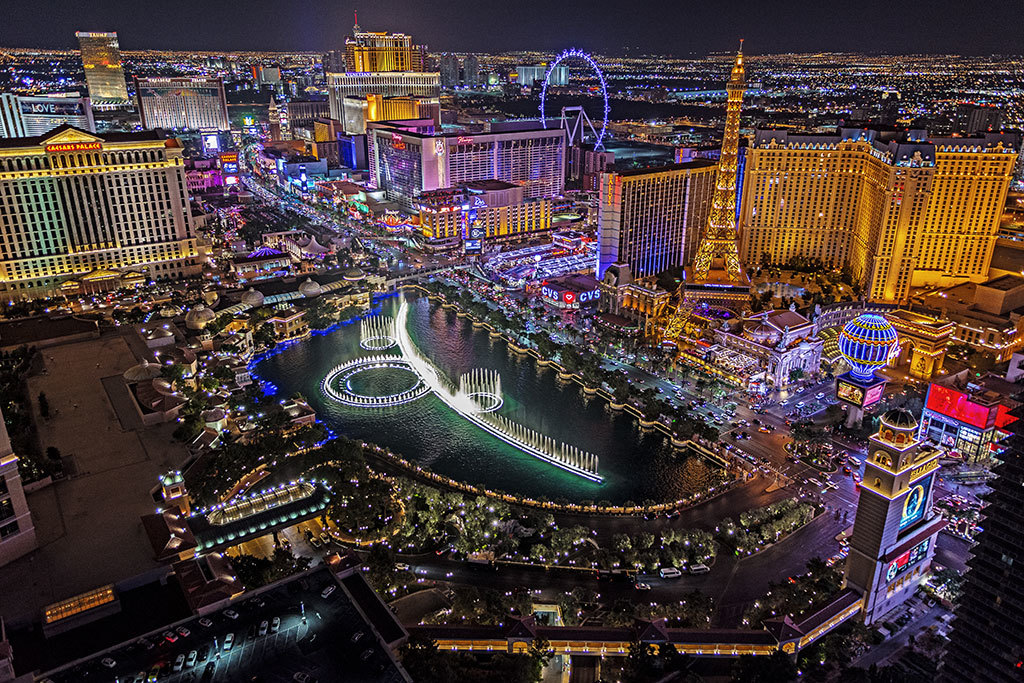
Late Night and 24/7 (11 PM onwards): For those experiencing a post-midnight craving, Las Vegas truly shines. Many casual diners, pizza places, and quick-bite spots remain open all night. Several casino floor restaurants, particularly those catering to gamblers, operate 24 hours. Iconic spots like Peppermill Restaurant & Fireside Lounge are famous for their late-night fare, serving up classic American comfort food around the clock. Even upscale resorts often have an all-night café or room service for guests seeking sustenance at any hour. No matter when hunger strikes, Las Vegas has a culinary solution.
Beyond the Clock: Planning for Optimal Experiences
While understanding the exact time in Las Vegas is crucial, an optimal visit also requires planning around the effects of time on your body and schedule. Beyond simply knowing the hour, it’s about strategically managing your energy, bookings, and expectations to get the most out of your trip.
Navigating Jet Lag for a Seamless Start
Jet lag is a common adversary for travelers, particularly those crossing multiple time zones. For visitors from the East Coast of the United States, the three-hour time difference can manifest as early morning wake-ups or a mid-afternoon energy crash. International travelers, especially from Europe or Asia, might experience more severe disorientation.
To combat jet lag, begin adjusting your sleep schedule a few days before departure, shifting it closer to Las Vegas time. Upon arrival, expose yourself to natural light, stay hydrated, and try to stick to the local meal and sleep times. Avoid heavy meals and excessive alcohol on your travel day. While the temptation to plunge headfirst into the Las Vegas excitement is strong, pacing yourself on the first day can make a world of difference. Consider a relaxing spa treatment at the Waldorf Astoria Las Vegas or a leisurely stroll along the Strip rather than a high-energy nightclub until you’ve adjusted. Proper sleep in your comfortable hotel suite is invaluable for maintaining energy throughout your stay.
Timing Your Stays: Hotels, Shows, and Attractions
Precision in timing is vital when booking accommodation and experiences. Most Las Vegas hotels have standard check-in times around 3 PM or 4 PM PST/PDT, and check-out times typically by 11 AM. Arriving too early for check-in might mean a wait, though many resorts offer early check-in for a fee or if rooms are available. Similarly, a late check-out can often be arranged for an additional charge. Be aware that these times are strictly enforced, particularly during peak seasons, to manage the high volume of guests.
When it comes to shows, booking well in advance is highly recommended, especially for popular acts or during major events. Showtimes are rigid, and late arrivals may be denied entry or seated in less desirable spots. Plan to arrive at least 30-45 minutes before a show’s scheduled start time, allowing for parking, walking through the casino, and finding your seats. Attractions like the High Roller Observation Wheel, the Stratosphere Tower, or the Eiffel Tower Experience at Paris Las Vegas have specific operating hours, which can vary seasonally or on holidays. Always check their official websites for the most current information to avoid disappointment. Even seemingly simple activities, like watching the Fountains of Bellagio, operate on a timed schedule, with performances every 15 or 30 minutes, increasing in frequency as the evening progresses.
Maximizing Your Las Vegas Value: Off-Peak vs. Peak Times
The timing of your visit to Las Vegas can dramatically impact both the cost and the overall experience.
Peak Times: Weekends, especially long holiday weekends, and major convention dates (such as CES or other large industry events at the Las Vegas Convention Center or Mandalay Bay Convention Center) see the highest prices for hotels, flights, and even dining. Availability for popular shows and restaurants will also be scarce. While the energy is electric during these periods, crowds are dense, and queues are longer. Sporting events at Allegiant Stadium or T-Mobile Arena also drive up demand.
Off-Peak Times: Mid-week (Tuesday through Thursday) and certain times of the year (e.g., late summer, early winter excluding holidays) often present the best value. Hotel rates can be significantly lower, and promotional offers are more common. Attractions are less crowded, making for a more relaxed experience. Even the casinos might feel a bit more open, offering a calmer gambling environment. Traveling during the shoulder seasons (spring and fall) can also strike a good balance, offering pleasant weather and moderate crowds. Planning your budget travel or luxury travel experience around these temporal fluctuations can lead to substantial savings and a more enjoyable, less frenetic trip.
Las Vegas’ Unique Relationship with Time
Las Vegas operates on Pacific Time, yet it possesses a peculiar relationship with the very concept of time. The city often feels timeless, an eternal present where the distinction between day and night blurs, and the hours melt away amidst the excitement. This unique characteristic is part of its allure, but also something visitors must consciously manage to fully appreciate their experience.
The City That Never Sleeps (Almost)
While New York City claims the moniker, Las Vegas certainly gives it a run for its money. The 24/7 nature of its casinos, many dining options, and some entertainment venues means there’s always something happening, regardless of the clock. This constant buzz can be exhilarating, creating an environment where one can easily lose track of time. Without windows in many casinos and with artificial light creating a perpetual twilight, hours can slip by unnoticed. This “timelessness” is by design, encouraging guests to stay and play.
However, for the savvy traveler, understanding this dynamic is key. It’s important to consciously plan breaks, schedule sleep, and set reminders for crucial appointments like showtimes or dinner reservations. While the city’s energy is infectious, continuous engagement without rest can lead to burnout. Embrace the “almost never sleeps” aspect by finding your own rhythm – perhaps enjoying a late-night show one evening and an early morning hike the next. The city accommodates all schedules, allowing you to craft a personalized flow that suits your energy levels and preferences.

Seasonal Considerations: Weather and Events
Beyond the daily clock, the annual calendar also plays a significant role in a Las Vegas visit. The desert climate dictates substantial seasonal variations in weather, which in turn influences activities and crowd levels.
Summer (June – August): These months are notoriously hot, with temperatures often soaring well above 100°F (38°C). While pool parties are in full swing and indoor attractions offer respite, outdoor exploration can be challenging during midday. Early mornings and evenings are best for activities outside. This season, despite the heat, often sees family visitors and those seeking pool-centric experiences.
Fall (September – November): This is arguably one of the best times to visit. The weather is warm and pleasant, ideal for exploring the Strip, hiking in Red Rock Canyon, or visiting Valley of Fire State Park. Major conventions and events are frequent, so booking ahead is crucial.
Winter (December – February): Winters are mild, with cooler temperatures, especially in the evenings. This is a popular time for those escaping colder climates, though average daytime temperatures are comfortable. Holiday festivities transform the city, and major events like New Year’s Eve or the aforementioned CES draw enormous crowds, leading to peak pricing and limited availability.
Spring (March – May): Similar to fall, spring offers excellent weather conditions. Outdoor patios come alive, and the natural landscape around Las Vegas is at its most beautiful. This is another highly desirable time to visit, often coinciding with numerous festivals and events.
Understanding these seasonal patterns, in conjunction with the daily clock and time zone considerations, empowers you to make informed decisions about when to visit and what to do. Whether you’re seeking a lively summer pool party, a serene winter escape, or a perfectly timed culinary tour, knowing “what is the time in Las Vegas?” extends far beyond the current hour – it encompasses the very rhythm of this extraordinary city. By synchronizing your plans with Las Vegas’s unique temporal flow, you’re set for an unforgettable travel experience.
LifeOutOfTheBox is a participant in the Amazon Services LLC Associates Program, an affiliate advertising program designed to provide a means for sites to earn advertising fees by advertising and linking to Amazon.com. Amazon, the Amazon logo, AmazonSupply, and the AmazonSupply logo are trademarks of Amazon.com, Inc. or its affiliates. As an Amazon Associate we earn affiliate commissions from qualifying purchases.