
Minneapolis, Minnesota, stands as a vibrant testament to urban planning, cultural richness, and economic dynamism in the heart of the United States‘ Midwest. Often referred to as part of the “Land of 10,000 Lakes,” this jewel on the Mississippi River offers a unique blend of natural beauty, bustling city life, and an innovative spirit. For anyone planning a trip, considering a move, or simply curious about the fabric of a thriving American city, understanding its population is an excellent starting point. The number of people calling Minneapolis home directly influences its character, economy, infrastructure, and the myriad experiences it offers to residents and visitors alike.
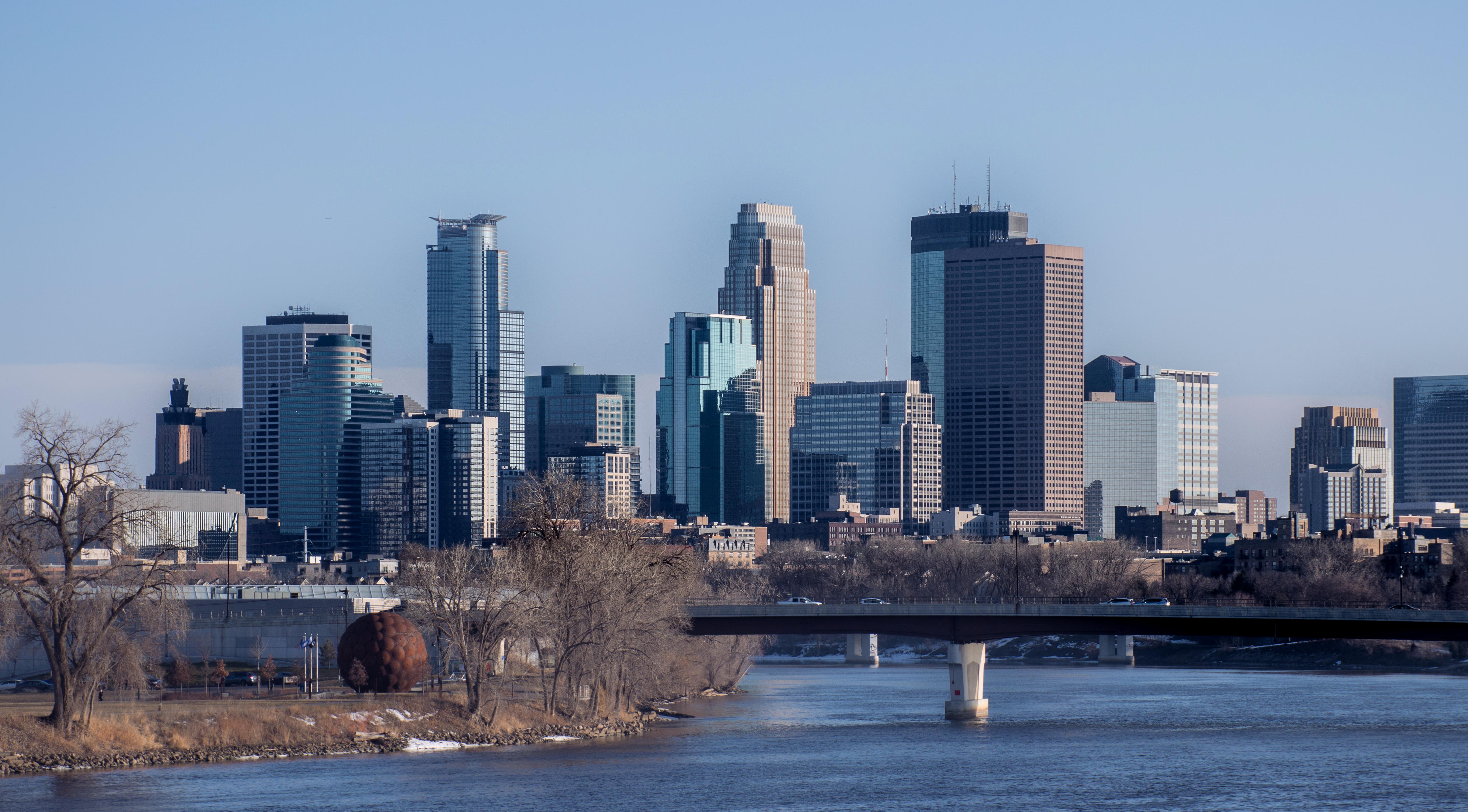
As of recent estimates, the population of Minneapolis hovers around 425,000 to 430,000 residents. This figure positions it as the largest city in Minnesota and a significant urban center within the broader Twin Cities metropolitan area, which includes its sister city, Saint Paul. The metropolitan statistical area (MSA) itself is home to over 3.6 million people, making it the 16th largest in the United States. This robust population base underpins Minneapolis’s extensive array of attractions, diverse culinary scene, vibrant arts and culture, and comprehensive accommodation options that cater to every type of traveler.
Unveiling the Demographics of Minneapolis
The population of Minneapolis is not merely a number; it represents a dynamic and evolving community that shapes the city’s identity and future. Understanding its demographic trends and composition provides invaluable insights into its social, economic, and cultural landscape, which in turn influences everything from urban development to tourism strategies.
The Latest Population Figures and Growth Trends
Minneapolis has experienced a fascinating trajectory of population growth throughout its history. Founded on the promise of milling power from Saint Anthony Falls on the Mississippi River, the city rapidly expanded in the late 19th and early 20th centuries, reaching its peak population in the 1950s. Like many older American cities, it saw a period of decline as suburbanization took hold. However, in recent decades, Minneapolis has enjoyed a significant resurgence, attracting new residents and businesses.
This recent growth can be attributed to several factors: a strong job market, a high quality of life, robust investment in public infrastructure, and a concerted effort to create a walkable, bikeable, and livable urban environment. The city’s appeal to young professionals, families, and even retirees looking for an active urban lifestyle has fueled this demographic upward trend. This sustained growth has led to a competitive housing market and a constant demand for new residential and commercial developments, signaling a healthy and attractive urban core. For visitors, this translates into a city that feels alive, modern, and continuously evolving, offering fresh experiences with each visit.
A Snapshot of Minneapolis’s Diverse Demographics
One of Minneapolis’s defining characteristics is its remarkable diversity. The city is a melting pot of cultures, ethnicities, and backgrounds, which enriches its social fabric and vibrant lifestyle. This diversity is reflected in its neighborhoods, culinary scene, festivals, and educational institutions.
The population includes significant communities from various parts of the world, contributing to a rich tapestry of languages, traditions, and perspectives. This multicultural environment makes Minneapolis a fascinating destination for travelers interested in local culture and authentic experiences. Visitors can explore diverse food markets, attend cultural events, and discover unique shops that reflect the global influences present in the city. The presence of numerous universities and colleges also brings a youthful and intellectual energy to Minneapolis, contributing to its progressive outlook and creative economy. This demographic mix not only strengthens the community but also ensures that the city remains an engaging place for both long-term residents and short-term visitors seeking new adventures.
Minneapolis: A Hub of Urban Development and Lifestyle
The population figures of Minneapolis are deeply intertwined with its identity as a thriving hub of urban development and a city celebrated for its high quality of life. The constant ebb and flow of people impact everything from the architectural landscape to the daily rhythms of city living, making it an appealing destination for both residents and tourists seeking a dynamic urban experience.
Economic Vibrancy and Innovation
Minneapolis’s population base supports a robust and diverse economy, making it a powerful magnet for businesses and talent. The city is home to several Fortune 500 companies, spanning sectors such as retail, healthcare, finance, food production, and manufacturing. This strong corporate presence provides ample job opportunities, drawing skilled professionals and contributing to the city’s economic stability and growth. The innovation ecosystem is also thriving, with a growing startup scene, particularly in technology and healthcare, further enhancing the city’s appeal to a youthful and entrepreneurial demographic.
For the lifestyle traveler, this economic vibrancy translates into a city with top-tier amenities, world-class dining, and extensive shopping opportunities. Whether you’re interested in luxury travel experiences or exploring budget-friendly options, the economic diversity ensures that there’s something for everyone. Business travelers, in particular, will find Minneapolis a convenient and well-equipped destination, with state-of-the-art convention centers and a wide selection of business-friendly accommodations.
The Allure of Minneapolis’s Lifestyle
Beyond its economic prowess, Minneapolis offers an exceptionally high quality of life that attracts and retains its diverse population. The city consistently ranks high in national surveys for liveability, green spaces, public health, and bike-friendliness. Its extensive park system, including the renowned Chain of Lakes (comprising Lake Harriet, Bde Maka Ska, Lake of the Isles, and Lake Nokomis), provides residents and visitors with abundant opportunities for outdoor recreation, from kayaking and paddleboarding to cycling and scenic walks.
The lifestyle here is a blend of urban sophistication and outdoor adventure. Cultural attractions are plentiful, including a thriving theater scene, world-class museums, and live music venues. Foodies will delight in the innovative culinary landscape, which ranges from upscale dining to eclectic international eateries. This rich lifestyle caters to various travel preferences – families will find numerous kid-friendly activities, while solo adventurers or couples can immerse themselves in the vibrant nightlife and arts scene. Minneapolis offers a balanced and enriching experience, making it a truly desirable place to visit and reside.

Navigating Minneapolis: Tourism, Attractions, and Accommodation
The population of Minneapolis not only defines its character but also sustains its robust tourism industry, making it an appealing destination for travelers seeking diverse experiences. From iconic landmarks to world-class hospitality, the city is well-equipped to welcome visitors from all walks of life.
Top Attractions and Cultural Experiences
The city’s significant population ensures a vibrant cultural scene and the resources to maintain an impressive array of attractions. One of the most iconic landmarks is the Stone Arch Bridge, a former railway bridge offering stunning views of the city skyline and Saint Anthony Falls. Nearby, the Mill City Museum, built within the ruins of the Washburn A Mill, offers a fascinating look into the city’s flour milling past.
The arts thrive in Minneapolis, largely due to the support of its residents and a history of cultural investment. The Guthrie Theater is an architectural marvel and a beacon of live performance. Art enthusiasts will appreciate the collections at the Walker Art Center and its adjacent Minneapolis Sculpture Garden, home to the famous “Spoonbridge and Cherry.” The Minneapolis Institute of Arts offers a more classical experience, with extensive collections spanning various continents and eras.
For those seeking natural beauty, Minnehaha Park features a stunning 53-foot waterfall and beautiful walking trails. Sports fans can catch a Minnesota Twins baseball game at Target Field or experience the excitement of football at U.S. Bank Stadium. While technically located in nearby Bloomington, the Mall of America remains a major draw for visitors to the Minneapolis area, offering endless shopping, dining, and entertainment options. The diverse neighborhoods, such as the trendy Uptown district or the artistic Northeast Minneapolis, each offer unique local culture, food, and activities, from craft breweries to boutique shops, ensuring there are always new tips and experiences for explorers.
Where to Stay: Hotels and Accommodation Options
The dynamic population and bustling tourism sector in Minneapolis have fostered a comprehensive range of accommodation options, suitable for every budget, style, and length of stay. Whether you’re on a luxury trip, a budget-conscious adventure, a family vacation, or a business stay, the city provides ample choices.
In Downtown Minneapolis, visitors will find a concentration of upscale hotels and resorts, perfect for those seeking luxury travel experiences or convenience for business. Properties like the Four Seasons Hotel Minneapolis offer opulent suites, gourmet dining, and top-tier amenities, while establishments such as The Marquette Hotel Curio Collection by Hilton and Hyatt Centric Downtown Minneapolis provide stylish comfort and excellent service, often with stunning city views. These hotels are typically close to convention centers, sports arenas, and cultural landmarks.
For travelers on a budget or those seeking a more local experience, numerous boutique hotels, apartment rentals, and charming guesthouses can be found throughout the city’s diverse neighborhoods. Areas like Uptown and Northeast Minneapolis offer unique stays that immerse visitors in the local culture, with easy access to independent shops, cafes, and restaurants. For families, many hotels offer spacious suites and family-friendly amenities, while the availability of vacation rentals provides the flexibility of home-like accommodations.
Long-term stay options are also readily available, including serviced apartments and extended-stay hotels, which are ideal for those relocating, on prolonged business assignments, or simply wishing to experience Minneapolis like a local. Booking and comparison sites make it easy to review options and find the perfect match for your needs, ensuring a comfortable and memorable visit to this vibrant Minnesota city.
The Future of Minneapolis: Growth, Challenges, and Opportunities
The population trajectory of Minneapolis is a cornerstone of its future planning and development. As the city continues to grow and evolve, its demographic landscape will play a critical role in shaping its infrastructure, economy, and overall liveability for both residents and a growing number of visitors.
Sustaining Growth and Enhancing Liveability
Minneapolis’s recent population growth presents both exciting opportunities and significant challenges. To sustain this momentum, the city is focused on enhancing its liveability, ensuring that its infrastructure, housing market, and public services can keep pace with an expanding populace. This includes ongoing investments in public transportation, green spaces, and sustainable urban development projects. The goal is to maintain the high quality of life that attracts new residents while preserving the unique charm and natural beauty of the city.
For tourism, sustained growth means a continuously evolving urban landscape. New restaurants, cultural venues, and accommodation options will likely emerge, offering fresh experiences for repeat visitors and first-timers alike. The city’s commitment to sustainability and green initiatives also positions it as an attractive destination for eco-conscious travelers.
The challenge lies in managing this growth equitably, ensuring that all segments of the population benefit from the city’s prosperity. Efforts to provide affordable housing, support local businesses, and foster community engagement are crucial for maintaining the inclusive and diverse character that makes Minneapolis so appealing.

A City Poised for Continued Influence
Minneapolis’s population base, while substantial, is also strategically positioned within the larger Twin Cities metropolitan area, providing access to a broader talent pool and consumer market. This regional synergy amplifies Minneapolis’s influence as a cultural, economic, and recreational hub in the Midwest.
Looking ahead, Minneapolis is poised for continued influence, driven by its innovative spirit, strong economy, and commitment to a high quality of life. The city’s ability to attract and retain a diverse population ensures a dynamic future, full of opportunities for both its residents and the global community of travelers. Whether you’re drawn by its stunning landmarks, vibrant arts scene, diverse culinary offerings, or its welcoming lifestyle, understanding the heartbeat of Minneapolis – its population – illuminates the many facets that make it a truly remarkable destination worth exploring.
LifeOutOfTheBox is a participant in the Amazon Services LLC Associates Program, an affiliate advertising program designed to provide a means for sites to earn advertising fees by advertising and linking to Amazon.com. Amazon, the Amazon logo, AmazonSupply, and the AmazonSupply logo are trademarks of Amazon.com, Inc. or its affiliates. As an Amazon Associate we earn affiliate commissions from qualifying purchases.