
Las Vegas, the dazzling oasis in the Mojave Desert, is renowned for its vibrant nightlife, world-class entertainment, and luxurious resorts. Millions flock to this iconic city each year, drawn by the promise of unforgettable experiences. However, beyond the glittering lights of the Las Vegas Strip, visitors and residents alike occasionally face an unwelcome challenge: poor air quality. When the skies over Sin City turn hazy, many are left wondering why. Is it just a temporary inconvenience, or are there deeper, more persistent issues at play?
The answer is often a complex interplay of environmental factors unique to the region, combined with human activity. While a day of noticeably bad air in Las Vegas might feel sudden, it’s typically the result of several contributing elements converging. Understanding these factors is key to navigating the conditions and ensuring your travel experience or daily life remains as comfortable and healthy as possible. From distant wildfires blanketing the horizon in smoke to localized dust storms whipping through the desert, and the geographical bowl that traps urban emissions, the reasons for poor air quality are varied and often interconnected. This guide delves into the primary culprits, their impact, and how you can stay informed and protected.

The Immediate Culprits: Transient Threats to Desert Air
The most dramatic and often immediately noticeable deteriorations in Las Vegas’ air quality are usually attributable to transient, yet powerful, environmental events. These aren’t constant issues but rather episodic occurrences that can drastically alter the atmospheric conditions for days or even weeks. Understanding these immediate threats helps explain why one day the air might be crystal clear, and the next, shrouded in an unsettling haze.
The Far-Reaching Shadow of Wildfires
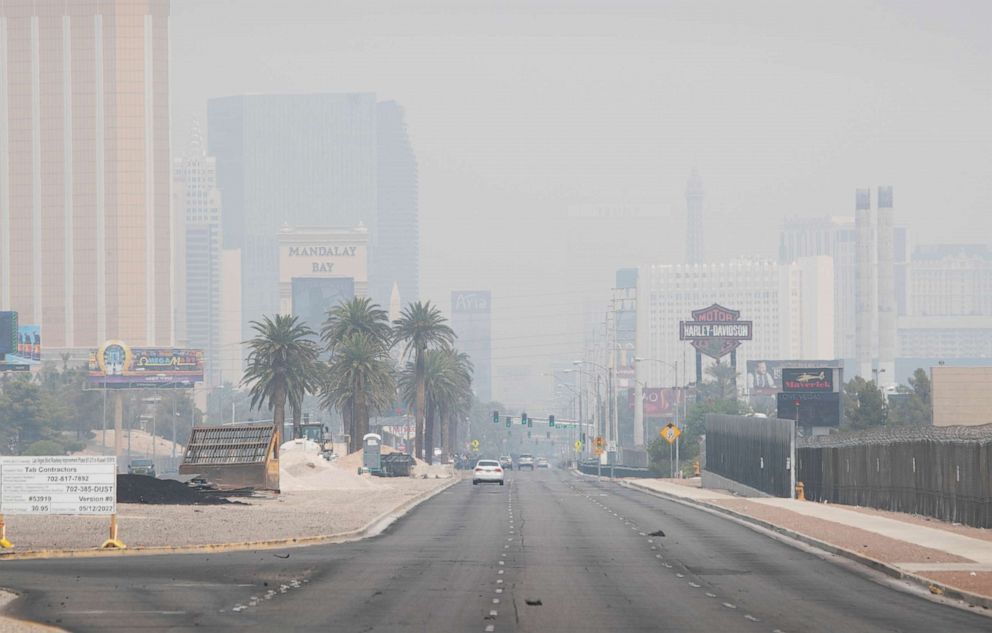
One of the most significant and increasingly frequent contributors to poor air quality in Las Vegas is smoke from wildfires. The American West, particularly states like California, Nevada, Arizona, and Utah, experiences an annual wildfire season that has grown in intensity and duration. These fires, often hundreds of miles away, generate massive plumes of smoke filled with fine particulate matter (PM2.5) – microscopic airborne particles small enough to be inhaled deep into the lungs.
Prevailing wind patterns, particularly during the summer and early fall, frequently carry these smoke plumes eastward, directly into the Las Vegas Valley. The journey can take days, but the impact is profound. The smoke dramatically reduces visibility, turning the typically vibrant blue skies a murky gray or orange, and can even obscure views of landmarks like the Spring Mountains or the iconic Hoover Dam. More critically, the elevated levels of PM2.5 pose significant health risks. For travelers arriving from areas with typically cleaner air, or those with pre-existing respiratory conditions, this sudden influx of pollutants can be particularly challenging. It can trigger asthma attacks, worsen allergies, and lead to general discomfort like burning eyes, sore throats, and headaches. When planning a trip to Las Vegas during wildfire season (typically late spring through fall), it’s crucial to be aware that the air quality can change rapidly based on distant fire activity.
Dust Storms and Haboobs: A Desert Phenomenon
Another immediate, though often more localized and sudden, cause of poor air quality in Las Vegas is dust storms. As a city situated in the Mojave Desert, it’s no stranger to the raw power of nature. Strong winds, especially during the spring and summer months, can pick up loose desert soil, sand, and other particulates, creating vast clouds of dust. These events range from minor windy days that stir up dust to dramatic meteorological phenomena known as “haboobs.”
Haboobs are intense dust storms characterized by a wall of dust that can be several thousand feet high and many miles wide, advancing rapidly across the landscape. They are typically associated with thunderstorm downdrafts, where rain-cooled air rushes out from a storm front, pushing dust and debris before it. When a haboob sweeps through the Las Vegas Valley, visibility can drop to near zero in minutes, and the air becomes thick with suspended particles. While these particles tend to be larger than the PM2.5 from wildfire smoke, they still pose health risks, particularly for individuals with asthma or other respiratory issues. They can also cause eye irritation, skin discomfort, and even vehicle damage. These events, though often short-lived, can be incredibly disruptive and contribute significantly to a temporary spike in air pollution.
The Persistent Factors: Urbanization and Geography
Beyond the dramatic, episodic events like wildfires and dust storms, Las Vegas grapples with ongoing factors that consistently influence its air quality. These are less about “today’s” specific incident and more about the structural and environmental conditions that make the city susceptible to pollution accumulation over time.
The Las Vegas Valley as a Basin
One of the most fundamental reasons for recurring air quality issues in Las Vegas is its unique topography. The city and its surrounding Las Vegas Metropolitan Area are situated within a natural basin, essentially a valley surrounded by mountain ranges, including the Spring Mountains to the west and the McCullough Range to the south. This geographical formation acts like a giant bowl, making it highly effective at trapping air – and whatever pollutants are in it.
When winds are light, or specific atmospheric conditions prevail, this basin effect becomes pronounced. Instead of pollutants being dispersed by strong air currents, they become concentrated within the valley. This is particularly problematic for ground-level ozone, which forms when pollutants from vehicles and industry react in the presence of sunlight and heat, and for fine particulate matter that originates locally. The mountains, while providing a stunning backdrop to the city, unfortunately contribute to this meteorological challenge, preventing adequate ventilation and allowing smog and haze to build up.
Urban Emissions: A Constant Contribution
While wildfire smoke and dust storms grab headlines, the everyday activities of a bustling metropolitan area are a constant, underlying source of air pollution. The rapid growth of Las Vegas over the past few decades has led to a significant increase in urban emissions. Vehicle exhaust, primarily from the millions of cars, trucks, and buses that traverse the city’s roads, including the constant flow of traffic on the Las Vegas Strip, contributes nitrogen oxides and volatile organic compounds – key ingredients for ground-level ozone formation.
Beyond transportation, other anthropogenic sources include construction activities (which stir up dust and release pollutants from heavy machinery), industrial operations, and even residential activities like landscaping equipment. The sheer volume of human activity, coupled with the city’s ongoing expansion, means that even on days without external influences like wildfires, localized pollution can still lead to moderate to unhealthy air quality levels. Managing these persistent urban emissions is a continuous effort for local authorities and a critical component of long-term air quality improvement.
Meteorological Conditions: When Weather Traps Pollution
Adding to the basin effect and urban emissions are specific meteorological conditions that can exacerbate pollution problems. Two primary culprits are temperature inversions and stagnant high-pressure systems.

A temperature inversion occurs when a layer of warm air sits above a layer of cooler air near the ground, essentially capping the atmosphere. This warm air acts like a lid, preventing the cooler, pollutant-laden air from rising and dispersing. Instead, the pollutants are trapped near the surface, leading to a build-up of smog and haze. These inversions are particularly common in the Las Vegas Valley during colder months or calm mornings.
Similarly, stagnant high-pressure systems bring light winds and clear skies, which might sound appealing for tourists. However, these systems also mean very little air movement. Without horizontal winds to sweep pollutants away and vertical mixing to disperse them, emissions from urban sources and any lingering particulate matter from distant events can accumulate, leading to prolonged periods of poor air quality. The combination of these weather patterns with the city’s geographical layout creates a perfect storm for pollution entrapment, making clear skies a double-edged sword when it comes to air quality.
Impact on Visitors and Residents: Navigating the Haze
The consequences of poor air quality extend far beyond a mere aesthetic inconvenience. For both the millions of tourists who visit Las Vegas and its permanent residents, compromised air can have tangible effects on health, well-being, and the overall enjoyment of the city’s myriad offerings.
Health Concerns: Breathing Easy or Struggling?
The most immediate and concerning impact of poor air quality is on human health. Fine particulate matter (PM2.5) from wildfires and even some urban emissions can penetrate deep into the respiratory system and even enter the bloodstream. This can lead to a range of issues, from mild irritation to serious long-term health problems.
For many, especially those with pre-existing conditions like asthma, bronchitis, or heart disease, elevated pollution levels can trigger respiratory distress, shortness of breath, coughing, and chest pain. Children and the elderly are also particularly vulnerable. Even healthy individuals might experience uncomfortable symptoms such as itchy eyes, sore throats, headaches, or a general feeling of fatigue. Travelers, often exposed to new environments and potentially different allergens, may find themselves more susceptible. An unexpected bout of bad air could significantly detract from a carefully planned vacation, forcing changes to itineraries or requiring additional precautions. The health impacts highlight the importance of being prepared and informed, especially when traveling to a destination like Las Vegas where air quality can fluctuate.
Experiencing Las Vegas Under a Haze
Beyond health, poor air quality can fundamentally alter the Las Vegas experience itself. The iconic views that draw so many – the distant mountains, the vibrant desert landscapes, and the shimmering city lights – can all be obscured by a thick haze. Imagine planning a scenic drive to Red Rock Canyon National Conservation Area or a leisurely stroll through a botanical garden, only to find the panoramic vistas shrouded in smoke.
Outdoor activities, which are a significant draw for many visitors seeking a balance to the indoor casino environment, become less appealing or even risky. Jogging, cycling, or lounging by a luxurious hotel pool at resorts like Bellagio or Caesars Palace can expose individuals to higher concentrations of pollutants. Even attractions like the Fremont Street Experience, while largely covered, can still be affected by ambient air quality. The overall ambiance can shift from crisp and exhilarating to muggy and uncomfortable, impacting photography, outdoor dining experiences, and general enjoyment of the cityscape.
Staying Informed and Protecting Yourself in Las Vegas
While poor air quality can be a significant concern, especially when planning travel or living in the region, there are proactive steps both visitors and residents can take to mitigate risks and ensure a more comfortable experience. Information and preparation are your best tools against the invisible threat of airborne pollutants.
Monitoring the Air Quality Index (AQI): Your Daily Guide
The most crucial step in protecting yourself from poor air quality is to stay informed. The Air Quality Index (AQI) is a nationally standardized index that provides a daily forecast of air pollution levels. It uses a color-coded system to communicate how clean or polluted the air is, along with associated health effects.
- Green (0-50): Good air quality.
- Yellow (51-100): Moderate. Air quality is acceptable; however, some pollutants may pose a moderate health concern for a very small number of people who are unusually sensitive to air pollution.
- Orange (101-150): Unhealthy for Sensitive Groups. People with lung disease, older adults, and children are at greater risk from the presence of ozone, while people with heart or lung disease, older adults, and children are at greater risk from the presence of particles in the air.
- Red (151-200): Unhealthy. Everyone may begin to experience health effects; members of sensitive groups may experience more serious health effects.
- Purple (201-300): Very Unhealthy. Health alert: everyone may experience more serious health effects.
- Maroon (301-500): Hazardous. Health warnings of emergency conditions. The entire population is more likely to be affected.
Local agencies, such as the Clark County Department of Environment and Sustainability, provide real-time AQI data and forecasts for the Las Vegas Valley. Websites and mobile apps from organizations like the EPA, AccuWeather, or AirNow.gov also offer reliable data. Before venturing out, especially for outdoor activities, make it a habit to check the current and forecasted AQI.
Practical Tips for Travelers and Locals
When air quality is poor, adjusting your daily routine or travel itinerary can make a significant difference in minimizing exposure and maintaining comfort.
- Stay Indoors: This is the most effective measure. Utilize the many fantastic indoor attractions Las Vegas has to offer, such as world-class shows, museums like The Neon Museum, shopping at various upscale malls, or enjoying the vast array of dining experiences. Resorts like Bellagio or Caesars Palace offer a complete indoor ecosystem of entertainment, dining, and relaxation.
- Use Air Filtration: Ensure your hotel room or home’s HVAC system is running with a high-efficiency particulate air (HEPA) filter, if available. Portable air purifiers can also be beneficial in enclosed spaces.
- Wear a Mask: If you must be outdoors when the AQI is in the unhealthy range, an N95 or KN95 mask can offer significant protection against inhaling fine particulate matter. Simple cloth masks are not as effective for air pollution.
- Limit Strenuous Outdoor Activity: Avoid heavy exercise or prolonged outdoor exposure when air quality is compromised. This reduces your breathing rate and thus the amount of pollutants you inhale.
- Keep Windows and Doors Closed: Prevent outdoor air from seeping into your indoor spaces.
- Stay Hydrated: Drinking plenty of water can help alleviate some of the symptoms of exposure, such as a dry throat.
- Consult a Doctor: If you experience severe or persistent symptoms, especially if you have pre-existing health conditions, seek medical advice.
Long-Term Outlook and Community Efforts
While the transient nature of wildfires and dust storms means air quality can fluctuate dramatically, there are ongoing efforts to improve long-term air quality in the Las Vegas Metropolitan Area. Local and state agencies continuously monitor pollution levels, implement regulations to control industrial and vehicle emissions, and educate the public on actions that can help. Initiatives to promote public transportation, electric vehicles, and greener building practices all contribute to a cleaner environment. However, the region’s rapid growth and the overarching challenges of climate change impacting wildfire severity mean that vigilance and adaptation will remain key for residents and visitors alike for the foreseeable future.
In conclusion, “Why is Las Vegas air quality so bad today?” is rarely a simple question with a single answer. It’s often a confluence of distant natural disasters, localized environmental phenomena, and the persistent emissions of a thriving urban center, all contained within a unique geographical basin. By understanding these factors and taking appropriate precautions, both tourists and locals can continue to enjoy the vibrant energy of Las Vegas while safeguarding their health and well-being.
LifeOutOfTheBox is a participant in the Amazon Services LLC Associates Program, an affiliate advertising program designed to provide a means for sites to earn advertising fees by advertising and linking to Amazon.com. Amazon, the Amazon logo, AmazonSupply, and the AmazonSupply logo are trademarks of Amazon.com, Inc. or its affiliates. As an Amazon Associate we earn affiliate commissions from qualifying purchases.