
California, the Golden State, beckons with its sun-drenched beaches, towering redwoods, vibrant cities, and unparalleled lifestyle. From the iconic shores of Malibu to the bustling streets of San Francisco and the star-studded avenues of Hollywood, California offers an eclectic tapestry of experiences for every traveler and a dream destination for many seeking a new home. Whether you’re planning a lavish vacation, scouting locations for a long-term stay, or considering a permanent move to embrace the California dream, understanding the state’s tax rates is a crucial element of your financial planning. While California is renowned for its natural beauty and innovative spirit, it’s also known for its relatively higher cost of living and, consequently, its tax structure.
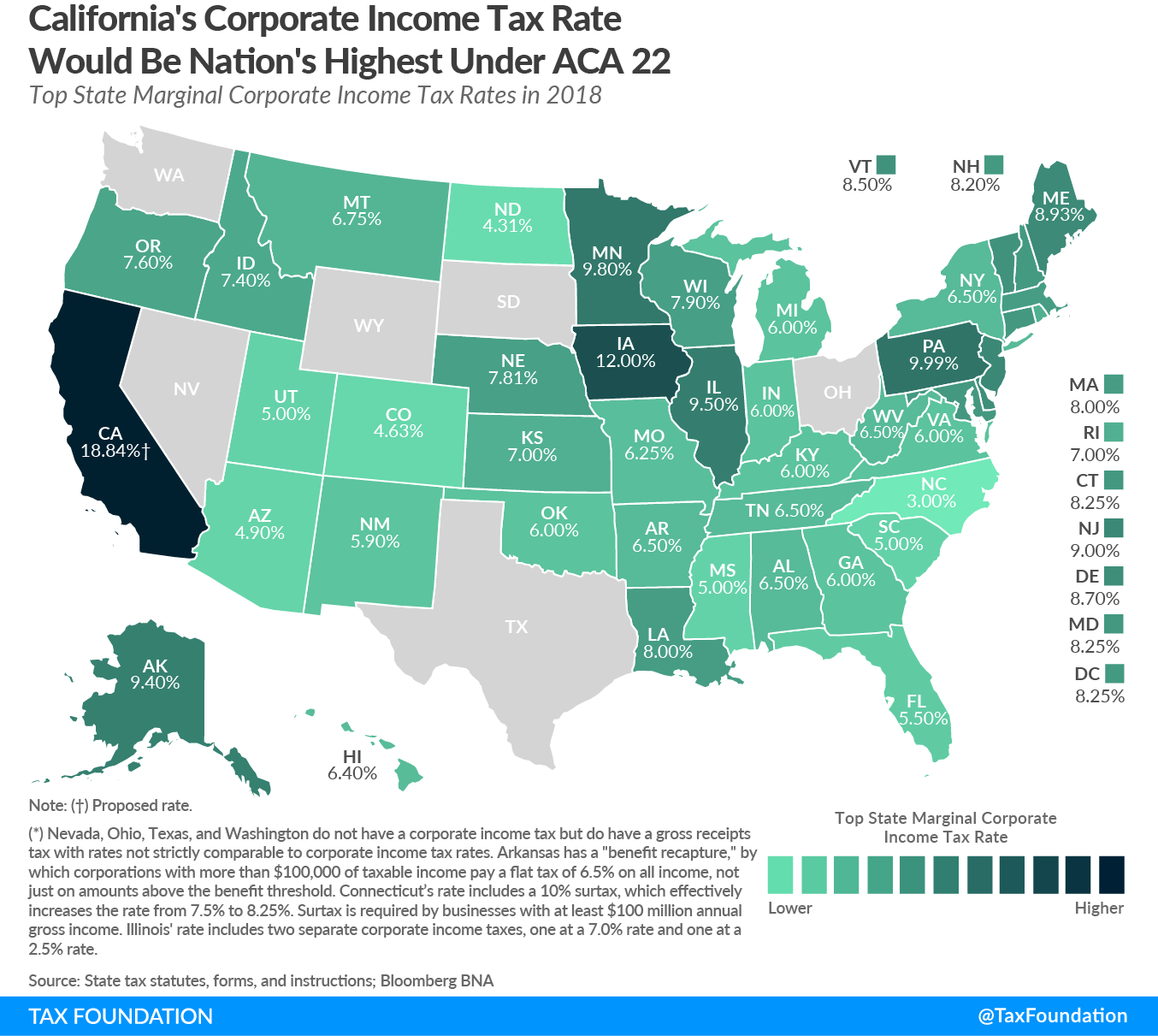
Far from being a deterrent, comprehending these financial aspects allows you to budget effectively, choose your travel and accommodation options wisely, and ultimately enjoy everything this magnificent state has to offer without unwelcome surprises. This article will delve into the various tax rates you’ll encounter in California, explaining how they impact your travel expenses, daily purchases, accommodation choices, and overall lifestyle considerations. From sales tax on your gourmet meals in Napa Valley to transient occupancy taxes on your boutique hotel in Santa Barbara, and even the fuel tax powering your Highway 1 road trip, we’ll break down the essentials.
Navigating California’s Tax Landscape for Travelers and Residents
Embarking on a journey to California or contemplating a move there requires more than just knowing about the best attractions or the most luxurious resorts. It demands an informed perspective on the economic realities, particularly the tax rates that permeate almost every transaction and financial decision. For tourists, these taxes primarily affect spending on goods, services, and accommodation. For those eyeing a longer stay or residency, the scope broadens to include income and property taxes, which significantly influence the overall cost of living and the feasibility of achieving a desired lifestyle.
Understanding the state’s diverse tax structure is not just about avoiding unexpected costs; it’s about making savvy decisions that align with your budget and travel preferences. Whether you’re a budget-conscious backpacker exploring Yosemite or a luxury traveler seeking the finest suites in Beverly Hills, knowing how taxes play into your expenses empowers you to make the most of your California experience.
Sales Tax: Your Everyday Purchases in the Golden State
One of the most common taxes you’ll encounter in California is the sales tax, which applies to most retail purchases of tangible goods. This tax is a combination of a statewide base rate and additional local district taxes, meaning the total sales tax rate can vary depending on the specific city or county you’re in.
As of early 2024, the statewide base sales tax rate in California is 7.25%. However, many cities and counties impose additional local district taxes. For example, in Los Angeles County, the combined sales tax rate can be as high as 9.5% to 10.25% in some areas. In San Francisco, the rate is typically around 8.625%. Even within Orange County, rates can fluctuate. This means that the price tag you see on an item won’t be the final amount you pay at the register.
For travelers, this directly impacts the cost of souvenirs, clothing, electronics, and even prepared food items purchased from grocery stores or delis. Dining out at California’s’s world-renowned restaurants, from casual eateries in San Diego to Michelin-starred establishments in Wine Country, will also include sales tax on your bill. Budget-conscious travelers should factor this into their daily spending, as these percentages can add up significantly over the course of a trip, especially if you plan on extensive shopping or indulging in California’s’s vibrant culinary scene. Conversely, for those enjoying a luxury lifestyle, an awareness of sales tax helps manage expectations for high-end purchases, from designer fashion on Rodeo Drive to bespoke art pieces in Laguna Beach galleries.
Transient Occupancy Tax (TOT): Understanding Your Accommodation Costs
When booking your stay in California, whether it’s a cozy hotel, a sprawling resort, a charming bed and breakfast, or a vacation rental apartment, you will encounter the Transient Occupancy Tax (TOT), often referred to as a “hotel tax” or “lodging tax.” This tax is levied by cities and counties on the rent charged for temporary lodging.
Like sales tax, the TOT rate varies significantly depending on the local jurisdiction. Some cities might have a TOT of 8%, while others can be as high as 15% or even more. For example, San Francisco typically has a TOT of 14% to 16%, Los Angeles is around 12% to 15%, and popular tourist destinations like Palm Springs or Santa Barbara often have rates in the 12% to 13% range. These rates are typically applied to the room rate before any additional resort fees or other charges are added.
This tax is a critical consideration for any traveler, as it can substantially increase the overall cost of your accommodation. A seemingly affordable room rate can quickly climb once TOT, resort fees, and other charges are factored in. When comparing hotels or vacation rentals for your trip, always look for the “total price” or carefully read the breakdown of costs to understand the final amount. This is especially important for extended stays or for groups booking multiple rooms. For those considering long-term accommodation options that are still short of permanent residency, like extended-stay suites, be aware that TOT typically applies for stays under 30 days. Beyond that, you might be exempt, depending on local ordinances. This makes a considerable difference in budgeting for a longer stay, enabling you to allocate more towards experiences, dining, or exploring California’s numerous landmarks and attractions.
Beyond the Basics: Income, Property, and Fuel Taxes
While sales and transient occupancy taxes are the most immediate concerns for short-term visitors, those contemplating a deeper engagement with the California lifestyle—whether as a digital nomad, a long-term renter, or a homeowner—need to understand the broader tax landscape. These additional taxes significantly shape the economic environment and the overall cost of living.
California Income Tax: A Consideration for Long-Term Stays and Relocation
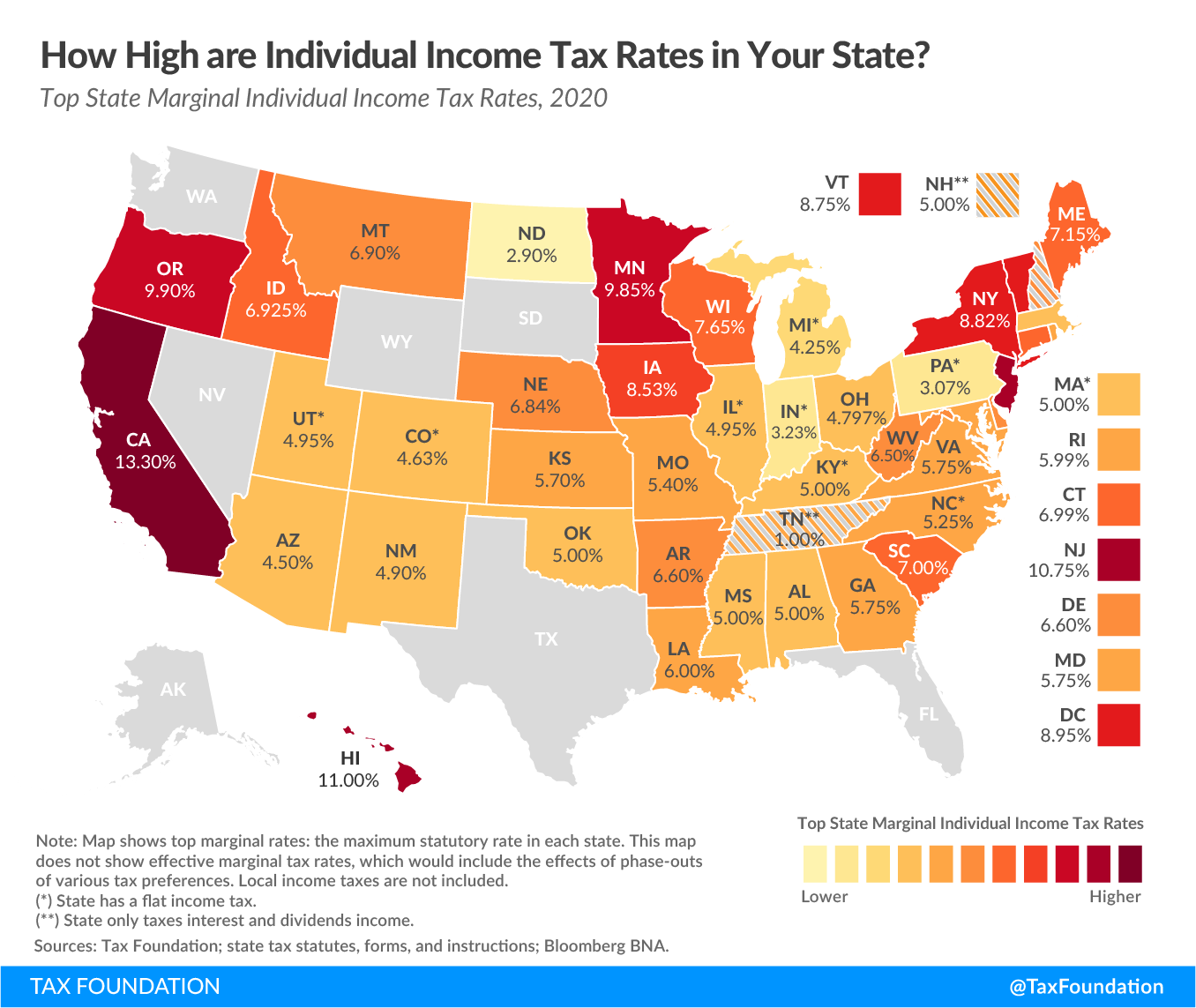
California is known for having one of the most progressive and highest personal income tax rates in the United States. The state’s income tax system features multiple brackets, with rates increasing as taxable income rises. For the highest earners, the top marginal income tax rate can exceed 13%, excluding additional payroll taxes.
This is a significant factor for individuals who plan to work in California, whether as employees, freelancers, or business owners. For digital nomads considering a long-term stay, understanding residency rules and tax obligations is paramount. Even if you maintain residency elsewhere, earning income while physically present in California for an extended period could trigger state income tax liability.
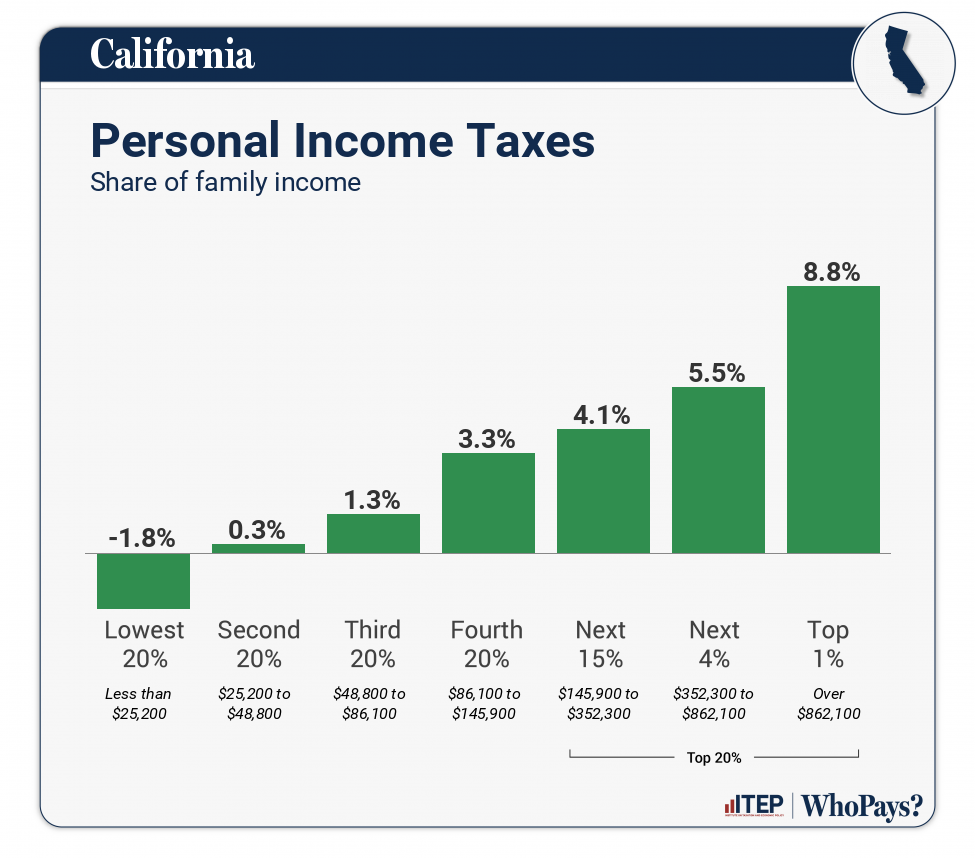
The impact of income tax on your lifestyle in California is substantial. Higher income taxes mean a larger portion of your earnings goes to the state, affecting your disposable income. This, in turn, influences your ability to afford luxury travel experiences, invest in high-end accommodation, or simply enjoy the myriad of activities and fine dining options available. For individuals moving to the state for high-paying tech jobs in Silicon Valley, in cities like San Jose or Palo Alto, factoring in the state income tax is crucial for accurate financial planning and assessing the true value of their compensation. It requires a careful balancing act, weighing the abundant opportunities and lifestyle benefits against the higher tax burden.
Property Tax: Investing in the California Dream
For those whose California dream involves owning a piece of the Golden State—be it a beachfront villa, a charming San Francisco Victorian, or a family home in Sacramento—property taxes are a critical financial consideration. Property taxes in California are generally assessed at 1% of the property’s assessed value, plus any voter-approved local bonds or parcel taxes. This base rate is somewhat constrained by Proposition 13, which limits annual increases in assessed value to a maximum of 2% as long as the property isn’t sold. Upon sale, the property is reassessed to its current market value.
While the base rate might seem modest compared to some other states, California’s high property values, especially in coastal and metropolitan areas, mean that the actual dollar amount paid in property taxes can be substantial. For example, a modest home in Los Angeles or a luxury condo in La Jolla could easily incur annual property tax bills in the tens of thousands of dollars.
For potential homeowners or real estate investors, property taxes represent an ongoing, significant expense that must be factored into the total cost of ownership. This impacts not only affordability but also the long-term financial viability of owning a second home for vacation or a rental property. The interplay of high property values and ongoing tax obligations contributes to California’s’s overall cost of living, influencing decisions about renting versus buying and impacting the long-term financial planning for those who wish to call this state home.
Fuel Tax: Powering Your Golden State Road Trips
California is synonymous with the road trip, from cruising the scenic Pacific Coast Highway (PCH) along Big Sur to exploring the vast landscapes of National Parks like Death Valley or Joshua Tree National Park. However, these adventures come with a caveat: California has one of the highest fuel taxes in the United States.
The state levies a significant excise tax on gasoline and diesel, in addition to federal fuel taxes and state sales tax (which also applies to the price of fuel). These taxes fund road maintenance and infrastructure projects. As of early 2024, the state excise tax on gasoline alone is over 50 cents per gallon, often pushing the per-gallon price significantly higher than in many other states.
For travelers embarking on extensive road trips across the state, such as exploring the diverse regions from Northern California’s redwood forests to Southern California’s desert landscapes, fuel costs can become a substantial part of their travel budget. Renting a car to traverse the state and visit iconic destinations like Lake Tahoe, Mammoth Lakes, or Universal Studios Hollywood means factoring in these higher fuel prices. To mitigate this, consider fuel-efficient vehicles, plan your routes to minimize unnecessary driving, or even explore electric vehicle rentals if charging infrastructure is available along your planned itinerary. An awareness of these costs allows for more accurate budgeting, ensuring your dream California road trip remains an enjoyable adventure rather than a financial strain.
Strategic Budgeting and Enjoying California’s Offerings
Understanding California’s tax rates is an essential first step. The next is applying that knowledge to strategically plan your visit or relocation, ensuring you can fully immerse yourself in the state’s incredible experiences without financial stress.
Planning Your California Adventure with Taxes in Mind
Effective budgeting is key to unlocking the full potential of your California experience. Here are some actionable tips:
- Research Local Rates: Before booking accommodation or planning major purchases, quickly research the specific sales tax and TOT rates for your chosen cities or counties. Websites of local tourism boards or city governments often provide this information.
- Factor in the “All-In” Cost: When comparing hotels or vacation rentals, don’t just look at the nightly rate. Always check the total price, including all taxes and fees, to get an accurate picture. Sometimes a slightly higher base rate with lower taxes might be cheaper than a low base rate with high taxes and hidden fees.
- Budget for Everyday Spending: Remember that sales tax applies to most goods and restaurant meals. Add a buffer to your daily spending budget to account for these additional costs, especially if you plan on shopping for souvenirs, enjoying local cuisine, or exploring the vibrant nightlife of cities like San Diego or Los Angeles.
- Consider Accommodation Alternatives: If TOT rates are particularly high in your desired location, explore different accommodation types. Sometimes, an apartment rental for a longer duration might offer better value, or exploring boutique hotels outside the primary tourist zones might yield savings.
- Plan Your Road Trips Wisely: Account for higher fuel costs if you’re driving extensively. Consider carpooling, utilizing public transportation in major cities where available, or even exploring alternative modes of transport for shorter distances. For instance, in San Francisco, the iconic cable cars are an experience in themselves!
- Consult a Tax Professional (for long-term stays/relocation): If you’re considering moving to California or staying for an extended period, especially if you’ll be earning income or buying property, consulting with a tax advisor specializing in California tax law is highly recommended. They can provide personalized advice on income tax, residency rules, and property tax implications.
The Enduring Allure of California: Value Beyond the Numbers
Despite its reputation for higher taxes and cost of living, millions of people continue to flock to California each year, and many more choose to call it home. This is a testament to the unparalleled value and experiences the state offers. The taxes are part of the equation that funds the state’s impressive infrastructure, public services, and commitment to environmental protection, which in turn preserves the natural beauty that attracts so many.
From the enchanting magic of Disneyland Resort and Legoland California to the thrilling rides at Six Flags Magic Mountain, the world-class museums in Los Angeles, and the iconic Golden Gate Bridge in San Francisco, California’s attractions are diverse and captivating. Beyond the man-made wonders, the state boasts a staggering array of natural landmarks, including the ancient trees of Sequoia National Park, the majestic cliffs of Kings Canyon National Park, the serene beauty of Monterey Bay Aquarium, and the historic grandeur of Hearst Castle.
The California lifestyle is often associated with innovation, health, outdoor activities, and a rich cultural tapestry. High taxes contribute to the funding of universities, parks, and other public amenities that enhance this lifestyle. When viewed through this lens, the taxes are an investment in the quality of life and the preservation of the unique experiences that make California so desirable.
In conclusion, while understanding “What Is California Tax Rate?” might seem like a purely practical concern, it’s an integral part of fully appreciating and planning for your experience in the Golden State. By being informed about sales tax, transient occupancy tax, income tax, property tax, and fuel tax, you can budget effectively, make smart choices about your accommodation and travel, and ultimately ensure that your California adventure, whether short-term or long-term, is as fulfilling and stress-free as possible. The unparalleled natural beauty, cultural richness, and vibrant lifestyle that define California consistently prove that, for many, the investment is well worth it. Embrace the journey with an informed perspective, and let the Golden State unveil its wonders to you.
LifeOutOfTheBox is a participant in the Amazon Services LLC Associates Program, an affiliate advertising program designed to provide a means for sites to earn advertising fees by advertising and linking to Amazon.com. Amazon, the Amazon logo, AmazonSupply, and the AmazonSupply logo are trademarks of Amazon.com, Inc. or its affiliates. As an Amazon Associate we earn affiliate commissions from qualifying purchases.