
The mention of Skid Row often conjures images of profound urban blight, a reputation it has regrettably earned over decades. For travelers planning a visit to the vibrant and diverse metropolis of Los Angeles, understanding the reality of Skid Row is crucial for both safety and a broader comprehension of the city’s complex social fabric. While Los Angeles is celebrated for its glamorous Hollywood Hills, pristine Santa Monica beaches, and world-class attractions, Skid Row represents a stark contrast, a testament to deep-seated issues of homelessness, poverty, and mental health crises. This article delves into the realities of Skid Row, its historical context, its impact on the surrounding areas, and what travelers need to know when navigating Los Angeles. By exploring this challenging aspect of the city, we aim to provide a comprehensive guide that acknowledges its harsh realities while offering insights into responsible travel and community efforts.
Understanding Skid Row: A Stark Reality in the Heart of Los Angeles
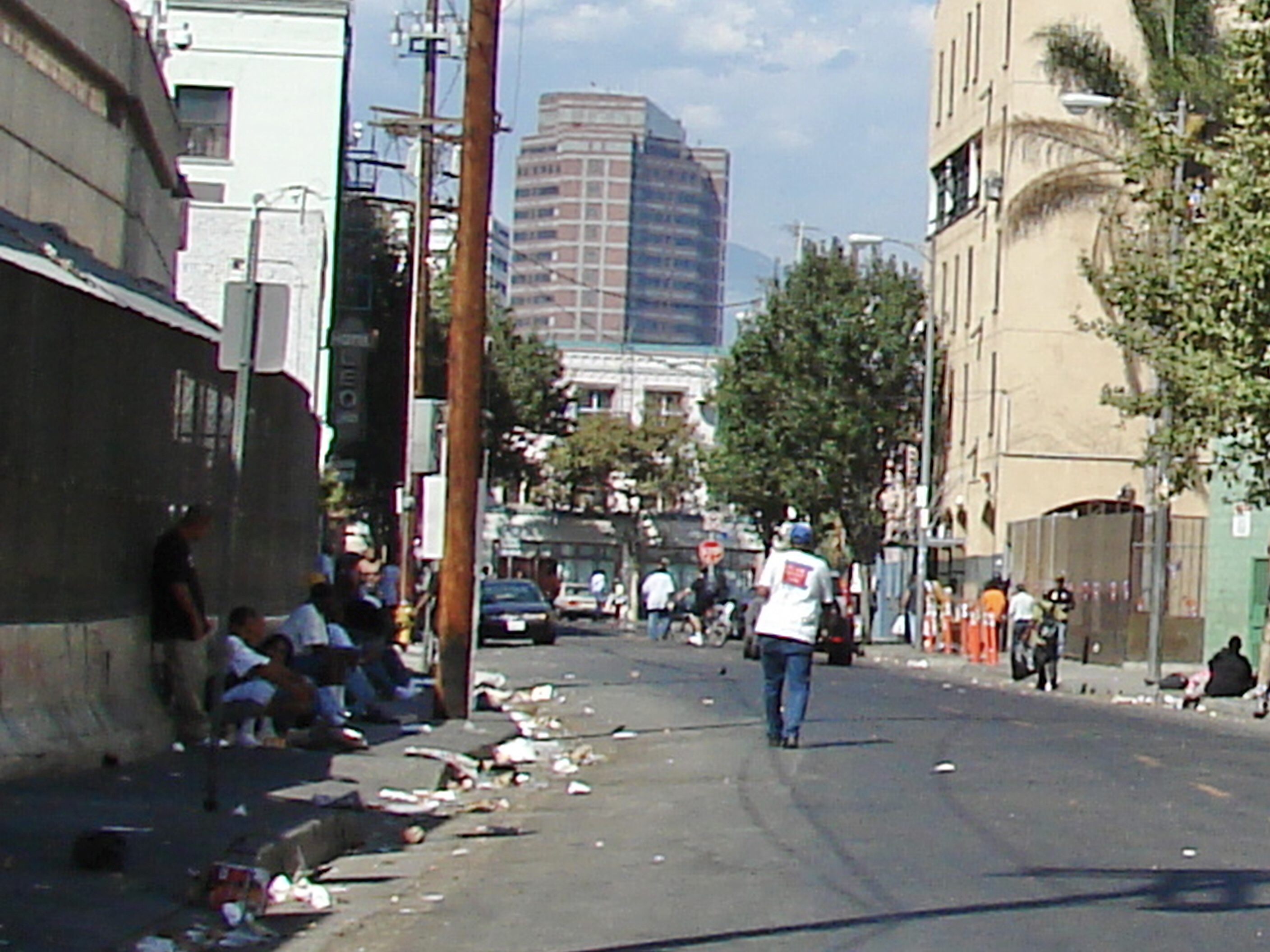
Skid Row is not just a neighborhood; it’s a deeply entrenched social phenomenon, one of the most concentrated areas of homelessness in the United States. Its existence raises profound questions about urban development, social welfare, and the stark inequalities that can exist within a city known globally for its prosperity.
What is Skid Row and Where Is It Located?
Skid Row is an area in Downtown Los Angeles, roughly spanning 50 blocks. Its boundaries are generally considered to be 3rd Street to 7th Street (north to south) and Alameda Street to Main Street (east to west). This compact urban zone is home to thousands of individuals experiencing homelessness, living in makeshift shelters, tents, and on the streets. It’s a place where the infrastructure of despair is visibly evident, from crowded sidewalks to the ubiquitous presence of services catering to the unhoused population, such as shelters, soup kitchens, and social service agencies. Geographically, it’s startlingly close to burgeoning districts like the Arts District and Little Tokyo, and within walking distance of popular Downtown Los Angeles landmarks such as Grand Park, the Walt Disney Concert Hall, and the bustling Fashion District. This proximity often surprises first-time visitors who might not expect such a profound concentration of poverty so close to zones of revitalization and cultural attraction.
A Brief History of Despair and Resilience
The term “Skid Row” itself has historical roots, referring to areas where timber was skidded down to sawmills, eventually evolving to describe neighborhoods where transient workers and the impoverished gathered. Los Angeles’s Skid Row began to take its current form in the early 20th century, becoming a haven for migrant workers, alcoholics, and individuals struggling with various forms of hardship. Over time, it evolved into an unofficial “containment zone” for the city’s growing homeless population. The mid-20th century saw the concentration of social services, missions like the Midnight Mission and the Union Rescue Mission, and single-room occupancy (SRO) hotels in the area, solidifying its role. Despite numerous attempts at urban renewal and social intervention over the decades, the problem has persisted, often exacerbated by economic downturns, lack of affordable housing, mental health crises, and substance abuse issues. The history of Skid Row is a cyclical narrative of concentrated poverty, but also of dedicated social workers and community efforts striving for human dignity and change.
The Scale of the Crisis: Homelessness and Poverty
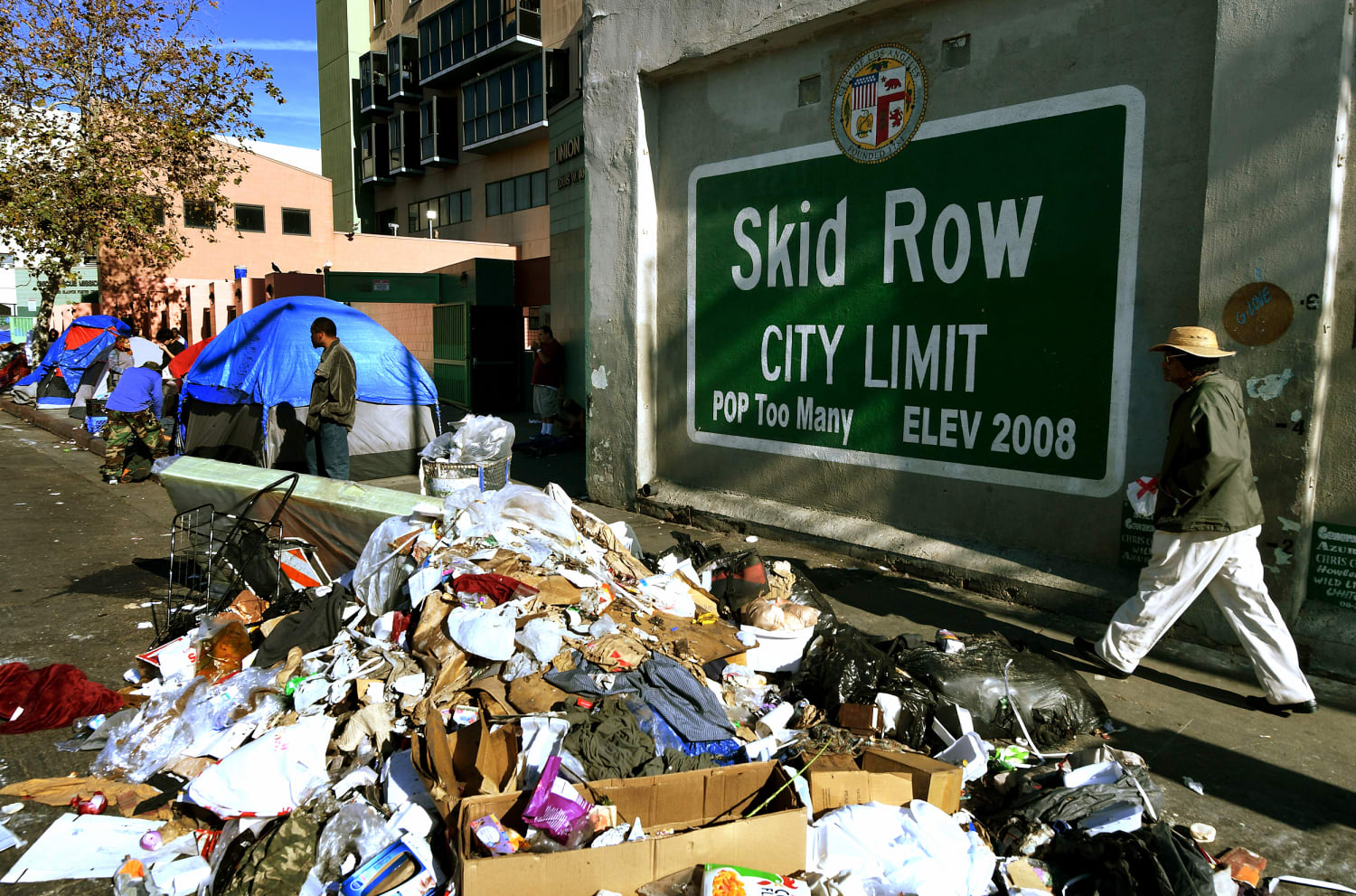
The “badness” of Skid Row is primarily defined by the sheer scale of human suffering it represents. Estimates frequently place the number of homeless individuals living in Skid Row at several thousand, making it one of the largest continuous homeless encampments in the United States. This population faces daily challenges including inadequate sanitation, lack of access to medical care, vulnerability to crime, and the constant struggle for basic survival. Beyond homelessness, poverty is rampant, with many residents lacking steady employment and relying on charity. The area also grapples with high rates of drug addiction and mental illness, which often contribute to and are compounded by homelessness. This creates a complex public health and safety crisis that profoundly impacts not just the residents of Skid Row but also places a significant burden on local resources and shapes the perception of Downtown Los Angeles as a whole. Understanding this scale is essential for any traveler seeking to grasp the full spectrum of urban life in Los Angeles.
Navigating the Complexities: Safety and Perception for Travelers
For visitors to Los Angeles, the existence of Skid Row raises immediate concerns about safety, travel planning, and the overall tourist experience. While Los Angeles is largely a safe city for tourists, specific areas like Skid Row require awareness and careful consideration.
Is Skid Row Safe for Tourists?
Generally speaking, Skid Row is not considered safe for tourists, particularly those who are unfamiliar with the area. The high concentration of vulnerable individuals, coupled with issues of drug use, mental health crises, and crime, creates an environment that is unpredictable and potentially dangerous for outsiders. While violent crime against tourists is not necessarily widespread, petty crime, theft, and harassment are more common. Walking through Skid Row can be a deeply unsettling and distressing experience, and it is strongly advised for visitors to avoid the area, especially alone or after dark. There is no tourist infrastructure, no attractions designed for visitors, and navigating the crowded, often chaotic streets can be overwhelming. The primary concern is not just physical safety but also the potential for psychological distress from witnessing such extreme poverty and suffering. For responsible tourism, it’s best to respect the boundaries of this community and prioritize personal safety.
Proximity to Popular Los Angeles Attractions
One of the most surprising aspects for many travelers is Skid Row’s proximity to some of Downtown Los Angeles’s most popular and revitalized areas. Just to the north and west, you find the Financial District, the vibrant Arts District with its trendy galleries and eateries, and cultural landmarks such as The Broad museum, MOCA, and the historic Broadway Theater District. Little Tokyo, a bustling hub of Japanese-American culture and cuisine, also borders Skid Row to the northeast. While these areas are distinct and generally safe, the boundaries can be fluid and less defined for someone unfamiliar with the city. Travelers exploring Downtown Los Angeles should be aware of the geographical layout and avoid inadvertently straying into Skid Row. Public transportation hubs like Union Station and Pershing Square are also relatively close, necessitating an understanding of safe routes and awareness of surroundings when walking to nearby attractions or hotels.
Choosing Accommodation Wisely: Hotels Near and Far
When planning accommodation in Los Angeles, particularly within Downtown Los Angeles, understanding the geography relative to Skid Row is important. Many excellent hotels, from luxury resorts to budget-friendly apartments and suites, are located in Downtown Los Angeles in areas like the Financial District, the Arts District, or near the Convention Center. These hotels are generally far enough from the core of Skid Row to not be directly impacted by its immediate challenges. However, guests staying closer to the eastern or southern edges of Downtown Los Angeles should be mindful of their surroundings, especially if walking.
When booking accommodation, it’s always wise to check the specific location on a map and read recent reviews that might mention neighborhood conditions. While hotels themselves maintain high standards of amenities and security, being aware of the immediate vicinity is part of responsible travel planning. Opting for hotels in more established tourist or business zones of Downtown Los Angeles, or in popular neighborhoods like Hollywood, Beverly Hills, or Santa Monica, will ensure a more comfortable and secure stay, removed from the profound challenges faced in Skid Row.
Beyond the Headlines: Social Issues and Community Efforts
The “badness” of Skid Row extends far beyond its immediate appearance, touching upon deep-seated social issues that resonate throughout Los Angeles and beyond. Yet, amidst the challenges, there is also a significant presence of dedicated individuals and organizations working tirelessly towards solutions and support.
The Human Toll: Health, Crime, and Quality of Life
Life on Skid Row is characterized by an array of profound human rights and public health crises. The lack of adequate sanitation leads to widespread health issues, including infectious diseases and chronic illnesses that go untreated. Mental health conditions are pervasive, often exacerbated by the trauma of homelessness and the constant stress of survival. Substance abuse is another significant challenge, trapping many in a cycle of addiction. Crime rates are notably higher in and around Skid Row compared to other parts of Los Angeles, with both residents and those who prey on them being victims. Violence, theft, and exploitation are unfortunate realities. The quality of life for individuals in Skid Row is severely compromised, marked by a constant struggle for basic needs and safety. This human toll is the most devastating aspect of Skid Row, reflecting systemic failures in addressing poverty, housing, and healthcare. For any visitor, even those who only pass nearby, this reality is a somber reminder of the stark disparities within modern urban centers.
Organizations and Initiatives for Change
Despite the overwhelming challenges, Skid Row is also a hub of incredible resilience and a testament to human compassion. Numerous non-profit organizations, religious missions, and community groups operate within the area, providing vital services ranging from emergency shelter, food, and clothing to medical care, mental health counseling, and job training. Institutions like the Midnight Mission, Union Rescue Mission, and St. Vincent de Paul have been mainstays for decades, offering lifelines to thousands. Newer initiatives and grassroots movements also continuously emerge, advocating for policy changes, affordable housing solutions, and more compassionate approaches to homelessness. Organizations like Homeboy Industries, while not exclusively focused on Skid Row, provide crucial support for individuals seeking to transition out of street life and gang involvement. These efforts, driven by dedicated staff and volunteers, represent the glimmer of hope within the grim reality, showcasing ongoing commitment to improving the lives of Skid Row residents and addressing the root causes of homelessness in Los Angeles.
The Broader Impact on Los Angeles’s Tourism Landscape
Skid Row’s existence undoubtedly impacts Los Angeles’s tourism landscape and overall image. For a city that prides itself on glamour, innovation, and diverse attractions, the visible reality of concentrated homelessness presents a stark counter-narrative. It can deter some visitors from exploring Downtown Los Angeles fully, or cause discomfort and concern among those who do. The media often highlights Skid Row as a symbol of Los Angeles’s struggle with its homelessness crisis, influencing public perception both domestically and internationally. While it doesn’t diminish the allure of other iconic destinations within the city, it adds a layer of social consciousness that responsible travelers are increasingly seeking to understand. Acknowledging Skid Row allows for a more nuanced appreciation of Los Angeles – a city of extreme contrasts, challenges, and ongoing efforts towards social justice and urban improvement. This complex reality encourages a form of tourism that is not just about leisure, but also about awareness and understanding.
Responsible Travel and Ethical Considerations
For any traveler, encountering a situation like Skid Row can be jarring. It prompts a deeper reflection on the role of tourism, personal responsibility, and how one interacts with communities in need. Understanding this context allows for more ethical and informed travel choices.
Practicing Awareness and Respect
When traveling in Los Angeles, especially in areas bordering Skid Row or in other parts of Downtown Los Angeles where homelessness is visible, practicing awareness and respect is paramount. This means being mindful of your surroundings, avoiding direct engagement with individuals who may be experiencing distress or mental health crises, and refraining from taking photographs of people without explicit permission. While curiosity might be natural, gawking or treating people experiencing homelessness as a spectacle is dehumanizing and disrespectful. It’s important to remember that these are individuals facing immense hardship. Dressing discreetly, avoiding overt displays of wealth, and keeping valuables secure are common-sense precautions applicable in any major city, but especially relevant when navigating urban areas with visible social challenges. The goal is to move through the city with empathy and discretion, recognizing the human dignity of all residents.
Supporting Solutions: How Travelers Can Help (Indirectly)
While direct intervention in Skid Row by tourists is neither recommended nor safe, travelers can still contribute positively to efforts addressing homelessness in Los Angeles. The most impactful way is often through supporting reputable local non-profit organizations that work directly with the unhoused population. Donations of money, time (if you are a resident), or needed items can make a significant difference. Many organizations accept online donations, allowing visitors from anywhere in the world to contribute. Learning about the systemic causes of homelessness—such as the lack of affordable housing in California, mental health resource gaps, and economic disparities—can also inform discussions and advocate for policy changes. Engaging with local businesses in Downtown Los Angeles that are committed to community improvement also contributes to the area’s overall economic health, which indirectly benefits all residents. Responsible tourism goes beyond enjoying attractions; it involves understanding the local context and contributing to the well-being of the communities visited.
The Future of Skid Row and Urban Revitalization
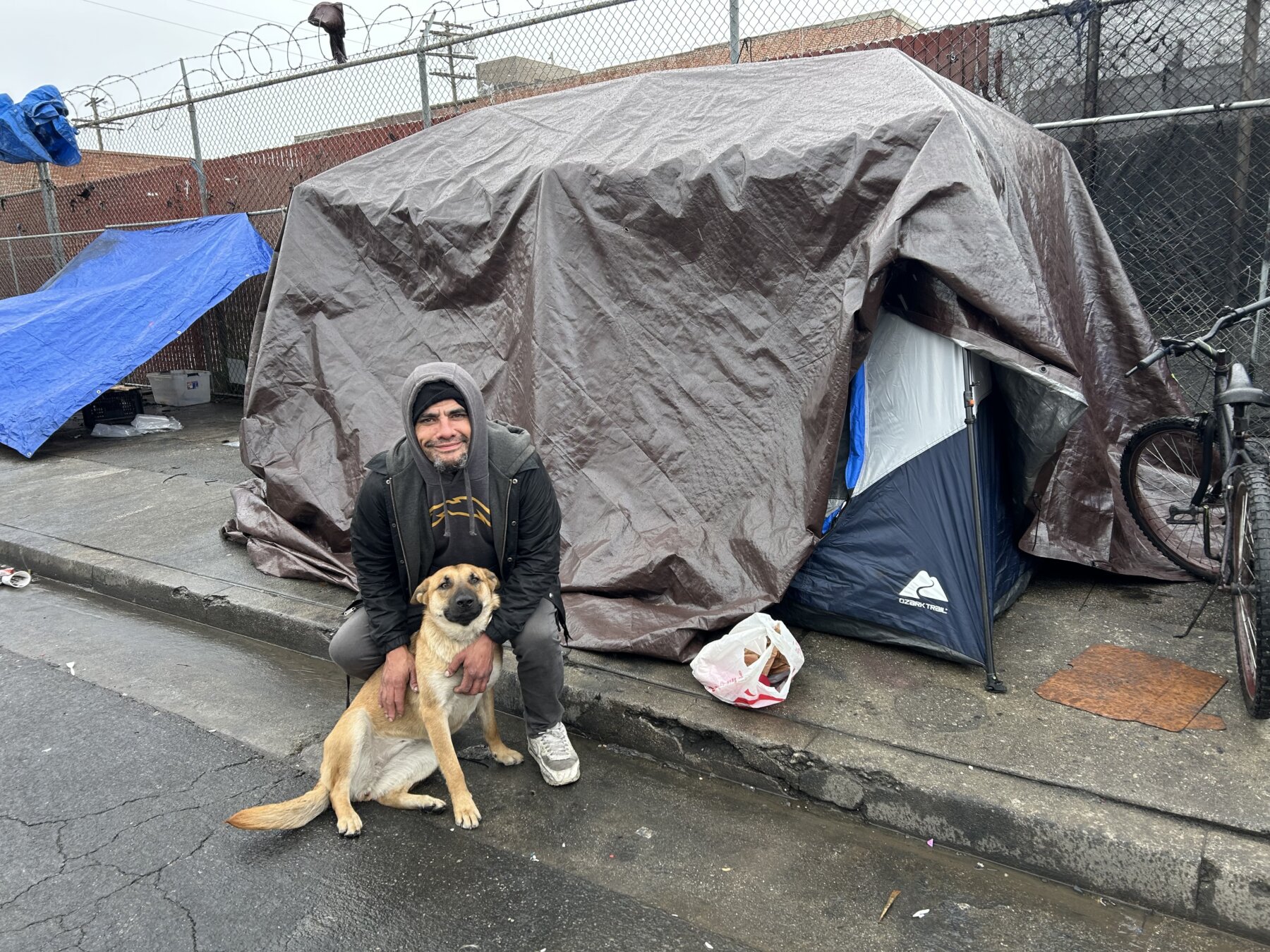
The future of Skid Row is a subject of ongoing debate and significant investment. There are continuous efforts by the city of Los Angeles and various non-profit organizations to address the crisis, including building more affordable housing, expanding mental health services, and implementing strategies to prevent homelessness. However, the scale of the problem is immense, and solutions are complex and costly. Urban revitalization in Downtown Los Angeles has seen areas like the Arts District transform dramatically, bringing new residents, businesses, and a vibrant lifestyle. While this progress is positive for some parts of the city, it also raises concerns about gentrification and the potential displacement of vulnerable populations if not handled thoughtfully. The future likely involves continued tension between development and social support, with ongoing efforts to integrate Skid Row residents into stable housing and provide comprehensive care. For travelers, observing these dynamics offers a unique perspective on urban challenges and the persistent human spirit in overcoming adversity, making the Los Angeles experience richer, albeit more complex.
LifeOutOfTheBox is a participant in the Amazon Services LLC Associates Program, an affiliate advertising program designed to provide a means for sites to earn advertising fees by advertising and linking to Amazon.com. Amazon, the Amazon logo, AmazonSupply, and the AmazonSupply logo are trademarks of Amazon.com, Inc. or its affiliates. As an Amazon Associate we earn affiliate commissions from qualifying purchases.