
When planning a trip to the vibrant and sun-drenched city of Miami, whether for a luxurious getaway, a family adventure, or a business stay, travelers often ponder the most fundamental aspects of daily life, including the quality of the local tap water. As a premier destination in Florida, known for its stunning beaches, dynamic culture, and diverse culinary scene, Miami attracts millions of visitors annually. Ensuring a comfortable and healthy experience is paramount, and understanding the local water supply is a key part of that. So, can you confidently drink tap water in Miami? The short answer is generally yes, but with a few nuances that are helpful for both tourists and long-term visitors to understand.
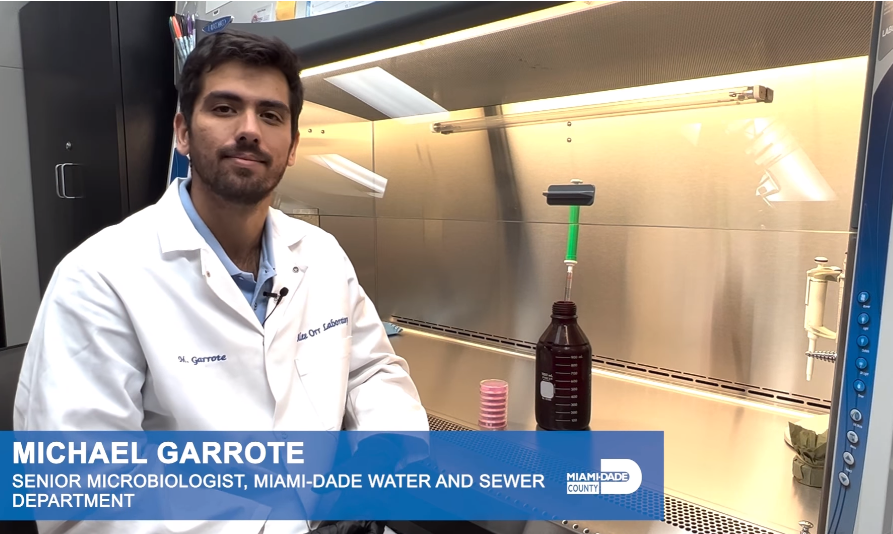
Miami’s tap water is sourced, treated, and distributed by the Miami-Dade Water and Sewer Department (MDWASD), a comprehensive utility service committed to delivering safe and reliable drinking water to residents and visitors across Miami-Dade County. The water undergoes rigorous testing and treatment processes, adhering to strict federal and state guidelines set by the United States Environmental Protection Agency (EPA) and the Florida Department of Environmental Protection (FDEP). While it meets all safety standards, factors like taste preference, water hardness, and individual sensitivities might influence your personal choice. This comprehensive guide will delve into the specifics of Miami’s water quality, offer practical advice for travelers, and discuss sustainable hydration options to enhance your Miami experience.
The Official Verdict: Miami’s Tap Water Quality
Understanding where your water comes from and how it’s treated is crucial to assessing its drinkability. Miami’s water infrastructure is robust, designed to support a bustling metropolitan area and its significant tourism industry.
Where Does Miami’s Water Come From?
The vast majority of Miami-Dade County’s drinking water originates from the Biscayne Aquifer, a shallow, unconfined aquifer that underlies much of Southeast Florida. This natural underground reservoir is replenished by rainfall and is a highly productive source of fresh water. The proximity of the Biscayne Aquifer to the surface makes it susceptible to certain environmental influences, which is why the treatment process is so critical.
The water extracted from the Biscayne Aquifer is then transported to various water treatment plants operated by the MDWASD. These facilities, such as the impressive John E. Preston Water Treatment Plant or the South District Wastewater Treatment Plant, employ advanced techniques to ensure the water is safe for consumption. While the Everglades are a vital part of South Florida‘s ecosystem, directly providing water to the municipal system in large quantities is not their primary role; rather, they influence the overall health of the aquifer system through rainfall and filtration.
Regulatory Oversight and Standards
The safety of Miami’s tap water is not left to chance. It is continuously monitored and regulated by several authoritative bodies. At the federal level, the EPA sets National Primary Drinking Water Regulations, which legally enforceable standards for over 90 contaminants. These standards protect public health by limiting the levels of contaminants in drinking water. In Florida, the FDEP is responsible for enforcing these federal regulations and setting additional state-specific rules to ensure water quality.
The MDWASD itself conducts thousands of tests annually, checking for bacteria, viruses, chemicals, and other potential impurities. These tests are performed at various stages: at the source, during treatment, and throughout the distribution system. The results of these tests are made public annually in a Consumer Confidence Report (CCR), also known as a Water Quality Report. These reports provide detailed information on where your drinking water comes from, what it contains, and how it compares to state and EPA standards. You can usually find these reports on the MDWASD website, offering full transparency to residents and visitors alike.
What’s In Your Glass? Common Contaminants and Filtration
Despite rigorous treatment, all public water systems can contain trace amounts of naturally occurring minerals or treatment byproducts. In Miami, the primary concerns often revolve around water hardness and disinfection byproducts.
Miami’s water is known to be “hard.” This means it contains a relatively high concentration of dissolved minerals, primarily calcium and magnesium, which are naturally picked up from the limestone of the Biscayne Aquifer. While hard water is not a health risk, it can lead to mineral buildup in pipes and appliances, and some people find it less palatable. It might also affect the lathering of soap or leave spots on dishes.
To ensure disinfection, MDWASD typically uses chloramines (a combination of chlorine and ammonia) which are effective at killing harmful bacteria and viruses without creating as many harmful byproducts as chlorine alone. While safe at regulated levels, some individuals are sensitive to the taste or smell of chloramines, or have specific health conditions that require them to remove these from their drinking water. Most standard water filters, such as activated carbon filters found in pitcher filters or faucet attachments, are effective at reducing chlorine/chloramine taste and odor, as well as some other common contaminants. For those with compromised immune systems or infants, boiling water or using a specialized filter can offer an extra layer of precaution, though this is generally not necessary given the water’s compliance with safety standards.
Practical Considerations for Travelers and Residents
Beyond the scientific data, practical aspects often influence personal choices about drinking tap water, especially for those visiting or new to Miami.
Taste and Aesthetic Concerns
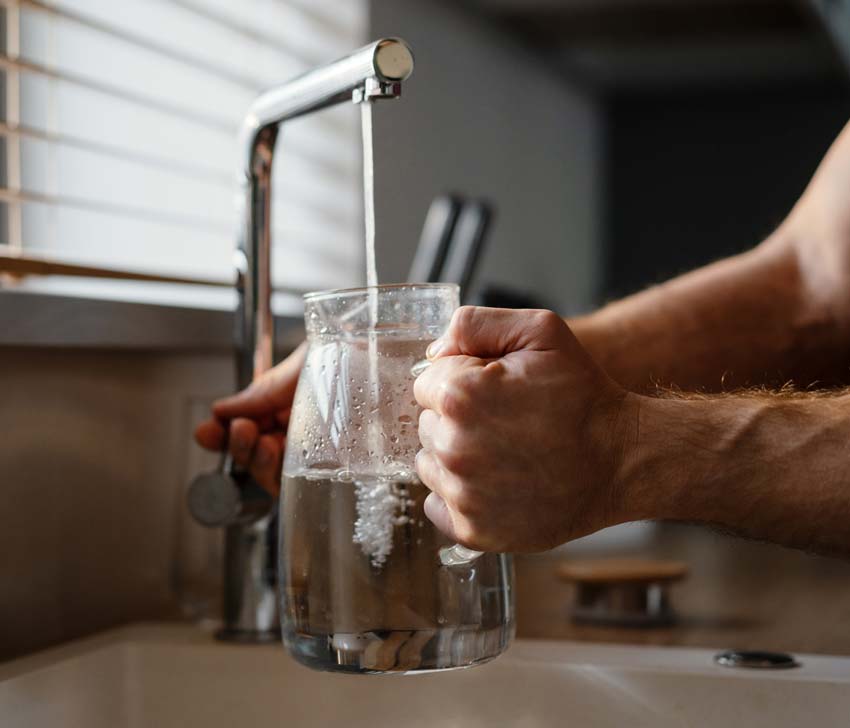
As mentioned, Miami’s tap water often has a distinct taste due to its hardness and the use of chloramines. While safe, the taste might not appeal to everyone, particularly those accustomed to softer water or different disinfection methods. Some visitors report a slight “chlorine” smell or taste, which is usually harmless but can be off-putting. For many, simply chilling the water can significantly improve its taste. Using a Brita filter or similar pitcher filter in your accommodation is another excellent way to enhance the taste by removing residual chlorine and some sediment, making it more enjoyable for daily consumption. This small investment can save you money on bottled water and reduce plastic waste throughout your stay.
Staying Hydrated in Miami’s Climate
Miami’s tropical climate means high temperatures and humidity year-round, making hydration absolutely essential. Dehydration can quickly set in, especially if you’re exploring attractions like South Beach, the Art Deco Historic District, or enjoying outdoor activities like boating around Key Biscayne. Relying solely on bottled water can become costly and inconvenient. Therefore, having a reliable and safe source of water from the tap, possibly filtered for taste, is a practical and healthy choice. Carrying a reusable water bottle and refilling it throughout the day from public fountains (which are often filtered themselves) or your accommodation’s tap is a smart way to stay hydrated and environmentally conscious. When visiting places like Everglades National Park, always carry ample water, as tap water refills might not be readily available in remote areas.
Water at Your Accommodation: Hotels, Resorts, and Rentals
Whether you’re staying in a luxurious resort on Miami Beach, a boutique hotel in Coral Gables, or an Airbnb in Little Havana, the tap water will be from the same municipal supply and meet the same safety standards.
- Hotels and Resorts: Most hotels, especially higher-end establishments, will offer complimentary bottled water in your room. However, this is often a small amenity. Many will also have water dispensers in lobbies or fitness centers. If you’re concerned about taste, ask if the hotel provides filtered water stations. Some luxury accommodations, like those in Brickell or Fisher Island, may even feature in-room water filtration systems or offer bottled water as a standard, complimentary amenity. Don’t hesitate to use the tap water for brushing teeth, showering, and even making coffee or tea.
- Apartments and Villas (Vacation Rentals): If you’re staying in a vacation rental, you’ll have direct access to the municipal tap water. Consider purchasing a water filter pitcher upon arrival for improved taste, especially if your stay is extended. This is often more cost-effective than buying cases of bottled water. Always check the property’s guide for any specific information regarding water or filtration systems already installed.
Sustainable Choices and Health Tips
Making informed choices about water consumption in Miami can also contribute to a more sustainable travel experience and ensure personal well-being.
Reducing Plastic Waste: Reusable Bottles and Filtration
The environmental impact of single-use plastic bottles is a growing global concern. As a popular tourist destination, Miami grapples with this challenge. Choosing to drink tap water, possibly filtered for taste, is a powerful way to reduce your carbon footprint while traveling. Invest in a good quality reusable water bottle before your trip. Many modern bottles come with built-in filters that can further improve the taste of tap water on the go. Refilling your bottle at water stations or directly from the tap at your accommodation not only saves money but also helps protect Miami’s beautiful beaches and marine life from plastic pollution. Areas like Wynwood Walls and Downtown Miami are increasingly offering refill stations, aligning with a broader global movement towards sustainability in tourism.
Special Considerations: Sensitive Individuals and Babies
For the vast majority of people, Miami’s tap water is perfectly safe. However, certain groups may want to exercise additional caution.
- Individuals with Compromised Immune Systems: If you have a severely weakened immune system, it’s always wise to consult with your doctor about specific recommendations for drinking water, especially when traveling. While rare, trace elements or microorganisms that are harmless to most might pose a risk to highly susceptible individuals. Using a high-quality water filter (like those certified to remove cysts) or opting for bottled water could be a personal preference.
- Infants and Young Children: When preparing formula for infants, most pediatricians recommend using boiled tap water, regardless of location, to sterilize it. Once the child is older and drinking water directly, Miami’s tap water is generally considered safe. However, if you are concerned about fluoride levels or other minerals, you can discuss this with your pediatrician. For older children, filtered tap water is a safe and healthy option for hydration.
Exploring Miami with Peace of Mind
Ultimately, the decision to drink tap water in Miami is a personal one, but it can be made with confidence. The city’s water supply is rigorously tested and meets all federal and state safety standards. For travelers focused on comfort, convenience, and sustainability, embracing Miami’s tap water, perhaps with a simple filter for taste, is an excellent choice. This allows you to stay well-hydrated while exploring world-class landmarks, indulging in local cuisine, and enjoying the unique lifestyle that Miami offers, without the constant concern of finding or purchasing bottled water. Focus on enjoying your Miami experience, knowing that your water source is safe and reliable.
In conclusion, yes, you can drink tap water in Miami. It’s safe, regulated, and a sustainable choice. While the taste may vary from what you’re accustomed to, simple filtration or chilling can easily resolve this. Stay hydrated, save money, and reduce your environmental impact as you soak in everything this incredible Florida city has to offer.
LifeOutOfTheBox is a participant in the Amazon Services LLC Associates Program, an affiliate advertising program designed to provide a means for sites to earn advertising fees by advertising and linking to Amazon.com. Amazon, the Amazon logo, AmazonSupply, and the AmazonSupply logo are trademarks of Amazon.com, Inc. or its affiliates. As an Amazon Associate we earn affiliate commissions from qualifying purchases.