
Montana, often revered as “Big Sky Country,” is a land of vast open spaces, majestic mountain ranges, and unparalleled natural beauty. While its summers offer idyllic conditions for hiking, fishing, and exploring its renowned national parks, the state is equally famous for its notoriously harsh winters. The question, “How cold does it get in Montana?”, is one that frequently comes to mind for prospective travelers and those contemplating a move to this rugged corner of the United States. The short answer is: very cold. But delving deeper reveals a fascinating interplay of geography, climate, and elevation that dictates the extreme variations in temperature across the state, creating both challenges and unique opportunities for those brave enough to embrace the chill.
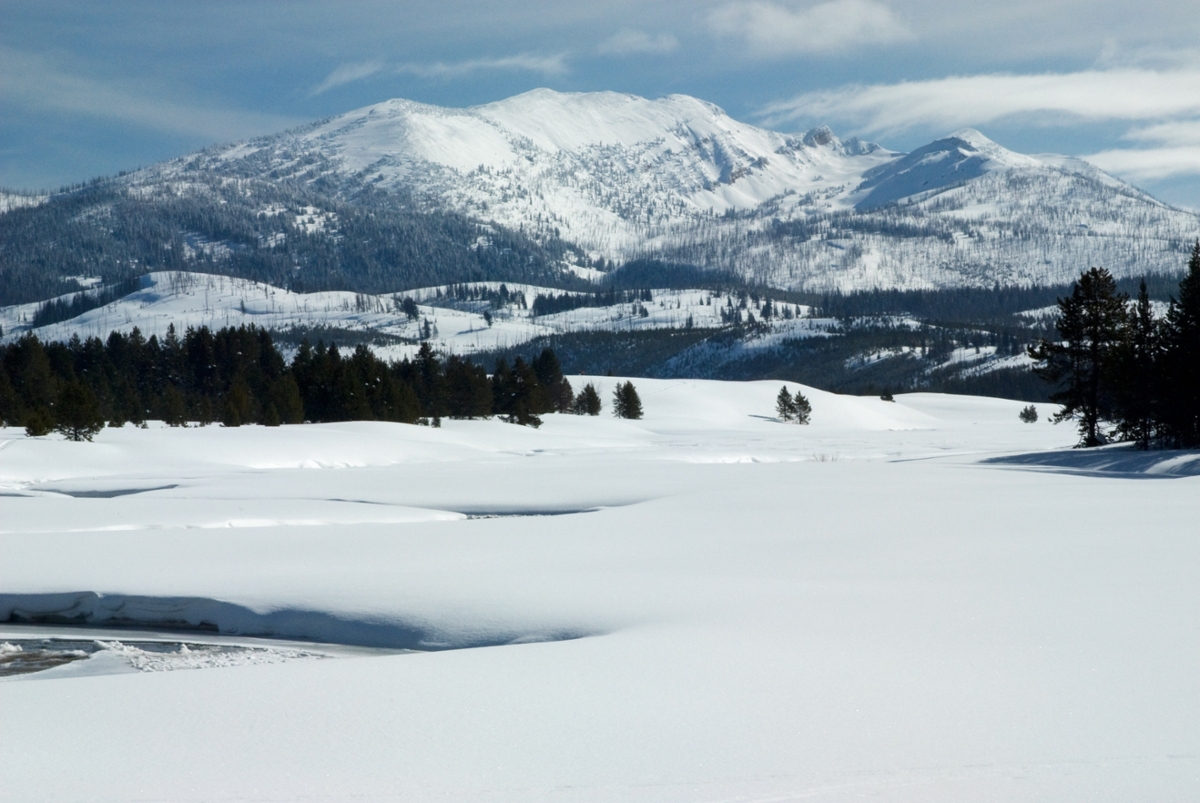
From the snow-capped peaks of the Rocky Mountains to the expansive plains of its eastern reaches, Montana’s climate is a study in contrasts. Winter here is not merely a season; it’s a profound experience that shapes the landscape, wildlife, and the very lifestyle of its residents. Understanding the nuances of Montana’s cold means appreciating its record-breaking lows, its persistent wind chills, and the sheer duration of its winter season, which can stretch for months. Yet, this extreme environment also gives rise to some of the most stunning winter scenery and exhilarating cold-weather activities imaginable, drawing a specific kind of adventurer seeking pristine powder, tranquil frozen landscapes, and cozy retreats.
Understanding Montana’s Winter Chill
To truly grasp the extent of Montana’s cold, one must first understand the factors that contribute to its frigid temperatures. The state’s position in the northern interior of the North American continent, far from the moderating influence of oceans, combined with its diverse topography, sets the stage for a dramatic winter climate.
Geographic Influences on Temperature
Montana is effectively split into two major climatic zones by the Continental Divide, which runs through its western half. Western Montana, characterized by its mountainous terrain, including portions of the Rocky Mountains, generally experiences milder, wetter winters compared to the eastern plains. The influence of Pacific air masses, though somewhat blocked by the mountains, can still bring periods of relatively warmer temperatures and significant snowfall to areas like Missoula, Kalispell, and the Flathead Valley. Here, temperatures might hover in the teens and twenties during the day, with nighttime lows dropping into the single digits or below zero.
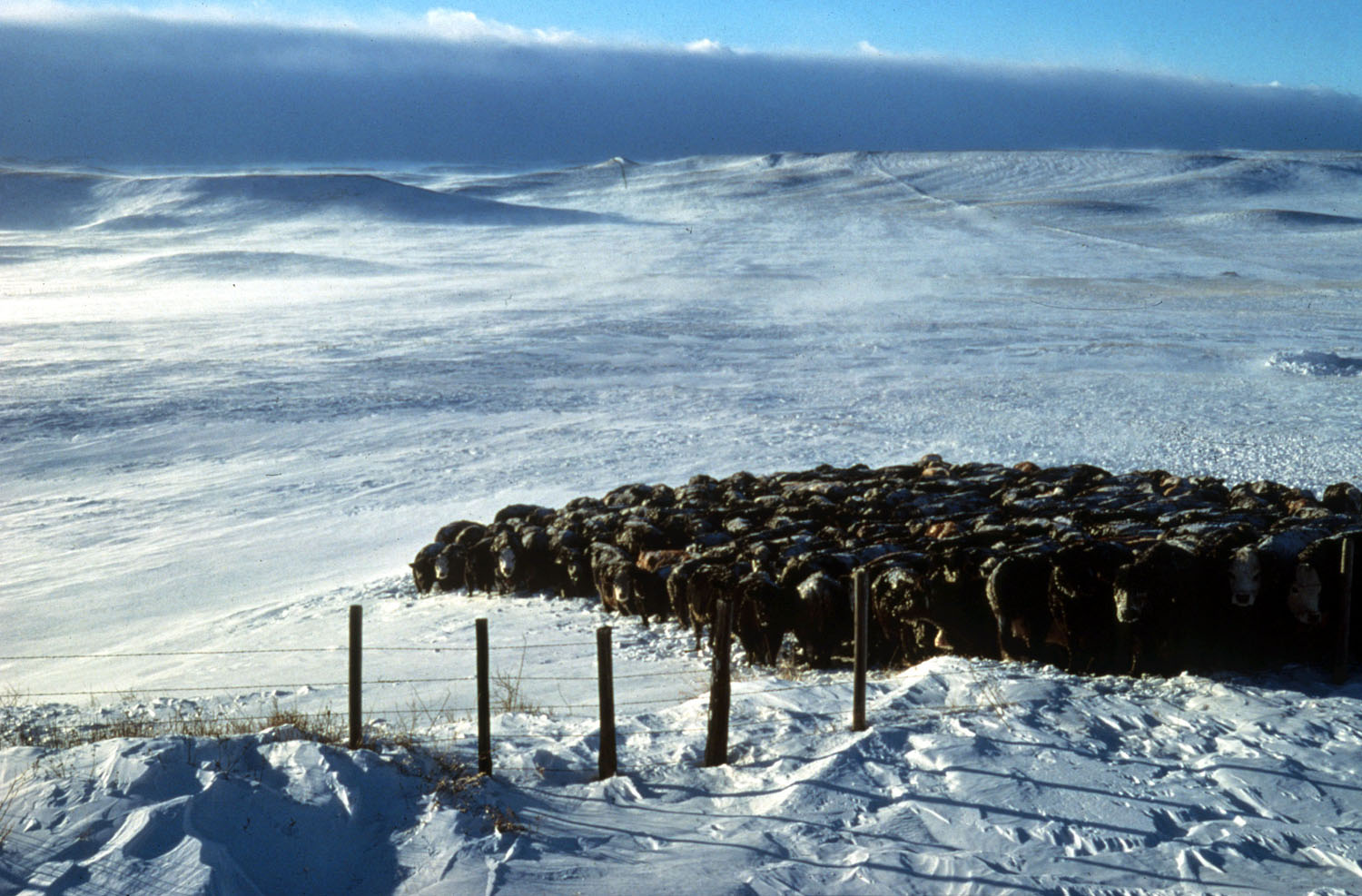
Conversely, Eastern Montana is dominated by vast plains and experiences a much more extreme continental climate. Without the protective barrier of the mountains, this region is fully exposed to cold Arctic air masses sweeping down from Canada. Cities like Billings, Great Falls, and Miles City routinely face much colder temperatures, with prolonged periods of sub-zero readings. The winds across these open plains can also be relentless, exacerbating the cold through severe wind chill factors. Elevation also plays a critical role, with higher elevations, such as mountain passes and peaks, experiencing even more extreme cold than the valley floors.
Average Temperatures and Record Lows
When we talk about “cold,” Montana truly lives up to its reputation. Average winter temperatures across the state vary significantly, but generally, from December through February, daytime highs typically range from 20°F to 35°F (-7°C to 2°C), while nighttime lows plunge from 0°F to 15°F (-18°C to -9°C). However, these are just averages. Cold snaps are a regular feature of Montana winters, often bringing temperatures down to -20°F (-29°C) or even -30°F (-34°C) for several days at a time.
The state holds several impressive, if not chilling, temperature records. The coldest temperature ever recorded in the contiguous United States was in Montana at Rogers Pass on January 20, 1954, when the mercury plummeted to an astonishing -70°F (-57°C). While such extremes are rare, they highlight the potential for truly brutal cold. Even in modern times, locations like West Yellowstone, Butte, and various high-elevation towns regularly experience temperatures in the -30s and -40s during the peak of winter. These conditions are not just numbers; they represent a significant challenge for infrastructure, transportation, and daily life, requiring serious preparation and respect for the elements.
Wind Chill and Snowfall
Beyond the ambient temperature, wind chill is a critical factor in how cold it feels in Montana. Strong winds, particularly in the open plains, can make a 0°F (-18°C) day feel like -20°F (-29°C) or colder, drastically increasing the risk of frostbite and hypothermia. The National Weather Service frequently issues wind chill advisories and warnings throughout the winter months, urging residents and visitors to take precautions.
Snowfall is also a defining characteristic of Montana winters. The mountains can receive hundreds of inches of snow annually, creating world-class conditions for skiing and snowboarding. Areas like Glacier National Park and the Big Sky region are buried under feet of snow, transforming the landscape into a pristine white wonderland. Even the plains receive substantial snow, though often it’s the light, dry “champagne powder” that can be easily blown around by winds, leading to blizzard conditions and drifting snow that can close roads. The combination of heavy snow, extreme cold, and strong winds can create truly formidable winter environments, making travel challenging but also creating breathtaking vistas.
Embracing the Montana Winter: Activities and Attractions
Despite, or perhaps because of, its intense cold, Montana becomes a playground for winter enthusiasts. The state’s natural beauty, combined with its ample snowfall and rugged terrain, provides a unique backdrop for a variety of cold-weather activities and offers a different perspective on its famous attractions.
Premier Winter Sports Destinations
For many, the cold in Montana means one thing: exceptional winter sports. The state is home to some of North America’s best ski and snowboard resorts, renowned for their abundant powder, diverse terrain, and relatively uncrowded slopes. Big Sky Resort, located in southwestern Montana, stands out as one of the largest ski resorts in the United States by acreage, offering vast amounts of skiable terrain, including the iconic Lone Peak. Its high elevation often means reliable snow conditions, even when other areas might be struggling.
Further north, Whitefish Mountain Resort near Whitefish offers a charming mountain town vibe combined with incredible skiing, often shrouded in its famous “snow ghosts” – trees heavily caked in rime ice. Other notable ski areas include Bridger Bowl near Bozeman, a local favorite known for its steep and challenging terrain, and Red Lodge Mountain in south-central Montana, which boasts a relaxed atmosphere and stunning views of the Absaroka-Beartooth Wilderness. Beyond alpine skiing, Montana offers extensive opportunities for cross-country skiing, snowshoeing, and snowmobiling, with miles of groomed trails crisscrossing national forests and state parks. The Big Hole Valley, for example, is a popular destination for snowmobiling enthusiasts.
National Parks in Winter
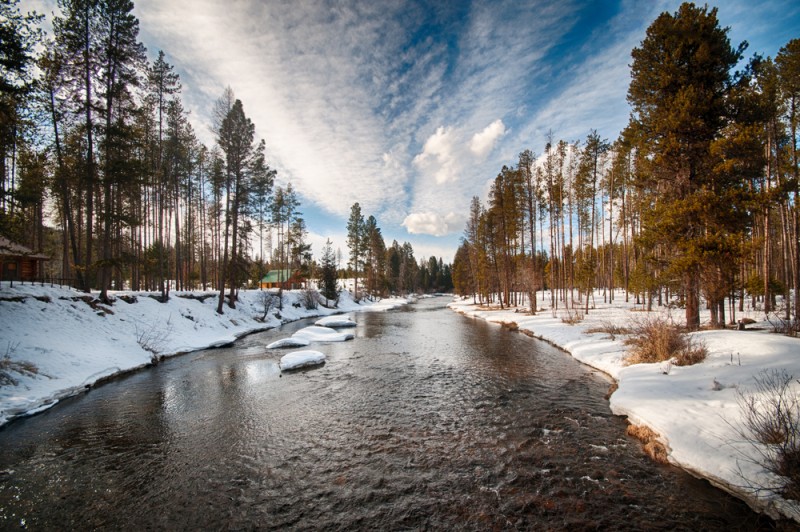
Visiting Montana’s famous national parks in winter offers a profoundly different and often more serene experience than in the bustling summer months. Glacier National Park, while largely inaccessible by car due to road closures like the iconic Going-to-the-Sun Road, transforms into a pristine wilderness. Portions of the park remain open for cross-country skiing and snowshoeing, allowing visitors to experience its majestic beauty in solitude, marveling at frozen waterfalls and snow-draped peaks. Wildlife viewing can be exceptional, with elk, moose, and bighorn sheep often more visible against the snow.
Yellowstone National Park, primarily accessed through its northern entrance near Gardiner, Montana, remains open year-round to wheeled vehicles along the Mammoth Hot Springs to Northeast Entrance Road. The park’s interior, however, is best explored via snowmobile or snowcoach, offering a unique opportunity to witness its geothermal features steaming dramatically in the frigid air. Old Faithful erupting against a snowy backdrop is an unforgettable sight, and wildlife, including bison and wolves, are often easier to spot as they congregate near geothermal areas for warmth and easier foraging.
Cultural and Urban Winter Experiences
Not all winter activities in Montana require extreme cold endurance. The state’s cities and towns offer cozy havens and cultural experiences to warm up. Bozeman, a vibrant university town, is a hub for outdoor recreation but also boasts a lively downtown with breweries, art galleries, and the Museum of the Rockies, famous for its dinosaur fossil collection. Missoula, home to the University of Montana, offers a more eclectic, liberal vibe with a thriving arts scene, unique shops, and excellent restaurants.
For a truly relaxing winter escape, Montana is dotted with natural hot springs. Soaking in the mineral-rich waters of places like Chico Hot Springs Resort & Day Spa near Livingston or Quinn’s Hot Springs Resort in the Clark Fork River Canyon while surrounded by snow-covered mountains is an unparalleled experience that perfectly balances the state’s extreme cold with profound warmth and relaxation. Many towns also host winter festivals, ice sculpting competitions, and other community events that celebrate the season, offering a glimpse into local culture and resilience.
Preparing for Your Cold Weather Adventure
Experiencing Montana’s winter requires careful preparation, but with the right gear and knowledge, it can be an incredibly rewarding adventure. Disregarding the cold can lead to serious discomfort or even danger, so planning ahead is crucial for a safe and enjoyable trip.
Packing Essentials for Montana Winters
Layering is the golden rule for dressing in Montana’s winter. Start with a moisture-wicking base layer (synthetic or wool, never cotton) to keep sweat away from your skin. Add an insulating middle layer, such as fleece or down, for warmth. The outermost layer should be a waterproof and windproof shell jacket and pants to protect against snow, sleet, and bitter winds.
Essential accessories include an insulated hat that covers your ears, warm waterproof gloves or mittens (mittens are generally warmer), and a neck gaiter or scarf. Footwear is paramount: sturdy, waterproof, insulated boots with good traction are a must, paired with thick wool socks. Hand warmers and toe warmers can be lifesavers on particularly frigid days or during prolonged outdoor activities. Don’t forget sunglasses or goggles for eye protection from snow glare, and high-SPF sunscreen, as snow reflects UV rays, increasing the risk of sunburn.
Navigating Winter Roads and Travel Tips
Driving in Montana during winter requires caution and a well-prepared vehicle. Snow, ice, and black ice are common, especially in shaded areas or at higher elevations. Four-wheel drive or all-wheel drive vehicles with good ground clearance are highly recommended, and proper winter tires (not just all-season tires) can make a significant difference in traction and stopping power. Always keep your gas tank at least half full to prevent fuel lines from freezing and ensure you have enough fuel if you get stuck or encounter unexpected delays.
Before embarking on a long drive, check road conditions via the Montana Department of Transportation website or app. Be aware that remote roads, especially in national forests or less-traveled areas, may not be plowed regularly. Carry an emergency kit in your vehicle, including blankets, extra warm clothing, a shovel, sand or kitty litter for traction, jumper cables, a flashlight, first-aid supplies, and emergency food and water. Always let someone know your travel plans, especially if heading into remote areas. Flexibility in your itinerary is key, as winter storms can unexpectedly close roads or create hazardous conditions.
Choosing the Right Accommodation
After a day in the cold, a warm and inviting place to rest is essential. Montana’s accommodation options cater to various preferences and budgets, all offering a cozy refuge from the winter elements. Luxury travelers might opt for high-end resorts like The Summit at Big Sky or The Lodge at Whitefish Lake, which offer amenities like outdoor heated pools, hot tubs, fine dining, and spa services – perfect for rejuvenating tired muscles.
For a more rustic or intimate experience, consider booking a cabin or lodge with a roaring fireplace, like those found around Flathead Lake or in the scenic Pioneer Mountains. Many vacation rentals (Villas, Apartments) are equipped with private hot tubs, offering an exclusive way to enjoy the snowy surroundings. Even budget-friendly hotels in cities like Bozeman or Helena provide comfortable and warm bases from which to explore. When booking, consider proximity to winter activities or amenities that enhance your cold-weather stay, such as ski-in/ski-out access or shuttle services to nearby resorts.
Is Winter Travel in Montana Right for You?
Montana’s winter is undoubtedly cold, often brutally so. The mercury can plummet, the winds can howl, and the snow can pile up seemingly endlessly. However, for those prepared to embrace these elements, the rewards are immense. Winter in Montana offers a unique brand of beauty and adventure, from the exhilarating rush of carving down powdery slopes to the tranquil solitude of snowshoeing through a silent forest. It’s a chance to witness wildlife in its most resilient state and to experience the raw, untamed spirit of the “Last Best Place” under a blanket of white.
If you thrive in extreme conditions, seek pristine natural beauty, and are looking for an active winter vacation, then Montana could be your ideal destination. It’s a place where the cold clarifies the air, sharpens the senses, and leaves an indelible impression on all who venture into its winter wonderland. Just remember to pack your warmest layers, respect the power of nature, and be ready for an unforgettable journey into the heart of a truly cold, but incredibly captivating, landscape.
LifeOutOfTheBox is a participant in the Amazon Services LLC Associates Program, an affiliate advertising program designed to provide a means for sites to earn advertising fees by advertising and linking to Amazon.com. Amazon, the Amazon logo, AmazonSupply, and the AmazonSupply logo are trademarks of Amazon.com, Inc. or its affiliates. As an Amazon Associate we earn affiliate commissions from qualifying purchases.