
For many travelers, adjusting to a new time zone is a routine part of any journey. You land, you “spring forward” or “fall back,” and life continues. But when you plan a trip to the Grand Canyon State, you quickly encounter a unique aspect of its geography and history: Arizona plays by its own rules when it comes to time. This seemingly minor detail can have significant implications for planning your itinerary, booking accommodations, and simply understanding the rhythm of daily life in this vibrant desert landscape. Far from being a mere trivia point, Arizona’s consistent observance of Mountain Standard Time (MST) year-round shapes everything from sunrise hikes to sunset dinners, making it a crucial piece of knowledge for any visitor.
This distinctive approach to time zone management is deeply intertwined with Arizona’s climate, culture, and economic activities. Understanding “what time it is in Arizona” isn’t just about setting your watch; it’s about appreciating a facet of the state that impacts tourism, travel logistics, and the overall visitor experience. From bustling cities like Phoenix and Scottsdale to the awe-inspiring vistas of the Grand Canyon National Park, the state’s timeless rhythm subtly influences every aspect of your adventure. Whether you’re planning a family trip, a luxury travel escape, or a budget travel expedition, a grasp of Arizona’s time zone will ensure a smoother, more enjoyable journey through its diverse landscapes and rich local culture.
Arizona’s Timeless Enigma: Understanding MST Year-Round
The question “What time is it in Arizona?” often elicits a slightly more complex answer than in most other states. While the majority of the United States observes Daylight Saving Time (DST), advancing clocks by an hour in spring and retreating them in fall, Arizona largely opts out of this biannual ritual. This decision has historical roots and practical implications that define much of the state’s daily rhythm.
The Core of the Matter: Mountain Standard Time (MST)
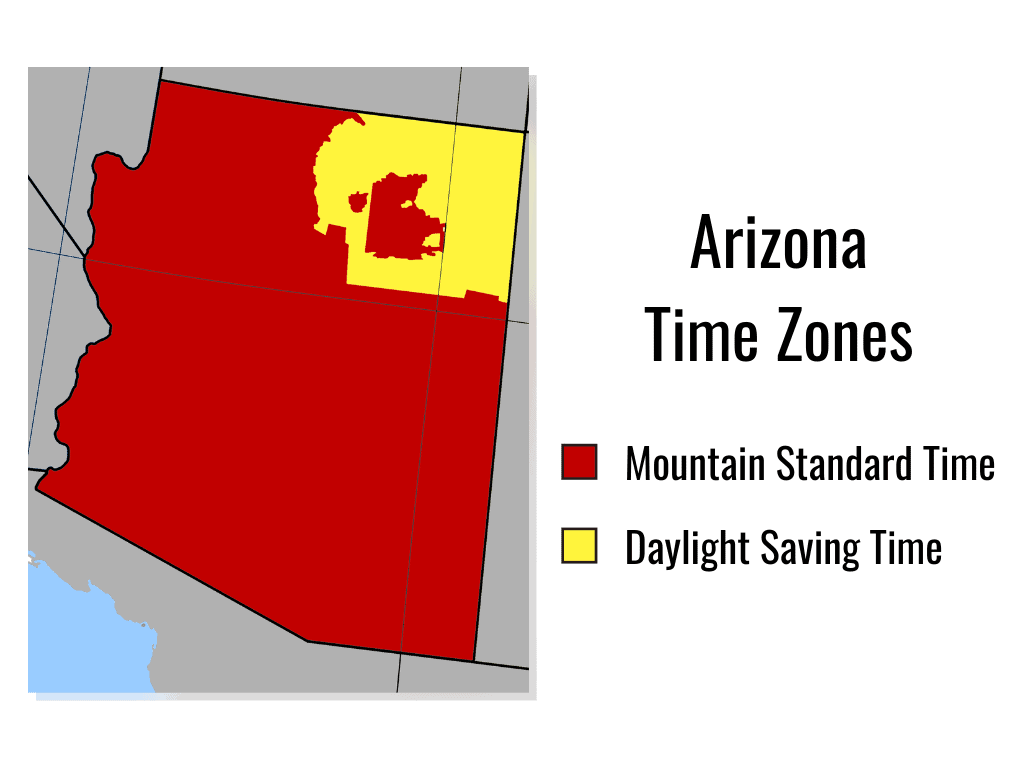
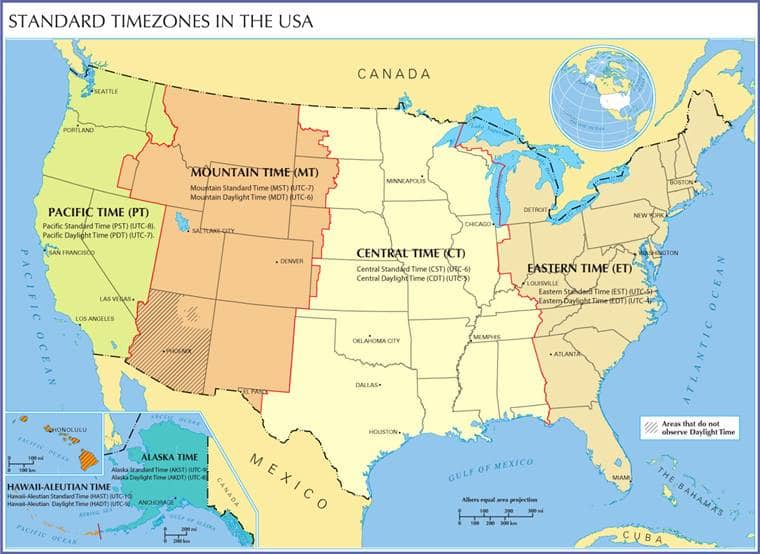
For the vast majority of the year, and indeed for the vast majority of the state, Arizona consistently observes Mountain Standard Time (MST). This means it is UTC-7, a fixed offset from Coordinated Universal Time. During the winter months, when states like California, Nevada, Utah, New Mexico, and Colorado are also on MST, Arizona’s time aligns with them. However, when Daylight Saving Time (DST) begins in March, these neighboring states “spring forward” to Mountain Daylight Time (MDT) or Pacific Daylight Time (PDT), making them an hour ahead or an hour behind Arizona, respectively.
Why did Arizona choose this path? The primary reason revolves around the intense summer heat. With average summer temperatures regularly soaring above 100°F (38°C), the idea of shifting daylight hours forward an hour in the spring would mean even later sunsets, pushing the hottest part of the day further into the evening. This would only exacerbate energy consumption for air conditioning and delay outdoor activities until even later, making the already long, hot summer evenings feel interminable. By sticking with MST year-round, Arizona effectively enjoys earlier sunsets in the summer, which helps mitigate the heat and aligns better with the natural rhythms of life in a desert climate. It supports the state’s agricultural practices, allowing farmers to start their work earlier in the cooler morning hours, and minimizes the need for extra lighting in the morning, which was the original intent of DST. This historical decision, made official in the late 1960s, continues to shape the state’s unique temporal identity.

The Navajo Nation Exception: A Twist in Time
Like many rules, Arizona’s time zone adherence comes with an exception: the Navajo Nation. This vast reservation, stretching across portions of Arizona, Utah, and New Mexico, does observe Daylight Saving Time. The reasoning behind this decision is to maintain consistency across the entire reservation, which spans multiple states, many of which observe DST. For the Navajo Nation, it simplifies administrative tasks and coordination for its citizens living across state lines.
This exception creates a fascinating “time warp” for travelers exploring northeastern Arizona. When you cross into the Navajo Nation (for example, to visit iconic landmarks like Monument Valley or Antelope Canyon) during the Daylight Saving Time period (roughly March to November), you’ll need to advance your clock by one hour. Upon leaving the Navajo Nation and returning to the rest of Arizona, you’ll turn your clock back. This can be a source of confusion for unprepared tourists, particularly those with timed tour bookings within the reservation. It underscores the importance of verifying the local time specific to your exact location, especially when dealing with tour operators or scheduled activities.
Navigating Arizona’s Time for Travelers and Tourists
Understanding Arizona’s time zone peculiarities is more than just a fun fact; it’s a practical necessity for seamless travel and tourism planning. From coordinating flights to embarking on guided tours, the consistent MST observance, alongside the Navajo Nation’s DST, requires a little foresight.
Planning Your Arizona Itinerary: What to Consider
When drawing up your Arizona itinerary, keeping the time zone in mind can save you from missed connections and lost opportunities. Here are key considerations:
- Impact on Flights: If you’re flying into Phoenix Sky Harbor International Airport or any other Arizona airport during the spring or summer, remember that your departure city might be on DST. This means your flight arrival time in Arizona will effectively be an hour earlier than if Arizona also observed DST. Always confirm local arrival and departure times to avoid confusion, especially with connecting flights.
- Attraction Opening Hours: While most major attractions will clearly state their operating hours in local time, it’s always wise to double-check. During the transition periods when other states switch to and from DST, there can sometimes be minor discrepancies in online schedules if they haven’t been updated for Arizona’s unique status.
- Booking Tours and Activities: This is perhaps where the most attention is needed, particularly for tours involving the Navajo Nation. If you book a tour for Antelope Canyon or Monument Valley, ensure you know whether the tour operator is operating on Navajo Nation time (DST during summer) or Arizona time (MST year-round). A missed tour due to a time zone miscalculation can be a significant disappointment.
- Communication with Loved Ones: Staying in touch with family and friends outside of Arizona requires a quick mental calculation. In the summer, if they’re on Pacific Daylight Time (PDT), you’ll be the same time as them. If they’re on Mountain Daylight Time (MDT), they’ll be an hour ahead. And if they’re on Central Daylight Time (CDT) or Eastern Daylight Time (EDT), the difference will be even greater than what you might typically expect.
- Business Meetings/Conference Calls: For those on a business stay or needing to coordinate remote work, the fixed MST simplifies things once understood, but requires clear communication with colleagues in other time zones.
- Sunrises and Sunsets: For photographers, hikers, and anyone keen on experiencing Arizona’s breathtaking natural beauty at dawn or dusk, the fixed MST means earlier sunsets in summer compared to states observing DST. This allows for earlier evening activities and makes the most of the cooler parts of the day.
Popular Destinations and Time Zone Tips
Specific destinations within Arizona may require a bit of extra attention due to their location or popular activities:
- Phoenix & Scottsdale: As the state’s largest metropolitan areas, Phoenix and Scottsdale operate entirely on MST year-round. Most visitors arriving via Phoenix Sky Harbor International Airport will simply adjust their clocks once and be set for their entire stay within these cities.
- Grand Canyon National Park: The Grand Canyon National Park primarily operates on Arizona’s MST. However, if you are approaching the Grand Canyon from the east, especially after visiting areas within the Navajo Nation, remember to set your clock back an hour during DST. This is crucial for catching sunrise/sunset views or scheduled ranger programs.
- Sedona: Famous for its stunning red rock formations and spiritual retreats, Sedona also observes MST year-round. Planning your outdoor activities like hiking and mountain biking around the fixed daylight hours will help you beat the midday heat and enjoy the golden hour.
- Tucson: Located in Southern Arizona, close to the Mexico border, Tucson maintains MST. Its vibrant local culture and historical landmarks are unaffected by the DST shift elsewhere.
- Page (Antelope Canyon, Horseshoe Bend): This area is a prime example of where the Navajo Nation exception is critical. While the town of Page itself is not on the Navajo Nation and observes MST, many of the most popular attractions nearby, such as Antelope Canyon and Monument Valley, are located within its boundaries. Tour operators for Antelope Canyon typically operate on Navajo Nation time, which means they observe DST from March to November. Always confirm the local time with your tour company when booking and arriving. Horseshoe Bend, however, is just outside the Navajo Nation and follows Arizona’s MST.
Accommodation and Lifestyle in Arizona’s Unique Time
Beyond simply setting your watch, Arizona’s unique time zone contributes to a distinctive lifestyle and experience, particularly for those staying at its world-class hotels and resorts. The fixed schedule subtly enhances various aspects of visitor experiences, from leisurely mornings to vibrant evenings.
Hotels and Resorts: Seamless Stays
When it comes to accommodation, Arizona’s non-observance of DST generally simplifies things for guests. Most hotels, resorts, suites, apartments, and villas across the state adhere to MST year-round. This means no confusing clock changes in your room or at the front desk. Your internal body clock might still need to adjust if you’re coming from a DST region, but the hotel’s operations will be consistent.
Many of Arizona’s premier resorts leverage the consistent daylight hours to offer an array of amenities and experiences. For example, a resort like The Phoenician, a Luxury Collection Resort, Scottsdale or Arizona Biltmore, A Waldorf Astoria Resort in Phoenix can reliably schedule early morning golf tee times or late evening al fresco dining without the seasonal time shift causing disruption. Similarly, Enchantment Resort, Sedona can promise consistent sunrise yoga sessions against the red rocks. The predictability of light patterns allows for better planning of resort activities, spa appointments, and shuttle services, ensuring a seamless and relaxing stay for guests. This consistency is particularly appreciated by travelers seeking to escape the hustle and bustle, providing a true sense of timeless relaxation.
Embracing the Arizona Lifestyle: Beyond the Clock
The decision to forgo Daylight Saving Time isn’t just a technicality; it has subtly shaped the lifestyle and rhythm of life in Arizona. During the summer months, when other states are enjoying an extra hour of evening daylight due to DST, Arizona experiences earlier sunsets. This might seem counterintuitive for a state known for its heat, but it actually contributes to a more manageable daily routine. The sun sets earlier, allowing the desert air to cool down sooner, making evenings more pleasant for outdoor activities like patio dining, evening strolls, or watching a desert sunset after the peak heat has passed.
This unique schedule also fosters a distinctive appreciation for natural light. Mornings are brighter earlier, encouraging residents and visitors to rise with the sun and enjoy cooler temperatures for activities like hiking, cycling, or visiting attractions before the heat of the day sets in. The absence of a jarring clock change twice a year contributes to a more consistent and relaxed pace of life, aligning with the often laid-back demeanor found in many Arizona communities. From the vibrant food scene to the countless opportunities for exploring nature, Arizona’s time zone policy is a quiet but significant contributor to its unique appeal as a destination for travelers seeking everything from adventure to tranquility.
In conclusion, “What time is it in Arizona?” is a question with a fascinating and practical answer. For the majority of the state, it’s a steadfast observance of Mountain Standard Time year-round, a decision rooted in sensible adaptation to the desert climate. The primary exception lies within the Navajo Nation, which observes Daylight Saving Time to synchronize with its broader multi-state territory. A little awareness of this temporal distinction is all it takes to ensure your Arizona adventure, from navigating flights and booking tours to enjoying magnificent sunsets, unfolds smoothly. So, set your watch (or let your phone do it automatically), keep an eye on the Navajo Nation border, and prepare to immerse yourself in the timeless beauty and unique charm of the Grand Canyon State.
LifeOutOfTheBox is a participant in the Amazon Services LLC Associates Program, an affiliate advertising program designed to provide a means for sites to earn advertising fees by advertising and linking to Amazon.com. Amazon, the Amazon logo, AmazonSupply, and the AmazonSupply logo are trademarks of Amazon.com, Inc. or its affiliates. As an Amazon Associate we earn affiliate commissions from qualifying purchases.